🔄 Reuse
Some products can be used again as they are. Glass bottles are a good example. They can be collected, washed and filled again. The glass itself is not changed.
Sign up to access the complete lesson and track your progress!
Unlock This CourseMetals, glass, building materials, clay ceramics and most plastics are all made from raw materials that will not last for ever. The raw materials are limited. Getting them out of the ground by quarrying and mining also harms the environment.
Making these materials also takes a lot of energy. Much of that energy comes from limited resources too, such as fossil fuels.
When people who use products (called end users) cut down on what they use, reuse things and recycle them, four good things happen:
Key terms:
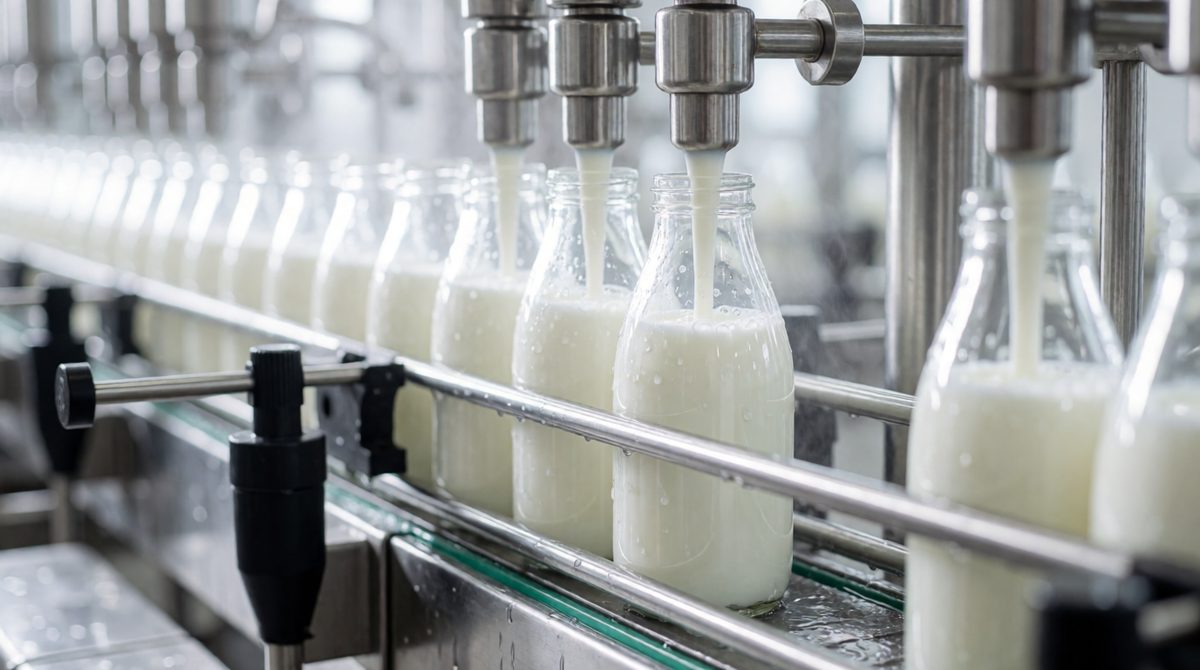
These glass milk bottles get washed and refilled - reusing them saves raw materials and the energy to make new glass
Some products can be used again as they are. Glass bottles are a good example. They can be collected, washed and filled again. The glass itself is not changed.
Other products cannot be reused, so they are recycled for a different use. The material is broken down or melted and made into something new.
Reusing is usually better than recycling, because the product does not need to be melted or reshaped. That saves even more energy.
Glass bottles that cannot be reused can be crushed and melted. The melted glass is then made into different glass products. The glass does not need to be made again from its raw materials, so less is quarried. Melting old glass also needs less energy than making glass from scratch.
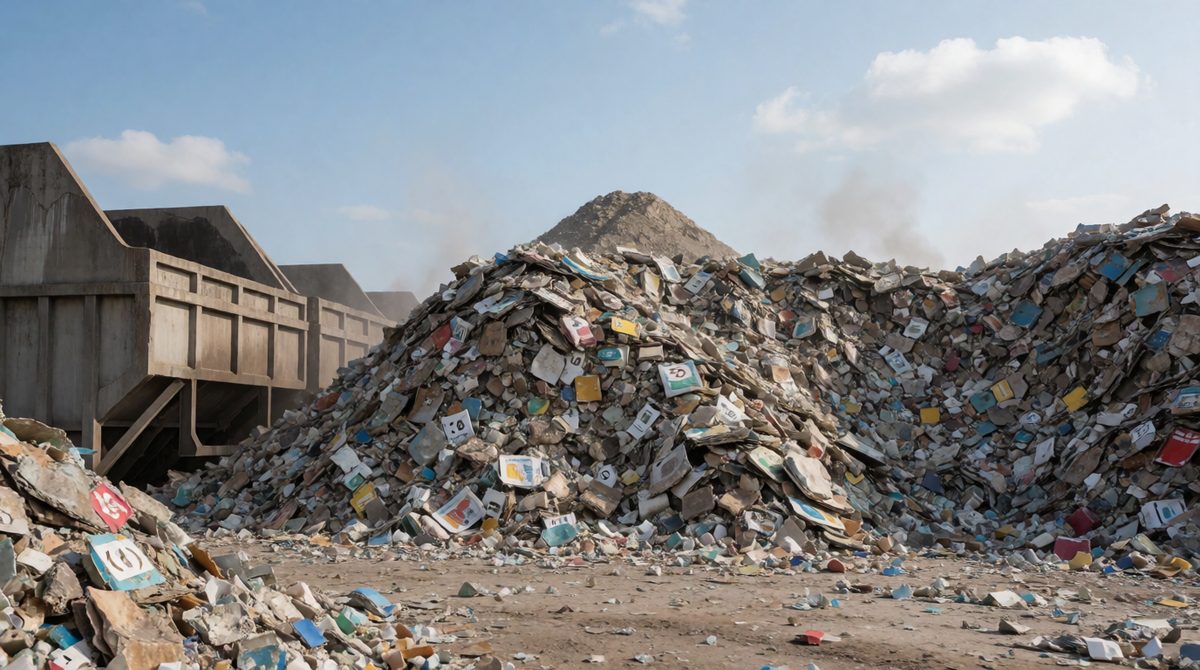
Scrap metal gets melted and recast into new products, so less ore has to be mined
Metals can be recycled by melting them and then recasting them (pouring into a mould) or reforming them into different products.
How much the scrap needs to be separated depends on two things:
If the final product must be very pure, the scrap needs a lot of careful separating. If it does not, less separating is needed.
Some scrap steel can be added to the iron that comes out of a blast furnace. This reduces the amount of iron that needs to be extracted from iron ore. So less ore is mined and less energy is used to extract iron.
In the exam you may be given information and asked to evaluate. This means weighing up the good points and the bad points, then giving a judgement.
Use this checklist:
A town can either reuse its glass bottles or crush and melt them to make new glass products.
Reuse: the bottles only need washing, so the least energy is used. But bottles must be collected and returned, and they can only be used again as bottles.
Crush and melt: a lot less energy than starting from raw materials, and the glass can become different products. But melting still needs energy.
Judgement: reuse saves the most energy where bottles can be returned. Crushing and melting is the better choice for bottles that cannot be reused.
Saying "recycling uses no energy". It uses less energy than making new material, but it still needs energy to collect, sort and melt scrap.
Mixing up reuse and recycle. Reuse means using the same product again. Recycle means making the material into something new.
Saying "metals will run out tomorrow". Say that the raw materials are limited, so using less and recycling makes them last longer.
A company wants to cut the amount of iron ore it uses. It adds scrap steel to iron from a blast furnace to make new steel. Evaluate this idea. [4 marks]
Adding scrap steel reduces the amount of iron that needs to be extracted from iron ore. This means less ore is mined, so there is less damage to the environment from mining, and the limited ore lasts longer. Less energy is needed to extract iron, which saves energy sources such as fossil fuels. It also reduces waste, because the scrap is used rather than thrown away. However, the scrap must be collected, sorted and melted, which uses energy and costs money, and enough separation is needed so the steel has the properties required. Overall, the idea is worthwhile because it saves raw materials and energy.
For an evaluate question, give at least one good point and one bad point, then finish with a clear judgement.