🔥 Combustion
Burning a fuel in oxygen gives out lots of energy. A candle flame or a gas hob heats the air around it. Combustion is always exothermic.
Sign up to access the complete lesson and track your progress!
Unlock This CourseEvery chemical reaction involves energy. Energy is never created or destroyed in a reaction. It is only moved from one place to another. We say that energy is conserved.
This means the amount of energy in the universe at the end of a reaction is the same as before the reaction. The energy has not vanished. It has moved between the chemicals and their surroundings.
The surroundings are everything around the reacting chemicals. In a test tube, that includes the solution, the glass and the air. When energy moves into or out of the surroundings, we can measure the change with a thermometer.
Key terms:
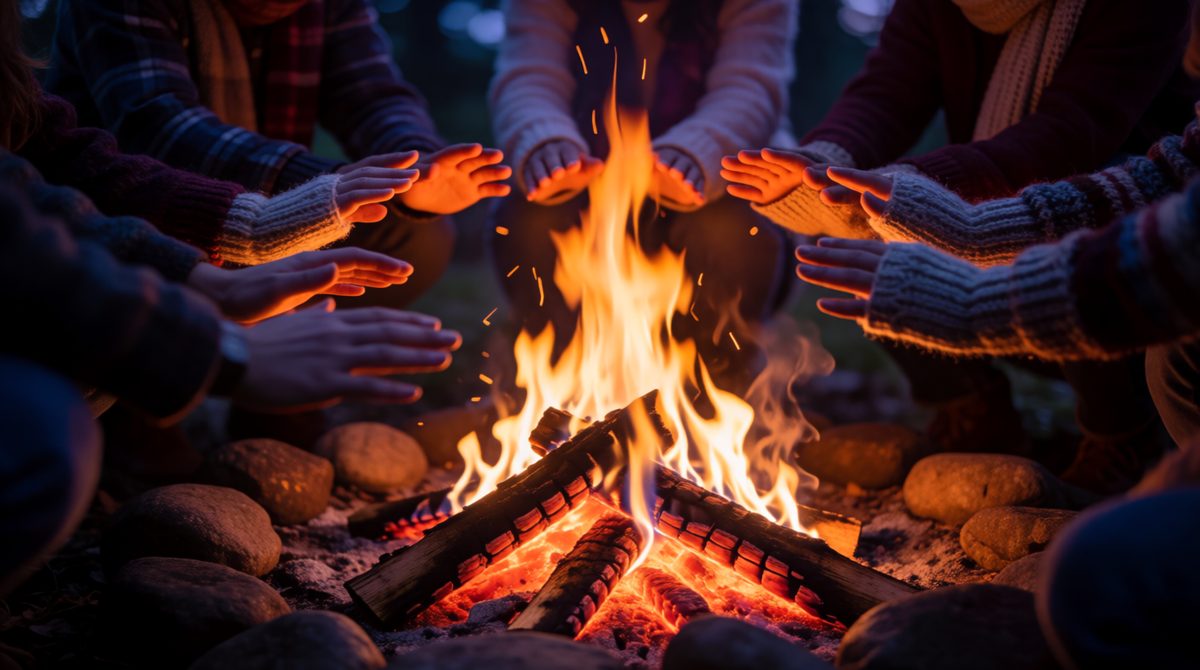
A campfire is exothermic: energy flows out to the surroundings and warms your hands
In an exothermic reaction, energy is transferred to the surroundings. The surroundings get warmer, so the thermometer reading goes up.
Think about where the energy comes from. The chemicals stored energy before the reaction. If energy is given out, the product molecules must have less energy than the reactant molecules. The difference is exactly the amount of energy transferred to the surroundings. Nothing is lost.
Burning a fuel in oxygen gives out lots of energy. A candle flame or a gas hob heats the air around it. Combustion is always exothermic.
Many oxidation reactions are exothermic. So is neutralisation. Mix an acid and an alkali and the mixture gets warmer.
The spec lists these three types: combustion, many oxidation reactions and neutralisation.
In an endothermic reaction, energy is taken in from the surroundings. The surroundings get colder, so the thermometer reading goes down. A flask can even feel cold to touch.
Energy is still conserved. The energy taken from the surroundings is stored in the products. So the product molecules have more energy than the reactant molecules.
Examples of endothermic reactions:
The only thing you need to look at is the temperature change of the surroundings.
| Type | Energy moves... | Temperature of surroundings |
|---|---|---|
| Exothermic | out to the surroundings | goes up |
| Endothermic | in from the surroundings | goes down |
Reaction A: the starting temperature is 21 °C and the final temperature is 34 °C. The temperature went up, so energy was transferred to the surroundings. Reaction A is exothermic.
Reaction B: the starting temperature is 22 °C and the final temperature is 12 °C. The temperature went down, so energy was taken in from the surroundings. Reaction B is endothermic.
You only need to measure temperature change. You do not have to calculate energy changes.
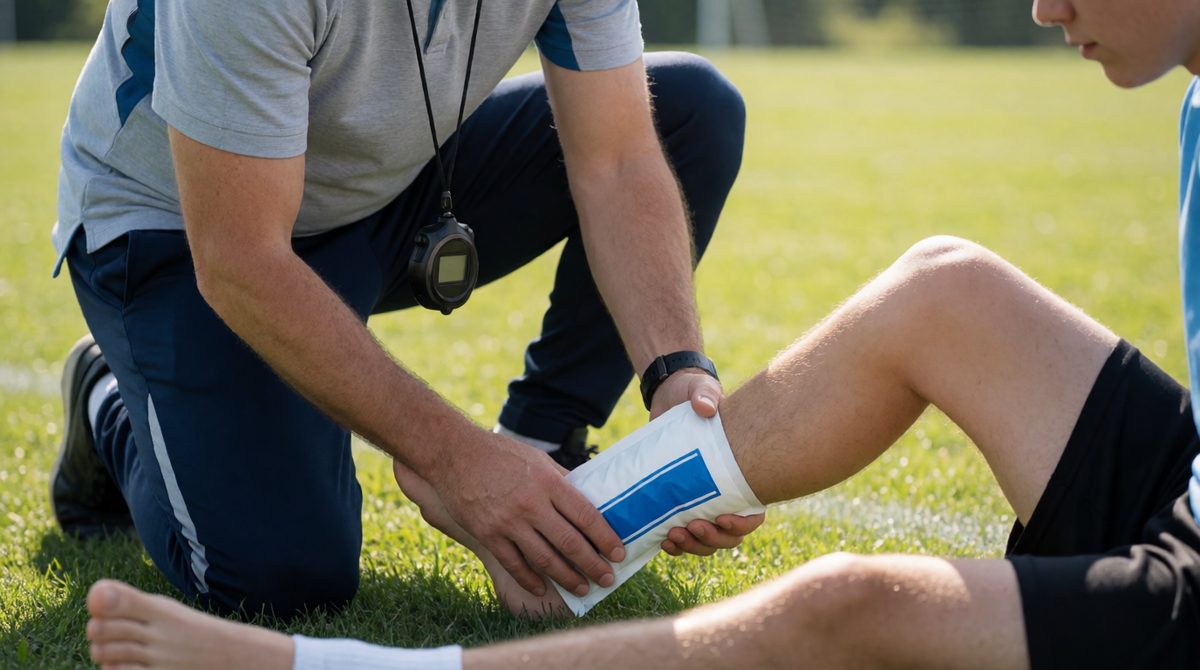
Instant ice packs use an endothermic reaction - they soak up heat from the surroundings, so they feel cold
Some drinks and meals come in cans that heat themselves. Pressing a button starts an exothermic reaction. The energy given out warms the food. There is no need for a cooker.
Hand warmers use an exothermic reaction to give out energy and warm your hands. They are useful for walkers and skiers on cold days.
Sports injury packs. Some of these packs are based on endothermic reactions. When the chemicals in the pack react, the pack takes in energy and becomes cold. It can then be placed on a sprain or bruise to cool it. They are handy at a pitch side because they need no fridge or ice.
You may be asked to evaluate a use of an exothermic or endothermic reaction. This means weighing up the good points and the bad points, using the information you are given.
A company sells a hand warmer that works by an exothermic reaction. It can only be used once.
Good points: it is portable, it needs no electricity or fire, and it warms up quickly.
Bad points: it cannot be reused, so it creates waste each time, and it may get too hot if it is left against skin.
Conclusion: it is useful for short trips outdoors, but a reusable warmer would create less waste.
Things to think about when evaluating: how convenient it is, how safe it is, how much it costs, whether it can be reused, and how much waste it makes.
1. Saying that exothermic reactions "get cold". The reaction gives out energy, so the surroundings get hotter.
2. Describing the temperature of the chemicals instead of the surroundings. Always say what happens to the surroundings.
3. Saying energy is "used up" or "lost". Energy is conserved. It is only moved.
4. Mixing up the words. Remember that exothermic means energy exits.
A student mixes citric acid and sodium hydrogencarbonate in a cup. The temperature falls from 20 °C to 11 °C. (a) Is this reaction exothermic or endothermic? Explain how you know. (b) Suggest one use for a reaction of this type. [3 marks]
(a) It is endothermic, because the temperature of the surroundings decreased. This shows that energy was taken in from the surroundings. [2 marks]
(b) It could be used in a sports injury pack to cool a sprain. [1 mark]
When asked how you know a reaction is exothermic or endothermic, always write about the temperature change of the surroundings and which way the energy moved.