📦 Economic goods
An economic good is scarce. Using it means giving something else up, because the resources used to make it could have made something else. Economic goods usually have a price. Examples: a bicycle, a loaf of bread, a haircut.
Remember from the last lesson: resources are finite and wants are unlimited, so scarcity affects everyone. That means every society, from a village to a large country, has to make choices about how to use its limited resources.
Deciding which resources go to which uses is called resource allocation. Whatever the country, three basic questions have to be answered.
Key terms:
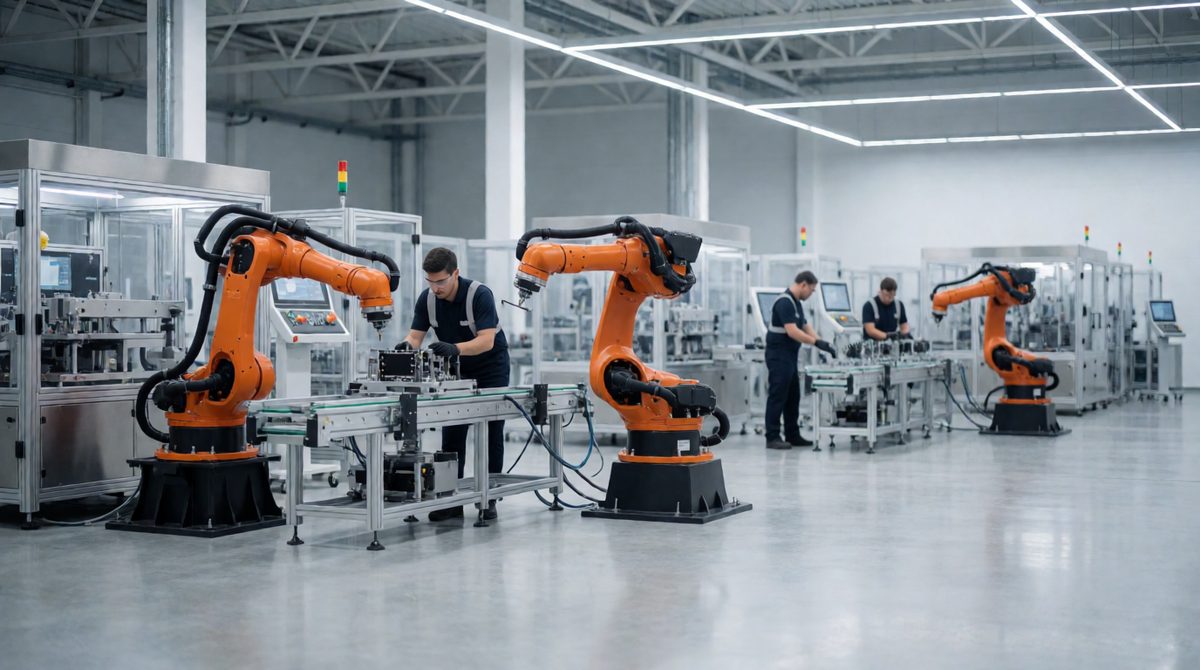
Machines or people? Choosing the method is the 'how to produce' question
Which goods and services should be made, and how much of each? Resources used to make one thing cannot be used to make another.
Which method should be used to make them? For example, mostly by hand with many workers, or mostly by machines with few workers.
Who gets the goods and services once they are made? The output has to be shared out between different people and groups.
These are not questions only for governments. Farmers, firms and families answer them every day. Here are some made-up examples.
Notice that each answer has a cost. Choosing rice means no coffee. Choosing machines means fewer jobs. Giving flats to one group means other groups go without.
Different countries answer the questions in different ways. In some, the government makes many of these decisions. In others, firms and consumers make most of them. You will study how this works later, starting with The Price Mechanism.
Question: A made-up island country, Kalmoor, has limited land and workers. Its government has to decide whether to build a port or a railway station on the one empty site. Which basic economic question is this?
Answer: This is 'what to produce'. The land and workers can make a port or a railway station, but not both, so the country must choose which good or service to provide.
Not everything is scarce. Goods are split into two groups.
An economic good is scarce. Using it means giving something else up, because the resources used to make it could have made something else. Economic goods usually have a price. Examples: a bicycle, a loaf of bread, a haircut.
A free good is not scarce. There is enough for everyone who wants it, so using it means nothing else is given up. Free goods have no price. Examples: air, seawater and sunlight.
Key terms:
Be careful with the word 'free'. In everyday life it can mean 'given away at no charge', such as a free sample. In economics, a free good has no price because it is not scarce. A free sample of shampoo is still an economic good, because resources were used to make it.
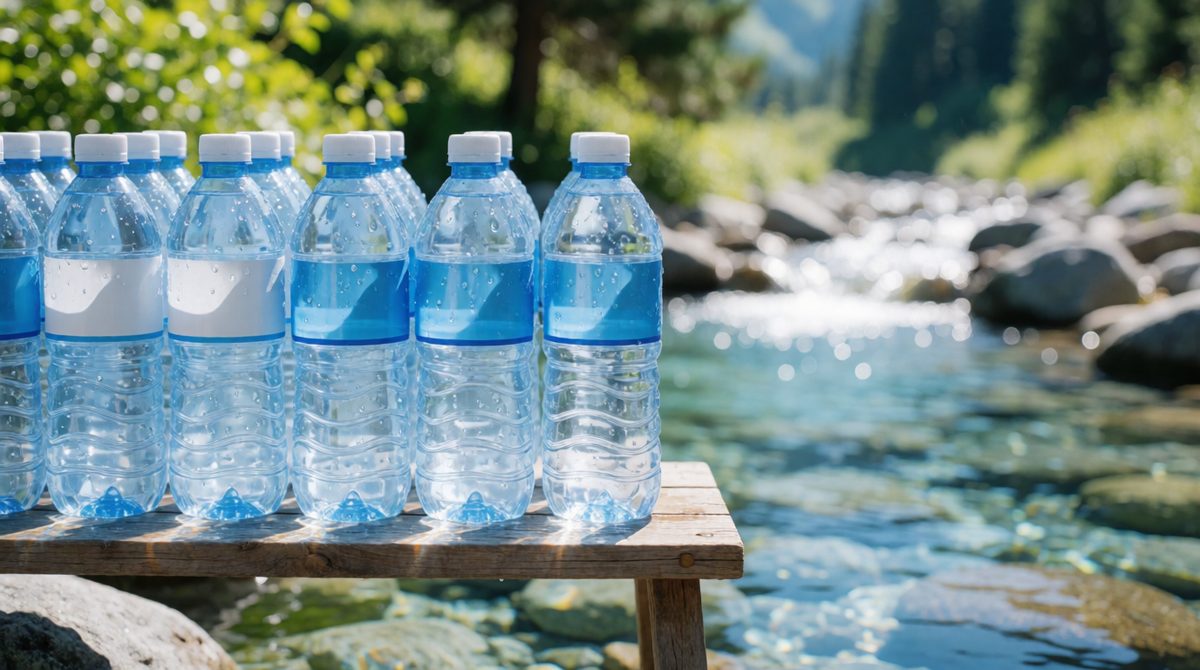
Clean water can stop being a free good once resources are needed to supply it
Whether a good is free can change. A free good becomes an economic good when it becomes scarce, or when resources are needed to provide it.
The pattern is the same each time: once resources are used, or there is not enough to go round, the good is no longer free.
1. Saying a free good is 'one that costs nothing in the shop'. A free good is one that is not scarce.
2. Saying that something must be a free good because the seller calls it 'free'. If resources were used up to make it, it is an economic good.
3. Mixing up the three questions. 'How to produce' is about the method, 'what to produce' is about the product, and 'who to produce for' is about who gets it.
4. Thinking free goods never change. Many can become economic goods.
Marwa is a tailor in a made-up country called Tarvia. She has one workshop and three workers. In a given week she can make school uniforms or wedding dresses, but not both. She also has to decide whether to sell to local families or to a large shop.
(a) Identify the two basic economic questions that Marwa faces. [2 marks]
(b) Define the term 'free good'. [2 marks]
(c) Explain why the cloth that Marwa buys is an economic good. [3 marks]
(a) What to produce (1), for example uniforms or wedding dresses. Who to produce for (1), for example families or the large shop.
(b) A free good is a good that is not scarce (1), so using it means nothing else has to be given up (1).
(c) The cloth is scarce (1) because resources such as workers and equipment are used to make it (1). Using it means giving something else up, and it has a price (1).
In an 'Identify' question, name the question briefly and do not write a long answer. Use the exact wording: what, how and who to produce for. In 'Explain', give a reason and link it to the situation in the question.
Access the full course and all the resources like custom timetables and progress tracking.
Join Today