🏪 A place
A fruit and vegetable market in Lagos, a supermarket in Warsaw, a car showroom or a street food stall. Buyers and sellers meet face to face.
Sign up to access the complete lesson and track your progress!
Unlock This CourseThink about the last thing you bought. Maybe it was a snack at a kiosk, a game download or a phone top-up. Someone wanted to buy it and someone else was willing to sell it. When those two met and swapped, a market was at work.
The earlier lessons showed that resources are scarce, so every society must decide what to produce, how to produce and who to produce for. In many countries, a large part of that job is done through markets. This lesson looks at what a market is. Later lessons show how markets set prices.
Key terms:
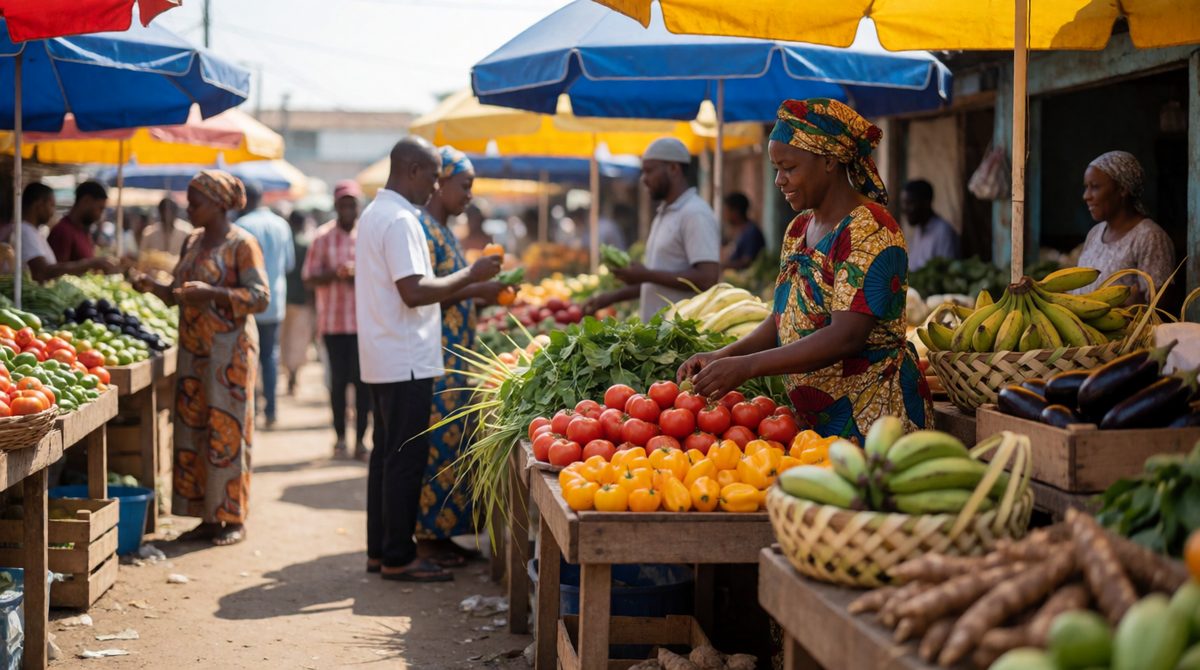
Buyers and sellers meeting face to face: one kind of market
A market does not have to be a field full of stalls. What matters is that buyers and sellers can get in touch with each other and agree an exchange.
A fruit and vegetable market in Lagos, a supermarket in Warsaw, a car showroom or a street food stall. Buyers and sellers meet face to face.
A shopping app, a second-hand sales website or a ticket booking site. Buyers and sellers may be in different countries and never meet.
Phone calls, apps and websites all count. If buyers and sellers can come together and trade, there is a market.
There are many different markets. You need to know several kinds, and you should be able to give an example of each.
| Type of market | What is traded | Example |
|---|---|---|
| Product market | Goods and services | Bread, shoes, haircuts, bus journeys |
| Labour market | Workers' time and skills | Firms look for nurses and teachers; people look for jobs |
| Foreign exchange market | Currencies | A tourist swaps dollars for euros |
Markets can also be grouped by how wide they are:
The same good can be sold in more than one of these. A hand-made bag might be sold at a local craft fair and also on a website to buyers across the world.
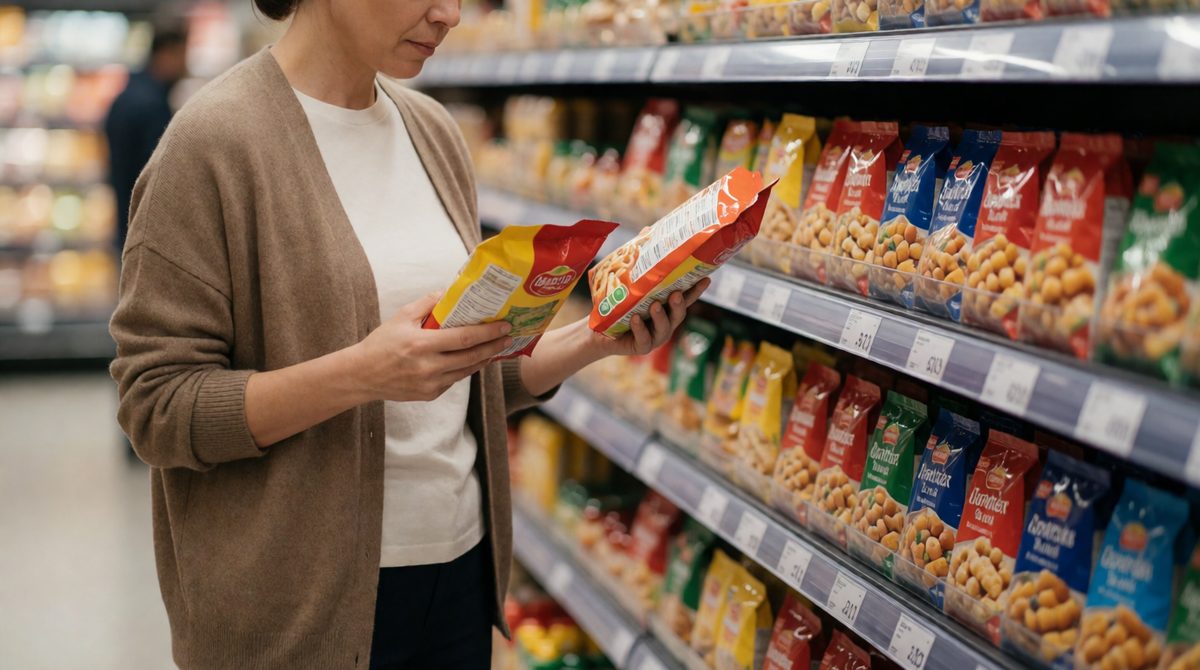
Buyers want the most satisfaction from their money, so they compare before they buy
Buyers (also called consumers) are the people, firms or governments that want to purchase goods and services. A household buys food. A firm buys machines and materials. A government buys books for schools.
What buyers want: the most satisfaction from the money they have. In practice that usually means a good that does the job, of good quality, at a low price. Buyers are limited by how much money they have, so they have to choose, just like the opportunity cost choices in an earlier lesson.
Sellers (also called producers) are the firms or people who supply goods and services. A farmer sells maize. A tailor sells clothes. A shop sells goods that someone else made.
What sellers want: to earn money from what they sell, and usually to make a profit. They want a high price and plenty of customers, so that their income is higher than their costs.
Good value, good quality, and a price they can afford. A lower price is better for them.
Enough income to cover their costs and make a profit. A higher price is better for them.
Buyers and sellers want opposite things when it comes to price, yet each needs the other. A seller with no buyers earns nothing. A buyer with no sellers cannot get what they need. A sale only happens when both sides agree.
Nadia runs a small stall at a town market in the made-up country of Pellora. She sells hand-made candles. A student, Omar, wants a candle as a gift. The market is the place where Nadia and Omar meet. Omar, the buyer, wants a nice candle for a low price. Nadia, the seller, wants enough money to cover the wax, her time and a profit. They agree on a price and swap. If they cannot agree, no exchange happens.
1. Thinking a market must be a physical place. Online trade is a market too. 2. Saying a market is only for goods. Labour and currencies are traded in markets as well. 3. Forgetting that firms and governments can be buyers, not just households. 4. Writing that a seller wants a low price. Sellers want a high price; buyers want a low one.
Marta makes leather bags in the made-up country of Dorvia. She sells them at a local craft fair and on a website to buyers in other countries.
(a) Define a market. [2 marks]
(b) Identify one type of market from the information. [1 mark]
(c) Describe what Marta, as a seller, wants from the sale of her bags. [2 marks]
(d) Explain why Marta and the buyers of her bags need each other. [3 marks]
(a) A market is where buyers and sellers come together (1) to exchange goods and services (1).
(b) The craft fair is a local market, or the website is an online or international market (1). Any one of these.
(c) Marta wants to receive money for her bags (1) at a high enough price to cover her costs and make a profit (1).
(d) Marta supplies the bags and needs buyers, or she earns no income (1). Buyers want the bags and need a seller to get them (1). A sale only takes place when both agree, so each needs the other (1).
In part (b) the question asks you to identify. Name the market clearly from the information given, such as 'the online website', and do not write a long explanation.