🌿 What is an Ecosystem?
An ecosystem is basically a community of living things all interacting with each other AND with their non-living surroundings. Think of it like a giant web pull one thread and everything else is affected. Ecosystems can be tiny (like a rock pool) or enormous (like the Amazon rainforest). What makes something an ecosystem is that all the parts are connected and dependent on each other.
Key Definitions:
- Ecosystem: A community of living organisms interacting with each other and their non-living environment as a system.
- Biotic components: The living parts of an ecosystem plants, animals, fungi, bacteria and all other organisms.
- Abiotic components: The non-living parts of an ecosystem things like temperature, rainfall, soil, sunlight and wind.
- Habitat: The specific place where an organism lives within an ecosystem.
- Community: All the different species of organisms living together in the same area.
- Population: All the individuals of one species living in the same area at the same time.
💡 Why Does This Matter for Your Exam?
The iGCSE loves asking you to identify biotic and abiotic factors in a given ecosystem, or explain how a change in one component affects others. Master this topic and you'll find the rest of Environmental Management much easier it all builds from here!
🍃 Biotic Components The Living Stuff
Biotic components are everything that is alive, or was once alive, in an ecosystem. They are split into groups based on how they get their energy. Understanding these groups helps you explain how energy and nutrients flow through an ecosystem.
🌿 Producers (Autotrophs)
Producers make their own food using sunlight through photosynthesis. They are the foundation of almost every food chain on Earth. Without producers, nothing else could survive.
- 🌿 Green plants (grass, trees, shrubs)
- 🍃 Algae in rivers and oceans
- 🧪 Phytoplankton in the sea
- 🍄 Mosses and ferns
Example: In a tropical rainforest, giant trees like the Brazil nut tree are producers, capturing sunlight in the canopy layer.
🦀 Consumers (Heterotrophs)
Consumers cannot make their own food they have to eat other organisms. They are split into different levels depending on what they eat.
- Primary consumers: Eat producers (herbivores) e.g. rabbits, caterpillars, zebras
- Secondary consumers: Eat primary consumers e.g. foxes, frogs, small fish
- Tertiary consumers: Eat secondary consumers e.g. eagles, sharks, lions
- Omnivores: Eat both plants and animals e.g. humans, bears, badgers
🍃 Decomposers Nature's Recyclers
Decomposers are one of the most important biotic components, but they often get forgotten! They break down dead organic matter dead plants, dead animals and animal waste and return the nutrients back into the soil. Without decomposers, nutrients would be locked up in dead material forever and producers would run out of the minerals they need to grow.
🍄 Bacteria
Microscopic decomposers found in soil, water and even inside other organisms. They are incredibly efficient at breaking down organic matter into simple minerals.
🍄 Fungi
Mushrooms and moulds are fungi. They release enzymes that break down tough materials like wood and leaves. Fungi are especially important in forest ecosystems.
🟫 Detritivores
Slightly larger decomposers like earthworms, woodlice and millipedes. They physically break up dead material into smaller pieces, making it easier for bacteria and fungi to finish the job.
📚 Case Study: The Amazon Rainforest Biotic Components
The Amazon rainforest in South America is the world's largest tropical rainforest, covering around 5.5 million km². Its biotic components include over 40,000 plant species (producers), 1,300 bird species, 3,000 fish species and millions of insect species (consumers at various levels). The forest floor is teeming with decomposers fungi and bacteria that rapidly break down fallen leaves and dead animals in the warm, humid conditions. This rapid decomposition is why the soil in rainforests is actually quite thin and nutrient-poor nutrients are quickly taken back up by plant roots!
☀️ Abiotic Components The Non-Living Stuff
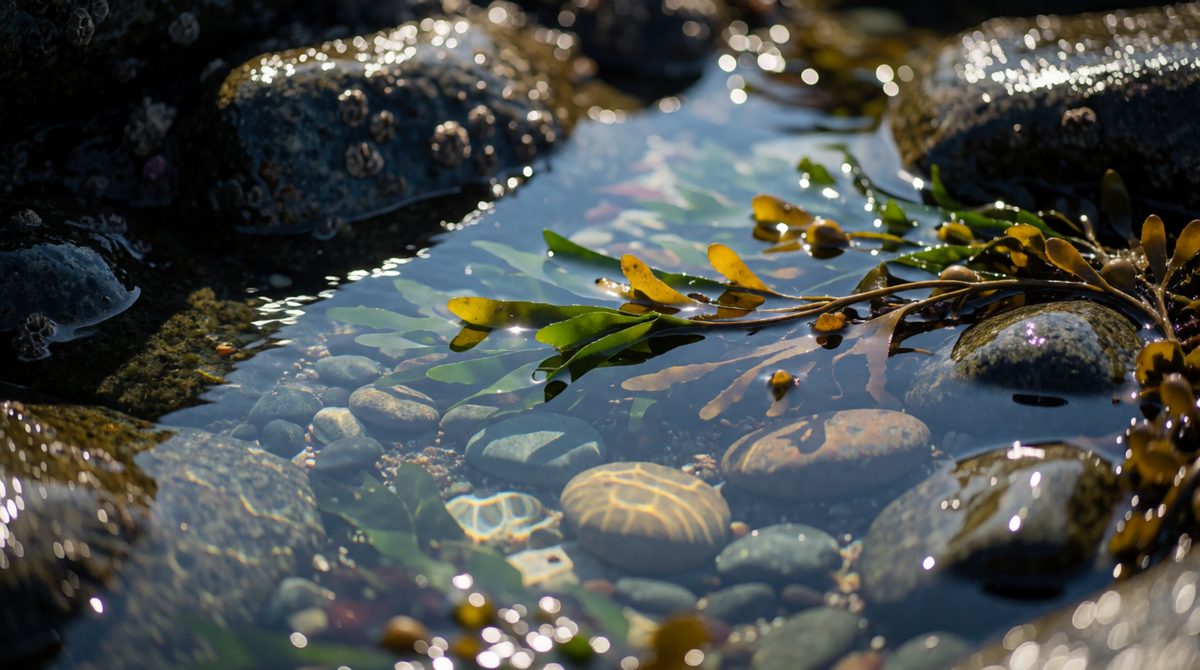
Light, water and temperature are abiotic factors
Abiotic components are the physical and chemical features of an environment. They might not be alive, but they completely control which organisms can survive in an ecosystem. Change one abiotic factor and you can wipe out entire species or allow new ones to move in. This is why abiotic factors are so important in Environmental Management.
The main abiotic components to know:
☀️ Climate Factors
- Temperature: Controls the rate of photosynthesis and respiration. Most organisms have a temperature range they can tolerate. Tropical species cannot survive freezing temperatures.
- Rainfall / Precipitation: Water is essential for all life. Areas with high rainfall support dense vegetation; deserts with low rainfall have sparse plant life.
- Sunlight: The energy source for photosynthesis. The amount and intensity of light affects which plants can grow shade-tolerant plants grow on forest floors.
- Wind: Affects water loss from plants (transpiration) and can shape vegetation coastal trees often grow bent due to prevailing winds.
- Humidity: The amount of water vapour in the air. High humidity reduces water loss from organisms.
🌎 Physical & Chemical Factors
- Soil type: Sandy soils drain quickly; clay soils hold water. Soil pH affects which plants can grow heather thrives in acidic soils.
- Soil nutrients: Nitrogen, phosphorus and potassium are essential for plant growth. Poor soils support fewer producers.
- Altitude: Higher altitude means lower temperatures and thinner air. Tree lines on mountains mark where it becomes too cold for trees to grow.
- Slope / Aspect: South-facing slopes in the northern hemisphere get more sunlight and are warmer and drier.
- Water availability: Freshwater or saltwater, still or flowing all affect which species can survive.
- Salinity: The salt content of water or soil. Only specialised organisms (halophytes) can survive in very salty conditions.
📚 Case Study: The Sahara Desert Abiotic Extremes
The Sahara Desert in North Africa is the world's largest hot desert, covering about 9 million km². Its abiotic conditions are extreme: temperatures can reach 50°C during the day and drop below freezing at night. Annual rainfall is less than 25mm in most areas. The soil is sandy or rocky with very few nutrients. These harsh abiotic conditions mean biotic components are limited only highly adapted organisms like camels, fennec foxes, date palms and cacti-like succulents can survive. This shows perfectly how abiotic factors control which biotic components exist in an ecosystem.
🔁 How Biotic and Abiotic Components Interact
The real magic of ecosystems is in how biotic and abiotic components constantly affect each other. This is not a one-way street living things also change their non-living environment. Here are some key interactions to understand:
🔁 Key Interactions to Know
🌿 Plants Modify Soil
Tree roots break up rock and add organic matter when leaves decompose, improving soil quality. Legume plants (like clover) add nitrogen to soil through nitrogen-fixing bacteria in their roots a biotic process changing an abiotic factor.
☀️ Climate Shapes Communities
A change in rainfall patterns can completely change which species dominate an area. The gradual drying of the Sahel region in Africa has reduced vegetation cover, which then reduces rainfall further a feedback loop between abiotic and biotic components.
🦀 Animals Alter Habitats
Elephants knock down trees, creating open grassland. Beavers build dams, creating wetland habitats. Earthworms improve soil drainage and nutrient content. Biotic components actively reshape abiotic conditions.
📚 Case Study: The Serengeti Ecosystem, Tanzania
The Serengeti in East Africa is one of the world's most famous ecosystems. Abiotic factors include a distinct wet season (November–May) and dry season, with annual rainfall of 500–1,200mm and temperatures averaging 20–25°C. These abiotic conditions support vast grasslands (biotic producers), which in turn support huge herds of wildebeest (around 1.5 million), zebras and gazelles (primary consumers). Lions, cheetahs and hyenas (secondary/tertiary consumers) feed on these herds. Decomposers like vultures and bacteria return nutrients to the soil. The annual wildebeest migration is directly triggered by abiotic changes the movement of rainfall across the ecosystem.
📊 Comparing Ecosystems Biotic vs Abiotic Summary
Different ecosystems have very different combinations of biotic and abiotic components. Here's a quick comparison of three major ecosystem types to help you see the patterns:
🌎 Three Ecosystems Compared
🌿 Tropical Rainforest
Abiotic: High rainfall (2,000mm+/year), high temperatures (25–30°C), high humidity, nutrient-poor soils
Biotic: Extremely high biodiversity thousands of plant, animal and insect species. Dense canopy, shrub layer and forest floor communities.
❄️ Tundra
Abiotic: Very low temperatures (-20°C in winter), low rainfall (less than 250mm/year), permafrost (permanently frozen ground), strong winds
Biotic: Low biodiversity mosses, lichens, sedges, Arctic foxes, reindeer, lemmings, migratory birds in summer only.
🌊 Coral Reef
Abiotic: Warm, clear, shallow saltwater (26–29°C), high salinity, high light penetration, low nutrient levels
Biotic: Extremely high biodiversity coral polyps (producers via symbiotic algae), thousands of fish species, sea turtles, sharks, crustaceans.
⚠️ Exam Alert: Common Mistakes!
❌ Don't say soil is biotic soil itself is abiotic, but the organisms living IN the soil (bacteria, worms) are biotic.
❌ Don't confuse habitat and ecosystem a habitat is where an organism lives; an ecosystem includes all the interactions too.
❌ Don't forget decomposers they are biotic components and are absolutely essential for nutrient cycling.
✅ Do remember: if it's alive (or was alive), it's biotic. If it was never alive, it's abiotic.
📖 Quick Revision Summary
Let's pull everything together before your quiz. Make sure you can confidently explain each of these points:
- 🌿 An ecosystem = living community + non-living environment, all interacting together
- 🦀 Biotic components = producers, consumers (primary, secondary, tertiary) and decomposers
- ☀️ Abiotic components = temperature, rainfall, sunlight, wind, soil type, soil nutrients, altitude, salinity
- 🔁 Biotic and abiotic components constantly interact and influence each other
- 🌎 Different ecosystems have different combinations of biotic and abiotic factors this explains why different places have different wildlife
- 📚 Case studies: Amazon Rainforest, Sahara Desert, Serengeti, Tundra, Coral Reef
- ⚠️ Soil = abiotic; organisms IN soil = biotic. Don't mix them up!