🌎 In-Situ Conservation
This means protecting species in their natural habitat. Examples include national parks, nature reserves and marine protected areas. The species stays where it naturally lives you protect the whole ecosystem around it.
Sign up to access the complete lesson and track your progress!
Unlock This CourseBiodiversity is the variety of all living things on Earth every plant, animal, fungus and microorganism. Right now, species are going extinct at a rate 100 to 1,000 times faster than natural background rates, mostly because of human activity. That's a big problem. So humans have come up with biodiversity strategies plans and actions designed to protect, restore and manage the variety of life on our planet.
These strategies range from setting up national parks to international agreements between countries. Some work brilliantly. Some have serious flaws. Your job as an iGCSE student is to understand both sides.
Key Definitions:
This means protecting species in their natural habitat. Examples include national parks, nature reserves and marine protected areas. The species stays where it naturally lives you protect the whole ecosystem around it.
This means protecting species outside their natural habitat. Examples include zoos, seed banks and botanical gardens. It's a backup plan useful when a habitat is too damaged to protect in place.
There are several key strategies used to manage biodiversity. Each one works differently and suits different situations. Let's look at the most important ones you need to know for your iGCSE exam.
Governments set aside land where human activity is restricted. These are the most common biodiversity strategy worldwide. There are over 200,000 protected areas covering about 15% of the Earth's land surface.
The Serengeti covers 14,763 km² and protects one of the most biodiverse ecosystems on Earth. It supports over 70 large mammal species and 500 bird species. The annual wildebeest migration involving 1.5 million animals depends entirely on this protected area remaining intact. Tourism brings in over $600 million per year to Tanzania, showing how conservation and economics can work together.
Some biodiversity problems cross national borders, so countries work together through international treaties and agreements.
Rather than just protecting what's left, some strategies actively restore damaged ecosystems. This includes planting trees, rewilding areas and restoring wetlands.
An ambitious project to grow an 8,000 km wall of trees across the width of Africa, from Senegal to Djibouti. The aim is to restore 100 million hectares of degraded land by 2030. So far, Ethiopia has restored 15 million hectares. The project helps biodiversity, reduces desertification and provides food security for local communities.
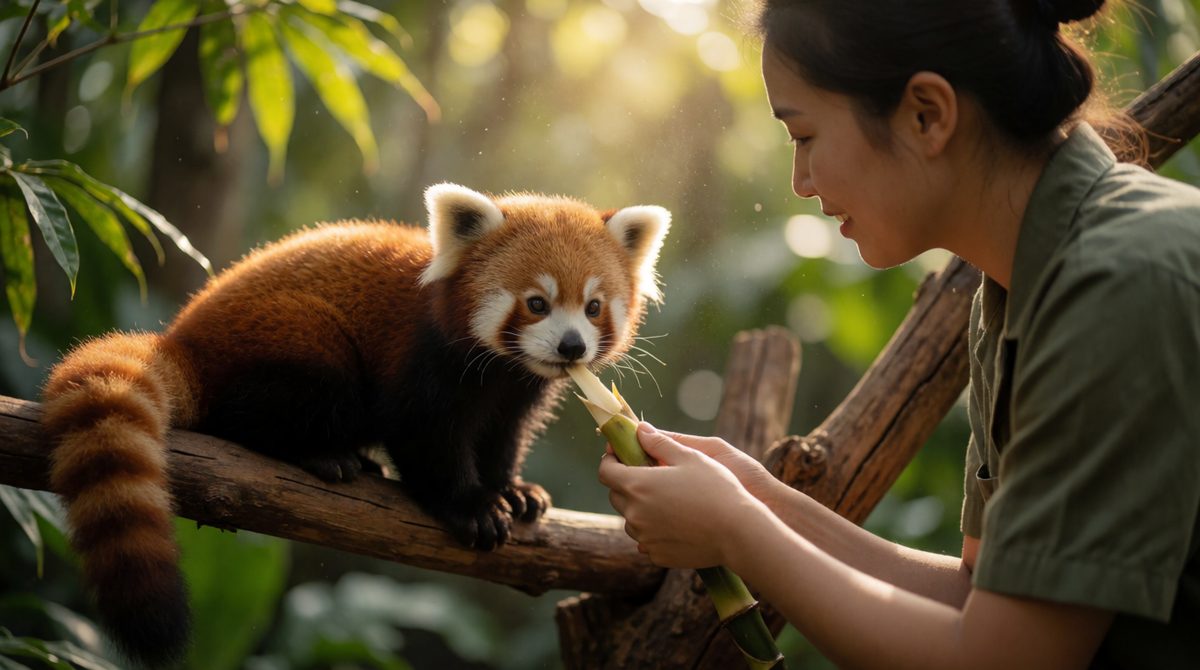
Captive breeding helps rescue endangered species
When a species is critically endangered, scientists may breed them in zoos or store their seeds/genetic material for the future.
This strategy involves local communities in managing biodiversity. Instead of locking people out of protected areas, communities are given the right to manage and benefit from local wildlife sustainably.
The Communal Areas Management Programme for Indigenous Resources (CAMPFIRE) gives local communities control over wildlife in their area. Communities earn money from carefully managed trophy hunting and ecotourism. This gives locals a financial reason to protect wildlife rather than poach it. Between 1989 and 2001, communities earned over $20 million. Critics argue trophy hunting is ethically wrong, but supporters say it funds real conservation in poor areas.
When biodiversity strategies work well, the benefits are enormous for nature AND for people. Here are the key benefits you need to know:
Strategies directly prevent extinction. The giant panda population rose from around 1,000 in the 1970s to over 1,800 today, largely due to protected reserves in China.
Healthy ecosystems provide clean water, flood control, pollination of crops and carbon storage. Protecting biodiversity protects these free services worth trillions of dollars globally.
Around 50% of modern medicines come from natural sources. Protecting biodiversity protects potential future medicines. The rosy periwinkle plant from Madagascar led to treatments for childhood leukaemia.
Ecotourism generates billions. Kenya earns over $1 billion per year from wildlife tourism. Protected areas create jobs and support local economies.
Forests and wetlands store carbon. The Amazon rainforest stores an estimated 150–200 billion tonnes of carbon. Protecting it helps fight climate change.
Community-based strategies give local people income, food security and ownership over their environment, reducing poverty and improving wellbeing.
Here's the honest truth biodiversity strategies are not perfect. Many face serious problems that stop them from working as well as they should. This is really important for exam questions asking you to "evaluate" strategies.
Conservation costs money. Many protected areas in developing countries are "paper parks" they exist on paper but have no rangers, no equipment and no real protection. A study found that protected areas in developing countries receive only about 30% of the funding they need to be effective. Without money, strategies simply don't work.
Many protected areas were created by pushing local people off their land sometimes called "fortress conservation." This creates resentment and can actually increase poaching as communities feel no ownership. The Maasai people in Kenya and Tanzania were historically excluded from their traditional lands when national parks were created, causing long-running conflicts.
Even perfectly managed protected areas can fail if climate change shifts species' ranges, causes droughts, or raises sea levels. Coral reef marine protected areas are being destroyed by ocean warming and bleaching events regardless of human protection efforts. The Great Barrier Reef Marine Park has suffered mass bleaching events in 2016, 2017, 2020, 2022 and 2024.
CITES and the CBD are voluntary there's no global police force to make countries comply. Countries may sign agreements but fail to implement them. Illegal wildlife trade is still worth an estimated $23 billion per year, making it the fourth largest illegal trade in the world, despite CITES.
Captive breeding is expensive and can only save a tiny number of species. Animals bred in captivity often struggle to survive when released into the wild. Seed banks can't save animals, fungi, or many other organisms. They're a last resort, not a real solution.
Reforestation can go wrong. Planting single-species tree plantations (monocultures) actually reduces biodiversity compared to natural forest. Some restoration projects use non-native species that become invasive. True ecosystem restoration takes decades or centuries.
In many countries, especially developing ones, economic development is the priority. Governments face pressure to allow logging, mining, or farming on land that could be protected. Brazil's Amazon deforestation increased significantly between 2019–2022 as economic pressures outweighed conservation commitments. This shows how political will is essential but often lacking.
In your iGCSE exam, if you're asked to evaluate a biodiversity strategy, always cover BOTH sides. Use this structure: Benefit → Evidence → Limitation → Evidence → Conclusion. For example: "Protected areas help species recover (giant panda numbers rose to 1,800) BUT they can fail without funding many developing country parks are 'paper parks' with no real enforcement." A balanced answer always scores higher marks.
No single biodiversity strategy is perfect. The most successful approaches tend to combine multiple strategies protecting habitats, involving local communities, securing international cooperation and having reliable funding. The key message for your exam is: strategies are necessary and can work, but they all have real limitations that must be honestly addressed.