The nature-nurture debate
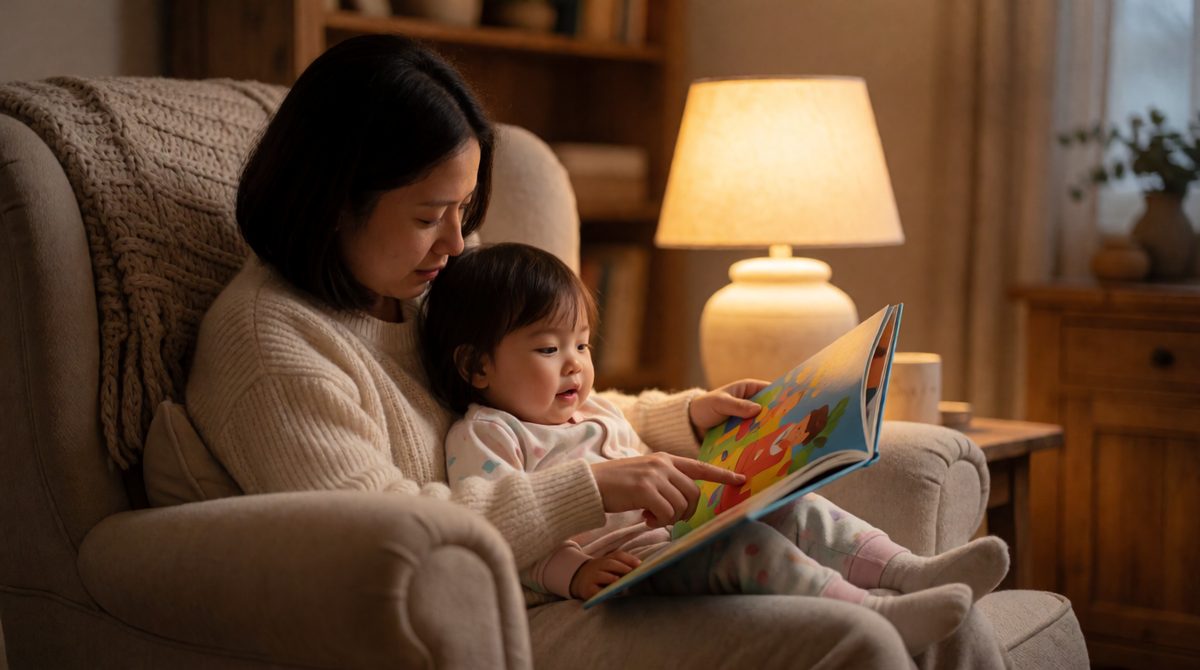
Nature or nurture? Are we shaped by the body we're born with, or by the people and places around us?
Why are you the person you are? Is it because of the body and brain you were born with, or because of the people and places that shaped you? This question is one of the oldest debates in the social sciences. Sociologists call it the nature-nurture debate.
Key terms:
- Nature: the idea that our behaviour and identity come from biology, such as genes and the body we are born with.
- Nurture: the idea that our behaviour and identity come from what we learn from the people and society around us.
- Nature-nurture debate: the argument about how much of our behaviour and identity is down to biology and how much is learned.
Some things are clearly biological. Everyone is born able to feel hunger, and babies cry without being taught. But look at what people actually do with these feelings. What we eat, when we eat and how we eat are all learned. Sociologists therefore stress nurture. In Culture, Norms, Values and Customs, you saw that society is socially constructed. Nurture is how each new person comes to share in it.
Almost nobody argues for nature alone or nurture alone. Biology gives us the ability to learn. Society decides what we learn.
What cases of severe isolation suggest
We cannot run an experiment that raises a child without human contact, and no one should. So sociologists look at rare, sad cases where children were kept in severe isolation. These cases must be described carefully, because the children suffered a great deal.
🔒 Genie
Genie was found in California in 1970, aged 13. She had been kept alone in a room for most of her life and had almost no contact with other people. She had no language when she was found. With help she learned many words, but she never fully mastered grammar.
💬 Isabelle
Isabelle was found in Ohio, USA, in the late 1930s, aged about six. She had been kept away from most people and had not learned to speak. With a great deal of help and teaching she learned to speak within about two years.
What do these cases suggest? Being born human does not automatically make a person able to speak, share norms or fit into a group. These things have to be learned through contact with other people.
Be careful with this evidence
These children were also neglected and harmed, and each case is different. So we cannot be sure how much of their difficulty was caused by isolation alone. The cases are very few, which makes it hard to generalise from them.
The relativity of culture
If behaviour were mainly inborn, people everywhere would behave in the same way. They do not. What counts as normal depends on the society and on the time. Sociologists call this the relativity of culture.
Key term:
- Relativity of culture: the idea that what is seen as normal, right or acceptable is relative to the society and the time, so it differs between societies and changes over time.
🌍 Between societies
In some societies it is normal to eat with the fingers. In others people use a knife and fork or chopsticks. In some societies looking an adult in the eye is a sign of respect. In others it is seen as rude, and people look down.
⏳ Over time
In many societies, a hundred years ago it was unusual for a married woman to have a paid job. Today it is common. Smoking indoors at work was once normal in many countries. Today it is banned in many places.
This matters for identity. A child born in Brazil will normally grow up speaking Portuguese, and a child born in Japan will normally grow up speaking Japanese. They did not inherit these languages in their genes. They learned the one around them.
Socialisation

Socialisation starts the day we're born - a baby learns its family's way of life from the people around it
So how do people learn the way of life of their society? The answer is socialisation.
Key term:
- Socialisation: the lifelong process by which people learn the norms, values, customs and way of life of their society.
Socialisation starts the day we are born and carries on for the rest of our lives. Through it, we learn the language we speak, how to behave and what to believe. We also learn what is seen as right and wrong. Who does the socialising, and how, comes in the next lesson, Primary and Secondary Socialisation: The Key Agencies.
Norms and values are learned, not inborn
You already know that norms are the rules about how to behave, and values are beliefs about what is important (Culture, Norms, Values and Customs). The key point here is that nobody is born knowing them.
- A baby has no idea of what to wear, how to greet someone or what is polite.
- Children learn these things by watching others, copying them, being praised and being corrected.
- The norms and values learned differ from one society to another, which is why the relativity of culture exists.
This is why sociologists say identity is socially constructed. Much of who we are, such as our language, beliefs and behaviour, is shaped by the society we grow up in.
Worked example
Question: A child is born in a small village and is then raised in a large city in a different country. Using ideas from this lesson, explain why the child behaves like the people in the city.
Nurture: the child learned the language and behaviour of the city, not of the village of birth.
Socialisation: the child learned the norms and values of the city's society over time.
Relativity of culture: what is normal in the city may differ from the village, so the child learned the city's version of normal.
Common mistakes
Saying that sociologists believe biology has no effect at all. Mixing up nature (biology) and nurture (learning). Describing cases of isolation without saying what they suggest, or presenting them as proof. Saying that one society's norms are right and another's are wrong, when the point is that they are relative. Confusing socialisation with simply "making friends".
Exam-style question
(a) Define the term socialisation. [2 marks]
(b) Give two examples of how what is seen as normal differs between societies or over time. [2 marks]
(c) Explain three reasons why sociologists argue that identity is socially constructed rather than only inborn. [6 marks]
Model answer
(a) Socialisation is the lifelong process of learning (1) the norms, values and way of life of a society (1).
(b) Any two from: eating with the fingers is normal in some societies but not others (1); looking an adult in the eye is respectful in some societies but rude in others (1); married women having paid jobs was unusual in many societies a hundred years ago but is common now (1); smoking indoors at work was once normal but is now banned in many places (1).
(c) First, norms and values differ between societies (1), so they must be learned, because if they were inborn people everywhere would behave in the same way (1). Second, cases of severe isolation, such as Genie, suggest children do not develop language without human contact (1), so language is learned through nurture (1). Third, people learn the language of the society they grow up in (1), for example a child in Japan learns Japanese because of the people around them, not because of their genes (1).
Exam tip
In "explain" questions, make a point, then add "because" or "for example" to develop it. Each of your three reasons needs its own developed explanation to earn the full 2 marks.