🏛️ Government
The government makes the laws and decides how they are paid for and enforced. It is the top agency because all the others work under its rules. Its laws only work well when most people accept them as fair.
Sign up to access the complete lesson and track your progress!
Unlock This CourseRemember, formal social control uses written rules and laws that are enforced by official bodies. This lesson looks at those bodies, which are called agencies, and at the methods they use. For each one you need to know what it does and how well it works.
Key terms:
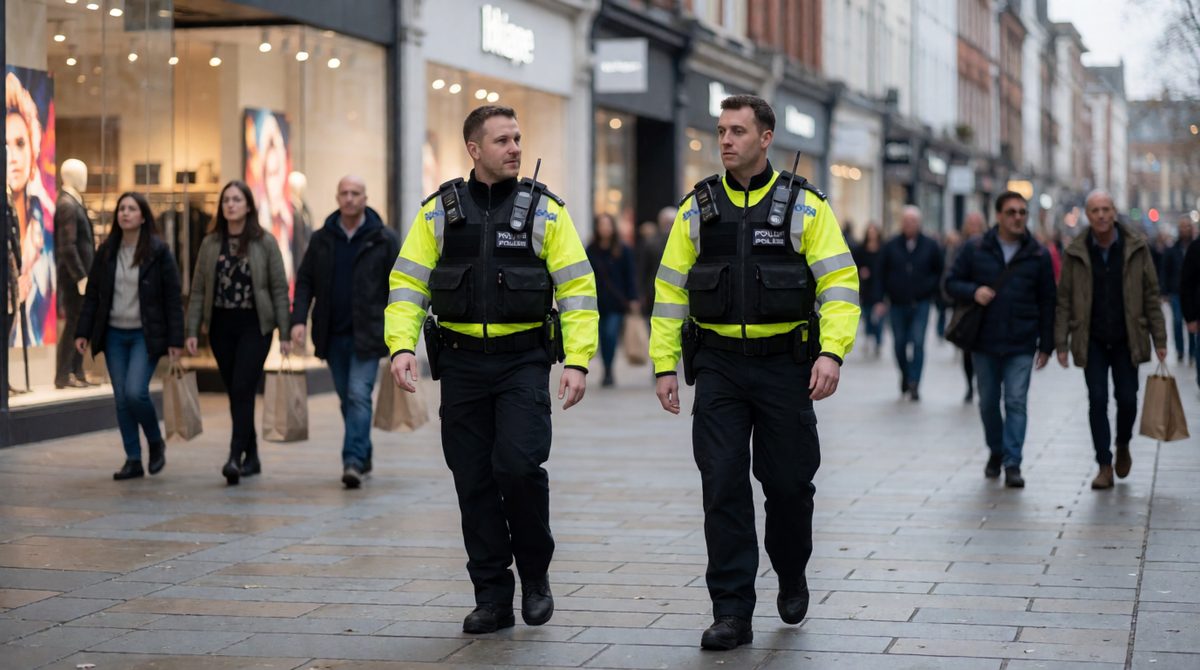
Police officers are one of the five agencies of formal social control, enforcing laws written by the government
The government makes the laws and decides how they are paid for and enforced. It is the top agency because all the others work under its rules. Its laws only work well when most people accept them as fair.
The police investigate crime, keep order and arrest people who break the law. They are effective when people trust them and report crimes. They cannot be everywhere, and many crimes are never seen or reported.
Courts decide whether a person has broken the law and what the punishment should be. Their power is real because their decisions must be followed. They can only deal with cases that reach them, and they can be slow.
The penal system is prisons and the other bodies that carry out punishments. It protects the public by holding offenders. Its effectiveness is debated, because many prisoners offend again after release.
The armed forces mainly defend a country from outside threats. In some societies they are also used to keep order inside the country, for example in an emergency or under a military government. This can be very effective, but it can also cause fear and resistance.
An agency is effective if people conform because of it. The best control comes from agencies that people see as legitimate, which means fair and having the right to make and enforce rules, not just powerful.
Governments write laws that set out what is allowed and what is not. A law is only a rule on paper until it is enforced.
Force or the threat of force makes people obey. It works quickly, but it is costly and can make people angry.
Cameras, online tracking and records make people think they might be seen. This can put people off breaking rules.
The police take a suspect and hold them under official control. It stops the behaviour at once and shows others that rules are enforced.
A court decides the punishment for someone found guilty. A fair sentence tells everyone that the law is taken seriously.
The offender is held away from society. It removes the danger for a time but does not always change behaviour.
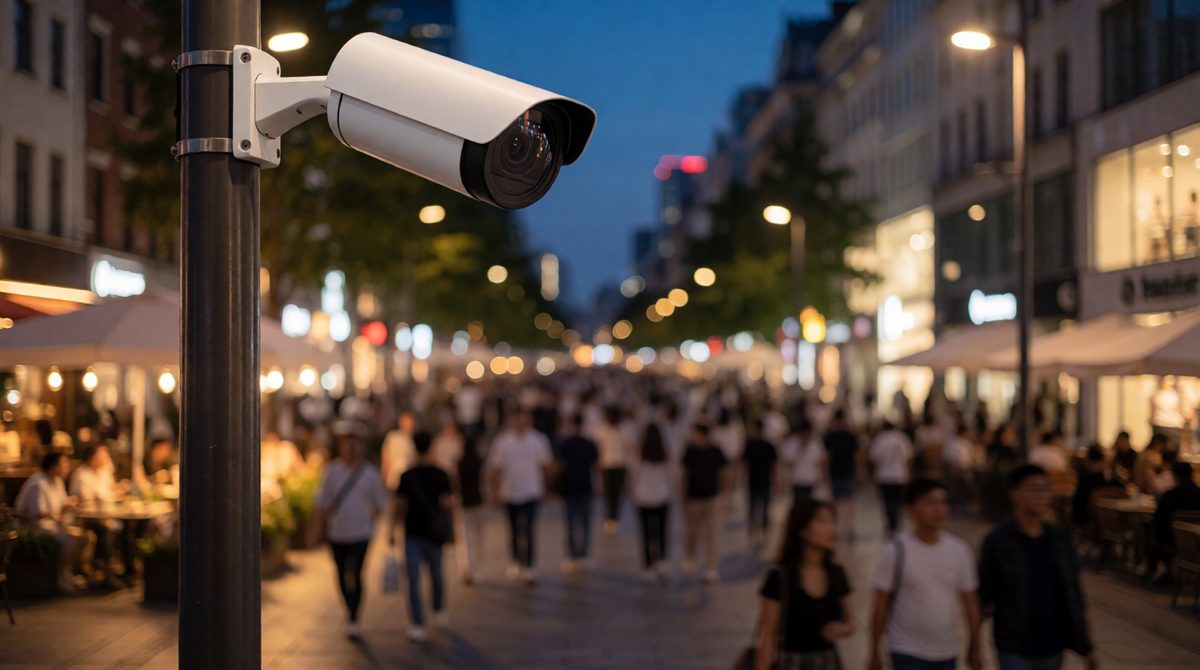
Cameras can't watch everyone all the time - one reason formal control has its limits
Formal control has real strengths. Laws are clear and written down, so people know the rules. Punishments are applied to everyone in the same way, at least in theory. Powerful agencies can stop serious harm quickly.
It also has limits. Agencies cannot watch everyone all the time, so people may break rules if they think they will not be caught. Control that depends on force can create resentment, and people may resist it. Trust matters too. In some societies people have little faith in the police or courts, so they may avoid reporting crimes or may settle disputes themselves.
Different societies use these agencies in different ways. In the UK, most police officers do not routinely carry firearms and rely on the public's cooperation, while in some other societies police are armed and use more coercion. In India, the army is often called in to help during floods and other emergencies, while under a military government the armed forces may control society directly. In some societies courts are independent and trusted to apply the law fairly; in others the government can overrule them. Sociologists therefore ask whether people obey because they accept the rules or only because they are afraid.
Take digital surveillance. Point: cameras and online monitoring can discourage rule-breaking because people feel watched. Evidence: a driver is more likely to keep to the speed limit near a speed camera. Evaluation: the effect may stop when the camera is out of sight, and some people see constant watching as an invasion of privacy.
Do not say the police and the courts do the same job. The police arrest, the courts sentence. Do not write that the penal system only means prison: it covers the whole system for carrying out punishments. Always add an evaluation, such as whether people conform because of fear or because they accept the rule.
(a) Define the term coercion. [2 marks]
(b) Give two examples of agencies of formal social control. [2 marks]
(c) Explain three methods that formal agencies use to achieve social conformity. [6 marks]
(a) Using force or the threat of force (1) to make people obey. (1)
(b) Any two from: government, police, courts, penal system, armed forces. (1) (1)
(c) Law-making: the government writes laws so that everyone knows which behaviour is not allowed. (2) Arrest: the police take suspects and hold them under official control, which stops the behaviour and warns others that rules are enforced. (2) Sentencing: courts decide the punishment for someone found guilty, which discourages the offender and others from breaking the law again. (2)
In part (c) each method needs a name plus an explanation of how it makes people conform. Naming three methods alone will not earn the full six marks.