🤝 Finding community
People who feel alone in their town can find others like them. A teenager with a rare illness, or an unusual hobby, can join a virtual community and feel understood. This can strengthen their sense of belonging.
Sign up to access the complete lesson and track your progress!
Unlock This CourseThe last two lessons looked at age, gender, ethnicity and social class. Today's lesson adds a newer influence on social identity: the internet. Many people now spend part of every day online. There they write profiles, share photos, join groups and chat. All of this adds up to a version of who they are.
Key terms:
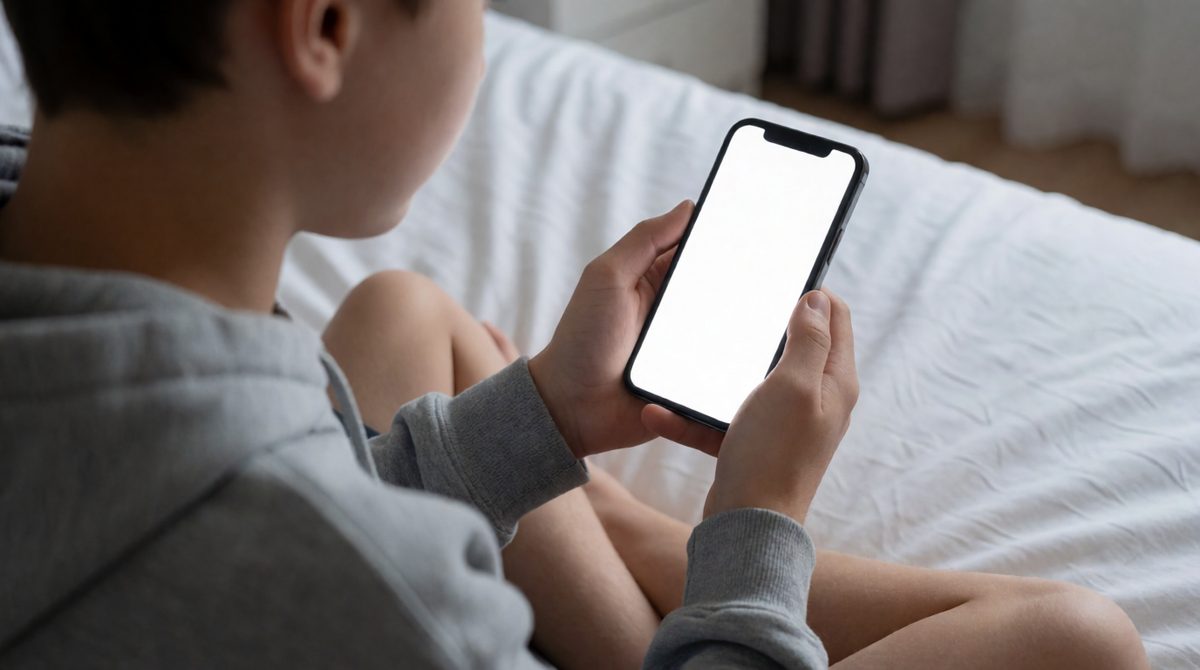
Picking the perfect profile picture - online we control far more of the identity other people see
Online, people make choices about who they show. They pick a name, a profile picture, what to write and which photos to post. Offline, other people see us as we are in the moment. Online, we have much more control, and what we post can stay there for a long time and be seen by many people.
Sociologists are interested in how this affects identity. Our identity has always been shaped by other people, as earlier lessons showed. Social networks, social media and virtual communities are new places where this happens. The impact can be positive and negative.
People who feel alone in their town can find others like them. A teenager with a rare illness, or an unusual hobby, can join a virtual community and feel understood. This can strengthen their sense of belonging.
Online, people can try out ideas, interests and opinions with less risk. Someone who is shy in person may feel more confident writing, so they can show a side of themselves that others do not usually see.
Social networks help people keep links with relatives and friends in other countries. This helps migrants and families who live far apart to keep a shared culture and identity.
Social media gives ordinary people a way to share their views and creativity with a wide audience. This can build confidence, and it can help people from small or less visible groups feel seen.

Behind the filtered selfie: the edited self can create pressure to keep up a polished image
Many people post only their best moments and use filters and editing. The online self can become a polished version that is not the whole truth. People may feel pressure to keep up this image, which can be tiring and make them feel they are not good enough as they really are.
When people see the edited lives of others, they may compare themselves and feel worse about their looks, lifestyle or success. This can lower self-esteem, especially for young people whose identity is still developing.
Hurtful messages, rumours and humiliating posts can damage how people see themselves. It can follow a person into their home, because they can be reached at any time, and others may be able to see it or join in.
Online groups can have strong unwritten rules about what to wear, think or say. People who do not fit may be criticised or left out. Some may change their identity to be accepted, which links back to peer pressure.
A further negative is that virtual communities do not always give a fair picture. People can pretend to be someone else, so it can be hard to know who a person really is.
The digital self is another side of a person, just as we behave differently with friends and with teachers. Time spent online can also affect how people feel about themselves offline. For many young people the digital self is now part of their social identity.
Remember that the impact is not the same for everyone. It depends on how much time people spend online, who they connect with, their age and how they use it. The same platform can help one person and hurt another.
Question: Explain one negative impact of social media on a person's identity. Answer: Social media can lead to comparison. A teenager may see friends posting edited photos of holidays and parties, so they may feel their own life is boring. This can lower their self-esteem and make them feel unhappy about who they are.
Do not write only that social media is "bad". Cambridge expects both positive and negative impacts, linked to identity. Do not describe cyber crime such as fraud here, because it is taught later. And do not say all young people are affected in the same way.
(a) Define the term virtual community. [2 marks]
(b) Give two examples of ways in which social media can affect a person's identity. [2 marks]
(c) Explain three ways in which social networks and social media can have a negative impact on identity. [6 marks]
(a) A group of people who interact mainly online (1) because they share an interest, a problem or a background. (1)
(b) Any two from: finding a community or sense of belonging; presenting an edited self; comparing yourself with others; being cyberbullied; having a voice. (1) (1)
(c) Edited self: people often post only their best moments, so they may feel pressure to keep up an image that is not the real them. (2) Comparison: seeing the edited lives of others may make people compare themselves, so they may feel worse about how they look or live. (2) Cyberbullying: hurtful messages can reach a person at any time, so it can damage their self-esteem and how they see themselves. (2)
For "negative impact" questions, always finish each point with what happens to the person's identity or self-image, such as lower self-esteem or pressure to change. That link to identity is what earns the development mark.