🔒 Given identity
Fixed by birth and background. Your family, class and community tell you who you are and what you will do.
Sign up to access the complete lesson and track your progress!
Unlock This Course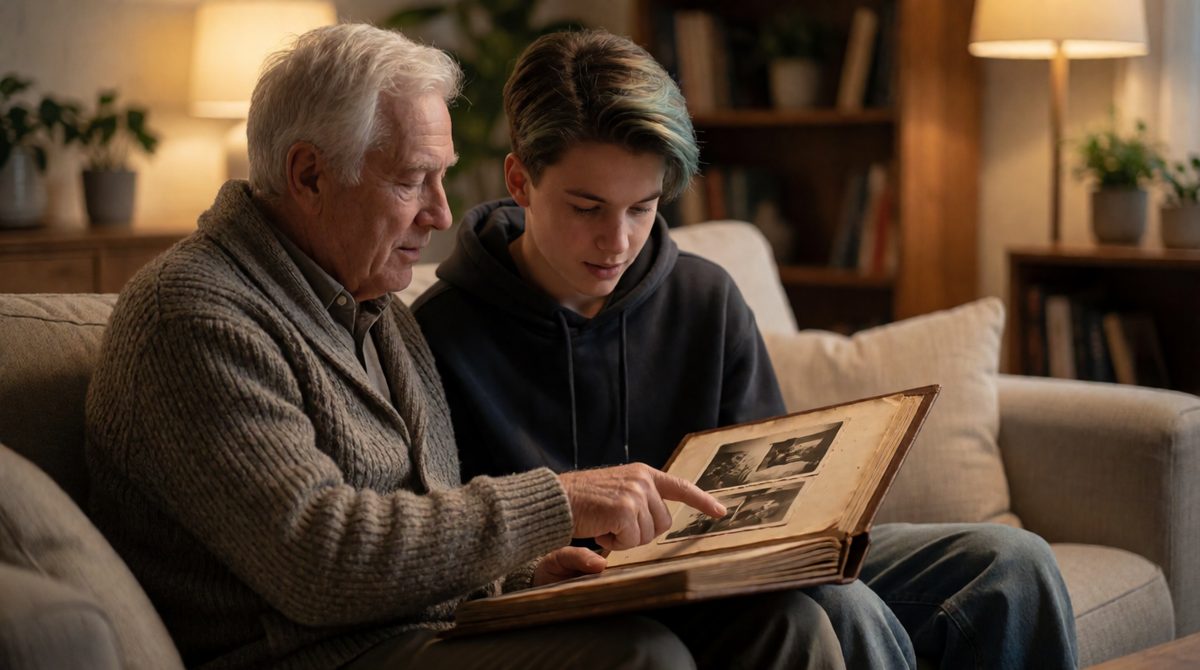
Grandparents' roles were often given at birth; postmodernists say young people today choose their identity
Think of your grandparents' generation. In many societies, a person's job, religion, home town and role in life were mostly decided by the family they were born into. Now think of a young person today who can change their look, their friends, their hobbies and even their online name in a single afternoon. Has identity moved from something we are given to something we choose? That is the big question in this lesson.
Key terms:
Postmodernists argue that we now live in a very different kind of society. Traditional guides such as class, religion and the local community matter less than they once did. Meanwhile, the media, global brands and technology give people a huge range of styles and beliefs to pick from.
Fixed by birth and background. Your family, class and community tell you who you are and what you will do.
Built by you. You can try things out, change your mind and become someone different over time.
On this view, identity is never finished. People can keep changing who they are, and no single identity is more "real" than another. Two main ideas support this view: digital identities, and identities linked to consumption and lifestyle.
Earlier in the course you studied the digital self in general (see the lesson on The Digital Self and Online Identities). Here we look at it only through the postmodernist lens.
Postmodernists see this as strong evidence that identity can be chosen and changed. The same person might be a fan of a band, a member of a gaming team and a sports supporter, all at once and all by choice.
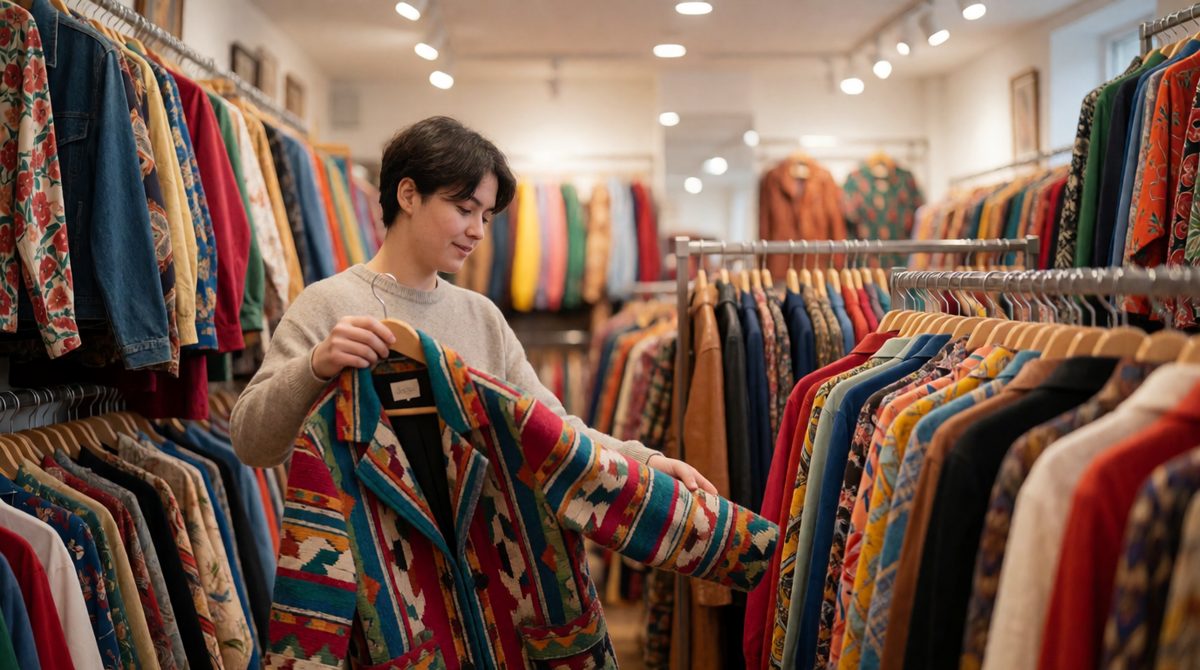
Pick and mix society: postmodernists say we build identity by choosing styles, like sweets from a counter
Postmodernists say that in modern societies, what we buy and the way we live help to make us who we are. This is called a pick and mix society, like choosing sweets from a counter. People can pick the parts they like from many different cultures, styles and beliefs, and mix them into an identity of their own.
Question: Explain one way in which consumption may help to shape a person's identity. Answer: People often choose clothes, music and other goods that show the kind of person they want to be. For example, a student who buys outdoor clothing and goes hiking may be seen by others, and see themselves, as an adventurous person. This shows identity being chosen through lifestyle rather than given by birth.
Many sociologists say the postmodernist view goes too far. Choice is not equal for everyone, and some parts of identity are still given.
Choosing a lifestyle often costs money. People with little income cannot afford many brands, hobbies or travel, so their pick and mix menu is smaller.
Class background affects the education, contacts and tastes a person grows up with, which shape what choices they think are open to them.
Expectations about how men and women should behave can still limit what people feel able to choose, or how others react to their choices.
Others may still label a person by their ethnicity, and racism or stereotypes can limit the identities they are allowed to take up, whatever they choose.
Other criticisms are worth remembering:
A balanced view is that people today have more choice than in the past, but the choice is shaped and limited by their position in society.
Do not say that postmodernists think identity is given by society. They say it is chosen. Do not describe the whole digital self lesson again. Link digital identities to the idea of choice. And always include criticisms in a longer answer: money, class, gender and ethnicity still limit choice. Do not say that postmodernism is simply wrong. It shows real changes, but it overstates how free people are.
(a) Define the term postmodernism. [2 marks]
(b) Give two examples of how a person's identity may be linked to their lifestyle. [2 marks]
(c) Explain three reasons why some sociologists criticise the view that identity is chosen. [6 marks]
(a) The view that modern societies have changed so much through media, technology and globalisation (1) that old fixed roles no longer decide who we are, so identity is chosen and can change. (1)
(b) Any two from: choosing clothes or music that show a style; following a diet such as veganism; taking up a hobby such as cycling and sharing it online; buying brands that fit an image. (1) (1)
(c) Money: choosing a lifestyle costs money, so people on low incomes have fewer options. (2) Social class: class background shapes the tastes and opportunities a person grows up with, so their choices are limited. (2) Other people: ethnicity and gender stereotypes mean others may label a person whatever identity they choose, so identity is not fully free. (2)
In a "three reasons" question, make three different criticisms and add a "so" or "because" link to the idea of choice. For example, "money limits lifestyle, so choice is not equal" earns the second mark.