Inequality as a product of capitalism
The last lesson, Labelling Theory and Inequality, explained inequality through the labels people give each other. Marxism looks somewhere much bigger: the way a whole economy is organised. Remember, Marxists see society as divided into the bourgeoisie, who own businesses and land, and the proletariat, who have only their ability to work. It is a conflict approach, because the two classes want different things.
For Marxists, inequality is not an accident and it is not fair. It is built into capitalism. The people at the top gain because the people below them lose. Four ideas explain how this works.
Key terms:
- Exploitation: using the work of others to make a profit for yourself while paying them less than the value of what they produce.
- Ideological control: using ideas, beliefs and messages to persuade people that an unequal society is natural, fair or unchangeable.
- Poverty trap: a situation in which people on low incomes find it very hard to escape poverty because their circumstances keep pulling them back.
- Reserve army of labour: a pool of people without regular work, such as the unemployed, who can be hired when businesses need more workers and let go when they do not.
Exploitation of the proletariat
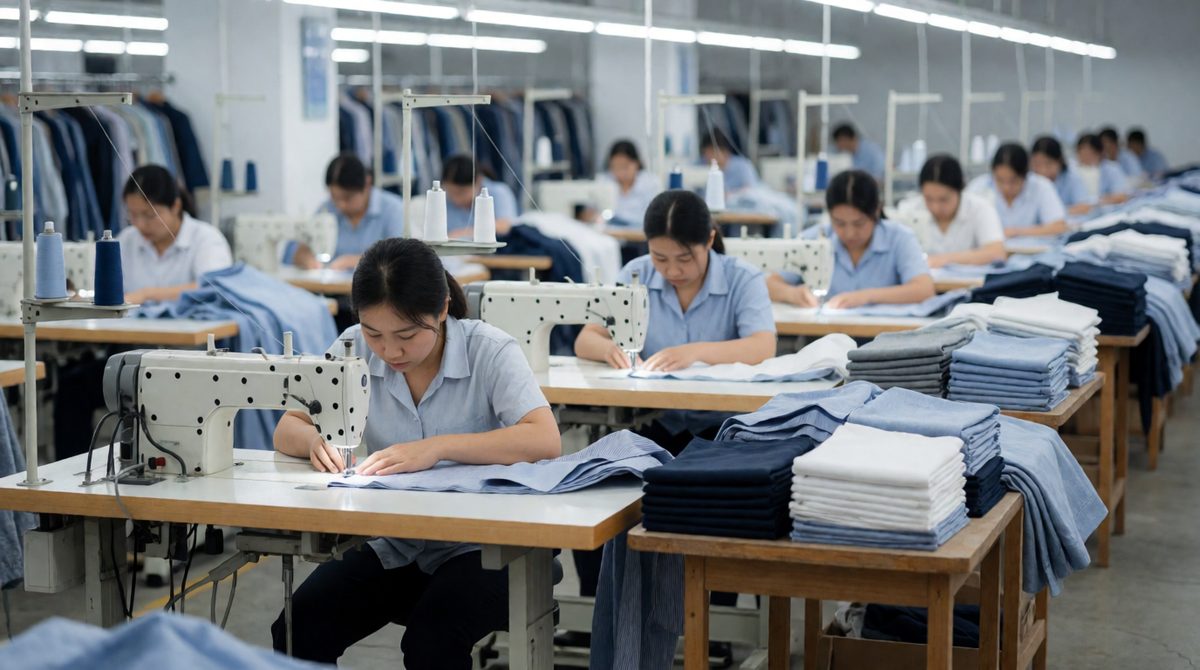
The workers sew the shirts, the owner keeps the profit - Marxists call this exploitation of the proletariat
Marxists say that workers create wealth, but owners keep most of it. A clothing factory owner sells shirts for more than it costs to make them. The difference is profit. The workers who made the shirts are paid only enough to live on, so the owner gets richer while the workers stay poor. This is exploitation.
Worked example
A factory worker sews shirts that sell for a total of 100 units in a day. The worker is paid 30 units. Materials and running costs take some of the rest, and what is left is the owner's profit. Marxists argue that the more the owner takes in profit and the less is paid in wages, the bigger the gap between the two classes grows.
Marxists add that the bourgeoisie also control the main sources of power, such as industry, land and often the media. Inequality in wealth therefore becomes inequality in power.
Ideological control
If exploitation is so unfair, why do workers put up with it? Marxists answer that the ruling class controls the ideas in society as well as the money. Ideological control works through agencies such as education, the media and religion.
🏫 Education
Pupils may learn that success comes from effort alone, so those who fail blame themselves, not the system.
📺 Media
Wealth is often shown as glamorous and deserved, while people on low incomes may be shown as lazy or to blame.
🙏 Religion
Marxists argue that some beliefs teach people to accept their position and wait for reward later rather than challenge it.
Marxists say this is why many workers do not rebel. They have been taught to see inequality as normal. They have been taught to see inequality as normal, so they do not challenge it.
The poverty trap
The poverty trap shows how inequality repeats itself. Someone on a low wage may not be able to afford good housing, training or healthy food. Poor housing and poor health make it harder to keep a job. A weak position at work means a low wage again. The cycle continues from one generation to the next, because children in poor families start with fewer chances.
Example
A worker is offered a better-paid job in another city, but cannot afford the travel costs, the deposit on a flat or the time away from a low-paid job. They stay, and their income does not rise. In some systems, earning a little more can even mean losing support, so working harder leaves a family no better off.
Marxists argue that this is not about poor people's choices. It is the result of an economy that needs some people to stay low paid.
The reserve army of labour
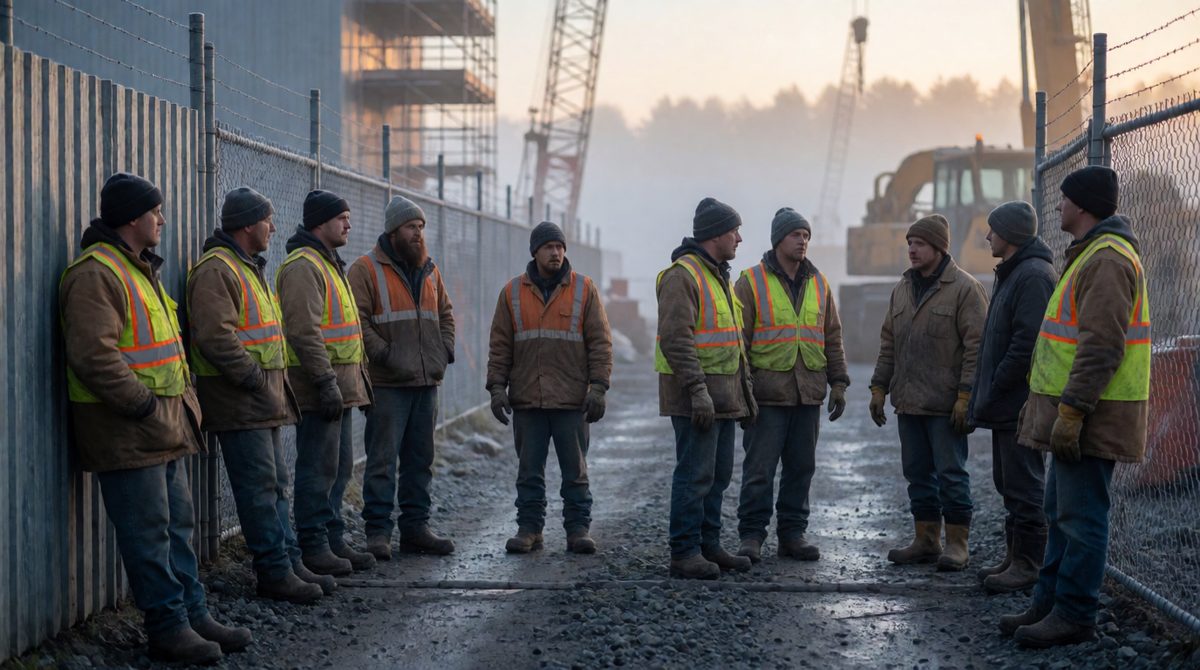
Hoping for a day's work - Marxists say this pool of spare workers, the reserve army of labour, keeps wages low
Marxists say capitalism needs a reserve army of labour. When the economy is booming, businesses need more workers and hire from this pool. When the economy slows, they let those workers go again.
This benefits owners in two ways. First, they can find workers quickly and cheaply. Second, because there are always people looking for work, those in jobs are afraid to ask for higher pay or better conditions. They know they could be replaced.
Strengths and limitations
✅ Strengths
- It explains why inequality in wealth and power lasts across generations.
- It links inequality to the way work and the economy are organised, not only to individuals.
- It shows how ideas, as well as money, keep people in place.
- It helps explain why unemployment and low pay do not disappear.
❌ Limitations
- It plays down other inequalities, such as gender and ethnicity, by focusing so much on class.
- It treats workers as victims who are easily fooled, when many do challenge the system, for example through trade unions.
- Some people from poor backgrounds do achieve upward mobility, which is hard to explain if the system is fixed.
- Critics say it ignores the way living standards have risen for many workers in capitalist societies.
Common mistakes
Students often say Marxists blame poor people. They do the opposite: they blame the system. Another mistake is to describe exploitation as "bosses being rude". Exploitation is about profit made from workers' labour. Finally, do not simply list the four terms. Each one needs a short explanation of how it keeps inequality going.
Exam-style question
Answer both parts.
(a) Define the term 'reserve army of labour'. [2 marks]
(b) Explain three ways in which Marxists say inequality is kept going in capitalist societies. [6 marks]
Model answer
(a) A group of people without regular work, such as the unemployed (1), who can be hired when businesses need workers and let go when they do not (1).
(b) First, exploitation: owners keep the profit made by workers' labour while paying wages that are lower than the value produced, so wealth flows to the bourgeoisie (2). Second, ideological control: agencies such as education and the media teach people that inequality is fair or natural, so the proletariat accept their position and do not challenge it (2). Third, the poverty trap: people on low incomes cannot afford the housing, training or health needed to move up, so poverty passes from one generation to the next (2).
Exam tip
For an "explain three" question, give three different points and put one developed explanation under each. Do not name the term and stop. Say how it keeps people unequal.