🍲 Reducing poverty
Providing food, clean water and emergency help after disasters, and helping communities earn a steady living.
Sign up to access the complete lesson and track your progress!
Unlock This CourseGovernments use laws, taxes and welfare to reduce inequality inside their own country. But inequality is also global: people in some parts of the world have far fewer life chances than people in others. Some of the work to reduce these gaps is done by organisations that are not part of any government.
These organisations are called NGOs. They often work in many countries at once, and they step in where a government cannot, or does not, provide enough help.
Key terms:
NGOs get their money mainly from donations from the public, from fundraising, from businesses and from grants. Many also use volunteers. Some receive grants from governments, but they still make their own decisions.
The spec names four main areas of work. Many NGOs do more than one of them.
Providing food, clean water and emergency help after disasters, and helping communities earn a steady living.
Running clinics, treating disease and sending doctors and nurses to places with few health services.
Giving small loans and training so that people can start or grow a small business.
Building schools, training teachers, supplying books and helping children, especially girls, to stay in school.
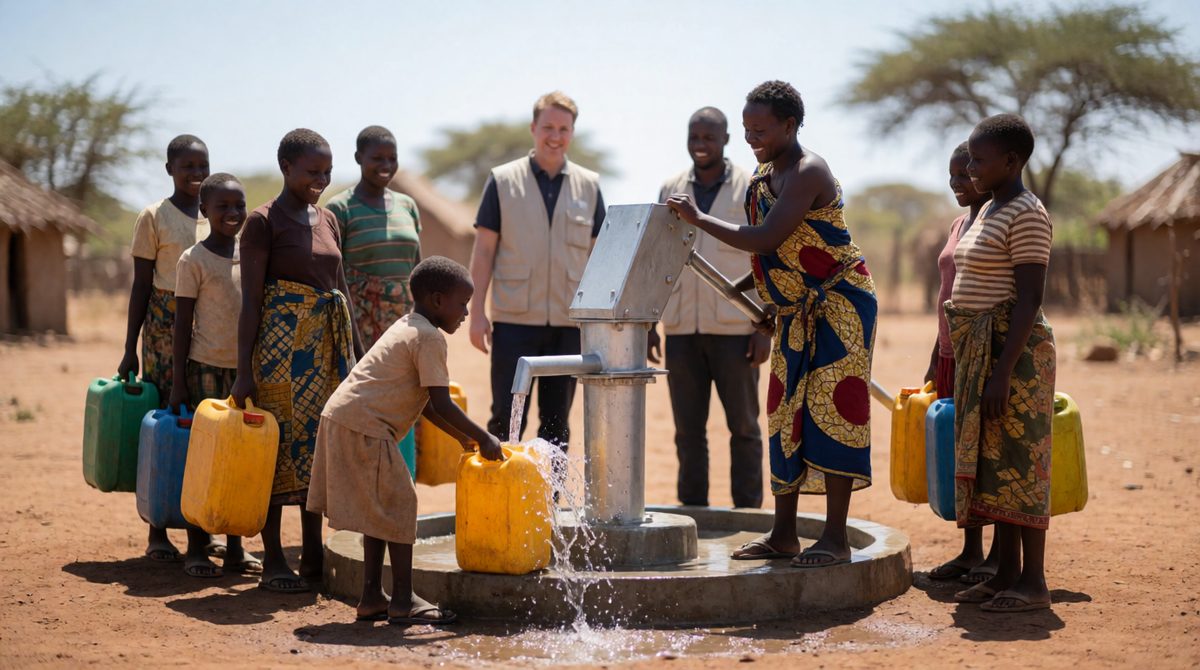
NGOs like this one fight poverty by bringing clean water straight to communities that need it
Poverty is at the heart of global inequality. Many NGOs give emergency help when people face famine, floods or war. Others work for the long term, for example by helping farmers to grow more food or by supplying clean water.
Oxfam is a well-known example. It began in Oxford in 1942 as the Oxford Committee for Famine Relief. Today it works in many countries on emergency aid, clean water and helping people to earn a living. It also campaigns, which means it tries to persuade governments and companies to make fairer decisions.
Life chances depend on health, and people in poorer countries often live a long way from a hospital. NGOs fill some of these gaps.
Médecins Sans Frontières (also called Doctors Without Borders, or MSF) was set up in France in 1971 by a group of doctors and journalists. It sends medical teams to places affected by war, disease outbreaks and natural disasters, and it treats people whatever their nationality or beliefs. It was awarded the Nobel Peace Prize in 1999.
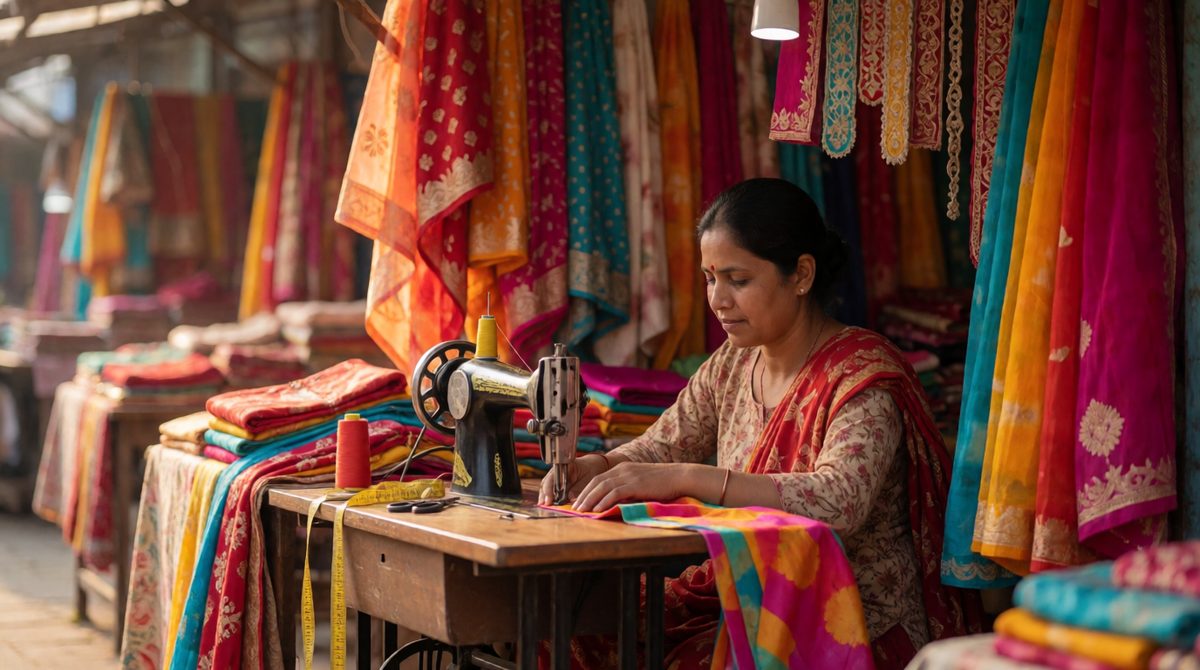
A small microfinance loan bought this sewing machine - now she can run her own business and earn her way out of poverty
Ordinary banks usually will not lend to people who have no savings, no property and no regular wage. Without a loan, a person cannot buy a sewing machine, a cow or a market stall. Without those, it is hard to escape poverty.
Microfinance solves this by offering very small loans. A woman might borrow a small sum to buy materials for baking bread, sell the bread, and repay the loan in small steps. She then has a regular income of her own.
Education improves a person's chances of getting a well-paid job and of staying healthy. In some countries, many children, and especially girls, cannot go to school because of poverty, distance or war. NGOs help by building schools, training teachers and paying for books and fees.
Question: Explain how an NGO such as BRAC might reduce inequality.
Answer: BRAC offers small loans to people who cannot borrow from an ordinary bank. This lets a poor family start a small business, which gives them a regular income. A higher income improves the family's life chances, for example by letting them afford food, health care and school fees. This reduces the gap between them and wealthier people.
1. Saying an NGO is part of the government. It is independent of government.
2. Describing an NGO only as "a charity that gives money". Many NGOs also run clinics, schools and loans, and they campaign.
3. Naming an NGO but not saying what it actually does. Always link the NGO to an area of work, such as medical help or education.
4. Forgetting to say how the work reduces inequality, for example by raising income or improving health.
(a) Define the term non-governmental organisation (NGO). [2 marks]
(b) Give two examples of areas of work in which NGOs try to reduce global inequalities. [2 marks]
(c) Explain three ways in which NGOs reduce inequalities between rich and poor societies. [6 marks]
(a) An NGO is an organisation that is independent of government (1) and is not run for profit, but aims to help people or campaign for a cause (1).
(b) Providing medical assistance (1). Improving education (1). (Reducing poverty or promoting business would also gain the mark.)
(c) Any three developed points, for example:
Medical assistance: NGOs such as Médecins Sans Frontières send doctors to war zones and disease outbreaks (1). This helps people who have no other access to health care and so improves their life expectancy (1).
Promoting business: NGOs such as Kiva and BRAC give small loans to people who cannot borrow from banks (1). The borrowers can start a business and earn a regular income, which reduces poverty (1).
Improving education: NGOs such as the Malala Fund help girls to go to school (1). Better qualifications give them more chances of a well-paid job and reduce the gap in life chances (1).
In a "three ways" question, give three different areas of work and, for each one, add a second sentence that explains how it reduces inequality. A named NGO in each answer shows real knowledge.