🏠 Unpaid work for men
Women often cook, clean and care for children and relatives for no wages. Men gain from this free work, which leaves them more time and energy for paid work and leisure.
Sign up to access the complete lesson and track your progress!
Unlock This Course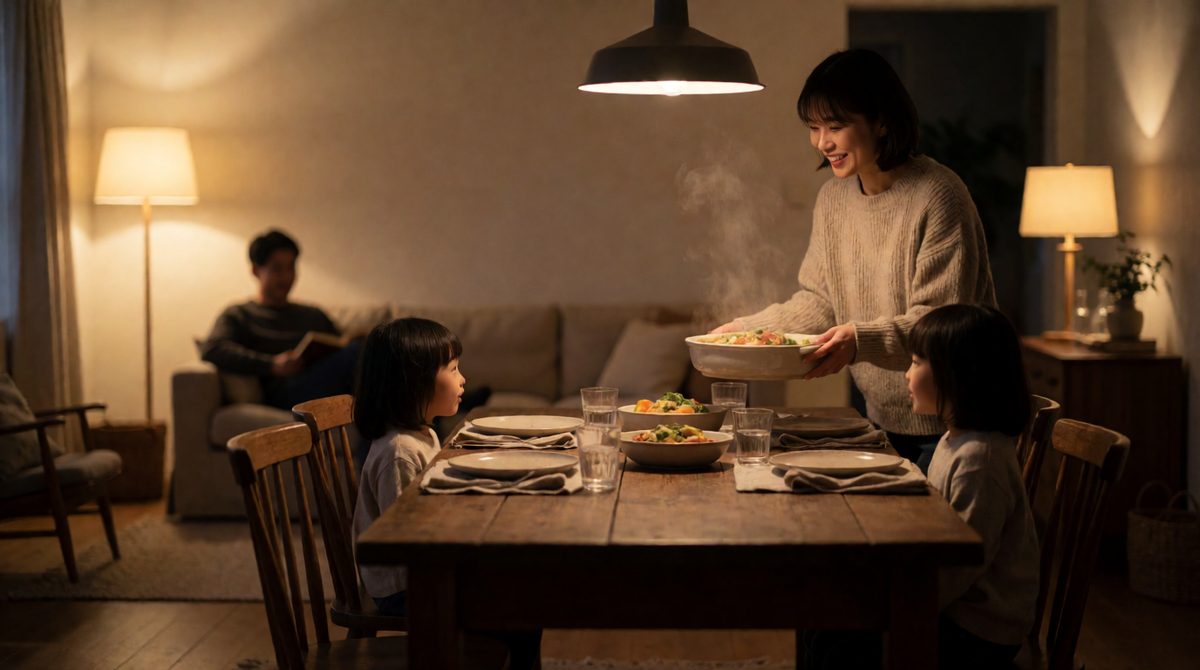
Who cooked, who's relaxing? Feminists ask who gains and who loses inside the family, arguing society is patriarchal
Remember, feminists argue that society is patriarchal, which means men hold more power than women. Functionalists say the family is good for everyone, and Marxists say it mainly helps capitalism. Feminists ask a different question: who gains, and who loses, inside the family?
Their answer is that the family often benefits men and male power, and that women pay the price. They look closely at what goes on inside the home, such as who does the housework, who makes the decisions and who holds the power.
Key terms:
Feminists say the family is a place where male power is kept going. It does this in several ways.
Women often cook, clean and care for children and relatives for no wages. Men gain from this free work, which leaves them more time and energy for paid work and leisure.
Men may hold more of the power and control more of the money and the big decisions, so women can end up dependent on them.
Feminists also say the family passes patriarchy on to the next generation. Children learn from what they see at home that men and women have different jobs and different amounts of power.
There are different kinds of feminist, and they do not all agree. Some say the family can change through equal rights laws, while others say patriarchy must be challenged much more deeply.
In many societies, women do more of the housework and childcare than men, even when both partners have paid jobs. Feminists say this is unfair and it is a sign of male power in the home.
Oakley studied housework in the 1970s. She argued that housework is real work, and that it was often boring, repetitive and lonely. Many of the housewives she studied were dissatisfied with it. She also said the housewife role was seen as natural for women, when it is actually learned.
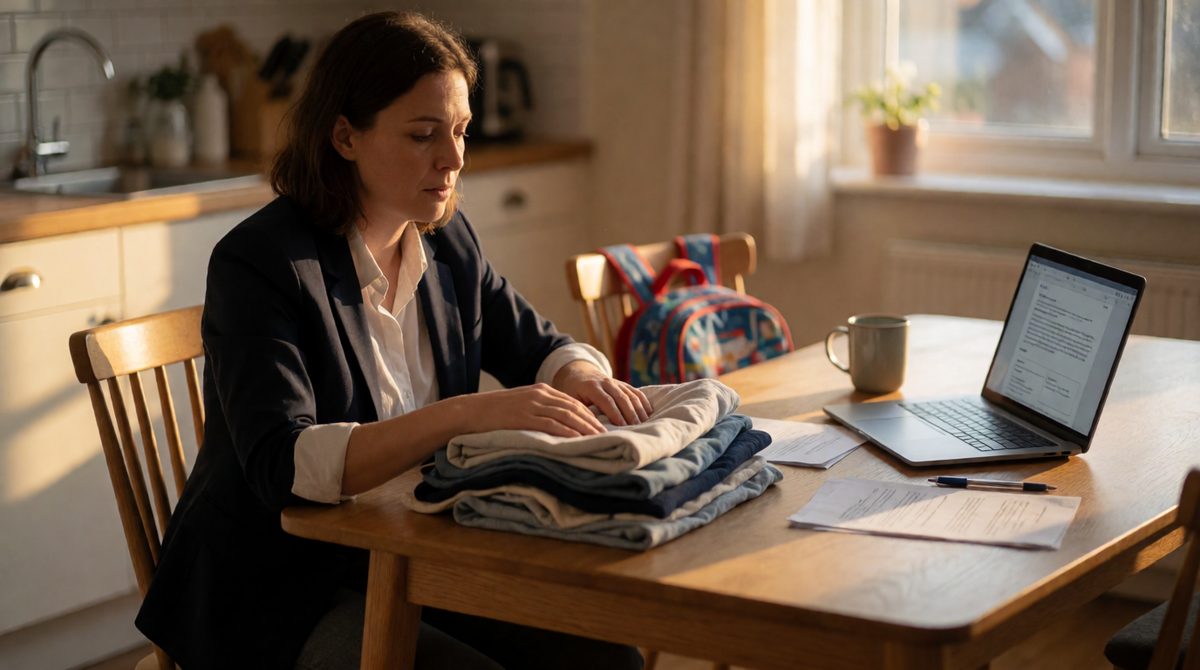
Laptop in one hand, laundry in the other: the dual burden means a paid job plus unpaid housework
When more women went out to work, many still did most of the housework and childcare at home. Feminists call this the dual burden: two jobs, one paid and one unpaid.
Duncombe and Marsden argued that many women also do a triple shift. As well as paid work and housework, they do emotion work: comforting and supporting partners and children, and keeping family relationships healthy. This work is almost invisible and unpaid. They argued that emotion work is mostly done by women and is rarely recognised as work.
Feminists compare segregated and joint conjugal roles to see how equal a relationship really is.
The man is the breadwinner and the woman does the housework and childcare. Each has separate tasks and often separate leisure. Feminists say this makes women dependent on men.
Partners share tasks and spend leisure time together. This looks more equal, but feminists ask whether women still end up doing the most.
Decision-making is another sign of power. Feminists argue that in many couples, men make the important decisions, such as where to live, how to spend money and whether to move for a job. Women may make the smaller daily decisions. Control of money matters, because the person who controls it usually holds more power. In some societies, women have far fewer rights to take decisions than men.
This is a serious subject, and sociologists treat it calmly and factually. Domestic violence and abuse means violence or abuse, physical or emotional, that happens between people in the home or in a close relationship.
Feminists argue that:
Domestic crime is covered in a later lesson, so here the focus is on what feminists say it shows about power in the family.
Remember, canalisation means steering children towards activities seen as suitable for their gender. Oakley argued that families do this from birth, for example by choosing different toys, clothes and chores for girls and boys. Girls may be encouraged to help with housework and care, while boys may be encouraged to be active and independent.
Feminists say this prepares girls for the role of carer and housewife and boys for the role of breadwinner, so the family reproduces patriarchy in each generation.
Saying feminists think all men are bad or all families are the same. They criticise a system of male power, not every individual. Mixing up the dual burden (paid work plus housework) with the triple shift (which adds emotion work). Mixing up joint roles (shared) with segregated roles (separate).
(a) Define the term dual burden. [2 marks]
(b) Give two examples of unpaid work done in the home. [2 marks]
(c) Explain three ways in which feminists say the family benefits men. [6 marks]
(a) Doing paid work outside the home (1) as well as most of the housework and childcare at home (1).
(b) Any two of: cooking meals (1); cleaning (1); looking after children (1); caring for elderly relatives (1).
(c) First, women often do most of the housework and childcare for no pay, so men gain free work and have more time for paid work and leisure (2). Second, men may make the big decisions and control the money, so they hold more power in the home (2). Third, girls are socialised to expect the carer role and boys the breadwinner role, so patriarchy is passed on and men keep their advantage (2).
In part (c), each point needs a claim and a reason that says how men benefit. Write "so men gain because..." to turn a description into an explanation.