🌍 Habitat Loss: When Tourism Destroys Natural Spaces
One of the most serious negative impacts of tourism is habitat loss the permanent destruction of the natural environments that wildlife depends on. When a beautiful beach, forest or wetland is turned into a hotel complex, car park or airport, the animals and plants that lived there have nowhere to go. This isn't just bad for nature it can trigger a chain reaction that damages entire ecosystems.
Key Definitions:
- Habitat: The natural environment where a species lives, feeds and breeds.
- Habitat Loss: The destruction or degradation of a natural environment, making it unsuitable for the species that depend on it.
- Urbanisation for Tourism: The process of building hotels, roads, airports and tourist facilities on previously natural land.
- Coastal Development: Construction along coastlines, often destroying beaches, dunes, mangroves and coral reefs.
🏖 Direct Habitat Destruction
Building tourist infrastructure hotels, airports, roads, golf courses and theme parks physically removes natural habitats. Forests are cleared, wetlands are drained and sand dunes are flattened. Once destroyed, these habitats are extremely difficult or impossible to restore. A mangrove forest that took 50 years to grow can be cleared in days to build a beach resort.
🌊 Coastal Habitat Destruction
Coastal areas are among the most popular tourist destinations and the most vulnerable. Mangrove forests are cleared to give tourists sea views. Sand dunes are flattened for beach access. Seagrass beds are damaged by boat anchors. These coastal habitats are critical nurseries for fish and feeding grounds for sea turtles, dugongs and wading birds.
📍 How Tourism Infrastructure Fragments Habitats
Even when habitats aren't completely destroyed, tourism development can fragment them cutting them up into smaller, isolated patches. Roads built to carry tourists through forests act as barriers that animals cannot safely cross. This means populations become separated, reducing genetic diversity and making species more vulnerable to extinction.
🚗 Roads and Paths
Tourist roads slice through forests and grasslands, creating barriers for wildlife movement. Animals are also killed by vehicles a serious problem in places like the Florida Everglades.
🏛 Hotel Sprawl
Large resort complexes spread across coastal and inland areas, replacing diverse natural habitats with manicured lawns, swimming pools and concrete which support almost no wildlife.
✈ Airport Expansion
Airports require enormous flat areas of land. Expansion to meet tourist demand has destroyed wetlands, heathlands and farmland in many countries, including the UK.
🔍 Case Study: Coastal Development in Cancún, Mexico
Cancún on Mexico's Caribbean coast was a tiny fishing village in 1970. The Mexican government deliberately developed it into a mass tourism resort. Today it receives over 6 million tourists per year. The development destroyed vast areas of mangrove forest over 67% of Cancún's original mangroves have been lost. These mangroves were critical nurseries for fish, natural storm barriers and nesting sites for birds. The destruction has led to increased coastal erosion, reduced fish stocks and the loss of biodiversity. Coral reefs offshore have also been damaged by increased sedimentation and sewage from the resort.
💧 Resource Depletion: Tourism Using Up What Nature Provides
Tourism is incredibly resource-hungry. Tourists typically use far more water, energy and food than local residents. In destinations where these resources are already scarce particularly in hot, dry or island locations tourism can push natural systems to breaking point. Resource depletion means using up natural resources faster than they can be replaced.
Key Definitions:
- Resource Depletion: Using natural resources faster than they can be naturally replenished.
- Water Stress: When demand for water exceeds the available supply in a region.
- Non-renewable Resources: Resources that cannot be replaced once used, such as fossil fuels and minerals.
- Carrying Capacity: The maximum number of visitors an environment can support without being damaged.
💧 Water Depletion
Tourists use enormous amounts of water. A tourist in a luxury hotel can use up to 2,000 litres of water per day compared to around 150 litres for a typical local resident. Hotels need water for swimming pools, showers, laundry, golf courses and gardens. In water-scarce regions like the Mediterranean, the Canary Islands and parts of Africa, this puts enormous pressure on local water supplies, sometimes leaving local communities without enough water for drinking and farming.
⚡ Energy Consumption
Tourism is highly energy-intensive. Air conditioning in hotels, floodlit swimming pools, airport operations and the flights themselves all consume vast amounts of energy mostly from fossil fuels. Aviation alone accounts for around 2.5% of global CO₂ emissions, but its total climate impact (including contrails and other effects) is estimated to be much higher. In many tourist destinations, the local electricity grid struggles to cope with peak tourist season demand.
🌿 Land as a Depleted Resource
Land is a finite resource. Once it is built on for tourist development, it is effectively lost to nature for generations. In small island states and coastal nations, this is particularly serious. The Maldives, for example, has extremely limited land area yet large portions have been developed for tourist resorts, leaving little space for local food production, natural ecosystems or future generations.
🔍 Case Study: Water Depletion in Lanzarote, Canary Islands, Spain
Lanzarote is a volcanic island with very limited freshwater. It receives over 3 million tourists per year roughly 15 times its resident population of around 155,000. Tourism has placed enormous strain on the island's water resources. The island relies heavily on desalination plants (which convert seawater to drinking water) to meet demand but these are extremely energy-intensive and expensive to run. Local farmers have seen water prices rise dramatically, making agriculture less viable. Groundwater aquifers have been over-extracted, causing saltwater intrusion that permanently damages underground water supplies.
🗑 Litter and Waste: Tourism's Dirty Secret
Wherever tourists go in large numbers, waste follows. Litter is one of the most visible and damaging negative environmental impacts of tourism. It is not just unsightly it kills wildlife, pollutes water sources, spreads disease and can take hundreds of years to break down in the environment.
Key Definitions:
- Litter: Waste material left in an inappropriate place in the environment.
- Solid Waste: Physical rubbish including plastic, glass, food waste and packaging.
- Microplastics: Tiny fragments of plastic (less than 5mm) that form when larger plastics break down, entering food chains and water supplies.
- Waste Management: The systems used to collect, process and dispose of waste safely.
🌊 Litter in Natural Environments
Natural environments are particularly vulnerable to litter because they often lack the waste management infrastructure found in cities. Mountain trails, beaches, coral reefs and national parks all suffer from tourist litter. Plastic bags, bottles, food wrappers and cigarette butts are the most common culprits. Animals mistake plastic for food sea turtles eat plastic bags thinking they are jellyfish, seabirds feed plastic fragments to their chicks and fish ingest microplastics that accumulate up the food chain.
🏖 Beach Litter
Popular tourist beaches accumulate thousands of tonnes of waste during peak season. Plastic items are carried out to sea by tides, eventually breaking into microplastics that contaminate marine ecosystems for centuries.
🏔 Mountain Litter
High-altitude environments are extremely fragile. Litter decomposes very slowly in cold conditions. Mount Everest has been called the world's highest rubbish dump tonnes of abandoned equipment, oxygen cylinders and human waste litter its slopes.
🐈 Sewage and Liquid Waste
In areas without proper sewage systems, tourist numbers overwhelm local infrastructure. Untreated sewage enters rivers, lakes and coastal waters, causing algal blooms that deplete oxygen and kill aquatic life.
🔍 Case Study: Litter on Mount Everest, Nepal
Mount Everest receives thousands of climbers and trekkers each year. Over decades, the mountain has accumulated an estimated 50 tonnes of waste on its slopes including abandoned tents, ropes, oxygen cylinders, food packaging and human waste. At extreme altitude, decomposition is almost non-existent, meaning litter from expeditions decades ago is still present. Nepal has introduced rules requiring climbers to bring back at least 8kg of waste from the mountain, but enforcement is difficult. The Khumbu Glacier, which feeds rivers used by millions of people downstream, is contaminated with bacteria from human waste left by trekkers.
🚗 Congestion: Too Many Tourists in Too Small a Space
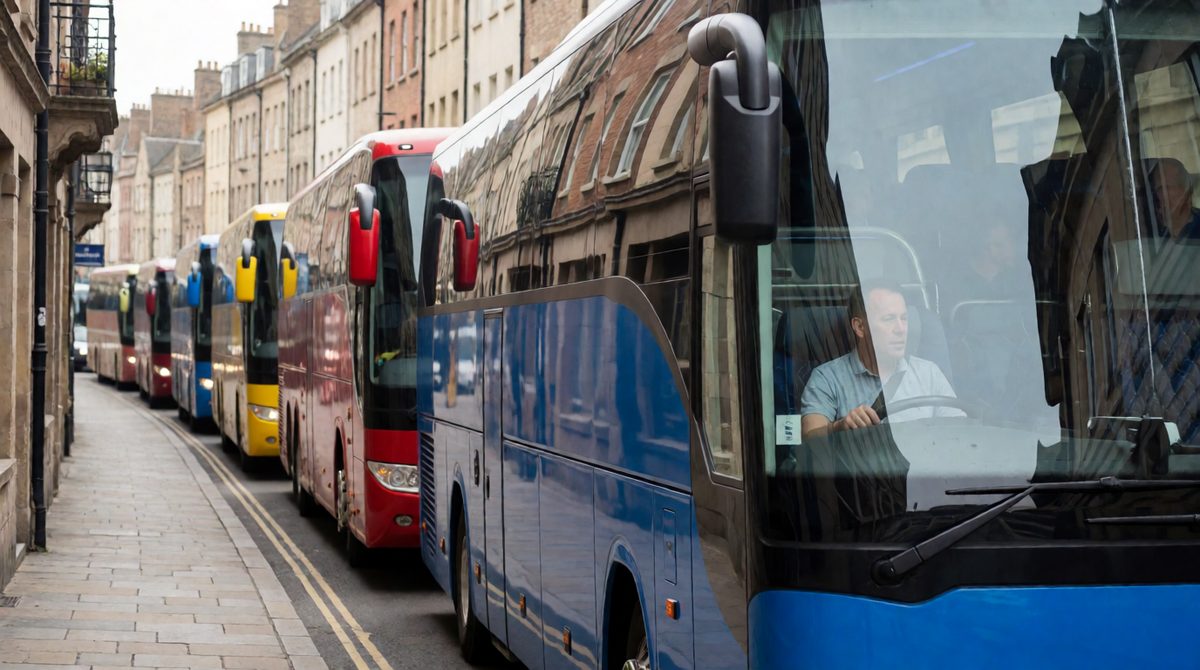
Too many tourists cause congestion
Congestion occurs when too many tourists visit a place at the same time, overwhelming the environment, infrastructure and local community. It is one of the defining problems of overtourism a term used to describe destinations where visitor numbers have exceeded what the environment and local community can sustainably support.
Key Definitions:
- Congestion: Overcrowding of a place, causing strain on infrastructure, the environment and local people.
- Overtourism: When the number of tourists exceeds the sustainable capacity of a destination.
- Traffic Congestion: The build-up of vehicles on roads, causing pollution, noise and delays.
- Honeypot Site: A place that attracts very large numbers of tourists due to its particular appeal, often leading to congestion and environmental damage.
🚗 Traffic and Vehicle Pollution
Tourist traffic creates serious congestion in popular destinations. Cars, coaches and tourist buses clog narrow roads in historic towns and national parks. This causes air pollution from exhaust fumes, noise pollution that disturbs wildlife and physical damage to verges and unpaved tracks. In national parks, vehicle congestion can prevent animals from moving freely across their habitat.
👥 Pedestrian Congestion
Even on foot, large numbers of tourists cause damage. Popular trails become severely eroded when thousands of boots trample the same path daily. Vegetation is killed, soil is compacted and exposed and paths widen as tourists walk around muddy sections. In fragile environments like moorlands, alpine meadows and coastal dunes, this erosion can take decades to recover.
🏭 How Congestion Damages the Environment
The environmental impacts of congestion go beyond what is immediately visible. When too many tourists visit a natural area, the cumulative pressure on the ecosystem builds up over time. Soil erosion leads to increased runoff into streams, raising sediment levels that damage aquatic habitats. Noise from crowds and vehicles disturbs nesting birds and nocturnal animals. The sheer presence of large numbers of people alters animal behaviour, forcing wildlife away from their preferred habitats.
🔍 Case Study: Overtourism in the Lake District, UK
The Lake District National Park in Cumbria is the UK's most visited national park, attracting around 19 million visitors per year. Popular sites like Scafell Pike (England's highest mountain) and the shores of Windermere suffer serious congestion problems. Footpath erosion on Scafell Pike is so severe that the National Trust spends hundreds of thousands of pounds each year on path restoration using stone flown in by helicopter. Car parks overflow onto grass verges, damaging vegetation. Local roads become gridlocked on summer weekends, with exhaust fumes affecting air quality in valleys. The sheer volume of visitors has led to calls for visitor management measures including timed entry systems and parking charges.
🌎 Seasonal Congestion: The Peak Season Problem
Many tourist destinations experience seasonal congestion where visitor numbers are manageable for most of the year but become overwhelming during peak season (usually summer in Europe, or school holidays). This creates a particular challenge because the environment must absorb intense pressure for a short period, with little time to recover before the next season begins. Beaches become overcrowded, wildlife is disturbed during critical breeding seasons and local water and waste systems are overwhelmed.
🔍 Case Study: Congestion at Maya Bay, Thailand
Maya Bay on Phi Phi Leh island in Thailand was made famous by the film The Beach (2000). Tourist numbers rocketed from a few hundred per day to over 5,000 visitors daily. The coral reefs in the bay were almost completely destroyed by boat anchors, sunscreen chemicals and physical contact from swimmers. The sand was compacted and eroded. In 2018, the Thai government took the dramatic step of completely closing Maya Bay to tourists indefinitely to allow the ecosystem to recover. After four years of closure, coral coverage began to recover and blacktip reef sharks returned to breed in the bay. The site has since reopened with strict visitor limits a powerful example of the damage congestion can cause and the difficulty of reversing it.
📈 Connecting the Impacts: How They Make Each Other Worse
It is important to understand that habitat loss, resource depletion, litter and congestion do not happen in isolation they interact and amplify each other. A new hotel built on a mangrove (habitat loss) requires large amounts of water (resource depletion), generates tonnes of waste (litter) and attracts thousands of visitors who clog local roads (congestion). Understanding these connections is essential for iGCSE exam answers.
🔗 Habitat Loss leads to...
Fewer natural areas to absorb tourist pressure, meaning remaining habitats suffer even more congestion and damage.
🔗 Resource Depletion leads to...
Local communities losing access to water and land, sometimes forcing them to clear more natural habitat to survive worsening habitat loss.
🔗 Litter and Congestion lead to...
Degraded environments that are less attractive to tourists, potentially causing economic decline but the environmental damage remains long after tourists stop coming.
💡 Exam Tip: Use Specific Examples
In your iGCSE exam, always try to support your points with named examples. Don't just say "tourism causes habitat loss" say "the development of Cancún, Mexico destroyed over 67% of the area's mangrove forests." Specific facts and place names earn you higher marks. Also remember to use the correct geographical terminology: habitat loss, resource depletion, congestion, carrying capacity, overtourism and honeypot sites are all key terms for this topic.
✍ Exam Tips: What You Need to Know
🎯 Key Points to Remember
- Habitat loss is the permanent destruction of natural environments for tourist development it is very difficult to reverse.
- Resource depletion is particularly serious in water-scarce destinations tourists use far more water per day than local residents.
- Litter kills wildlife, pollutes water and can persist in the environment for hundreds of years plastic is especially damaging.
- Congestion causes physical erosion, air pollution, noise disturbance and can push wildlife out of their habitats.
- These four impacts interact they make each other worse and should be discussed together in extended answers.
- Always use named case studies Cancún, Lanzarote, Mount Everest, the Lake District and Maya Bay are all excellent examples.
📝 Command Words to Watch For
- "Describe" explain what the impact is and what it looks like in practice.
- "Explain" give reasons why the impact occurs and what causes it.
- "Assess" weigh up how serious the impact is, using evidence.
- "To what extent" consider both sides and reach a judgement about how significant the impact is.
📚 Quick Summary: Habitat Loss, Resource Depletion, Litter and Congestion
🌍 Habitat Loss
Tourism development destroys forests, wetlands, mangroves and coastlines. Once lost, habitats are almost impossible to restore. Example: Cancún, Mexico.
💧 Resource Depletion
Tourists use far more water and energy than locals. In scarce regions, this causes serious problems for communities and ecosystems. Example: Lanzarote, Spain.
🗑 Litter and Waste
Tourist litter kills wildlife, pollutes water and damages landscapes. Plastic is especially persistent. Example: Mount Everest, Nepal.
🚗 Congestion
Too many tourists cause erosion, pollution and wildlife disturbance. Honeypot sites and peak seasons are worst affected. Examples: Lake District, UK; Maya Bay, Thailand.
📈 The Big Picture
All four impacts are connected. Tourism development triggers a chain reaction of environmental damage that can be very difficult and expensive to reverse making prevention far better than cure.