🏭 Preservation
Tourism gives communities a financial reason to protect their historic buildings, traditions and natural sites. Without tourist interest (and tourist money!), many of these things might be neglected or lost forever.
Sign up to access the complete lesson and track your progress!
Unlock This CourseWhen we think about tourists flooding into a place, it's easy to focus on the negatives the crowds, the litter, the noise. But tourism also brings some seriously good things to communities around the world. In this session, we're looking at the positive sociocultural impacts of travel and tourism specifically how it helps preserve culture, improve facilities and spread education.
Sociocultural impacts are the effects tourism has on the people and way of life in a destination. These can be positive or negative. Today, we focus on the good stuff!
Key Definitions:
Tourism gives communities a financial reason to protect their historic buildings, traditions and natural sites. Without tourist interest (and tourist money!), many of these things might be neglected or lost forever.
Money from tourism is often reinvested into local infrastructure better roads, hospitals, airports and leisure centres. Local people benefit from these improvements just as much as tourists do.
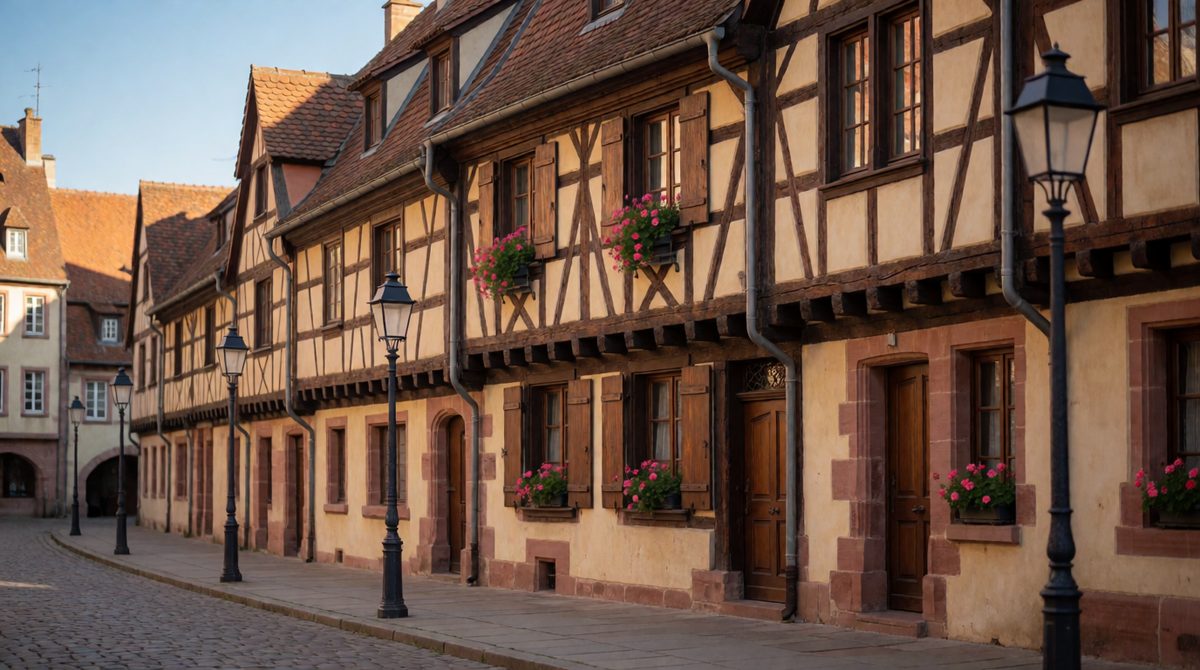
Tourism helps preserve heritage
One of the most important benefits of tourism is that it encourages the preservation of cultural heritage. When tourists visit a place to see its history, traditions and culture, local communities have a strong reason to protect and maintain these things.
Simply put if tourists pay to see something, it becomes valuable. That value gives governments, businesses and communities the motivation (and the money!) to look after it. Here are the main ways this works:
Tourist income funds the restoration and upkeep of ancient temples, castles, monuments and museums that might otherwise fall into ruin.
Local music, dance, crafts and food traditions are kept alive because tourists want to experience them. Artisans and performers can earn a living from their skills.
Communities are encouraged to keep their local languages, festivals and customs going rather than abandoning them because they attract visitors and create pride.
Angkor Wat is one of the most famous temple complexes in the world and Cambodia's biggest tourist attraction. Tourism revenue entry fees alone bring in millions of dollars each year has funded major restoration projects on the ancient stone temples. The Cambodian government and international organisations like UNESCO use this money to repair carvings, stabilise structures and protect the site from further decay. Without tourism, this 900-year-old wonder might have continued to crumble. Over 2 million tourists visit each year, making preservation financially possible.
Tourism has played a huge role in reviving and preserving Maori culture in New Zealand. Cultural tourism experiences such as hangi (traditional feasts), haka (ceremonial dance) performances and visits to marae (meeting grounds) have given Maori communities an economic reason to keep their traditions alive and pass them on to younger generations.
This has helped reverse a trend of cultural decline. Young Maori people now learn traditional skills, language and performance because there is real demand for it. Tourism has turned cultural identity into something to be proud of and celebrated not hidden away.
Venice attracts around 20 million tourists per year. The enormous amount of tourist revenue has helped fund the famous MOSE flood barrier project a system of moveable barriers designed to protect Venice from rising sea levels. Tourism income also helps maintain the city's unique canals, historic palazzos and art collections. Without tourists, the city simply could not afford to preserve itself at this scale.
Here's something people often overlook when a destination builds better facilities for tourists, local people benefit too. Airports, roads, hospitals, leisure centres, restaurants and shops built to serve tourists also serve the community that lives there all year round.
Tourism development often leads to significant upgrades in a destination's infrastructure. Governments and private investors pour money into an area because they know tourists will come and the local population reaps the rewards.
New airports, improved roads and better public transport are built to connect tourists to destinations. Local people get faster, easier travel too.
In some developing destinations, tourist income has funded new hospitals and clinics. Better healthcare facilities serve the whole community, not just visitors.
Hotels, swimming pools, sports facilities and entertainment venues built for tourists are often accessible to locals improving quality of life significantly.
Dubai transformed from a small fishing village into a global city largely through tourism and trade investment. The development of world-class airports (Dubai International is one of the busiest in the world), metro systems, hospitals, shopping malls and leisure facilities has dramatically improved the quality of life for residents. The Dubai Metro, partly funded through tourism revenue, now serves millions of daily commuters locals and tourists alike. Tourism investment has essentially built a modern city from scratch.
The Gambia is one of Africa's smallest countries and relies heavily on tourism. Revenue from the tourism industry has been used to improve roads connecting coastal resorts to inland villages, upgrade local markets and fund community health projects. In some areas, tourist lodges have directly contributed to building local schools and water wells facilities that serve the local population long after the tourists have gone home.
Tourism is one of the most powerful tools for education and breaking down barriers between cultures. When people travel, they learn. When communities host visitors, they also learn. This two-way exchange of knowledge and understanding is one of tourism's most underrated benefits.
Visitors gain first-hand knowledge of different cultures, histories, environments and ways of life. This builds empathy, reduces prejudice and creates more globally aware citizens. A student who visits the Anne Frank House in Amsterdam understands the Holocaust in a way no textbook can fully capture.
Local people are also educated through contact with tourists. They learn about other cultures, languages and perspectives. This can inspire new ideas, broaden horizons and create a more open, tolerant society.
Ecotourism tourism focused on natural environments and wildlife is a brilliant example of tourism driving education. When tourists visit national parks, rainforests or coral reefs, they learn about ecosystems, conservation and environmental threats. This awareness often leads to donations, campaigning and lifestyle changes that benefit the planet.
Local guides employed in ecotourism also become environmental educators themselves, learning about their own natural heritage and teaching others to value and protect it.
The Galapagos Islands attract tourists specifically because of their unique wildlife giant tortoises, marine iguanas and blue-footed boobies. Strict ecotourism rules mean visitor numbers are controlled, but the revenue generated funds conservation research and education programmes. Local guides are trained as naturalists, gaining scientific knowledge about the islands' ecosystems. Tourists leave with a deep understanding of evolution and conservation many become lifelong supporters of environmental causes as a result.
Some tourism is specifically designed to be educational. This includes:
All of these forms of tourism create educated, empathetic travellers who carry their knowledge home with them spreading awareness and understanding far beyond the destination itself.
The Hiroshima Peace Memorial Museum receives over 1.7 million visitors per year. It educates visitors about the devastating effects of the atomic bomb dropped in 1945. Tourists including many world leaders leave with a powerful understanding of the human cost of nuclear war. The museum actively promotes peace education and has influenced international policy discussions. Tourism here serves a profound educational and social purpose.
So, to summarise tourism's positive sociocultural impacts through preservation, facilities and education are genuinely significant. Let's recap the big ideas:
Tourism funds the protection of historic sites, traditional arts, languages and customs. It gives communities a financial reason to value their own heritage.
Tourist investment improves roads, hospitals, airports and leisure facilities benefiting local residents as much as visitors.
Tourism promotes cultural exchange, environmental awareness and historical understanding creating more informed, empathetic people on both sides of the exchange.
Remember in your iGCSE exam, you'll need to give specific examples to support your points. Don't just say "tourism helps preserve culture" say how and give a real example like Angkor Wat or Maori cultural tourism in New Zealand. That's what gets you the marks! 🌟