🌐 Cultural Understanding and Pride: Tourism's Hidden Superpower
We've already looked at how tourism can preserve heritage sites and improve local facilities. But there's another brilliant side to tourism that often gets overlooked its power to make people genuinely proud of who they are and to help people from completely different backgrounds actually understand each other.
Think about it: when millions of visitors travel across the world specifically to experience your culture, your food, your music, your traditions that sends a powerful message. It says: "What you have is worth celebrating."
Key Definitions:
- Cultural Pride: A sense of value, dignity and confidence that a community feels about its own traditions, history, language and identity often strengthened when others show genuine interest.
- Cultural Understanding: The ability to appreciate and respect the beliefs, customs and ways of life of people from different backgrounds.
- Cultural Exchange: A two-way process where both tourists and host communities learn from each other's ways of life.
- Host Community: The local people living in a tourist destination.
- Cultural Revitalisation: The process of bringing a fading culture, language or tradition back to life often with the help of tourism income and interest.
💡 Why This Matters for Your Exam
The iGCSE syllabus specifically asks you to evaluate the positive sociocultural impacts of tourism. Cultural understanding and pride are two of the most important ones. You need to be able to explain why they happen, give real examples and discuss whether the benefits are always straightforward.
🏆 Cultural Pride: When Tourism Makes Communities Feel Valued
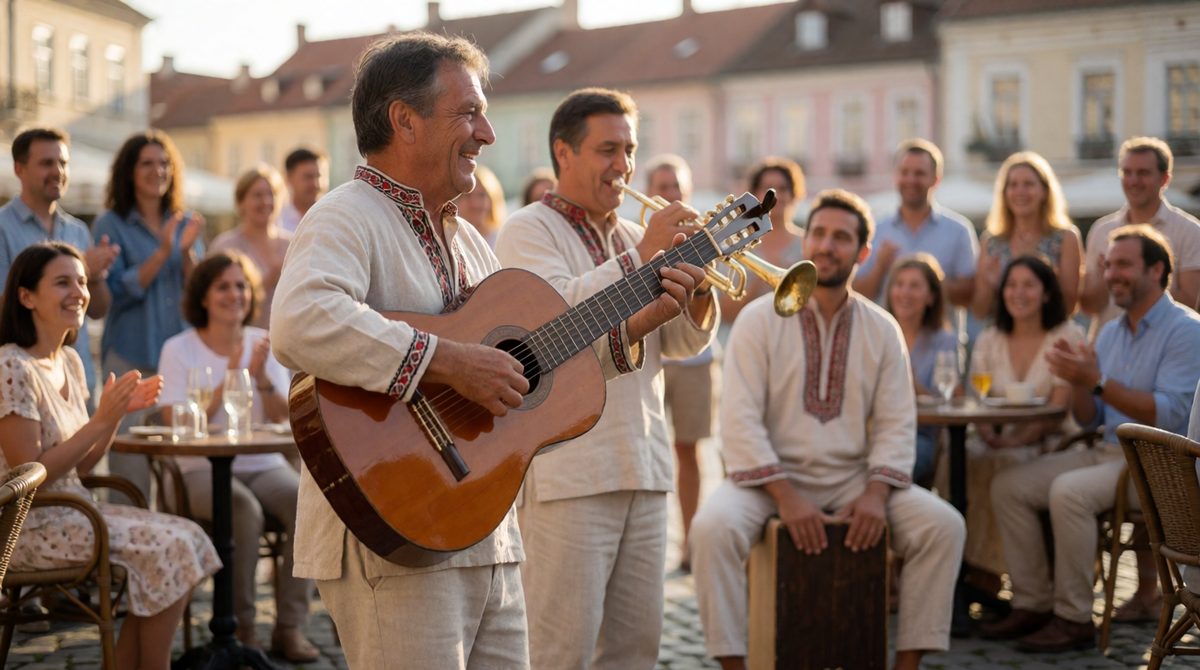
Tourism can boost cultural pride
Cultural pride is one of the most powerful and most underrated benefits of tourism. When a community sees that outsiders are genuinely interested in their way of life, it can completely change how local people feel about their own identity.
👏 How Tourism Builds Cultural Pride
Before tourism, many traditional communities felt pressure to abandon their customs and "modernise." Young people sometimes felt embarrassed about old traditions, seeing them as outdated. Tourism can flip this completely.
🌟 Economic Value = Cultural Value
When tourists pay to watch a traditional dance, buy handmade crafts, or visit a sacred site, it gives that tradition economic value. This makes communities more likely to keep traditions alive and young people more likely to learn them. If your grandmother's weaving technique earns money, suddenly it's worth learning.
📷 International Recognition
When a culture appears in travel magazines, documentaries and social media posts shared around the world, it gains international recognition. This external validation can make local communities feel that their identity is genuinely special not something to be ashamed of or hidden away.
🎓 Passing Traditions to the Next Generation
Tourism creates jobs in cultural performance, guiding, craft-making and hospitality. This gives young people a financial reason to learn traditional skills from elders. Without tourism, many of these skills would simply die out as younger generations moved to cities for work.
🏭 Cultural Festivals and Events
Tourism encourages communities to organise and celebrate cultural festivals. These events which might have been shrinking grow bigger and more vibrant when they attract visitors. The community itself benefits from the celebration, not just the tourists watching it.
🇮🇳 Case Study: The Inuit of Canada Reclaiming Identity Through Tourism
The Inuit people of northern Canada faced decades of pressure to abandon their traditional way of life. However, the growth of indigenous tourism in regions like Nunavut has helped reverse this. Tourists travel specifically to learn about Inuit hunting techniques, throat singing, igloo building and Arctic survival skills.
This interest has had a remarkable effect: young Inuit people are now actively learning traditional skills that were at risk of being forgotten. Cultural pride has strengthened and communities have more control over how their culture is presented to the world. The Inuit-owned tourism company Arctic Kingdom is a great example profits stay in the community and the culture is shared on Inuit terms.
Key Outcome: Tourism income + international interest = stronger cultural identity and intergenerational knowledge transfer.
🤝 Cultural Exchange: A Two-Way Street
Cultural exchange is not just about tourists watching local people perform. Done well, it's a genuine two-way conversation between different cultures and both sides benefit.
🌎 What Tourists Gain
When tourists engage meaningfully with a different culture, they return home changed. They challenge their own assumptions, develop empathy and gain a much more nuanced view of the world.
🧠 Breaking Stereotypes
Meeting real people from different backgrounds breaks down the lazy stereotypes we often absorb from media. A tourist who visits Morocco and shares meals with a local family understands the country in a way no news report can provide.
🌐 Global Citizenship
Experiencing different cultures first-hand encourages tourists to think of themselves as global citizens people who care about the wellbeing of communities beyond their own country. This can lead to more internationally-minded attitudes back home.
📚 Lifelong Learning
Travel is one of the most effective forms of education. Learning about a country's history, religion, food and art in person is far more memorable than reading about it in a textbook which is exactly why educational tourism is growing so fast.
🏠 What Host Communities Gain from Tourists
It's not just tourists who learn. Host communities are also exposed to new ideas, languages, technologies and perspectives and this can be genuinely enriching.
- 💬 Language skills: Interacting with international tourists encourages local people especially young people to learn English and other languages, opening up future opportunities.
- 📈 Business skills: Running tourism businesses teaches entrepreneurship, marketing and customer service.
- 🌎 Broader worldview: Meeting people from many different countries gives host communities a richer understanding of global diversity.
- 🤝 New friendships: Genuine personal connections between tourists and locals can last a lifetime, creating bonds across cultures.
🇮🇳 Case Study: Rajasthan, India Cultural Pride on a Grand Scale
Rajasthan is one of India's most visited regions, famous for its palaces, deserts, festivals and vibrant arts. Tourism here has had a remarkable effect on cultural pride and preservation.
The Pushkar Camel Fair an ancient Hindu festival now attracts over 200,000 visitors annually, including thousands of international tourists. Rather than dying out, the festival has grown stronger. Local artisans, musicians, dancers and traders all benefit economically, giving them strong reasons to maintain their skills.
The Jaipur Literature Festival, which celebrates Indian writing and culture, has become one of the world's largest free literary events partly driven by cultural tourism. It has helped put Rajasthani and Indian culture on the global map.
Key Outcome: Tourism has transformed Rajasthani cultural traditions from something at risk of fading into internationally celebrated events that local communities are deeply proud of.
⚖️ Cultural Understanding and Peace
One of the most powerful and often forgotten benefits of cultural tourism is its potential to reduce conflict and build peace. When people from different countries and backgrounds meet face-to-face, it's much harder to see each other as enemies.
✌️ Tourism as a Bridge Between Nations
Historically, countries that have strong tourism links tend to have better diplomatic relationships. Tourism creates people-to-people connections that go beyond politics. It's difficult to fear or hate a country whose people you've shared food with, whose children you've met, whose art has moved you.
🌞 The "Contact Hypothesis"
Psychologists have long argued that direct, positive contact between people from different groups reduces prejudice and hostility. Tourism is one of the most effective ways to create this contact at a large scale. When millions of tourists visit a country, millions of positive interactions happen and these matter.
👑 Soft Power and Cultural Diplomacy
Countries use tourism as a form of soft power a way of building a positive international reputation without military force. A country that welcomes tourists and shares its culture openly is seen as friendly and trustworthy. This has real political and economic benefits.
🇮🇷 Case Study: Rwanda Rebuilding Identity and Pride After Tragedy
Rwanda suffered one of the worst genocides in modern history in 1994. In the years since, the country has used tourism as a tool for rebuilding national pride and cultural identity.
Gorilla trekking tourism in the Volcanoes National Park has brought significant income and international attention to Rwanda. But beyond the wildlife, Rwanda has invested in cultural tourism celebrating its traditional music, dance (including the intore dance), crafts and history.
The Kigali Genocide Memorial attracts visitors from around the world, promoting understanding of what happened and ensuring it is never forgotten. This form of dark tourism has helped Rwanda tell its own story on its own terms a powerful act of cultural pride and resilience.
Key Outcome: Tourism has helped Rwanda rebuild its international image and given its people a platform to share their culture and history with the world.
⚠️ Is Cultural Pride Always Straightforward? A Balanced View
Your iGCSE exam will reward you for thinking critically not just listing positives. Cultural pride and understanding through tourism are genuinely positive, but they come with complications worth knowing.
📌 The Risk of "Staged Authenticity"
Sometimes, what tourists see isn't the real culture it's a performance designed for tourists. Sociologist Dean MacCannell called this staged authenticity. A traditional dance performed three times a day for coach parties is very different from the same dance performed at a genuine community celebration.
This matters because:
- It can reduce a rich culture to a tourist attraction rather than a living tradition
- Communities may feel pressure to present a simplified or exotic version of their culture rather than the real thing
- It can create a power imbalance tourists consuming culture rather than genuinely engaging with it
📌 Cultural Commodification
Cultural commodification is when cultural traditions, sacred objects or ceremonies are turned into products to be bought and sold. This can undermine the very cultural pride that tourism is supposed to build.
- Example: Mass-produced "traditional" crafts made in factories rather than by local artisans
- Example: Sacred ceremonies opened to paying tourists who treat them as entertainment
- Example: Cultural symbols used on merchandise without community consent
The key distinction for your exam: tourism that is community-led and community-controlled tends to build genuine pride. Tourism that is controlled by outside companies tends to commodify culture instead.
💡 Exam Tip: The Magic Phrase
When writing about cultural understanding and pride in your exam, use this kind of language: "Tourism can strengthen cultural pride when communities have control over how their culture is shared. However, if tourism is poorly managed, it risks reducing culture to a commodity, which can actually undermine pride and authenticity." This shows the examiner you can evaluate, not just describe.
📚 Summary: Cultural Understanding and Pride The Big Picture
Let's bring everything together. Tourism, at its best, is a remarkable force for cultural understanding and pride. Here's what you need to remember:
🏆 Cultural Pride
Tourism gives communities economic and social reasons to celebrate and maintain their traditions. International interest validates local identity and encourages younger generations to learn traditional skills.
🤝 Cultural Exchange
Both tourists and host communities benefit. Tourists gain empathy, knowledge and a global perspective. Host communities gain language skills, business experience and a broader worldview.
⚖️ Peace and Understanding
Face-to-face contact between people from different cultures reduces prejudice and builds international goodwill. Tourism is one of the world's most effective tools for people-to-people diplomacy.
📋 Key Vocabulary Checklist
Make sure you can define and use all of these terms in your exam answers:
- ✅ Cultural Pride
- ✅ Cultural Understanding
- ✅ Cultural Exchange
- ✅ Cultural Revitalisation
- ✅ Cultural Commodification
- ✅ Staged Authenticity
- ✅ Host Community
- ✅ Soft Power
- ✅ Indigenous Tourism
- ✅ Intergenerational Knowledge Transfer