🌎 The Scale of Global Tourism
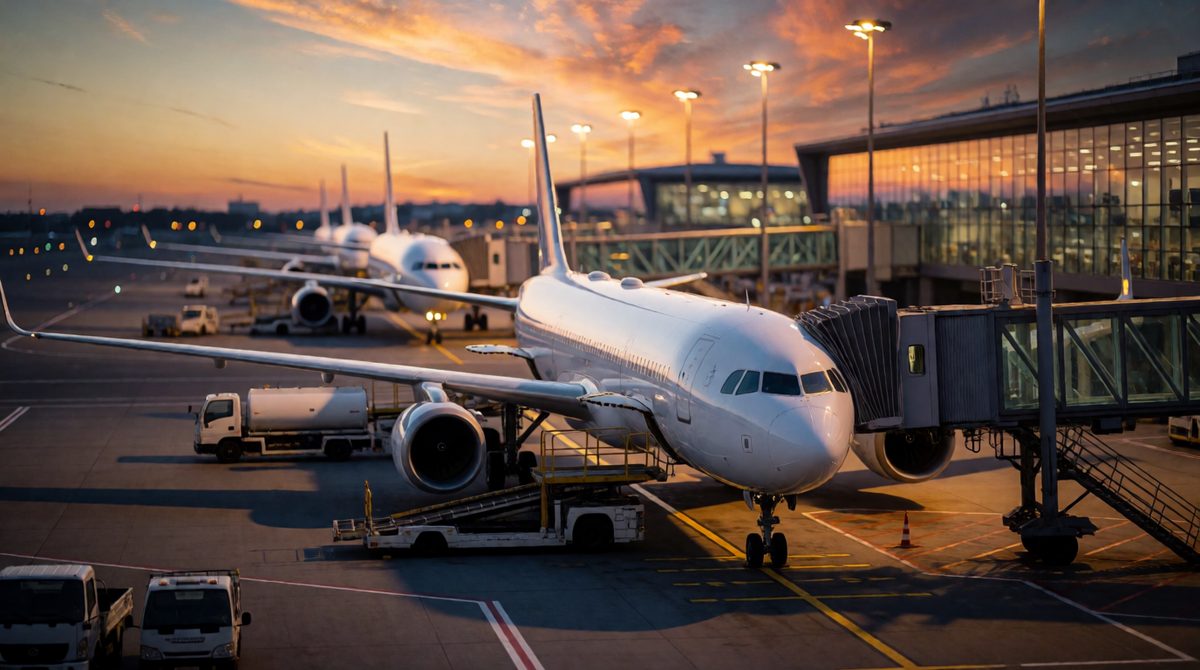
Global tourism is a huge industry
Tourism is one of the world's biggest industries. Every year, hundreds of millions of people travel across borders for holidays, business, or to visit family. Understanding how big tourism is and how fast it's growing is a core part of your iGCSE exam.
Key Definitions:
- Tourism: Travelling away from your home area for at least one night, for leisure, business, or other purposes.
- International tourist arrivals: The number of people who travel to a country other than their own.
- Domestic tourism: Travelling within your own country for leisure or business.
- Mass tourism: Large-scale, organised tourism, often to popular destinations like beach resorts.
- Ecotourism: Small-scale, responsible travel to natural areas that conserves the environment and supports local people.
📊 The Numbers Don't Lie
In 1950, there were just 25 million international tourist arrivals worldwide. By 2019 (just before COVID-19), that number had rocketed to 1.5 billion. That's a 60-times increase in under 70 years! The World Tourism Organisation (UNWTO) predicts numbers will keep rising as more people in developing countries gain wealth and the ability to travel.
📈 Growth Trends in Tourism
Tourism hasn't grown evenly around the world. Some regions have seen massive increases while others have grown more slowly. Here's what the pattern looks like:
🏭 Europe
Still the world's most visited region. Countries like France, Spain and Italy attract hundreds of millions of visitors each year. France alone receives over 90 million tourists annually.
🌞 Asia Pacific
The fastest-growing tourism region. China, Thailand and Japan have seen huge increases. China is now one of the world's top sources of outbound tourists Chinese travellers spent over $250 billion abroad in 2019.
🌍 Africa & Middle East
Smaller share of global tourism but growing fast. Countries like Morocco, Kenya and the UAE are investing heavily in tourism infrastructure to attract more visitors.
👑 Factors Affecting Demand for Tourism
Why do people travel more now than they did 50 years ago? It's not just one reason it's a whole mix of factors. These can be split into push factors (reasons to leave home) and pull factors (reasons to go somewhere specific), but for your exam, you need to know the main demand drivers in detail.
💰 Rising Incomes & Wealth
As countries develop economically, people have more disposable income money left over after paying for essentials. This means they can afford holidays. The growth of the middle class in countries like China, India and Brazil has massively increased global tourism demand. In the UK, paid holidays became standard after the Holidays with Pay Act (1938), giving workers the right to take time off.
✈ Cheaper Air Travel
The rise of budget airlines like Ryanair, EasyJet and AirAsia has made flying affordable for millions. In the 1970s, a transatlantic flight cost the equivalent of several months' wages. Today, you can fly across Europe for less than £30. Deregulation of the airline industry in the 1980s and 90s opened up competition and drove prices down dramatically.
🕑 More Leisure Time
People in many countries now have more paid holiday entitlement. In the EU, workers are legally entitled to at least 4 weeks of paid leave per year. Shorter working weeks and earlier retirement also mean people have more time to travel, especially older tourists who form a growing market.
📱 Technology & the Internet
The internet has made booking travel faster, cheaper and easier. Sites like Booking.com, Airbnb and TripAdvisor let people research, compare and book trips instantly. Social media platforms like Instagram have also created new travel trends people visit destinations they've seen online, creating so-called "Instagram tourism".
🏠 Other Key Demand Factors
- Improved transport infrastructure: Better roads, high-speed rail (e.g. TGV in France, bullet trains in Japan) and larger airports make travel quicker and more comfortable.
- Package holidays: All-inclusive deals that bundle flights, hotels and transfers together made foreign travel accessible to ordinary families from the 1960s onwards.
- Political stability: People avoid countries with conflict or instability. Tourism in Egypt dropped sharply after political unrest in 2011. Conversely, peace agreements can boost tourism.
- Exchange rates: A strong pound means British tourists can get more for their money abroad, increasing demand for foreign travel.
- Health and safety: Disease outbreaks (like COVID-19 or Zika virus) can dramatically reduce tourism to affected areas.
🔍 Case Study: Thailand's Tourism Boom
Thailand received just 336,000 international visitors in 1970. By 2019, that figure had grown to over 39 million. Why? A combination of cheap flights from budget Asian carriers, stunning beaches and temples, low costs for visitors and heavy government investment in tourism promotion. Thailand earns around 20% of its GDP from tourism showing just how economically vital it has become. However, this rapid growth has also brought serious environmental and social problems.
♿ Sustainable Tourism
Tourism brings huge economic benefits but it also causes serious problems. Sustainable tourism is about making sure tourism can continue in the long term without destroying the very things that make a place worth visiting.
Key Definitions:
- Sustainable tourism: Tourism that meets the needs of present tourists and host regions while protecting and enhancing opportunities for the future.
- Carrying capacity: The maximum number of visitors a destination can handle before damage occurs to the environment or visitor experience.
- Ecotourism: Low-impact tourism focused on natural environments, benefiting local communities and conserving ecosystems.
- Over-tourism: When too many tourists visit a place, causing damage to the environment, local culture and quality of life for residents.
⚖ The Three Pillars of Sustainable Tourism
🌿 Environmental
Protecting natural habitats, reducing pollution, limiting visitor numbers and encouraging low-carbon transport. For example, banning single-use plastics in national parks or limiting boat numbers near coral reefs.
👪 Social & Cultural
Respecting local cultures and traditions, ensuring tourism doesn't displace residents or commodify their way of life. Local communities should have a say in how tourism develops in their area.
💰 Economic
Making sure tourism money actually benefits local people not just large foreign corporations. This means supporting locally-owned hotels, restaurants and tour operators rather than all-inclusive resorts that send profits abroad.
🔍 Case Study: Over-Tourism in Venice, Italy
Venice receives around 30 million visitors per year but only about 250,000 people actually live there. The city is literally sinking and the constant flow of tourists has caused rents to soar, pushing locals out. Cruise ships damage the lagoon ecosystem. In response, Venice has introduced entry fees for day-trippers (trialled in 2024), banned large cruise ships from the historic centre and limited Airbnb licences. This is a classic example of a destination struggling to manage its carrying capacity.
🌿 Ecotourism as a Sustainable Solution
Ecotourism is often presented as a more responsible alternative to mass tourism. Instead of building huge resorts, ecotourism focuses on small-scale, nature-based experiences that directly fund conservation.
🔍 Case Study: Ecotourism in Costa Rica
Costa Rica has become a world leader in ecotourism. Despite being a small country, it contains 5% of the world's biodiversity. The government has protected over 25% of its land as national parks and reserves. Tourists come to see rainforests, volcanoes and wildlife and the money they spend helps fund conservation. Local guides and lodges benefit directly. Tourism now earns Costa Rica over $4 billion per year and has given local communities a financial reason to protect, rather than destroy, their natural environment.
✍ Exam Practice: Key Themes to Revise
For your iGCSE exam, you need to be able to describe, explain and evaluate ideas about tourism scale, demand and sustainability. Here are the most important things to keep in mind:
💡 Top Exam Tips
- ✅ Always use named examples and statistics examiners love specific facts like "Thailand received 39 million visitors in 2019."
- ✅ Know the difference between causes of tourism growth (demand factors) and impacts of tourism (economic, social, environmental).
- ✅ Be able to explain why sustainable tourism is needed link it to specific problems like over-tourism or environmental damage.
- ✅ Understand that tourism can have both positive and negative impacts don't just write one side.
- ✅ For evaluation questions, consider who benefits and who loses out from tourism development.
👍 Positive Impacts of Tourism
- Creates jobs (hotels, restaurants, guides)
- Brings in foreign currency helps the economy
- Funds conservation of natural and cultural sites
- Improves infrastructure (roads, airports, hospitals)
- Promotes cultural exchange and understanding
👎 Negative Impacts of Tourism
- Environmental damage litter, pollution, habitat destruction
- Over-tourism crowds, noise, loss of local character
- Leakage profits go to foreign companies, not locals
- Seasonal employment jobs only exist in peak season
- Cultural erosion local traditions commercialised or lost
📚 Quick Revision Summary
📌 Scale: Tourism has grown from 25 million arrivals (1950) to 1.5 billion (2019). Europe leads, but Asia Pacific is growing fastest.
📌 Demand factors: Rising incomes, cheap flights, more leisure time, technology, better transport, package holidays.
📌 Sustainability: Tourism must be managed to protect environments, cultures and economies for the future. Ecotourism (Costa Rica) and visitor management (Venice) are key strategies.
📌 Carrying capacity: Every destination has a limit exceed it and you get over-tourism.