🏠 Serviced Accommodation
This is where staff provide services like cleaning, meals and reception. Hotels are the classic example. You pay for the room and the services that come with it.
Sign up to access the complete lesson and track your progress!
Unlock This CourseWhen people travel whether for a holiday, a business trip or an adventure they need somewhere to sleep! Accommodation is one of the most important parts of any trip. It can make or break a holiday experience. The type of accommodation a tourist chooses depends on lots of things: their budget, how long they're staying, what they want to do and who they're travelling with.
Accommodation is split into two big categories in travel and tourism:
This is where staff provide services like cleaning, meals and reception. Hotels are the classic example. You pay for the room and the services that come with it.
Here, guests look after themselves cooking their own food, cleaning up etc. Examples include holiday cottages, apartments and camping. It's usually cheaper but you do more yourself.
Key Definitions:
The global hotel industry is worth over $600 billion per year. There are more than 700,000 hotels worldwide, offering around 17 million rooms every single night!
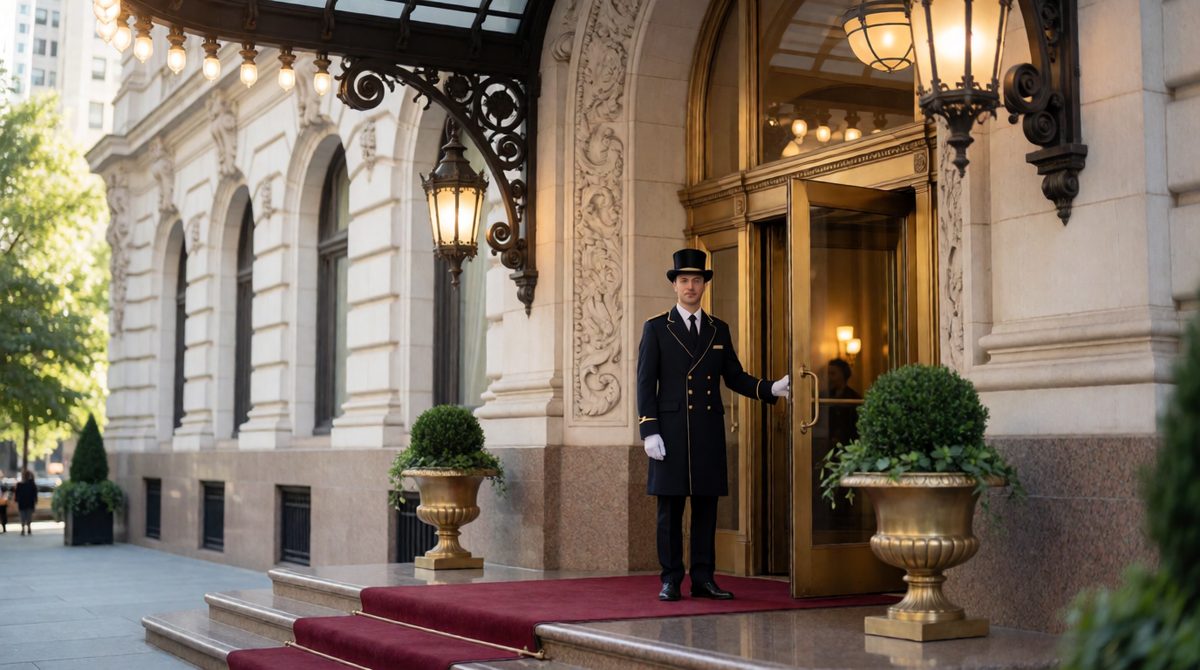
Hotels offer a range of services
Hotels are probably the first thing you think of when someone says "accommodation." They range from tiny budget places to jaw-dropping luxury resorts. A hotel provides guests with a private room and usually a whole range of services on top of that.
A hotel is a commercial establishment that provides paid lodging, usually on a short-term basis. Hotels offer private en-suite rooms and a variety of services. The bigger and more luxurious the hotel, the more services it tends to offer. Hotels are found all over the world in city centres, at airports, beside beaches and in the countryside.
Clean, basic rooms at low prices. Think Premier Inn or Travelodge in the UK. Great for travellers who just need a bed and a shower. Usually 1–2 stars.
Good quality rooms with more facilities like a restaurant, gym or pool. Often 3 stars. Popular with both business and leisure travellers. Examples: Holiday Inn, Novotel.
Top-end experience with fine dining, spas, concierge services and stunning décor. Usually 4–5 stars. Examples: The Ritz (London), Burj Al Arab (Dubai).
Hotels are graded using a star rating system. In the UK, this is managed by organisations like AA (Automobile Association) and VisitEngland. The more stars, the better the facilities and service.
Hotels often offer different meal arrangements, known as board basis. This affects the price and what's included in your stay.
The Ritz in Piccadilly, London, is one of the most famous 5-star hotels in the world. Opened in 1906, it has 136 rooms and suites, a Michelin-starred restaurant and afternoon tea that costs over £60 per person. Guests have included royalty, celebrities and world leaders. A standard room can cost over £500 per night. The Ritz is a perfect example of luxury serviced accommodation targeting high-income tourists.
Hotels attract a wide range of guests. Understanding who stays and why is important for the iGCSE exam.
Guest houses are a much more personal type of accommodation. They're usually smaller than hotels often a family home that's been opened up to paying guests. They're popular in the UK, especially in seaside towns, the countryside and historic cities like Bath and York.
A guest house (sometimes called a B&B Bed and Breakfast) is a private home or small property where the owner lives on-site and rents out rooms to guests. They typically offer a bedroom and breakfast in the morning. The atmosphere is much more homely and personal than a hotel.
Guest houses in the UK are also graded, usually by VisitEngland or the AA. They use a diamond (♦) or star system. Inspectors visit and check things like cleanliness, quality of breakfast, comfort of beds and how welcoming the host is. A 5-diamond guest house offers exceptional quality and hospitality.
The Cotswolds in England is one of the most popular tourist destinations in the UK, attracting over 38 million visitors per year. The area is famous for its honey-coloured stone villages, rolling hills and charming B&Bs. Guest houses here often charge between £80–£180 per night for a double room including breakfast. Many are run by local families who have converted old farmhouses or cottages. They offer tourists a truly authentic, local experience that a chain hotel simply can't match.
Hostels are the go-to choice for budget travellers especially young people, backpackers and students. They're very different from hotels and guest houses. The key thing about hostels is that guests usually sleep in shared dormitory rooms with bunk beds. This makes them much cheaper, but also means less privacy.
A hostel is a low-cost accommodation option where guests share sleeping areas (dorms), bathrooms and common spaces like kitchens and lounges. Hostels are found all over the world, particularly in major backpacking destinations like Southeast Asia, South America and European cities. They're a brilliant way to travel on a tight budget and meet other travellers.
Mainly young travellers aged 18–30, backpackers, students on gap years and budget-conscious solo travellers exploring new destinations.
A dorm bed can cost as little as £10–£25 per night in the UK. Private rooms in hostels are also available, usually at £40–£70 still cheaper than most hotels.
YHA (Youth Hostel Association) in the UK, Hostelling International worldwide and Generator Hostels in major European cities.
The YHA was founded in 1930 and now has over 150 hostels across England and Wales, including locations in London, the Lake District, the Peak District and Snowdonia. YHA hostels are popular with school groups, families and solo travellers. A dorm bed starts from around £15 per night. The YHA also runs environmental programmes and aims to make travel accessible to everyone, regardless of income. In 2023, the YHA welcomed over 1 million overnight stays.
It's really important for your exam that you can compare hotels, guest houses and hostels clearly. Here's a summary to help you:
In the iGCSE exam, you might be asked to recommend a type of accommodation for a specific type of tourist. Always think about: budget, age, purpose of trip, group size and facilities needed. A business traveller needs Wi-Fi and a central location. A backpacker needs a cheap bed. A family might want a guest house with a home-cooked breakfast. Match the accommodation to the traveller!
Accommodation types vary around the world. Here are some interesting global examples that show how these categories work in different contexts: