🌎 What Is Sustainability in Tourism?
Sustainability means meeting the needs of people today without damaging the ability of future generations to meet their own needs. In tourism, this means running attractions and food businesses in ways that protect the environment, support local communities and remain economically viable all at the same time.
The iGCSE syllabus asks you to understand how both visitor attractions and food and drink providers can adopt sustainable practices. This is increasingly important as tourists become more environmentally aware and governments introduce stricter regulations.
Key Definitions:
- Sustainability: Using resources in a way that can continue long-term without causing permanent damage.
- Sustainable tourism: Tourism that has a low negative impact on the environment and local culture, while generating income and employment.
- Greenwashing: When a business falsely claims to be environmentally friendly to attract customers without making real changes.
- Carbon footprint: The total amount of greenhouse gases produced by an activity or organisation.
- Locally sourced: Food or materials obtained from nearby producers rather than imported from far away.
🌿 Environmental Sustainability
This focuses on protecting natural resources reducing pollution, cutting carbon emissions, conserving water, protecting wildlife habitats and minimising waste sent to landfill. For example, an attraction might install solar panels or a restaurant might compost food scraps.
👥 Social Sustainability
This is about benefiting local communities employing local people, preserving cultural heritage, supporting local schools or charities and making sure tourism doesn't price residents out of their own area. A food provider might hire local staff and celebrate regional food traditions.
💰 Economic Sustainability
Economic sustainability means a business stays financially healthy over the long term not just making quick profits. For tourism businesses, this means investing in the local economy, paying fair wages and not relying on a single market. A sustainable attraction reinvests some of its profits into conservation or community projects.
📌 The Three Pillars of Sustainability
Sustainability is often described using three overlapping pillars: Environmental (planet), Social (people) and Economic (profit). A truly sustainable business must balance all three not just focus on one. This is sometimes called the Triple Bottom Line.
🏛 Sustainable Practices of Visitor Attractions
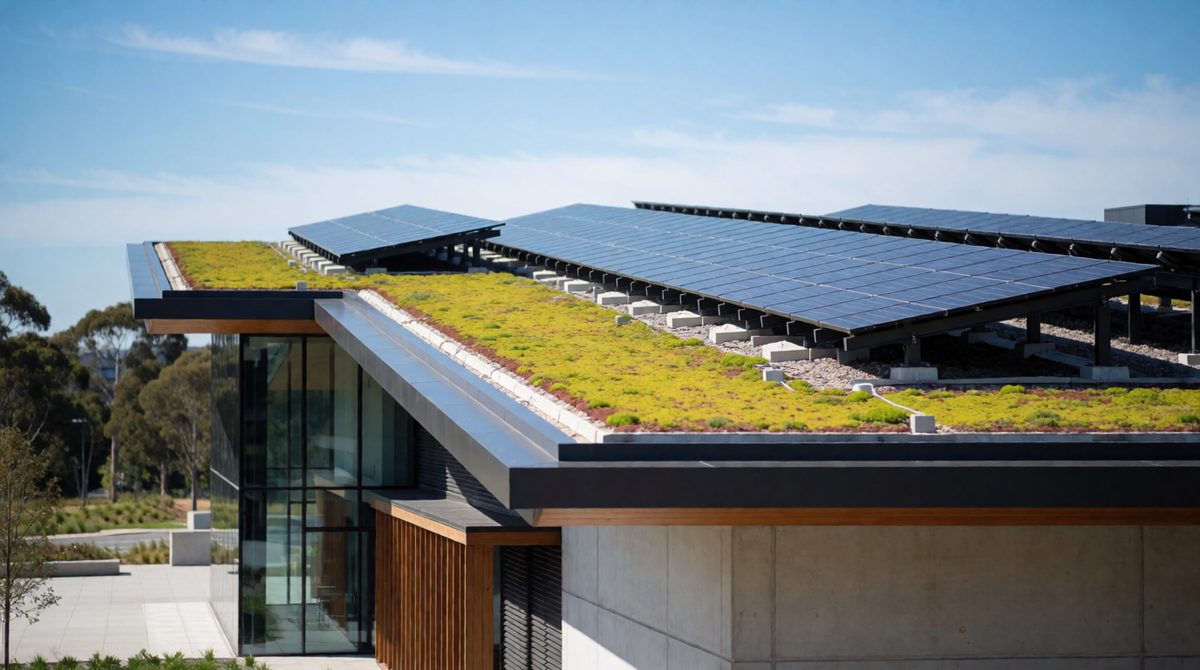
Attractions can reduce their environmental impact
Visitor attractions from theme parks to museums to zoos can have a huge impact on the environment. Millions of visitors mean large amounts of energy use, waste, water consumption and transport emissions. Sustainable attractions try to reduce these impacts while still offering a great visitor experience.
⚡ Energy and Carbon Reduction
Many attractions are investing in renewable energy to reduce their carbon footprint. This includes solar panels on rooftops, wind turbines on site and switching to LED lighting throughout buildings. Some attractions aim to become entirely carbon neutral meaning they offset or eliminate all their carbon emissions.
☀️ Solar Energy
Solar panels convert sunlight into electricity. Large attractions with big rooftops like museums or theme parks can generate significant amounts of their own power, reducing reliance on fossil fuels.
💡 LED Lighting
LED bulbs use up to 80% less energy than traditional bulbs and last much longer. Switching to LEDs is one of the simplest and most cost-effective steps an attraction can take to reduce energy use.
🌎 Carbon Offsetting
Some attractions calculate their unavoidable carbon emissions and then fund projects like tree planting or renewable energy schemes that absorb or prevent an equivalent amount of CO₂ elsewhere.
⛷ Waste Reduction and Recycling
Large visitor attractions generate enormous amounts of waste from food packaging in cafés to promotional materials and maintenance waste. Sustainable attractions put systems in place to reduce, reuse and recycle as much as possible.
- Single-use plastic bans: Many attractions have removed plastic straws, cups and cutlery, replacing them with paper or compostable alternatives.
- Recycling stations: Clearly labelled bins throughout the site encourage visitors to sort their waste correctly.
- Composting: Food waste from on-site cafés and restaurants is composted rather than sent to landfill.
- Reusable items: Selling reusable water bottles and bags in gift shops reduces single-use waste.
🌿 Case Study: Chester Zoo, England
Chester Zoo is one of the UK's most visited paid attractions and has made sustainability central to its operations. The zoo has installed a biomass boiler that burns wood chip fuel a renewable energy source to heat its tropical houses. It has banned single-use plastics across the site and runs a composting programme for food waste. Chester Zoo also works directly with conservation projects in over 35 countries, meaning visitor entrance fees directly fund wildlife protection. The zoo publishes an annual sustainability report showing progress against its environmental targets.
💧 Water Conservation
Water is a precious resource and large attractions especially those with gardens, pools, or animal enclosures can use vast amounts of it. Sustainable attractions use rainwater harvesting systems to collect and reuse rainwater, install low-flow taps and toilets and use drought-resistant plants in landscaping to reduce irrigation needs.
🚌 Sustainable Transport
Getting visitors to and from an attraction is one of the biggest sources of carbon emissions. Sustainable attractions encourage visitors to arrive by public transport, cycle or walk. They may offer discounts for visitors who arrive without a car, provide electric vehicle charging points and run shuttle buses from nearby train stations.
📌 Did You Know?
The Eden Project in Cornwall already studied in a previous lesson runs a discount scheme for visitors who arrive by bicycle or public transport. It also operates its own fleet of electric buggies on site and has planted over a million trees since opening in 2001.
🏭 Protecting Biodiversity and Habitats
Some attractions are built in or near sensitive natural environments. Sustainable management means protecting local wildlife and habitats. This might include creating wildlife corridors, using native plants in landscaping, avoiding light pollution that disturbs nocturnal animals and restricting visitor access to fragile areas.
🍕 Sustainable Practices of Food and Drink Providers
Restaurants, cafés, pubs and other food providers have a significant environmental impact from the food they buy and cook, to the packaging they use and the waste they produce. Sustainable food businesses try to reduce this impact at every stage, from sourcing ingredients to disposing of leftovers.
🌿 Locally Sourced and Seasonal Food
One of the most effective ways a food provider can be sustainable is to buy ingredients from local farmers and producers. This reduces the "food miles" the distance food travels from farm to plate which cuts carbon emissions from transport. Buying seasonal food (food that is naturally ready to harvest at that time of year) also reduces the need for energy-intensive greenhouse growing or refrigerated long-distance shipping.
🍎 Benefits of Local Sourcing
- Fewer food miles = lower carbon emissions
- Fresher ingredients = better quality food
- Supports local farmers and the local economy
- Reduces packaging needed for long-distance transport
- Builds a unique, regional identity for the restaurant
🕑 Challenges of Local Sourcing
- Local produce can be more expensive
- Seasonal menus require more frequent changes
- Supply can be unreliable due to weather or harvests
- Not all ingredients can be sourced locally (e.g. coffee, spices)
- Requires building relationships with multiple suppliers
🍽 Case Study: Fifteen Restaurant (Jamie Oliver Foundation), Cornwall
The Fifteen Cornwall restaurant part of Jamie Oliver's social enterprise built its entire menu around locally sourced Cornish ingredients. Fish came directly from Cornish fishing boats, vegetables from nearby farms and dairy from local producers. The restaurant also trained disadvantaged young people as chefs, combining social and environmental sustainability. Although the restaurant closed in 2019, it remains an important case study in how food businesses can integrate sustainability into their core identity rather than treating it as an afterthought.
🛒 Reducing Food Waste
Food waste is a massive problem in the hospitality industry. In the UK, restaurants and food service businesses waste around 1 million tonnes of food every year. Sustainable food providers tackle this through careful stock management, creative use of surplus ingredients and partnerships with food redistribution charities.
- Stock rotation: Using older stock first (FIFO First In, First Out) to prevent food going out of date.
- Smaller portion options: Offering different portion sizes reduces plate waste.
- Daily specials: Using up surplus ingredients in daily specials prevents waste.
- Food donation: Partnering with apps like Too Good To Go or charities like FareShare to donate unsold food rather than throwing it away.
- Composting: Unavoidable food waste (peelings, bones, etc.) is composted rather than sent to landfill.
♻️ Sustainable Packaging and Single-Use Plastics
Takeaways and cafés in particular use large amounts of packaging. Sustainable providers switch to biodegradable, compostable or recyclable packaging. Many coffee shops now offer discounts to customers who bring their own reusable cups a simple but effective way to reduce waste.
☕ Case Study: Pret a Manger's Sustainability Commitments
Pret a Manger the UK sandwich and coffee chain has introduced several sustainability measures. It offers a 50p discount to customers who bring a reusable cup, donates unsold food to homeless charities every evening through its "Pret's Evening Food Collection" programme and has committed to using 100% sustainably sourced coffee. Pret also publishes annual sustainability reports and has set targets to reduce its carbon emissions. However, critics have pointed out that Pret still uses significant amounts of single-use packaging, showing that even well-known sustainable brands have room to improve.
🌿 Plant-Based and Low-Carbon Menus
Meat especially beef and lamb has a very high carbon footprint because of the land, water and energy needed to raise livestock and the methane produced by animals. Sustainable food providers are increasingly offering more plant-based options on their menus. Some restaurants have gone entirely vegetarian or vegan. Others simply reduce the proportion of high-carbon meat dishes and increase vegetable, pulse and grain-based options.
This is not just good for the environment it also responds to growing consumer demand. Surveys show that a significant number of young people in the UK are now reducing their meat consumption for environmental and ethical reasons.
🏭 Fair Trade and Ethical Sourcing
Sustainability isn't only about the environment it's also about people. Ethical sourcing means buying ingredients from suppliers who pay their workers fairly and operate in safe conditions. The Fairtrade certification guarantees that farmers in developing countries receive a fair price for their products. Many cafés and restaurants now serve Fairtrade coffee, tea and chocolate as part of their sustainability commitment.
📊 Evaluating Sustainability Claims
Not every business that claims to be "green" or "sustainable" actually is. Greenwashing is when a business uses environmental language in its marketing without making meaningful changes. As a tourism student, you need to be able to evaluate sustainability claims critically.
🔍 How to Spot Greenwashing
🔴 Vague Claims
Phrases like "eco-friendly" or "green" with no specific evidence or data to back them up. A genuine sustainable business will provide measurable targets and results.
🔴 No Third-Party Certification
Genuine sustainable businesses often hold recognised certifications such as Green Tourism, Rainforest Alliance, or ISO 14001. Self-awarded "eco" labels mean very little.
🔴 Selective Reporting
A business might highlight one small green initiative (e.g. paper straws) while ignoring much larger negative impacts (e.g. flying in ingredients from overseas). True sustainability looks at the whole picture.
📌 Exam Tip: Sustainability Questions
In iGCSE exams, you may be asked to evaluate the sustainability of a business or attraction. Always consider all three pillars environmental, social and economic. Give specific examples and, where possible, refer to named case studies. Avoid vague statements like "they help the environment" instead say how and why it makes a difference.
🎉 Certification and Recognition Schemes
Several official schemes help consumers and businesses identify genuinely sustainable practices. These are important for the iGCSE syllabus as they show how sustainability is measured and rewarded.
- Green Tourism Business Scheme (GTBS): A UK certification scheme that awards Bronze, Silver or Gold status to tourism businesses based on their environmental performance.
- Rainforest Alliance: Certifies farms and businesses that meet environmental and social standards commonly seen on coffee and chocolate packaging.
- Fairtrade Foundation: Ensures farmers in developing countries receive fair prices and decent working conditions.
- ISO 14001: An international standard for environmental management systems shows a business has a formal plan to reduce its environmental impact.
- Michelin Green Star: Awarded since 2020 to restaurants that demonstrate outstanding commitment to sustainable gastronomy.
⭐ Case Study: The Felin Fach Griffin, Wales
This small pub and restaurant in the Brecon Beacons, Wales, holds a Green Tourism Gold Award and has been praised for its sustainability practices. It sources almost all of its food from within 25 miles, grows its own herbs and vegetables, uses a wood-burning biomass boiler for heating and composts all food waste. The menu changes daily based on what is available locally and seasonally. It is a strong example of how even a small food provider can achieve high standards of sustainability across all three pillars environmental, social and economic.
💡 Key Points to Remember
- Sustainability in tourism covers three pillars: environmental, social and economic.
- Visitor attractions can reduce their impact through renewable energy, waste reduction, water conservation and sustainable transport schemes.
- Food providers can be more sustainable by locally sourcing ingredients, reducing food waste, cutting single-use plastics and offering plant-based menus.
- Ethical sourcing including Fairtrade is part of social sustainability for food businesses.
- Greenwashing is when businesses make false or exaggerated sustainability claims always look for evidence and third-party certification.
- Recognised schemes like the Green Tourism Business Scheme and Michelin Green Star help identify genuinely sustainable businesses.
- In exam answers, always refer to all three pillars and use specific named examples.