🚢 Introduction to Water Transport in Tourism
Water transport is one of the oldest forms of travel in the world long before planes and trains, people crossed seas and rivers by boat. Today, water transport plays a huge role in tourism, from massive cruise ships carrying thousands of passengers to tiny water taxis darting through Venetian canals. It covers everything from practical, everyday crossings to once-in-a-lifetime luxury voyages.
For your iGCSE exam, you need to understand the different types of water transport, who uses them and why they appeal to tourists.
Key Definitions:
- Water transport: Any form of travel that takes place on rivers, lakes, canals, seas or oceans using a vessel.
- Functional water transport: Travel by water that serves a practical purpose, such as getting from A to B (e.g. a ferry crossing).
- Leisure water transport: Travel by water where the journey itself is part of the holiday experience (e.g. a cruise).
- Cruise: A holiday taken on a large ship, visiting multiple destinations, with accommodation and entertainment included on board.
- Ferry: A vessel that carries passengers (and sometimes vehicles) on a regular scheduled route across water.
- Water taxi: A small boat used for short, on-demand trips across water, similar to a road taxi.
💡 Did You Know?
The global cruise industry carried over 31 million passengers in 2023 more than the entire population of Australia! The industry is worth over $150 billion worldwide and is one of the fastest-growing sectors in tourism.
⛵ Ferries Getting People Across the Water
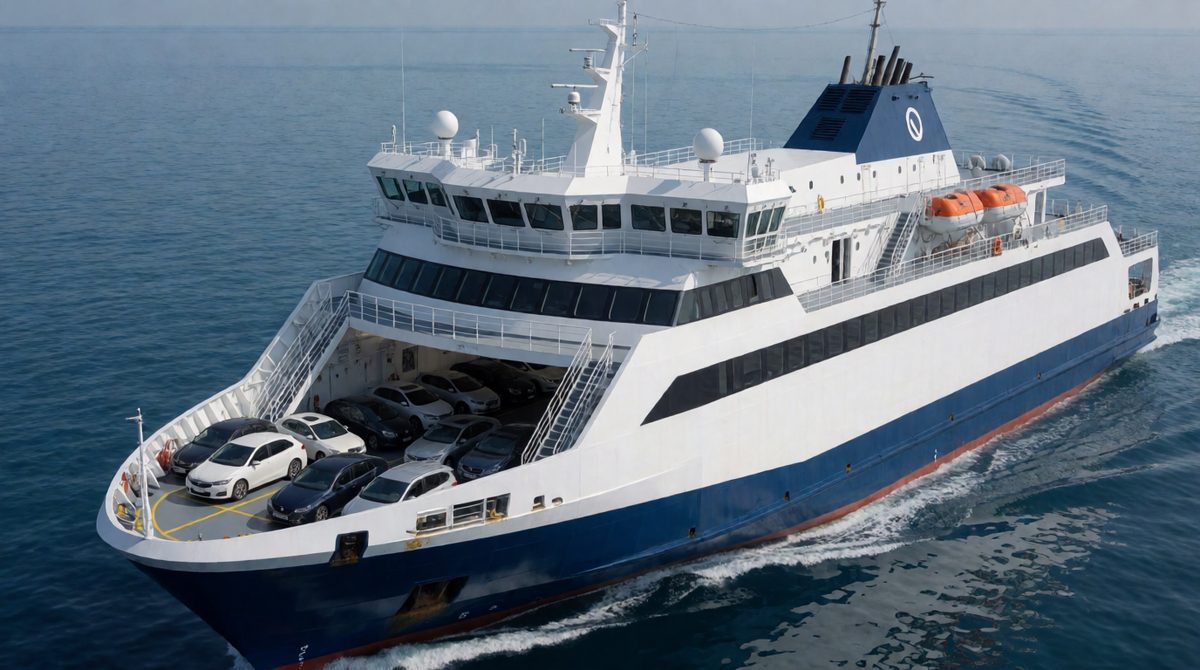
Ferries carry tourists across the water
Ferries are the most common and widespread form of water transport in tourism. They operate on fixed routes, at scheduled times and are used by both tourists and local people. Some ferry crossings are short (just a few minutes), while others take many hours or even overnight.
Types of Ferry Service
Not all ferries are the same. They vary hugely in size, speed, comfort and purpose:
🚢 Ro-Ro Ferry
Roll-on, roll-off ferries carry both passengers and vehicles. Cars, lorries and coaches drive straight on and off. Very common on routes like Dover–Calais (English Channel). Practical but not luxurious.
⚡ Fast Ferry / Catamaran
High-speed vessels that cut journey times significantly. Often used on shorter routes where speed matters. The Condor Ferries service between Poole and the Channel Islands uses fast catamarans.
🌞 Overnight Ferry
Long-distance ferries with cabins, restaurants and entertainment on board. The DFDS route from Newcastle to Amsterdam takes around 16 hours passengers sleep on board, saving hotel costs.
🔍 Case Study: The English Channel Dover to Calais
The Dover–Calais crossing is one of the busiest ferry routes in the world. Operated by companies including P&O Ferries and DFDS, the crossing takes approximately 90 minutes. It carries millions of tourists each year between the UK and mainland Europe. Many tourists use it as part of a wider European road trip, taking their own car across. The route competes directly with the Eurotunnel (Le Shuttle), which goes through the Channel Tunnel. Despite competition, the ferry remains popular because passengers can walk around, eat in restaurants and enjoy the crossing something you can't do in a tunnel.
Why Do Tourists Choose Ferries?
👍 Appeal of Ferries
- Can take your own vehicle great for families with lots of luggage
- Often cheaper than flying, especially for groups
- Scenic views during the crossing
- No strict baggage limits like airlines
- Overnight ferries save on hotel costs
- Accessible for people who fear flying
👎 Disadvantages of Ferries
- Slower than flying crossings can take many hours
- Can be affected by rough seas and bad weather
- Seasickness is a real problem for some passengers
- Less frequent departures than flights on some routes
- Not suitable for very long distances
🚢 Cruises The Holiday That Moves With You
A cruise is much more than just transport it is the holiday itself. Passengers live on board a large ship for days or weeks, visiting different ports along the way. Everything is included: your room, meals, entertainment and activities. The ship is essentially a floating resort.
Cruising has grown enormously in popularity since the 1990s. Modern cruise ships are like small cities they have swimming pools, theatres, shopping malls, restaurants, casinos, climbing walls and even ice rinks!
Types of Cruise
🏖 Ocean Cruise
Large ships sailing across open seas, visiting multiple countries. Caribbean, Mediterranean and Norwegian Fjords are the most popular routes. Ships can carry 2,000–7,000 passengers.
🌊 River Cruise
Smaller ships sailing along rivers such as the Rhine, Danube or Nile. More intimate experience, visiting towns and cities along the route. Popular with older, more affluent tourists.
🌟 Luxury / Expedition Cruise
High-end cruises to remote destinations like Antarctica, the Galapagos or the Arctic. Very expensive, small ships, focused on wildlife and nature. Attracts wealthy, adventurous travellers.
🔍 Case Study: Caribbean Cruise Industry
The Caribbean is the world's most popular cruise destination, welcoming over 30 million cruise passengers per year. Major cruise lines including Royal Caribbean, Carnival and Norwegian Cruise Line operate huge ships from ports in Florida (Miami, Port Canaveral) and the Caribbean itself. Ports such as Nassau (Bahamas), Cozumel (Mexico) and St Maarten receive thousands of cruise tourists every single day. The economic impact is significant cruise tourists spend money in local shops, restaurants and on excursions. However, there are concerns: cruise ships produce large amounts of pollution and some small islands feel overwhelmed by the sheer number of visitors arriving at once (overtourism). Cozumel, for example, receives up to 16 cruise ships in a single day during peak season.
Who Goes on Cruises?
The cruise market has changed a lot. It used to be seen as something only elderly, wealthy people did. Today, cruise companies actively target younger travellers, families and adventure seekers with themed cruises, family-friendly ships and lower entry prices.
- Older tourists (55+): Still the largest group. Enjoy comfort, ease and visiting multiple destinations without unpacking every night.
- Families: Large ships with kids' clubs, water parks and entertainment make cruising attractive for families.
- Couples: Romantic appeal of being at sea, especially on luxury or river cruises.
- Young adults: Party cruises, music festival cruises and adventure cruises are growing in popularity.
🔍 Case Study: Royal Caribbean Wonder of the Seas
Wonder of the Seas, operated by Royal Caribbean, is one of the largest cruise ships ever built. Launched in 2022, it is 362 metres long and can carry 6,988 passengers plus over 2,300 crew. It has eight themed neighbourhoods on board, 40 restaurants and bars, a surf simulator, a zip line, mini-golf and a 10-storey slide. It sails Caribbean routes from Port Canaveral, Florida. The ship itself is the attraction many passengers choose it specifically because of what's on board, not just where it goes. This is a perfect example of leisure water transport where the journey IS the holiday.
🚤 Water Taxis and Local Water Transport
Not all water transport is about big ships and long journeys. In many tourist destinations, small boats and water taxis are an essential part of getting around and they often become a tourist attraction in their own right.
🔍 Case Study: Venice, Italy Vaporetti and Gondolas
Venice is built on water, with over 150 canals instead of roads. The city uses two main types of water transport: Vaporetti (water buses) large, flat-bottomed boats that act as the city's public transport system, carrying locals and tourists along set routes for a fixed fare. They are run by the ACTV transport authority. Gondolas traditional, narrow rowing boats steered by a gondolier. They are now almost entirely a tourist experience, costing around €80–100 for a 30-minute ride. They are iconic, romantic and deeply linked to Venice's identity as a destination. Venice also has water taxis (motoscafi) private, fast wooden boats that can be hired like a regular taxi. They are expensive but very convenient, especially from the airport. Venice's water transport system shows how water travel can be both functional (getting around) and a major part of the tourist experience itself.
🚤 Other Water Taxi Examples
- Bangkok, Thailand: Chao Phraya Express Boats carry tourists and locals along the river past temples and markets.
- Sydney, Australia: Harbour ferries connect the city centre to tourist spots like Manly Beach and Taronga Zoo.
- Dubai, UAE: Traditional wooden Abra boats cross Dubai Creek, connecting the old souks a cheap and authentic experience.
🌎 Why Water Taxis Appeal to Tourists
- Unique, memorable experience not available at home
- Offers a different perspective of a city from the water
- Often connects key tourist attractions efficiently
- Can be part of the cultural experience (e.g. Dubai Abra)
- Avoids road traffic congestion in busy cities
📊 Comparing Water Transport Types
In your exam, you may be asked to compare different types of water transport. Here is a clear summary to help you:
| Type |
Purpose |
Distance |
Main Appeal |
Example |
| ⛵ Ferry |
Functional crossing |
Short to medium |
Affordable, take your car |
Dover–Calais |
| 🚢 Cruise |
Leisure holiday |
Long distance |
All-inclusive, multiple destinations |
Caribbean cruises |
| 🚤 Water Taxi |
Short local trips |
Very short |
Unique, avoids traffic |
Venice, Dubai |
| 🌊 River Cruise |
Leisure holiday |
Medium |
Scenic, intimate, cultural |
Rhine, Danube, Nile |
| ⛈ Expedition Cruise |
Adventure tourism |
Very long |
Remote, wildlife, exclusive |
Antarctica cruises |
🌎 The Impact of Water Transport on Tourism
Water transport doesn't just move tourists around it shapes entire destinations and economies. Understanding both the positive and negative impacts is essential for your exam.
Positive Impacts
- Economic benefits: Cruise ports bring significant spending to local economies. Tourists buy food, souvenirs, tours and services.
- Job creation: Ferries, cruise ships and water taxi services employ large numbers of people, both on board and in port facilities.
- Opening up remote areas: Expedition cruises bring tourists (and income) to places that would otherwise be inaccessible, such as the Norwegian Fjords or the Amazon.
- Cultural exchange: Water transport links countries and cultures, encouraging understanding and appreciation between different peoples.
Negative Impacts
- Environmental pollution: Cruise ships are major polluters they burn heavy fuel oil and release greenhouse gases, sulphur dioxide and waste water into the sea.
- Overtourism: Popular cruise ports like Dubrovnik (Croatia) and Santorini (Greece) have been overwhelmed by cruise tourists, damaging the quality of life for residents.
- Leakage: Because cruise passengers spend most of their money on board the ship (which is owned by a foreign company), relatively little money stays in the local destination economy.
- Damage to ecosystems: Anchors, waste and boat traffic can damage coral reefs and marine habitats.
🔍 Case Study: Dubrovnik and Cruise Overtourism
Dubrovnik, Croatia a UNESCO World Heritage Site became so overwhelmed by cruise tourists that the city introduced strict limits. At one point, up to 10,000 cruise passengers were arriving in a single day to a walled old city designed for a fraction of that number. The Croatian government now limits the number of cruise ships that can dock simultaneously and caps daily visitor numbers to the old town at 4,000 people. This is a clear example of how water transport, while economically beneficial, can create serious sustainability challenges for destinations.
📋 Exam Tips: Water Transport
💡 Key Things to Remember
- Always distinguish between functional (ferries, water taxis) and leisure (cruises) water transport
- Use specific named examples examiners love real places and companies
- Remember that cruises are often described as all-inclusive this affects how much money stays in local economies
- Think about who uses each type of transport and why
- Be ready to discuss both positive AND negative impacts
✍ Exam Command Words
- Describe: Say what it is and what it looks like use facts and examples
- Explain: Give reasons use the word "because"
- Compare: Say how two things are similar AND different
- Assess / Evaluate: Weigh up positives and negatives, then give a conclusion
- To what extent: Agree partly, but also challenge always conclude
📚 Quick Recap Water Transport in Tourism
- ⛵ Ferries functional, scheduled, carry vehicles, popular for European travel (Dover–Calais)
- 🚢 Cruises the journey IS the holiday, all-inclusive, multiple destinations (Caribbean, Mediterranean)
- 🚤 Water taxis short, local, often iconic (Venice gondolas, Dubai Abra)
- 🌊 River cruises intimate, scenic, cultural (Rhine, Danube, Nile)
- ⛈ Expedition cruises remote, wildlife, luxury (Antarctica, Galapagos)
- Water transport creates jobs and income but can cause pollution and overtourism