🚗 Introduction to Road Transport in Tourism
Road transport is the most widely used form of transport in the world. Whether you're hiring a car to explore the Scottish Highlands, jumping in a taxi from the airport, or boarding a coach from London to Edinburgh, road transport plays a massive role in how tourists get around. It connects airports to hotels, cities to countryside and tourists to attractions that trains and planes simply can't reach.
Unlike rail or air travel, road transport gives tourists a huge amount of flexibility. You can stop when you want, go where you want and travel at your own pace. That's a big deal for many holidaymakers.
Key Definitions:
- Road Transport: Any form of travel that uses roads including cars, taxis, coaches and buses.
- Car Hire (Car Rental): A service where tourists pay to use a vehicle for a set period of time.
- Taxi: A vehicle (usually a car) that carries passengers for a fare, typically hired on demand.
- Coach Travel: Long-distance travel by large motor vehicle, usually carrying 40–60 passengers.
- Local Bus: A scheduled public transport service that stops at fixed points along a route, usually within a town or region.
💡 Did You Know?
There are over 1.4 billion cars in the world. Road transport accounts for around 75% of all passenger travel globally. Even in tourism, most journeys especially the "last mile" from a station or airport to a hotel happen on roads.
🚗 Car Hire Freedom on Four Wheels
Car hire (also called car rental) is when a tourist pays a company to borrow a car for a set number of days. It's incredibly popular with independent travellers who want to explore at their own pace without relying on public transport timetables.
Car hire is available at almost every major airport in the world. Companies like Hertz, Avis, Enterprise, Europcar and Budget operate internationally, making it easy for tourists to pick up a car on arrival and drop it off when they leave.
🔍 Case Study: Hertz A Global Car Hire Giant
Hertz was founded in 1918 in the USA and is one of the world's largest car rental companies. It operates in over 160 countries with more than 10,000 locations worldwide many of them at airports. A tourist flying into Malaga Airport in Spain, for example, can walk straight to the Hertz desk, collect their car and drive to their villa in the Andalusian countryside within an hour. This kind of door-to-door flexibility is exactly why car hire is so popular with families and independent travellers.
👍 Advantages of Car Hire
- Flexibility travel when and where you want
- Access to remote areas countryside, national parks, small villages
- Cost-effective for families one car, multiple passengers
- Luggage space no dragging bags onto trains
- Comfortable and private
👎 Disadvantages of Car Hire
- Expensive fuel, insurance, parking costs add up
- Driving abroad different rules, unfamiliar roads
- Environmental impact high carbon emissions per journey
- Age restrictions many companies won't hire to under-25s
- Traffic and congestion in popular tourist areas
Who uses car hire? Mainly independent travellers, families on self-catering holidays and business travellers. It's especially popular in countries where public transport is limited such as rural USA, Australia, or parts of southern Europe.
🚖 Taxis Quick, Convenient, On Demand
Taxis are one of the most common ways tourists get around, especially in cities. They're available on demand you don't need to book in advance (though you can) and they'll take you exactly where you need to go. No timetables, no stops, no waiting at platforms.
Taxis come in many forms around the world. In London, you have the famous black cab. In New York, the iconic yellow cab. In Bangkok, colourful tuk-tuks. In many cities, app-based ride-hailing services like Uber and Bolt have transformed how tourists find and pay for taxis.
🔍 Case Study: Uber Changing the Taxi Industry
Uber was founded in San Francisco in 2009 and now operates in over 70 countries and 10,000 cities. Tourists love it because it removes the language barrier you enter your destination in the app, see the price upfront and pay digitally. No cash needed, no arguing over fares. For tourists arriving in an unfamiliar city, Uber provides reassurance and simplicity. However, Uber has faced bans and protests in some cities (like Barcelona and Paris) due to conflict with traditional taxi drivers.
👍 Advantages of Taxis
- Door-to-door taken directly to your destination
- Available 24/7 in most cities
- No timetable travel when you're ready
- Good for short distances with luggage
- App-based options make booking easy
👎 Disadvantages of Taxis
- Expensive for long distances
- Tourist scams overcharging is common in some countries
- Traffic delays no dedicated lane in most cities
- Limited capacity not suitable for large groups
- Environmental impact single-occupancy journeys
💡 Taxis as a Tourist Attraction
In some cities, taxis themselves become part of the tourist experience. London's black cabs are a cultural icon tourists often take a ride just to say they've done it. Similarly, Bangkok's tuk-tuks are a must-do experience for visitors to Thailand, even though they're slower and noisier than regular taxis!
🚌 Coach Travel Budget-Friendly and Social
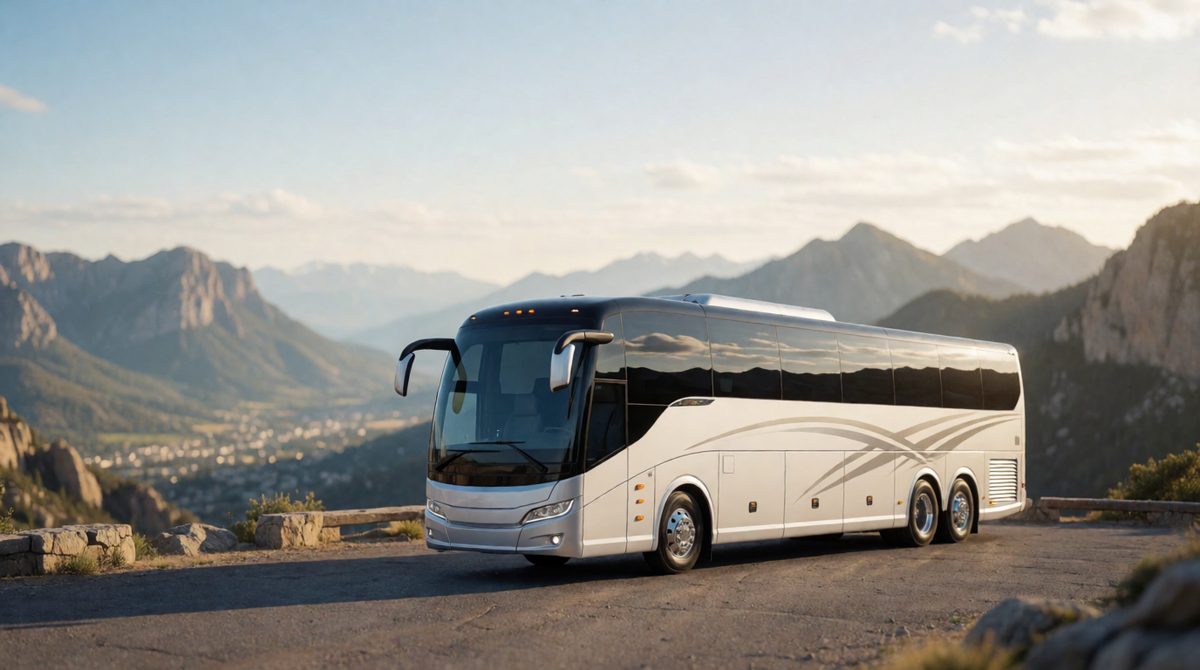
Coach travel is budget-friendly
Coach travel means travelling long distances by large motor vehicle typically carrying between 40 and 60 passengers. Coaches are one of the cheapest ways to travel between cities and are hugely popular with budget travellers, students and organised tour groups.
There are two main types of coach travel in tourism:
- Scheduled coach services fixed routes with timetables, like National Express in the UK or Flixbus across Europe.
- Inclusive tour coaches coaches used by tour operators to transport groups of tourists between destinations as part of a package holiday.
🔍 Case Study: Flixbus Budget Coach Travel Across Europe
Flixbus was founded in Germany in 2013 and has rapidly grown into Europe's largest coach network, operating in over 40 countries with more than 400,000 daily connections. Tickets can cost as little as £5, making it extremely popular with young backpackers and budget tourists. A student travelling from Amsterdam to Paris, for example, can book a Flixbus ticket for a fraction of the cost of a Eurostar train. Coaches are equipped with Wi-Fi, plug sockets and reclining seats making long journeys more comfortable than many people expect.
🔍 Case Study: National Express The UK's Coach Network
National Express is the UK's largest scheduled coach operator, running services between over 900 destinations across Britain. It's particularly popular for airport transfers connecting cities like Birmingham, Manchester and Bristol to London's Heathrow and Gatwick airports. For domestic tourists without a car, National Express provides an affordable alternative to expensive train fares. A coach from London Victoria to Edinburgh, for example, costs significantly less than the equivalent train journey.
👤 Who Uses Coaches?
Budget travellers, students, backpackers, elderly tourists on group tours, school trips and anyone who wants an affordable long-distance option.
💰 Cost Advantage
Coaches are almost always cheaper than trains for the same route. Flixbus and Megabus regularly offer tickets for under £10, making travel accessible to people on tight budgets.
🌎 Environmental Benefit
A full coach carrying 50 passengers produces far fewer carbon emissions per person than 50 individual cars. Coaches are one of the greener forms of road transport.
👍 Advantages of Coach Travel
- Very affordable often the cheapest option
- No driving stress sit back and relax
- Social atmosphere good for groups
- Environmentally efficient per passenger
- City-centre to city-centre no airport faff
👎 Disadvantages of Coach Travel
- Slow much slower than trains or planes
- Less comfortable on very long journeys
- Subject to traffic and road delays
- Limited luggage space compared to cars
- Fixed timetables less flexible than car hire
🚌 Local Buses The Tourist's Hidden Gem
Local buses are scheduled public transport services that run fixed routes within towns, cities or regions. They're not glamorous but for budget-conscious tourists and those wanting to experience local life, they're brilliant. Many popular tourist destinations have excellent bus networks that connect key attractions cheaply and efficiently.
Some destinations have developed tourist-specific bus services such as open-top sightseeing buses which combine transport with the tourist experience itself.
🔍 Case Study: The Hop-On Hop-Off Bus London
London's Big Bus Tours and The Original Tour operate open-top double-decker sightseeing buses around the capital. Tourists buy a day pass (typically £30–£40) and can jump on and off at major attractions including Buckingham Palace, the Tower of London and the London Eye. The buses include audio commentary in multiple languages. This type of service turns the bus journey itself into a tourist attraction passengers get panoramic views of the city from the top deck while learning about London's history.
🔍 Case Study: Malta's Public Bus Network
Malta is a small island nation in the Mediterranean that relies heavily on buses for public transport. The national bus network, operated by Malta Public Transport, connects Valletta (the capital) to beaches, historic sites and villages across the island. For tourists, a single bus ticket costs just €1.50, making it one of the cheapest ways to explore the island. Many tourists use the bus to reach the famous Blue Lagoon on Comino, the ancient temples of Ħaġar Qim and the walled city of Mdina.
👍 Advantages of Local Buses
- Very cheap often under £2 per journey
- Authentic experience travel like a local
- Environmentally efficient shared transport
- Wide coverage in tourist-heavy destinations
- No parking worries
👎 Disadvantages of Local Buses
- Confusing for tourists unfamiliar with routes
- Slow stops frequently
- Crowded in peak tourist season
- Language barriers signs not always in English
- Limited hours may not run late at night
📊 Comparing Road Transport Types
🚗 Car Hire
Best for: Independent travellers, families, rural exploration
Cost: Medium–High
Flexibility: Very High
Environmental impact: High
🚖 Taxis
Best for: Short city journeys, airport transfers
Cost: Medium–High
Flexibility: High
Environmental impact: High (single occupancy)
🚌 Coach / Bus
Best for: Budget travellers, long distances, groups
Cost: Low
Flexibility: Low–Medium
Environmental impact: Low per passenger
🌎 The Impact of Road Transport on Tourism Destinations
Road transport doesn't just move tourists it shapes destinations. The ability to reach a place by road can make or break its tourism industry. But too much road traffic brings its own problems.
🟢 Positive Impacts
- Opens up remote destinations that trains and planes can't reach
- Supports local economies car hire companies, taxi drivers, bus operators
- Allows tourists to spread spending across a region, not just one city
- Coach tourism brings large groups to attractions efficiently
- Creates jobs in transport, hospitality and services along routes
🔴 Negative Impacts
- Traffic congestion in popular tourist towns (e.g. the Cotswolds, Lake District)
- Air pollution from vehicle emissions damages local environments
- Parking pressure lack of space in historic town centres
- Road damage from heavy coach traffic
- Noise pollution affecting residents in tourist hotspots
🔍 Case Study: The Lake District Traffic and Tourism
The Lake District National Park in Cumbria, England, attracts over 19 million visitors per year. The vast majority arrive by car, causing severe congestion on narrow country roads particularly around Windermere, Ambleside and Keswick. In summer, traffic jams can stretch for miles. The National Park Authority has introduced park-and-ride schemes and promoted local bus services (the Stagecoach Lakesider bus) to reduce car use. This is a classic example of road transport creating both opportunity and challenge for a tourism destination.
📋 Exam Tips: Road Transport
✍ Key Exam Command Words
- "State" give a fact or name a type of road transport. No explanation needed.
- "Describe" explain what something is like. Use details and examples.
- "Explain" give reasons why. Use "because" and "therefore".
- "Discuss" give both sides of an argument. Advantages AND disadvantages.
- "Assess" weigh up the evidence and come to a conclusion.
💡 Key Things to Remember
- Car hire = flexibility and independence, but expensive and polluting
- Taxis = convenient and door-to-door, but costly for long distances
- Coaches = cheapest option, great for groups, but slow
- Local buses = authentic and cheap, but can be confusing for tourists
- Always link transport type to the type of tourist who would use it
- Remember both positive and negative impacts on destinations
- Use real examples Hertz, Uber, Flixbus, National Express, Big Bus Tours
📚 Quick Recap Road Transport in Tourism
- 🚗 Car hire gives tourists maximum freedom but comes at a cost financially and environmentally
- 🚖 Taxis (including Uber) are ideal for short, convenient journeys, especially in cities
- 🚌 Coach travel (Flixbus, National Express) is the budget traveller's best friend for long distances
- 🚌 Local buses offer cheap, authentic travel and hop-on hop-off buses turn transport into an attraction
- 🌎 Road transport opens up destinations but can cause congestion, pollution and pressure on local communities
- 🔍 Real case studies to use: Hertz, Uber, Flixbus, National Express, Big Bus London, Malta buses, Lake District