✈ Transport Types in Tourism
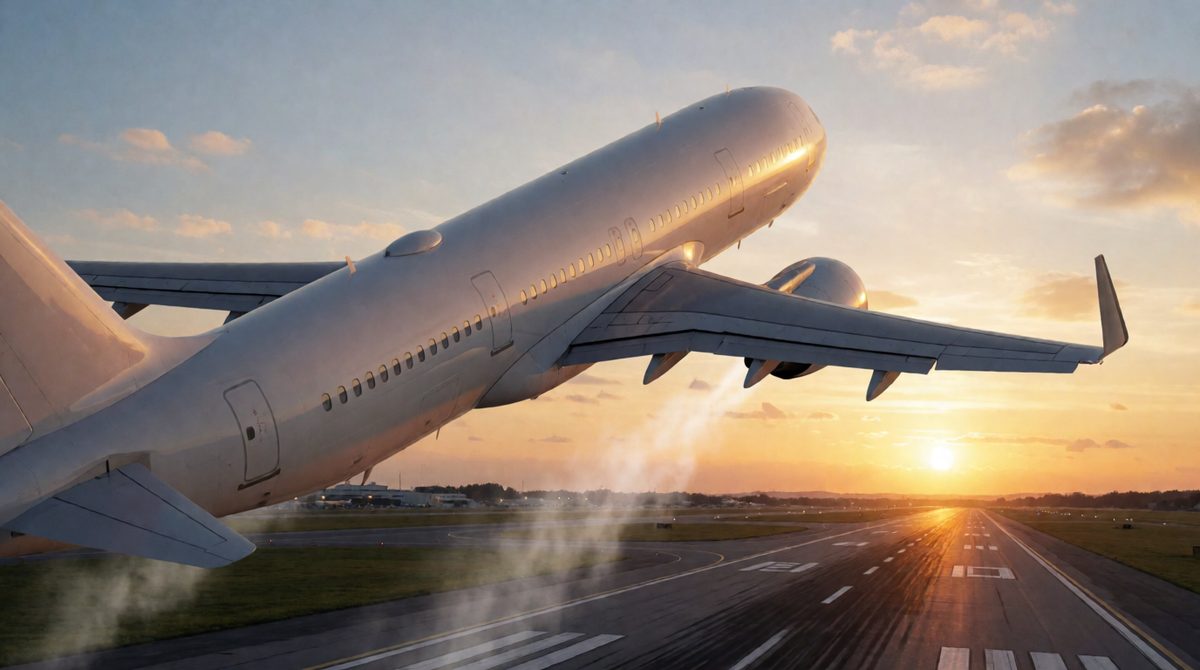
Planes, trains, ships and coaches all move tourists
Getting from A to B is a huge part of any holiday. Transport is one of the most important parts of the tourism industry without it, tourists simply can't reach their destinations. For your iGCSE exam, you need to know the main types of transport, their advantages and disadvantages and how they affect tourism.
Key Definitions:
- Transport: The means by which tourists travel from their origin to their destination and around at the destination.
- Infrastructure: The physical systems and structures that support tourism roads, airports, railways, ports and terminals.
- Accessibility: How easy it is for tourists to reach a destination using available transport links.
- Hub airport: A major airport that acts as a connection point for flights to many other destinations (e.g. Dubai International, Heathrow).
✈ Air Transport
Air travel is the dominant form of long-haul tourism transport. It is fast and connects continents, but it is also the most polluting per journey. Budget airlines like Ryanair and easyJet have made short-haul air travel affordable for millions. Long-haul carriers like Emirates and British Airways connect global tourist markets. Key terms: charter flights (booked by tour operators for package holidays) vs scheduled flights (regular timetabled services).
🚘 Road Transport
Road transport includes private cars, coaches, taxis and hire cars. It offers flexibility and door-to-door access, making it popular for domestic tourism and short breaks. Coach travel is cost-effective for groups. However, road transport contributes to congestion and carbon emissions, especially in popular tourist areas. The UK's motorway network and Europe's road system are vital for tourism movement.
🚉 Rail Transport
Rail is considered one of the most sustainable forms of motorised transport. High-speed rail (like the Eurostar or Japan's Shinkansen bullet train) can compete with short-haul flights on journey time. Rail is popular for city-to-city travel and scenic tourist routes. The Orient Express is even a tourist attraction in itself. Rail infrastructure requires huge investment but has long-term benefits for tourism and sustainability.
⛵ Water Transport
Water transport includes cruise ships, ferries and river boats. Cruising is one of the fastest-growing tourism sectors companies like Carnival and Royal Caribbean carry millions of passengers annually. Ferries are important for island destinations (e.g. Greek islands, the Isle of Wight). Water transport is generally slower but can itself be the tourist experience. Large cruise ships, however, have significant environmental concerns including fuel emissions and waste disposal.
📈 Comparing Transport Types: A Quick Overview
In the exam, you may be asked to compare transport types. Use this framework to structure your answers:
⏱ Speed
Air is fastest for long distances. High-speed rail is competitive over medium distances (e.g. London to Paris: 2h15 by Eurostar). Road and sea are slowest.
💰 Cost
Budget airlines and coaches are cheapest. Rail can be expensive without advance booking. Cruises vary from budget to ultra-luxury. Private car costs depend on distance and fuel.
🌿 Environmental Impact
Rail and electric vehicles have the lowest carbon footprint. Aviation is the highest per passenger for long-haul. Cruise ships produce significant local air and water pollution.
🔍 Case Study: Eurostar and Cross-Channel Tourism
The Eurostar high-speed rail service connects London St Pancras with Paris, Brussels and Amsterdam. Since opening in 1994, it has transformed short-break tourism between the UK and Europe. A return trip from London to Paris produces around 90% less CO₂ than the equivalent flight. Eurostar carries approximately 10 million passengers per year. It is a prime example of how rail infrastructure can boost tourism while reducing environmental impact. The Channel Tunnel the infrastructure that makes Eurostar possible cost £9 billion to build and took six years to complete.
🌿 Sustainable Tourism: What It Is and Why It Matters
Sustainability is a huge theme in modern tourism and it's a key part of your iGCSE exam. Tourism can bring enormous economic benefits, but it can also damage the very environments and communities that attract tourists in the first place. Sustainable tourism tries to find the right balance.
Key Definitions:
- Sustainable tourism: Tourism that meets the needs of present tourists and host regions while protecting and enhancing opportunities for the future (UNWTO definition).
- Ecotourism: Responsible travel to natural areas that conserves the environment and improves the wellbeing of local people.
- Carbon footprint: The total amount of greenhouse gases produced by a journey or activity, measured in CO₂ equivalent.
- Carrying capacity: The maximum number of tourists a destination can handle without causing unacceptable damage to the environment or local community.
- Overtourism: When too many tourists visit a place, causing damage to infrastructure, the environment and quality of life for residents.
⚖ The Three Pillars of Sustainable Tourism
Sustainable tourism must balance three things at once. These are sometimes called the "triple bottom line":
🌿 Environmental
Protecting natural habitats, reducing pollution, limiting carbon emissions, preserving biodiversity and managing visitor numbers to avoid damage to ecosystems.
👪 Social & Cultural
Respecting local cultures and traditions, ensuring tourism benefits local communities, avoiding displacement of residents and preserving heritage sites for future generations.
💰 Economic
Ensuring tourism income stays in the local economy (reducing leakage), creating fair employment, supporting local businesses and making tourism viable long-term.
🔍 Case Study: Costa Rica A Leader in Ecotourism
Costa Rica is one of the world's best examples of sustainable tourism done right. Despite covering just 0.03% of the Earth's surface, it contains around 5% of the world's biodiversity. The government has invested heavily in protecting rainforests and wildlife and tourism is built around this natural wealth. Over 25% of the country's land is protected as national parks or reserves. Tourists pay entry fees that fund conservation. Local guides and eco-lodges provide income for communities. Costa Rica's approach shows that protecting the environment and growing tourism can go hand in hand a model the exam loves!
🏛 Tourism Infrastructure: The Backbone of Travel

Airports, railway stations and roads are the infrastructure that gets tourists from A to B
Infrastructure is everything that makes tourism physically possible. Without airports, roads, ports and communication networks, tourists can't move, stay or spend money. Governments and private companies both invest in infrastructure and the quality of infrastructure directly affects how many tourists a destination can attract.
Key Definitions:
- Hard infrastructure: Physical structures airports, roads, railways, ports, hotels, water supply, sewage systems.
- Soft infrastructure: Services and systems tourist information centres, signage, trained workforce, digital booking systems.
- Gateway: A major entry point into a country or region, usually a large international airport or port (e.g. Heathrow for the UK, JFK for the USA).
🏠 Why Infrastructure Investment Matters
Poor infrastructure puts tourists off. Potholed roads, unreliable power supplies and overcrowded airports create negative experiences and damage a destination's reputation. Countries like China and the UAE have invested massively in tourism infrastructure Dubai's airport became the world's busiest international airport partly because of its state-of-the-art facilities and connections. Improving infrastructure also benefits local residents, not just tourists.
⚠ Infrastructure and Overtourism
Sometimes infrastructure can't keep up with tourist numbers. Venice, Italy receives around 30 million visitors per year its medieval streets and canals were never designed for this volume. Cruise ships bring thousands of day-trippers who contribute little economically but cause significant congestion and pollution. In 2021, Venice banned large cruise ships from the historic lagoon a direct response to infrastructure and environmental pressure.
🔍 Case Study: Dubai Infrastructure Driving Tourism Growth
Dubai (UAE) is one of the most dramatic examples of infrastructure investment transforming tourism. In the 1970s, Dubai was a small trading port. Today it is one of the world's top tourist destinations, welcoming over 14 million international visitors per year. Key infrastructure investments include: Dubai International Airport (world's busiest for international passengers), the Dubai Metro (clean, air-conditioned urban rail), the Palm Jumeirah (artificial island with luxury hotels) and the Burj Khalifa (world's tallest building, a major tourist attraction). The government of Dubai has used oil wealth to fund infrastructure that attracts tourists, businesses and residents a deliberate strategy to diversify the economy away from oil dependency.
📋 Sustainable Transport Solutions: What's Being Done?
The tourism industry knows it has a problem with carbon emissions and is working on solutions. Here are some key developments you should know for the exam:
- Electric vehicles (EVs): Growing use of electric buses and hire cars at tourist destinations reduces local air pollution. Iceland uses geothermal-powered EVs for tourist transport.
- Sustainable Aviation Fuel (SAF): Airlines like British Airways are trialling fuels made from waste materials that produce up to 80% less CO₂ than conventional jet fuel.
- Slow travel: A growing movement encouraging tourists to travel by train or ferry rather than fly, spend longer in fewer places and reduce their carbon footprint.
- Carbon offsetting: Tourists or airlines pay into schemes that plant trees or fund renewable energy to compensate for emissions though critics argue this doesn't actually reduce emissions.
- Congestion management: Destinations like Machu Picchu (Peru) now limit daily visitor numbers and require timed entry tickets to protect the site and manage transport pressure.
💡 Exam Tip: Linking Transport, Sustainability and Infrastructure
Exam questions often ask you to link these three themes together. For example: "Explain how improvements to transport infrastructure can make tourism more sustainable." A strong answer would mention: investment in rail reducing car use → lower emissions → less damage to natural environments → more sustainable tourism. Always use named examples examiners reward specific case studies over vague generalisations.
📝 Theme 3 Exam Practice
Use these practice questions to test yourself. Cover your notes and try to answer from memory first then check back.
✍ Exam-Style Questions
📄 2-Mark Questions
- State two advantages of rail transport over air transport for short-haul tourism. (2 marks)
- Define the term 'carrying capacity' in the context of tourism. (2 marks)
- Give two examples of hard tourism infrastructure. (2 marks)
📄 4 & 6-Mark Questions
- Explain how investment in transport infrastructure can help a destination attract more tourists. (4 marks)
- Explain why sustainable tourism is important for both the environment and local communities. (4 marks)
- "Air transport does more harm than good to the tourism industry." Discuss this statement. (6 marks)
✍ How to Answer a 6-Mark "Discuss" Question
For 6-mark questions, you need to show both sides of the argument and reach a conclusion. Use this structure:
- Point: Make a clear statement. "Air transport has greatly increased global tourism..."
- Evidence: Support with a fact or example. "...budget airlines like Ryanair have made flying affordable for millions of Europeans."
- Counter-point: Give the other side. "However, aviation is a major source of CO₂ emissions..."
- Evidence: "...a return flight from London to New York produces around 1.5 tonnes of CO₂ per passenger."
- Conclusion: Give your overall judgement. "Overall, while air transport has been transformative for tourism, its environmental costs mean the industry must invest in sustainable alternatives."
🔎 Theme 3 Consolidation: Key Terms Glossary
Make sure you can define and use all of these terms confidently in the exam:
- Charter flight: A flight booked entirely by a tour operator for their customers, not on a regular timetable.
- Scheduled flight: A regular, timetabled flight available to any passenger.
- Ecotourism: Tourism focused on natural environments that benefits conservation and local communities.
- Overtourism: When visitor numbers exceed what a destination can sustainably manage.
- Carbon offsetting: Compensating for CO₂ emissions by funding environmental projects elsewhere.
- Sustainable Aviation Fuel (SAF): Low-carbon fuel alternatives for aircraft engines.
- Hub airport: A major airport used as a transfer point between flights.
- Leakage: When tourism income leaves the local economy, e.g. profits going to foreign-owned companies.
- Slow travel: A tourism philosophy favouring low-carbon, immersive travel over fast, high-carbon trips.
- Gateway: The main entry point to a country or region for tourists.
🏆 Final Revision Checklist
Before your exam, make sure you can:
- ✅ Name and describe the four main types of transport used in tourism
- ✅ Compare transport types by speed, cost, accessibility and environmental impact
- ✅ Define sustainable tourism and explain its three pillars
- ✅ Give a named example of a destination with sustainable tourism practices (e.g. Costa Rica)
- ✅ Explain what tourism infrastructure is and why it matters
- ✅ Use Dubai as a case study for infrastructure-led tourism growth
- ✅ Describe at least three sustainable transport solutions
- ✅ Structure a 6-mark "discuss" answer with both sides and a conclusion
- ✅ Use key vocabulary accurately in your exam answers