👥 Delivering Service to Different Customer Types
Not all customers are the same and great customer service means recognising that. A solo backpacker booking a hostel has very different needs from a family of five booking a package holiday. A business traveller rushing to catch a flight needs something completely different from a retired couple on a cruise. The best travel and tourism organisations train their staff to spot these differences quickly and adjust how they communicate and what they offer.
Key Definitions:
- Customer type: A category of customer grouped by shared characteristics such as age, purpose of travel, group size, or specific needs.
- Tailored service: Adjusting how you deliver service to match the specific needs of an individual or group.
- Needs and expectations: What a customer requires (needs) and what they hope or assume they will receive (expectations).
👤 Individual Customers
Solo travellers often want efficiency, independence and flexibility. They may be confident and need less hand-holding, but they still appreciate being treated as an individual rather than just a booking reference. Staff should be friendly but not pushy and offer clear, concise information.
👪 Groups and Families
Families and groups need coordination. A family with young children will need information about child-friendly facilities, safety and meal options. Groups may need help managing logistics. Staff must be patient, organised and ready to answer lots of questions at once.
✈ Business Travellers vs Leisure Travellers
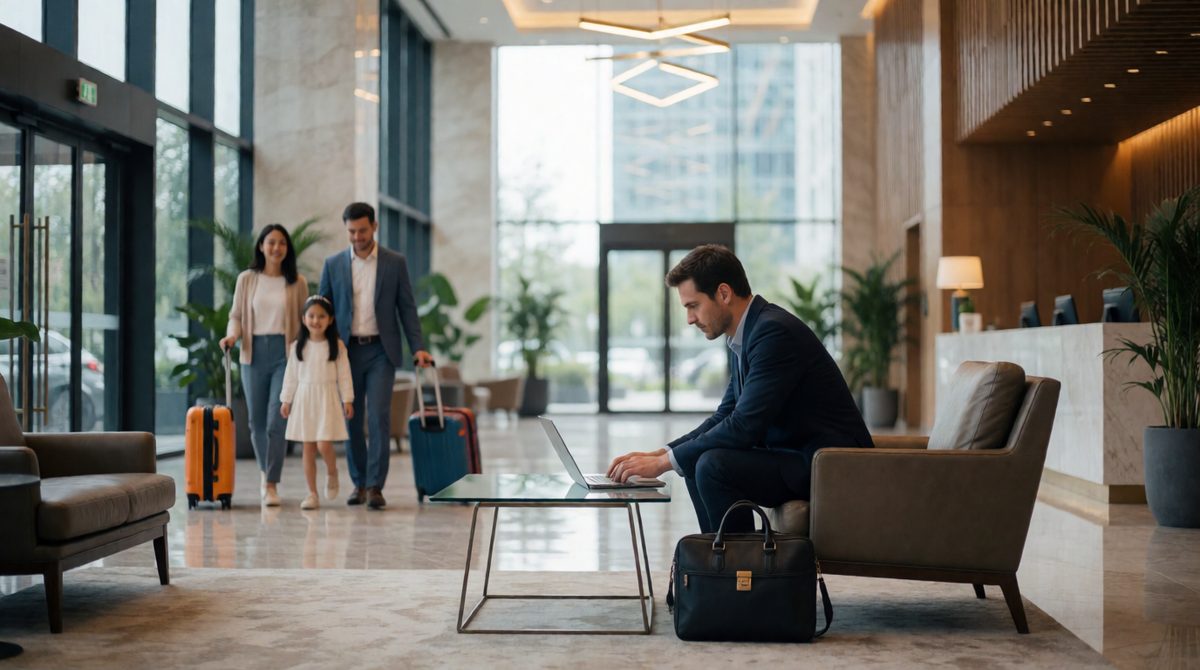
Business and leisure travellers have different needs
One of the most important distinctions in travel and tourism is between people travelling for work and people travelling for pleasure. Their priorities are almost completely different and staff who don't recognise this can easily get it wrong.
💼 Business Travellers
Business travellers are usually time-pressured, experienced travellers who know what they want. They tend to be less price-sensitive (often because their employer is paying) but highly sensitive to delays, poor Wi-Fi, or inefficiency. They value reliability above all else.
⏱ Time
Fast check-in, express lanes, punctual departures. Every minute counts when there's a meeting to get to.
📱 Connectivity
Reliable Wi-Fi, charging points and quiet spaces to work are essential not optional extras.
🏢 Comfort
Business class seats, quiet hotel rooms and a good breakfast before an early meeting all matter enormously.
🏖 Leisure Travellers
Leisure travellers are on holiday they want to enjoy themselves! They may be less experienced, more curious and more likely to ask for recommendations. They often have more time but may be more price-conscious. Staff should be warm, enthusiastic and helpful with suggestions.
A leisure traveller asking "what's worth seeing nearby?" is a brilliant opportunity to create a memorable experience. Staff who give a genuine, enthusiastic answer rather than pointing at a leaflet rack make a real difference.
📋 Case Study: Marriott Hotels Serving Two Masters
Marriott International operates brands at different levels to serve both business and leisure customers. Their Courtyard by Marriott brand was specifically designed for business travellers with desks in every room, fast Wi-Fi and grab-and-go breakfast options. Meanwhile, their Marriott Vacation Club resorts are built entirely around leisure, with pools, entertainment and family activities. The same company, completely different service approach because the customer types are completely different.
👴 Customers with Specific Needs
Some customers have needs that go beyond the standard service offer. Travel and tourism organisations have a legal and moral responsibility to ensure these customers are not disadvantaged. The Equality Act 2010 in the UK means organisations must make reasonable adjustments for customers with disabilities.
♿ Customers with Disabilities
This includes physical disabilities (e.g. wheelchair users), visual or hearing impairments and hidden disabilities such as autism or anxiety. Staff should never make assumptions always ask how you can help. Airports like Heathrow offer a Hidden Disabilities Sunflower Lanyard scheme so staff know to offer extra support discreetly.
👴 Elderly Customers
Older travellers may need more time, clearer explanations and assistance with technology such as online check-in. They may also have mobility needs. Staff should be patient and speak clearly but never be condescending. Many older travellers are very experienced and simply appreciate respectful, attentive service.
👶 Young Travellers and Children
Children travelling with families need age-appropriate communication. A member of staff crouching down to speak to a child at eye level, or offering a colouring sheet during a long wait, can transform a stressful family experience into a positive one. Some organisations go further Disney theme parks train all staff (called "Cast Members") to treat every child as a VIP guest, using their name and engaging with them directly.
Young adult travellers (18–25) often travel on a budget and respond well to honest, straightforward advice. They're likely to share their experience on social media, so a great interaction can become free positive publicity.
📋 Case Study: Thomson (now TUI) Kids' Clubs
TUI recognised that families with children have very specific needs on holiday. Their Kids' Clubs, available at many TUI resorts, are staffed by trained childcare workers who entertain children while parents relax. This isn't just a nice extra it's a core part of their service offer for family customers. Parents who feel their children are safe and happy become loyal repeat customers. TUI reports that families who use Kids' Clubs give significantly higher satisfaction scores than those who don't.
🌐 Customers from Different Cultures and Languages
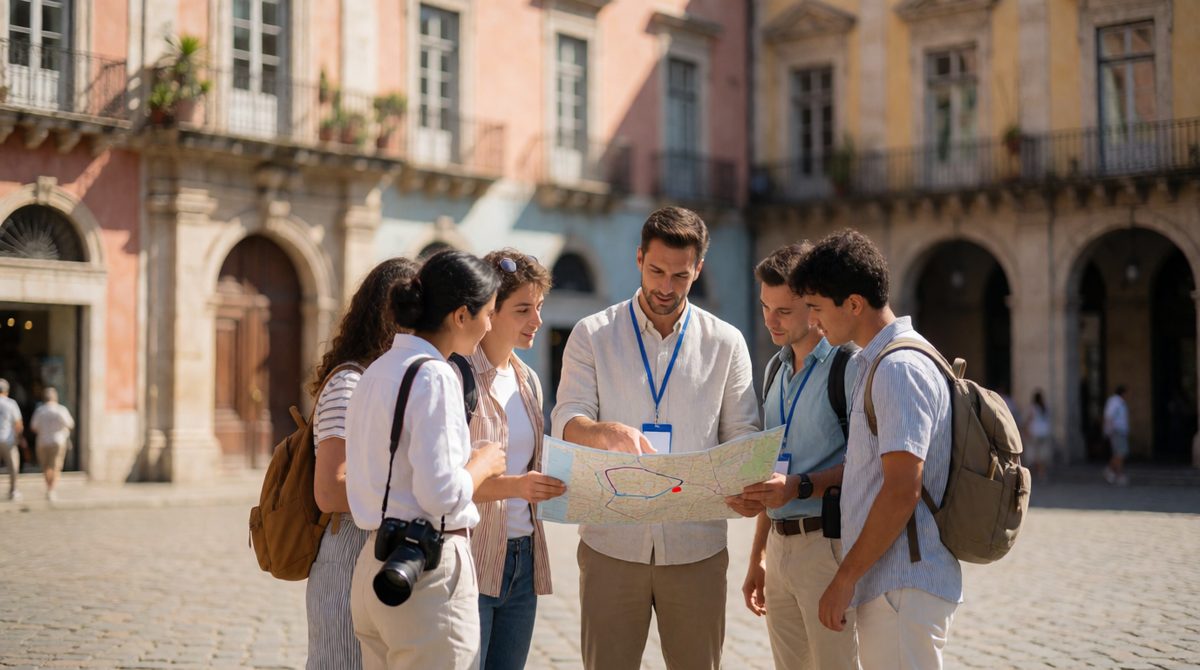
Customers from different cultures and languages need patience, clear speech and respect
The travel and tourism industry is genuinely global. A hotel in London might welcome guests from Japan, Brazil, Saudi Arabia and Germany all in the same day. Each guest brings different cultural expectations, communication styles and sometimes language barriers.
💬 Language Barriers
When a customer doesn't speak English fluently, staff should speak slowly and clearly (not loudly!), use simple vocabulary, avoid jargon and use visual aids or gestures where helpful. Many organisations now use translation apps or employ multilingual staff. Never make a customer feel embarrassed about a language barrier patience and a smile go a very long way.
🏭 Cultural Differences
Cultural awareness is a key skill in tourism. For example, in some cultures direct eye contact is respectful; in others it can feel aggressive. Some guests may have dietary requirements linked to religion (halal, kosher, vegetarian). Some cultures expect a more formal service style; others prefer a relaxed, friendly approach. Staff training in cultural awareness helps organisations avoid misunderstandings and deliver genuinely inclusive service.
🏭 Dietary Needs
Hotels and airlines must cater for halal, kosher, vegan and allergy-specific diets. Failing to do so can exclude entire customer groups.
💬 Communication Style
Some cultures prefer formal titles (Mr, Mrs, Dr). Others are happy with first names. Reading the customer and adapting quickly is a key skill.
👑 Religious Observance
Prayer times, dress codes and religious holidays can all affect what customers need. Awareness avoids awkward situations.
📈 Adapting Communication Style
Delivering great service to different customer types isn't just about what you offer it's about how you communicate. The same information delivered in the wrong way can confuse, offend, or simply fail to help. Good tourism staff are flexible communicators.
- Tone: Formal with business clients; warm and friendly with families; calm and reassuring with anxious or elderly customers.
- Language: Simple and jargon-free with non-native speakers or younger customers; more technical with experienced travellers who want detail.
- Medium: Some customers prefer face-to-face; others prefer written confirmation by email; younger customers may prefer a quick message or app notification.
- Pace: Slow down for customers who need more time to process information; be efficient and direct with time-pressured business travellers.
💡 Key Exam Point
In your exam, you may be asked to describe how a travel and tourism organisation should serve a specific type of customer. Always link your answer to the specific needs of that customer type don't give a generic answer about "being polite and helpful." For example: "A business traveller would need fast, efficient check-in because they are time-pressured, so the hotel should offer an express check-in service and ensure their room is ready on arrival."
✅ Bringing It All Together
The best travel and tourism organisations don't treat all customers the same they treat each customer as an individual with unique needs. Whether it's a nervous first-time flyer, a wheelchair user navigating an airport, a Japanese tourist who speaks limited English, or a CEO who needs to be in a meeting by 9am, great service means recognising what that person needs and delivering it.
This is what separates average organisations from outstanding ones and it's exactly what the iGCSE examiners want to see you demonstrate in your answers.
📋 Final Case Study: Singapore Airlines
Singapore Airlines is consistently rated one of the world's best airlines for customer service. A key reason is their approach to different customer types. Their cabin crew undergo four months of training far longer than most airlines which includes cultural awareness, communication skills and how to identify and respond to different passenger needs. They are trained to notice if a passenger seems anxious, unwell, or confused and to respond appropriately without being asked. This proactive, tailored approach is why they win awards year after year and why customers remain fiercely loyal.