🌟 What Are Customer Service Standards?
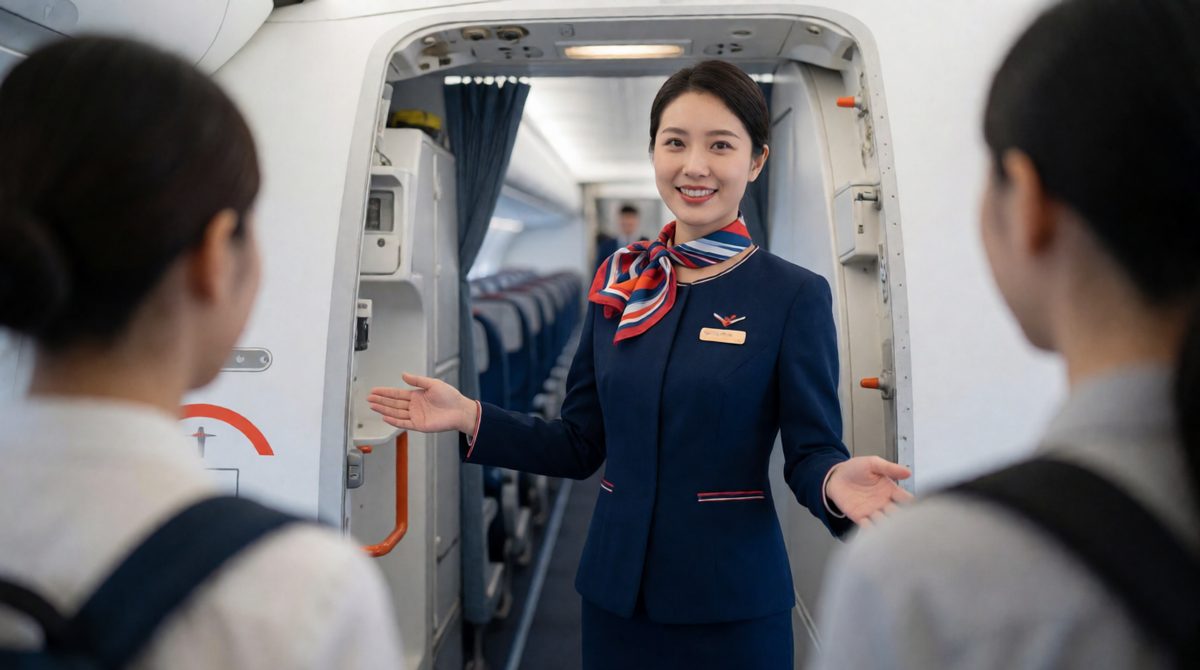
Service standards keep customer service consistent
Every travel and tourism business wants happy customers but wanting it isn't enough. Organisations need to set clear customer service standards: specific targets and rules that tell staff exactly how customers should be treated. Think of standards as the rulebook for great service.
Key Definitions:
- Customer Service Standards: A set of guidelines or targets that describe the level of service a customer should expect from an organisation.
- Service Level Agreement (SLA): A formal document that sets out the minimum standard of service a customer can expect.
- Benchmark: A point of reference used to measure performance for example, "all calls answered within 3 rings."
- Consistency: Delivering the same quality of service every time, to every customer.
Standards cover everything from how quickly a hotel receptionist greets a guest, to how a tour rep handles a complaint on a beach in Spain. Without standards, service becomes unpredictable and unpredictable service loses customers.
📋 Formal Standards
These are written down and officially adopted by the organisation. Examples include response time targets ("reply to all emails within 24 hours"), dress codes for staff and scripts for answering the phone. Large chains like Hilton or TUI use formal standards across all their locations worldwide.
🤝 Informal Standards
Smaller businesses may have unwritten expectations for example, a family-run B&B where the owner always offers guests a cup of tea on arrival. These informal standards can be just as powerful, but they're harder to maintain as a business grows.
🎯 Why Standards Matter: The Business Case
Setting standards isn't just about being polite it directly affects whether a business survives. Here's why standards are so important in travel and tourism specifically:
📈 The Impact of Standards on Business Success
Travel and tourism is a highly competitive industry. Customers have enormous choice they can book flights, hotels and holidays with hundreds of different providers. Standards help businesses stand out and keep customers coming back.
💰 Revenue
Satisfied customers spend more and return more often. Research by the Institute of Customer Service shows that loyal customers are worth up to 10 times their first purchase.
⭐ Reputation
Online reviews on TripAdvisor, Google and Booking.com mean one bad experience can reach thousands of potential customers. High standards protect a business's reputation.
👥 Staff Morale
Clear standards give staff confidence they know exactly what's expected. This reduces stress, improves performance and lowers staff turnover.
💡 Did You Know?
According to research, 96% of unhappy customers don't complain they just leave and never come back. This is why proactive service standards (not waiting for complaints) are so important. If a hotel waits for guests to complain about cold showers, it's already too late for most of them.
📚 Types of Customer Service Standards in Travel & Tourism
Standards in this industry cover a wide range of areas. Let's look at the main categories:
⏳ Time-Based Standards
These set targets for how quickly something should happen. Speed matters enormously in travel nobody wants to wait 45 minutes to check into a hotel after a long flight.
- Check-in completed within 5 minutes (Premier Inn target)
- Customer service calls answered within 20 seconds
- Complaints acknowledged within 24 hours
- Baggage delivered to carousel within 20 minutes of landing (many airport standards)
💬 Communication Standards
How staff speak to customers is just as important as what they do. Communication standards cover tone, language, body language and written communication.
- Always greet customers by name where possible
- Use clear, jargon-free language
- Maintain eye contact and smile during face-to-face interactions
- Written communications must be professional and free from spelling errors
🏠 Facility and Environment Standards
The physical environment is part of the service experience. Standards here include cleanliness, safety and presentation.
- Hotel rooms cleaned and inspected before each new guest
- Restaurant tables cleared within 3 minutes of guests leaving
- All safety equipment checked daily at visitor attractions
- Signage clear and visible in multiple languages at major airports
📋 Case Study: Premier Inn "Good Night Guarantee"
Premier Inn, the UK's largest hotel chain, operates a bold customer service standard called the "Good Night Guarantee." If a guest doesn't have a good night's sleep, they get their money back no questions asked. This is a powerful example of a formal, public-facing service standard. It tells customers exactly what to expect and holds the business accountable. Premier Inn consistently scores highly in customer satisfaction surveys and the guarantee is a key part of their brand identity. It also motivates staff to maintain room quality and comfort because they know the standard is being measured.
👨🏫 Staff Training and Service Standards
Standards are only useful if staff actually follow them. This is where training comes in. Training ensures that every member of staff from a new receptionist to an experienced tour guide knows the standards and can deliver them consistently.
📚 Induction Training
When new staff join a travel or tourism business, they go through induction training. This introduces them to the company's service standards, values and procedures. A new TUI rep, for example, will spend weeks learning how to handle customer queries, manage excursions and deal with complaints all to a specific standard.
🔄 Ongoing Training
Standards change over time new technology, new customer expectations, new regulations. Ongoing training keeps staff up to date. British Airways, for example, regularly retrains cabin crew in customer service techniques, especially when introducing new routes or aircraft types.
Training methods used in travel and tourism include:
- Role play: Practising difficult customer conversations in a safe environment
- Shadowing: New staff follow experienced colleagues to learn on the job
- E-learning: Online modules covering company policies and procedures
- Mystery shopper feedback: Staff are observed by undercover assessors and given feedback
🔎 Monitoring and Measuring Service Standards
How does a business know if its standards are being met? It has to measure performance. This is an ongoing process not just a one-off check.
📊 Methods of Monitoring Standards
📋 Customer Surveys
Questionnaires given to customers after their experience. Hotels often leave comment cards in rooms; airlines send follow-up emails. Results are analysed to spot patterns and problems.
🕵 Mystery Shoppers
A trained assessor visits or contacts the business pretending to be a normal customer. They evaluate the service against the set standards and report back. Used widely by travel agents and hotel chains.
🌐 Online Reviews
TripAdvisor, Google Reviews and Booking.com provide real-time feedback from real customers. Many businesses monitor these daily and respond publicly to both positive and negative reviews.
📝 Complaint Monitoring
Tracking complaints is one of the most direct ways to identify where standards are failing. A well-run travel business will log every complaint, categorise it (e.g. cleanliness, staff attitude, waiting times) and look for patterns. If 30 guests in one month complain about slow room service, that's a clear sign a standard isn't being met.
📋 Case Study: TripAdvisor and the Maldives Resort
In 2018, a luxury Maldives resort noticed its TripAdvisor rating dropping from 4.8 to 4.2 stars over three months. By analysing the reviews, management identified that most complaints were about slow response times at the beach bar. They introduced a new standard: all beach orders to be taken within 5 minutes. Within two months, the rating recovered to 4.7. This real-world example shows how monitoring online reviews can directly inform and improve service standards.
📢 Handling Complaints: Turning Problems into Opportunities
No matter how good the standards are, things will sometimes go wrong. A delayed flight, a noisy hotel room, a lost booking these things happen. What separates great businesses from average ones is how they respond.
Effective complaint handling is itself a customer service standard. Most travel and tourism organisations have a formal complaints procedure:
- Listen let the customer explain without interrupting
- Apologise even if it wasn't the company's fault, acknowledge the customer's frustration
- Investigate find out what went wrong
- Resolve offer a solution: refund, upgrade, voucher, or simply fixing the problem
- Follow up check the customer is satisfied with the outcome
💡 Key Exam Point
In the exam, you may be asked to evaluate a business's customer service standards. Remember to consider: Are the standards clearly defined? Are staff trained to meet them? Are they being monitored? How are complaints handled? A business that does all four of these things well is likely to have high customer satisfaction and strong repeat business.
🏆 Quality Assurance Schemes and Awards
Some organisations use external quality assurance schemes to prove their standards to customers. These are awarded by independent bodies and give customers confidence before they even arrive.
- ⭐ Star Ratings (Hotels): The AA and Visit England award 1–5 stars based on inspections of facilities and service standards. A 5-star hotel must meet extremely high standards in every area.
- 🎉 ABTA Membership: Travel agents and tour operators who are members of ABTA must follow a strict code of conduct for customer service.
- 🌎 Green Globe Certification: Awarded to tourism businesses that meet environmental and service sustainability standards.
- 📈 Skytrax Airline Ratings: Independent ratings for airlines based on cabin service, seat comfort, food and staff Emirates and Singapore Airlines regularly achieve 5-star Skytrax ratings.
📋 Case Study: The AA Hotel Star Rating System
The Automobile Association (AA) inspects thousands of UK hotels every year against a detailed checklist of standards. To achieve 5 stars, a hotel must offer 24-hour room service, a concierge, valet parking and demonstrate consistently exceptional service across all departments. Inspectors stay anonymously and assess everything from the quality of the welcome to the thread count of the bed linen. Hotels that lose a star face significant reputational damage and a drop in bookings. This external pressure motivates hotels to maintain and continuously improve their internal service standards.
✅ Summary: Customer Service Standards in Practice
Let's pull everything together. Customer service standards are the foundation of quality service in travel and tourism. They tell staff what to do, give customers clear expectations and give businesses a way to measure and improve performance.
📋 Set Standards
Define clear, measurable targets for every aspect of customer interaction from greeting times to complaint resolution.
📚 Train Staff
Use induction and ongoing training to ensure every team member understands and can deliver the standards consistently.
🔎 Monitor and Improve
Use surveys, mystery shoppers, online reviews and complaint data to check standards are being met and fix them when they're not.
Whether it's a budget hostel in Edinburgh or a 5-star resort in Dubai, the principle is the same: know your standards, train your team and keep measuring. That's how great customer service is built and maintained.