🏢 What Are Tourism Facilities?
When tourists visit a destination, they need more than just something to look at. They need places to sleep, eat, get information, travel around and feel safe and comfortable. These are called facilities and getting them right is one of the most important jobs in the travel and tourism industry.
Different types of tourists need different types of facilities. A backpacker travelling solo has very different needs from a family with young children, a business traveller, or an elderly couple on a cruise. Tourism providers must think carefully about who their customers are and what facilities those customers expect.
Key Definitions:
- Facilities: The physical resources and services provided at a tourism destination or venue to meet tourists' needs for example, toilets, restaurants, car parks, hotels and information centres.
- Sustainably managed facilities: Facilities that are designed, operated and maintained in a way that minimises environmental damage, supports local communities and can continue to function well into the future without using up resources.
- Carrying capacity: The maximum number of tourists a destination can handle without causing damage to the environment, local culture, or visitor experience.
- Eco-friendly: Products, services, or practices that cause little or no harm to the natural environment.
🏠 Basic Facilities
These are the essentials that all tourists expect. Without them, a destination simply cannot function as a tourism product. They include:
- Accommodation (hotels, hostels, campsites)
- Food and drink outlets
- Transport links (roads, buses, airports)
- Toilets and washing facilities
- Tourist information points
- Car parking
- Emergency and medical services
🌿 Sustainably Managed Facilities
These go a step further. They provide everything tourists need while protecting the environment and local community. Examples include:
- Solar-powered visitor centres
- Recycling and composting systems
- Water-saving showers and taps in hotels
- Electric vehicle (EV) charging points
- Locally sourced food in restaurants
- Boardwalks to protect fragile ecosystems
- Timed entry ticketing to manage visitor numbers
👥 Facilities for Different Types of Tourists
Tourism providers must match their facilities to their target market. Let's look at how different tourist types have different facility needs and how those needs can be met sustainably.
👪 Families with Young Children
Families need safe, convenient and child-friendly facilities. Long queues, lack of baby-changing rooms, or no pushchair access can ruin a family holiday. Providers who get this right attract repeat visits and strong word-of-mouth recommendations.
🛀 Access Needs
Wide pathways, lifts, pushchair-friendly surfaces and safe play areas are essential. Ramps and smooth paths help families with buggies navigate easily.
🍽 Food Needs
Children's menus, high chairs, allergy-friendly options and quick service matter to families. Many sustainable venues now offer locally sourced, healthy children's meals.
🚲 Sustainable Angle
Reusable cups and plates, no single-use plastics and nature-based play areas teach children about the environment while reducing waste at the venue.
👴 Elderly Tourists
Older tourists are one of the fastest-growing segments in global tourism. They often have more time and money to travel, but may need facilities that cater for reduced mobility, health needs, or a preference for comfort over adventure.
- Seating areas and rest points along walking routes
- Accessible toilets close to attractions
- Clear, large-print signage
- Slower-paced guided tours
- Shuttle services within large sites
- Medical facilities or first-aid points nearby
Sustainably managed sites can use electric buggies or shuttles instead of petrol-powered vehicles to move elderly visitors around large attractions reducing emissions while improving access.
✈ Business Tourists
Business tourists prioritise efficiency, connectivity and professionalism. They need facilities that let them work and meet clients without disruption.
- High-speed Wi-Fi throughout the hotel or venue
- Conference and meeting rooms
- Express check-in and check-out
- On-site restaurants with flexible dining hours
- Printing and business support services
- Proximity to transport hubs
Many business hotels now hold sustainability certifications and offer carbon-offset programmes for corporate clients who want to reduce their environmental footprint.
🏭 Case Study: Center Parcs UK Facilities for All Tourist Types
Center Parcs is a brilliant example of a provider that tailors facilities to multiple tourist types within one site. Their UK villages (such as Sherwood Forest and Longleat Forest) offer:
- Families: Subtropical Swimming Paradise, children's activity clubs, baby equipment hire and family lodges with full kitchens
- Elderly guests: Accessible lodges, mobility scooter hire and gentle spa treatments
- Couples: Adult-only spa areas, fine dining and cycling routes through the forest
- Sustainability: Center Parcs bans cars from the village during stays, uses biomass boilers for heating, sources food locally and manages the surrounding forest as a protected habitat
This approach shows how thoughtful facility planning can serve diverse tourists and protect the natural environment at the same time.
🌿 Sustainably Managed Facilities Why They Matter
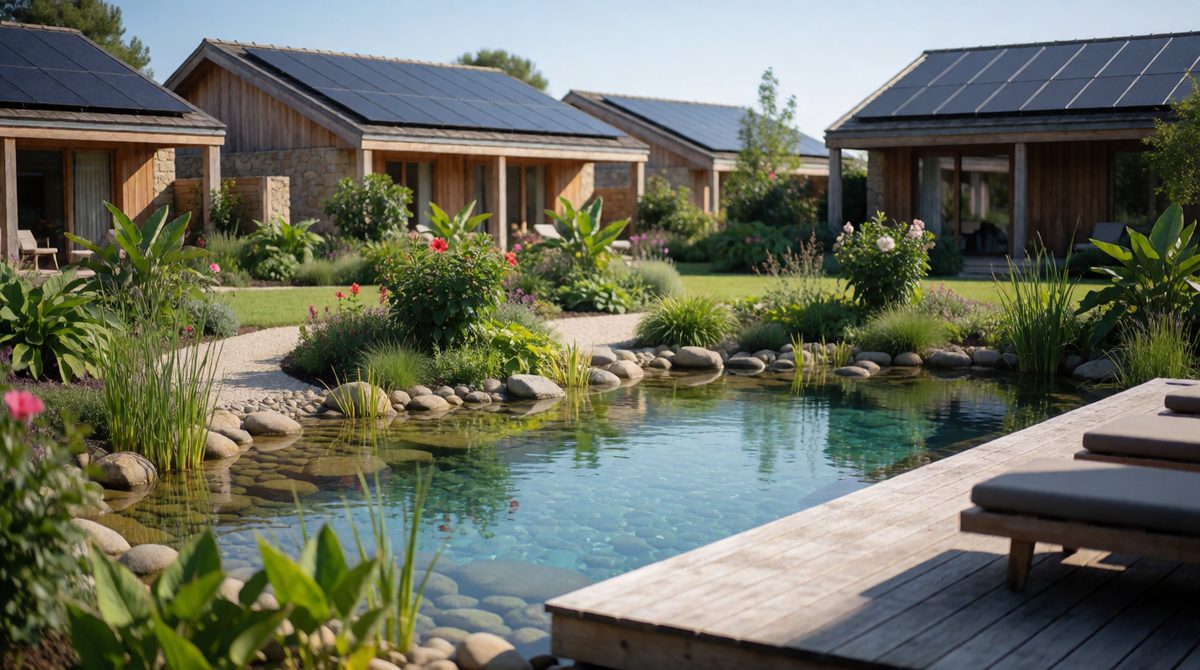
Sustainably managed facilities reduce environmental impact
Tourism is one of the world's biggest industries but it can also cause serious damage. Overcrowding, pollution, water overuse and habitat destruction are all real problems caused by poorly managed tourism. Sustainably managed facilities try to fix this by making tourism work long-term for tourists, for local people and for the planet.
There are three main pillars of sustainable facility management:
🌎 Environmental
Reducing energy use, cutting waste, protecting wildlife, managing water carefully and preserving natural landscapes so future tourists can enjoy them too.
👪 Social
Respecting local communities, employing local people, preserving cultural heritage and making sure tourism improves rather than disrupts local life.
💲 Economic
Ensuring tourism money stays in the local economy, supports local businesses and creates long-term jobs rather than short-term profits for outside companies.
♻ Examples of Sustainable Facility Management in Practice
Let's look at some specific, real-world examples of how tourism facilities are being managed more sustainably around the world.
🗻 Timed Entry Ticketing
Some of the world's most popular attractions have introduced timed entry systems to prevent overcrowding. Instead of letting everyone in at once, visitors book a specific time slot. This spreads visitor numbers throughout the day, reduces queues and protects fragile environments.
- Stonehenge, UK: Uses timed entry to protect the ancient stones from damage caused by overcrowding
- The Acropolis, Athens: Introduced daily visitor caps and timed slots to reduce erosion of the ancient site
- Machu Picchu, Peru: Limits the number of daily visitors to protect the Inca ruins and surrounding cloud forest
⚡ Renewable Energy in Tourism Facilities
Many hotels, visitor centres and resorts are switching from fossil fuels to renewable energy sources. This reduces carbon emissions and operating costs over time.
- Solar panels on hotel rooftops to generate electricity
- Wind turbines at coastal resorts
- Biomass boilers using wood chips or agricultural waste for heating
- Ground-source heat pumps in eco-lodges
💧 Water Conservation Facilities
Water is a precious resource, especially in popular tourist destinations like Spain, the Caribbean and Southeast Asia. Sustainable facilities use water carefully.
- Low-flow showers and taps in hotel rooms
- Linen and towel reuse programmes (asking guests not to request fresh towels every day)
- Rainwater harvesting systems for watering gardens
- Greywater recycling (reusing water from sinks to flush toilets)
- Drought-resistant plants in hotel gardens instead of water-hungry grass
🏭 Case Study: Soneva Fushi, Maldives Luxury and Sustainability Together
Soneva Fushi is a high-end resort in the Maldives that proves sustainability and luxury can go hand in hand. Their facilities include:
- A glass-blowing studio that recycles guest wine bottles into art and glassware sold in the resort shop
- An on-site waste management facility that recycles or composts over 90% of the resort's waste
- A desalination plant that produces fresh water without relying on imported plastic bottles
- Solar panels covering a large portion of the resort's energy needs
- A coral restoration programme where guests can participate in planting coral in the lagoon
- All staff are trained in sustainability practices and the resort publishes an annual sustainability report
Guests pay premium prices partly because of the resort's sustainability credentials showing that eco-friendly facilities can be a major selling point.
🏭 Certification and Accreditation Schemes
How do tourists know if a facility is genuinely sustainable? Several international and national schemes award certificates or labels to tourism businesses that meet sustainability standards. These help tourists make informed choices and encourage businesses to improve their practices.
🌿 Green Tourism (UK)
A UK-based accreditation scheme that awards Bronze, Silver, or Gold ratings to tourism businesses based on their environmental practices. Covers energy, water, waste, biodiversity and community involvement. Over 2,000 businesses hold Green Tourism certification across the UK.
🌎 EarthCheck (Global)
An international certification used by hotels and resorts worldwide. EarthCheck measures a business's environmental performance against global benchmarks and provides an independent audit. Used by major resort groups in Australia, the Caribbean and Asia.
♻ Blue Flag (Beaches & Marinas)
Awarded to beaches and marinas that meet strict standards for water quality, safety, environmental education and facility management. A Blue Flag beach must have clean water, litter bins, recycling facilities and trained lifeguards. Recognised in over 50 countries.
🌿 Rainforest Alliance
Certifies tourism businesses particularly in tropical destinations that protect biodiversity, support local communities and operate sustainably. Common in Costa Rica, which is a world leader in sustainable tourism.
🏭 Case Study: Costa Rica A National Model for Sustainable Facilities
Costa Rica is widely regarded as the global leader in sustainable tourism. Despite being a small country, it attracts millions of tourists each year thanks to its incredible biodiversity and its commitment to sustainability.
- Over 25% of Costa Rica's land is protected as national parks or reserves
- The government runs a Certificate for Sustainable Tourism (CST) scheme, rating tourism businesses from 1 to 5 leaves based on their sustainability practices
- Eco-lodges use solar power, rainwater collection and composting toilets
- Guided tours operate with strict group size limits to protect wildlife habitats
- Local communities benefit through employment and community tourism projects
- Costa Rica generates nearly 99% of its electricity from renewable sources meaning tourism facilities run on clean energy
Costa Rica shows that when sustainability is built into the design of tourism facilities from the start, it creates a better experience for tourists and a better outcome for the environment.
💡 Exam Tip!
💡 How to Answer Facility Questions in the Exam
Exam questions on facilities often ask you to evaluate or discuss not just list. Here's how to structure a strong answer:
- Identify the type of tourist and their specific needs
- Name specific facilities that meet those needs
- Explain how the facility helps don't just say "a ramp helps disabled tourists," say why and how
- Add sustainability if the question mentions sustainable management, link your facility to environmental, social, or economic sustainability
- Use a real example case studies like Costa Rica, Center Parcs, or Soneva Fushi will impress the examiner
Remember: a facility that is sustainably managed is one that meets tourist needs now without damaging the ability to meet those needs in the future.
📈 The Business Case for Sustainable Facilities
Some tourism businesses worry that going green will cost too much. But the evidence shows that sustainable facility management often saves money in the long run and attracts more customers.
- Lower energy bills: Solar panels and insulation reduce electricity costs significantly over time
- Less waste disposal cost: Recycling and composting reduce the amount sent to landfill, cutting fees
- Growing market demand: Surveys show that a significant and growing number of tourists especially younger travellers actively choose eco-friendly accommodation and attractions
- Positive PR: Sustainability stories generate free media coverage and social media attention
- Avoiding fines: Businesses that pollute or damage protected areas face heavy fines and reputational damage
- Longer destination lifespan: If a destination is protected, it continues to attract tourists for decades rather than being destroyed by overtourism
📈 Did You Know?
According to a Booking.com Sustainable Travel Report, over 83% of global travellers say that sustainable travel is important to them and more than half say they would pay more for eco-friendly accommodation. This means sustainable facilities aren't just good for the planet they're good for business too.
⚖ Balancing Tourist Needs with Sustainability
One of the biggest challenges in tourism is finding the right balance. Tourists want comfort, convenience and great experiences. But providing those things can sometimes conflict with sustainability goals. Here are some common tensions and how they are managed:
🚫 Overtourism vs. Access
Popular destinations like Venice, Barcelona and Dubrovnik have suffered from overtourism too many tourists causing damage to the environment, raising prices for locals and reducing the quality of the tourist experience itself. Solutions include:
- Visitor caps and timed entry (as discussed above)
- Tourist taxes that fund conservation and local services
- Promoting lesser-known destinations to spread visitor numbers
- Discouraging cruise ship tourism that brings thousands of visitors for just a few hours
🌞 Comfort vs. Conservation
Tourists often expect air conditioning, swimming pools and unlimited hot water all of which use large amounts of energy and water. Sustainable facilities find creative ways to provide comfort without waste:
- Natural ventilation design in buildings (reducing need for air conditioning)
- Saltwater pools instead of chemically treated freshwater pools
- Smart thermostats that adjust room temperature when guests leave
- Infinity pools that recirculate water rather than constantly refilling
🏭 Case Study: The Galapagos Islands Strict Sustainable Facility Management
The Galapagos Islands (Ecuador) are one of the world's most ecologically sensitive tourism destinations home to unique wildlife found nowhere else on Earth. Tourism is strictly controlled:
- All tourists must be accompanied by a licensed naturalist guide at all times
- Visitor numbers to individual sites are strictly capped
- Tourists must stay on marked paths going off-trail is illegal
- No food, plastic, or foreign plants/animals may be brought onto the islands
- Hotels and lodges must meet strict environmental standards set by the Galapagos National Park
- A tourist entry fee (currently around $200 USD) funds conservation and park management
The result? The Galapagos remains one of the most biodiverse places on Earth and tourists pay premium prices to visit precisely because it has been so carefully protected.
✅ Summary: Key Points to Remember
- 🏢 Facilities are the physical resources and services tourists need from toilets and car parks to hotels and information centres
- 🌿 Sustainably managed facilities meet tourist needs while protecting the environment, supporting local communities and ensuring long-term viability
- 👥 Different tourist types (families, elderly, business travellers, backpackers) need different facilities providers must match supply to demand
- ♻ Sustainable practices include renewable energy, water conservation, waste reduction, timed entry and visitor caps
- 🏭 Certification schemes like Green Tourism, Blue Flag, EarthCheck and Rainforest Alliance help tourists identify genuinely sustainable facilities
- 📈 Sustainable facility management is increasingly good for business reducing costs, attracting eco-conscious tourists and protecting destinations long-term
- 🚫 Overtourism is a major threat sustainable facility management helps control visitor numbers and protect fragile destinations
- 🌎 Costa Rica and the Galapagos Islands are world-leading examples of sustainable tourism facility management at a national level