🏠 Introduction to Training in Travel & Tourism
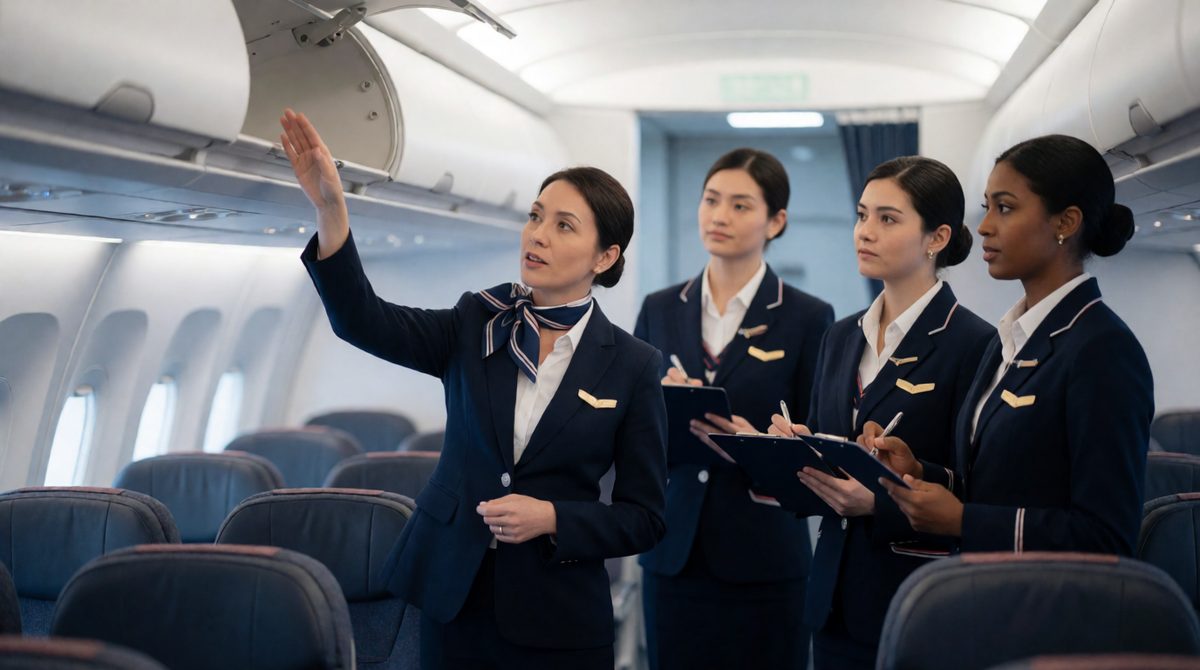
Training helps tourism staff do their jobs well
Imagine you've just landed your first job at a busy airport hotel. You're excited, but also a bit lost where do you check guests in? What do you say when someone complains? How do you handle a booking error? This is exactly why training is so important in travel and tourism. It prepares staff to do their jobs well, keep customers happy and represent their employer professionally.
The travel and tourism industry is one of the biggest employers in the world. It includes airlines, hotels, tour operators, travel agents, visitor attractions and cruise lines. Every single one of these businesses depends on well-trained staff to succeed.
Key Definitions:
- Training: The process of teaching staff the skills, knowledge and attitudes they need to do their job effectively.
- Induction training: Training given to new employees when they first start a job, covering basic information about the company, rules and their role.
- On-the-job training: Learning while actually doing the job, usually guided by an experienced colleague.
- Off-the-job training: Learning that takes place away from the normal work environment, such as in a classroom or training centre.
- Sustainable practices: Ways of working that protect the environment, support local communities and ensure the industry can continue long into the future.
- Continuous Professional Development (CPD): Ongoing training and learning throughout a person's career to keep skills up to date.
📚 Why Training Matters
Well-trained staff deliver better customer service, make fewer mistakes and feel more confident in their roles. For businesses, this means happier customers, better reviews and more repeat bookings. For employees, it means better career prospects and job satisfaction.
🌎 The Scale of the Industry
Tourism accounts for around 1 in 10 jobs worldwide. With so many people employed across hotels, airlines, attractions and more, consistent and high-quality training is essential to maintain standards across the board.
📋 Types of Training
There is no single "one size fits all" approach to training in travel and tourism. Different businesses use different methods depending on their size, budget and the type of skills needed. Let's break down the main types.
🎓 Induction Training
This is the very first training a new employee receives. It's all about getting them settled in and making sure they understand the basics before they start working with customers. Think of it like the tutorial level in a video game you need it before you can play properly!
- Introduction to the company's values and goals
- Health and safety procedures
- Fire evacuation routes
- Company policies (e.g. dress code, customer service standards)
- Meeting the team and understanding the structure
💡 Real Example: TUI Group
TUI, one of the world's largest travel companies, runs structured induction programmes for all new staff. New holiday reps, for instance, receive training on destination knowledge, customer care, emergency procedures and how to handle complaints all before they meet their first customer.
🛠 On-the-Job Training
This is learning by doing. The employee works alongside an experienced colleague who shows them the ropes. It's practical, hands-on and directly relevant to the job. This is very common in hotels, restaurants and visitor attractions.
✔ Advantages
Immediately relevant to the job. No time away from work. Cost-effective for the employer. Builds confidence quickly.
❌ Disadvantages
Quality depends on the trainer. Bad habits can be passed on. Can be disruptive to normal operations. May not cover theory.
💼 Examples in Tourism
A hotel receptionist shadowing a senior colleague. A tour guide learning routes from an experienced guide. A cabin crew member practising safety demos.
🏫 Off-the-Job Training
This takes place away from the normal workplace in a training room, college, or even online. It's great for learning theory, gaining qualifications and developing skills that are harder to teach on the shop floor.
✔ Advantages
Structured and thorough. Can lead to recognised qualifications. No distractions from daily work. Covers wider knowledge.
❌ Disadvantages
Can be expensive. Employee is away from work. May feel less relevant to the actual job. Takes more time.
💼 Examples in Tourism
Attending a customer service course. Studying for a travel and tourism qualification. Taking a language class. Online e-learning modules.
🔍 Case Study: British Airways Cabin Crew Training
British Airways puts all new cabin crew through an intensive off-the-job training programme lasting several weeks. Trainees learn emergency procedures, first aid, customer service, food and beverage service and cultural awareness all before stepping onto a real aircraft. This ensures every passenger receives a consistent, high-quality experience regardless of which crew member they interact with.
⚡ Continuous Professional Development (CPD)
Training doesn't stop once you've been in a job for a while. The best travel and tourism businesses invest in their staff throughout their careers. This is called Continuous Professional Development, or CPD. It keeps skills fresh, helps staff adapt to changes in the industry and opens up promotion opportunities.
📈 CPD in Practice
A travel agent might update their destination knowledge by going on a familiarisation trip (also called a "fam trip") a subsidised visit to a destination so they can sell it more effectively. A hotel manager might attend a leadership course. A tour guide might learn a new language.
🏆 Qualifications & Accreditation
Many tourism professionals work towards formal qualifications such as NVQs, City & Guilds awards, or ABTA qualifications. These are nationally recognised and show employers that a member of staff has reached a certain standard.
🌿 Training for Sustainable Practices
This is one of the most important and growing areas of training in travel and tourism today. As the world becomes more aware of climate change, overtourism and environmental damage, businesses are under pressure to operate more sustainably. But staff can only act sustainably if they are trained to do so.
What does sustainable training cover?
- Environmental awareness: Understanding the impact of tourism on ecosystems, wildlife and natural resources.
- Energy and water conservation: Teaching hotel staff to reduce waste, switch off lights and manage water use.
- Responsible tourism: How to advise customers on ethical wildlife experiences, avoiding single-use plastics and respecting local cultures.
- Community engagement: Working with and supporting local communities rather than exploiting them.
- Carbon footprint awareness: Understanding the environmental cost of travel and how to offset or reduce it.
🌿 Case Study: Sandals Resorts Green Training Programme
Sandals Resorts in the Caribbean runs a comprehensive sustainability training programme called Earthguard. All staff from chefs to housekeepers to managers are trained in environmental best practices. This includes reducing food waste, managing coral reef protection, using biodegradable cleaning products and educating guests about local ecosystems. The programme has helped Sandals earn multiple environmental certifications and is a great example of how training can drive real change.
♻ Why Sustainable Training is Important
It's not just about being "green" for the sake of it. There are very real business and ethical reasons why sustainable training matters:
🌎 For the Planet
Tourism can damage fragile environments. Trained staff can help protect coral reefs, rainforests and wildlife habitats for future generations.
💰 For Business
Eco-conscious travellers are a growing market. Businesses with strong sustainability credentials attract more customers and can charge premium prices.
👥 For Communities
Sustainable training helps staff understand how to support local economies, respect cultural heritage and avoid practices that harm host communities.
👥 The Importance of Training Bringing It All Together
Let's zoom out and look at the big picture. Why does all this training actually matter? Here's a summary of the key benefits:
- 🟢 Better customer service: Trained staff know how to handle complaints, communicate clearly and exceed expectations.
- 🟢 Improved safety: Especially important in aviation, adventure tourism and cruise industries where lives can be at risk.
- 🟢 Higher staff morale: Employees who feel invested in are more motivated and less likely to leave.
- 🟢 Consistent standards: Training ensures every customer gets the same quality experience, regardless of which staff member they deal with.
- 🟢 Legal compliance: Some training is required by law e.g. food hygiene certificates, health and safety training.
- 🟢 Sustainability goals: Training embeds eco-friendly habits into everyday operations.
- 🟢 Career development: Staff who are trained and qualified can progress into management roles.
💡 Did You Know?
Research by the World Travel & Tourism Council (WTTC) found that businesses which invest in staff training see significantly higher customer satisfaction scores and lower staff turnover rates. In an industry where reputation is everything one bad review can cost thousands of bookings this really matters!
✍ Exam Tip: On-the-Job vs Off-the-Job
In your iGCSE exam, you may be asked to compare on-the-job and off-the-job training, or to suggest which type is most appropriate for a given situation. Always think about:
- The cost to the business
- The time involved
- Whether the employee needs practical skills or theoretical knowledge
- Whether a qualification is needed
- The size of the business
For example: a small family-run guesthouse is more likely to use on-the-job training because it's cheaper and more practical. A large airline like Emirates will invest heavily in off-the-job training to ensure global consistency and safety standards.
✈ Case Study: Emirates Airline Training Academy
Emirates operates one of the most advanced airline training academies in the world, based in Dubai. Staff from over 160 nationalities are trained in customer service, safety, cultural sensitivity and language skills. The academy uses flight simulators, mock aircraft cabins and role-play scenarios. Emirates' reputation for outstanding service is directly linked to the quality of its training proving that investment in staff pays off.
🔎 Quick Recap
Before you move on, make sure you can answer these questions:
- What is the difference between on-the-job and off-the-job training?
- Why is induction training important for new employees?
- Give two reasons why sustainable training is important in travel and tourism.
- What is CPD and why does it matter?
- Give one advantage and one disadvantage of on-the-job training.