👔 Body Language & Personal Presentation in Travel & Tourism
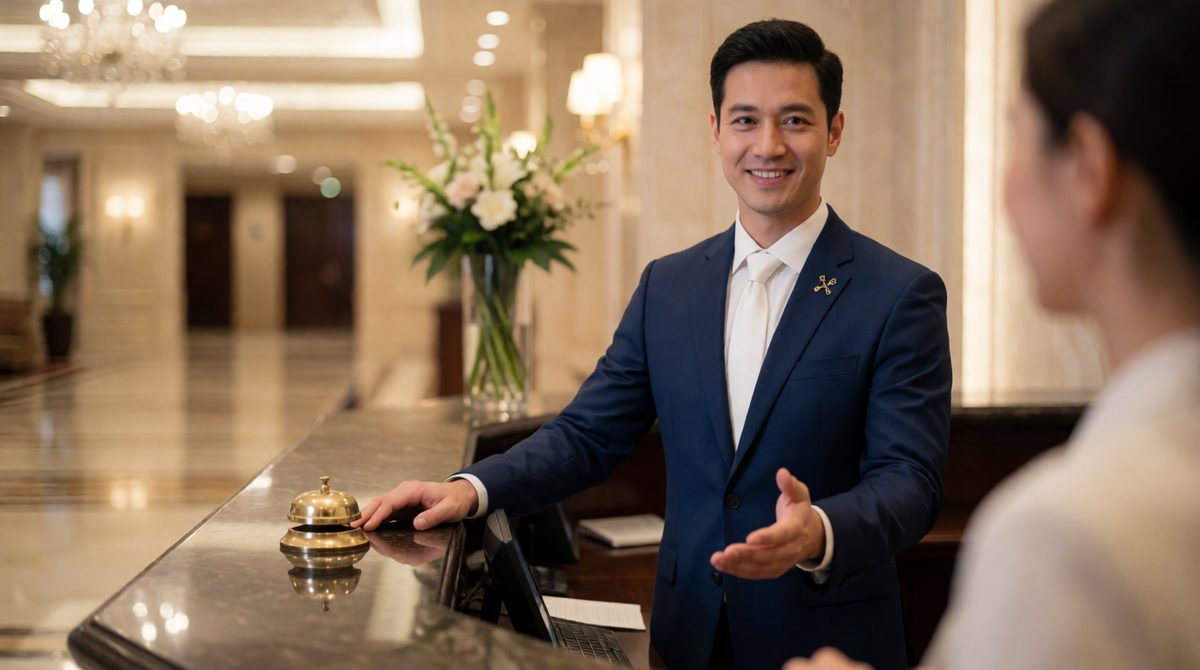
Body language and appearance make a big impression
Imagine you walk into a hotel and the receptionist is slumped over the desk, avoiding eye contact, arms crossed, wearing a crumpled uniform. Would you feel welcome? Probably not. Now imagine the opposite a smiling, upright, well-dressed staff member who greets you warmly. That's the power of body language and personal presentation. In travel and tourism, first impressions are everything and they happen in seconds.
These skills aren't just about looking nice they directly affect whether customers feel safe, valued and likely to return. For businesses, that means repeat bookings, positive reviews and stronger profits.
Key Definitions:
- Body language: Non-verbal communication through posture, gestures, facial expressions and eye contact.
- Personal presentation: The way a person appears to others, including clothing, grooming, hygiene and overall appearance.
- Non-verbal communication: Any communication that does not use spoken words body language is a major part of this.
- Professional image: The overall impression a worker gives that reflects the standards and values of their employer.
💡 Did You Know?
Research by psychologist Albert Mehrabian found that only 7% of communication comes from the actual words we say. 38% comes from tone of voice and a massive 55% comes from body language. In a customer-facing industry like travel and tourism, this is huge!
👤 Why These Skills Matter So Much in This Industry
Travel and tourism is a people business. Whether you're a cabin crew member at 35,000 feet, a tour guide in Rome, or a resort receptionist in the Maldives, you are constantly being watched and judged by customers. Your appearance and behaviour shape how customers feel about the entire company not just you personally.
✅ When It Goes Right
A customer checks in at a hotel. The receptionist stands tall, smiles genuinely, makes eye contact and speaks clearly. The customer immediately feels relaxed and confident. They're more likely to spend money at the hotel restaurant, leave a 5-star review and come back next year.
❌ When It Goes Wrong
A tour guide arrives late, wearing a stained shirt, barely looks at the group and keeps checking their phone. Even if the tour content is good, customers feel undervalued. Complaints follow, tips disappear and the company's reputation suffers online.
🙋 The Key Elements of Body Language
Body language in travel and tourism covers several specific areas. Each one sends a message to the customer positive or negative. Let's break them down clearly.
👀 Eye Contact
Making appropriate eye contact shows confidence, honesty and that you are genuinely listening. Avoiding eye contact can make customers feel ignored or that you're hiding something. However, staring too intensely can feel uncomfortable the key is natural, warm eye contact.
- ✓ Look at the customer when they speak to you
- ✓ Glance away occasionally don't stare
- ✗ Don't look at your screen or phone while a customer is talking
- ✗ Don't look over their shoulder as if you're bored
😊 Facial Expressions
Your face tells customers how you really feel even when you say nothing. A genuine smile is one of the most powerful tools in hospitality. It's welcoming, reassuring and infectious. Staff are often trained to smile even when speaking on the phone, because it changes the tone of voice too.
In contrast, frowning, sighing, rolling your eyes or looking bored will instantly damage the customer experience even if you say all the right words.
🧠 Posture and Stance
How you hold your body sends strong signals. Standing or sitting up straight communicates professionalism and attentiveness. Slouching suggests laziness or disinterest.
👍 Good Posture
Stand tall, shoulders back, weight evenly balanced. Face the customer directly. This says: "I'm ready to help you."
👎 Closed Body Language
Arms crossed, body turned away, leaning on the desk. This says: "I don't want to be here." Customers pick up on this immediately.
🛠 Open Body Language
Arms relaxed at sides or gesturing naturally, body facing the customer, nodding while listening. This builds trust and rapport quickly.
🤝 Gestures and Movement
Natural hand gestures help to emphasise what you're saying and make communication more engaging. A tour guide pointing out landmarks, a flight attendant demonstrating safety procedures, or a hotel concierge gesturing towards the lift all of these use gestures purposefully. Avoid fidgeting, tapping, or playing with hair or jewellery, as these signal nervousness or boredom.
📋 Case Study: Singapore Airlines The "Singapore Girl"
Singapore Airlines is globally famous for its cabin crew presentation. Their flight attendants wear the iconic sarong kebaya uniform, designed by Pierre Balmain in 1968 and have remained almost unchanged a symbol of elegance and consistency. Cabin crew undergo four months of training before their first flight, with a significant focus on posture, facial expressions, gestures and grooming. The airline's brand is built around the idea that every interaction from the moment a passenger boards to the moment they disembark should feel graceful and attentive. This attention to body language and presentation has helped Singapore Airlines win the World's Best Airline award multiple times at Skytrax.
👔 Personal Presentation: Looking the Part
Personal presentation goes hand-in-hand with body language. It covers everything about how you look your uniform, grooming, hygiene and accessories. In travel and tourism, most employers have strict dress codes and appearance standards and for good reason: your appearance is part of the brand.
Key areas of personal presentation include:
- Uniform: Clean, pressed, correctly worn and complete. A missing name badge or untucked shirt can look unprofessional.
- Hair: Clean, tidy and often tied back (especially in food service or cabin crew roles). Many airlines specify exact hairstyles.
- Hygiene: Fresh breath, clean hands and no strong perfume or body odour. Customers are often in close proximity to staff.
- Make-up and jewellery: Many employers have specific guidelines for example, some airlines allow only subtle make-up and small earrings.
- Footwear: Clean, appropriate and safe shoes especially important in hotels and on aircraft.
✈ Airlines
Cabin crew at airlines like British Airways, Emirates and Singapore Airlines follow highly detailed appearance manuals. These cover nail polish colours, lipstick shades, hair length, tattoo policies and even the exact way scarves should be tied. This level of detail ensures every crew member looks like part of the same professional team.
🏢 Hotels
Luxury hotel chains like Marriott and Hilton require front-of-house staff to wear pressed uniforms with name badges. Many five-star hotels also train staff in posture and movement for example, always walking at a measured pace, never running and always acknowledging guests with a nod or smile when passing in corridors.
🌎 Cultural Awareness in Body Language
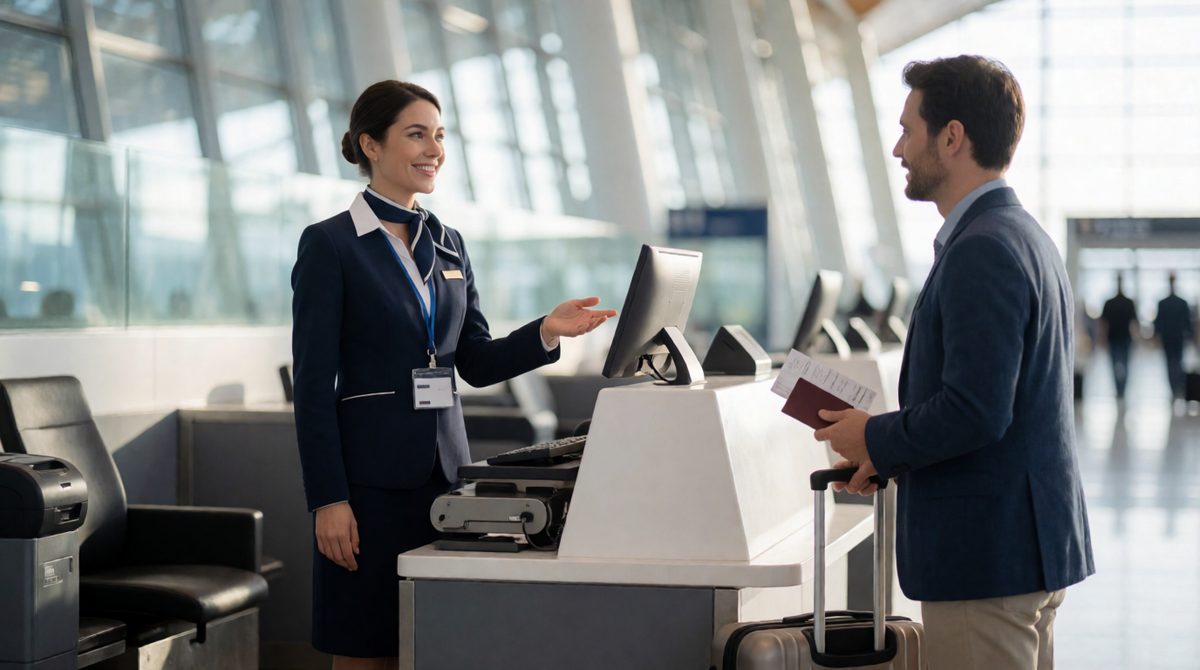
A smile and open posture mean different things in different cultures, so staff need cultural awareness
Here's something really important that many students miss: body language is not the same in every culture. Travel and tourism is a global industry and staff regularly interact with customers from all over the world. What's polite in one country can be rude in another.
- 📍 Eye contact: In Western cultures, eye contact shows confidence. In some Asian and Middle Eastern cultures, prolonged eye contact with an elder or authority figure can seem disrespectful.
- 📍 Personal space: People from Northern Europe and North America typically prefer more personal space. People from Latin America or the Middle East may stand closer during conversation this is normal for them, not aggressive.
- 📍 Nodding: In most countries, nodding means "yes." In Bulgaria and parts of Greece, it means "no."
- 📍 Hand gestures: The "thumbs up" is positive in the UK but offensive in some Middle Eastern countries. The "OK" sign is rude in Brazil.
- 📍 Smiling: In the UK and USA, smiling at strangers is normal and friendly. In some Eastern European countries, smiling at strangers can seem suspicious or insincere.
🔍 Case Study: Thomas Cook Cultural Training Failure
Before its collapse in 2019, Thomas Cook faced criticism in some markets for staff who were not culturally aware when dealing with international guests. Customers from certain cultures reported feeling that staff body language such as pointing directly at people or maintaining very casual postures felt disrespectful. This highlights why cultural awareness training, including body language, is essential for travel and tourism businesses operating globally. It's not enough to just look smart you need to understand your audience.
🎓 How Employers Train Staff in These Skills
Body language and personal presentation don't just happen naturally they are actively taught. Travel and tourism employers invest in this training because the return on investment is clear: better-presented, more confident staff lead to happier customers and better business results.
🎥 Role-Play and Mirror Exercises
Many hospitality and airline training programmes use role-play scenarios where trainees practise customer interactions while being observed and given feedback. Some programmes use mirrors or video recordings so trainees can literally see their own posture, expressions and gestures often a real eye-opener!
📝 Appearance Checks and Grooming Standards
Airlines and luxury hotels often conduct daily appearance inspections before staff begin their shifts. Supervisors check that uniforms are correct, hair is tidy and grooming standards are met. This might sound strict, but it ensures consistency across the entire team so every customer gets the same professional experience.
🏠 Hotels
Ritz-Carlton staff follow "The Gold Standards" a set of service values that include specific guidance on posture, eye contact and greeting language. New staff memorise these before their first shift.
✈ Airlines
Virgin Atlantic cabin crew training includes a full module on body language, including how to move gracefully in a confined aircraft cabin and how to use facial expressions to reassure nervous passengers.
🏞 Theme Parks
Disney calls its staff "cast members" because they're always performing. Disney training covers smiling, posture, eye contact and even how to point (always with two fingers, never one, to avoid seeming rude in any culture).
✍ Exam Tips: What the Examiner Wants to See
In your iGCSE exam, questions about body language and personal presentation often appear in the context of customer service, staff skills or business success. Here's how to score top marks:
- 🔹 Use specific examples don't just say "good body language." Say "maintaining eye contact and smiling to make the customer feel welcome."
- 🔹 Link to business impact explain WHY it matters. "Poor personal presentation can damage a company's reputation and reduce repeat bookings."
- 🔹 Mention cultural differences this shows higher-level thinking and will impress examiners.
- 🔹 Use industry examples reference real companies like Singapore Airlines, Disney or Ritz-Carlton to support your points.
- 🔹 Balance both sides if asked to evaluate, discuss both the benefits of good presentation AND the consequences of poor presentation.
🔎 Quick Recap
👉 Body language = non-verbal signals including posture, eye contact, facial expressions and gestures.
👉 Personal presentation = how you look, including uniform, grooming and hygiene.
👉 Both directly affect customer satisfaction, brand image and business success.
👉 Cultural awareness is essential body language means different things in different cultures.
👉 Employers actively train and monitor these skills through role-play, inspections and standards manuals.
👉 Real examples: Singapore Airlines, Disney, Ritz-Carlton, Virgin Atlantic.