🌿 Who Is a Responsible Tourist?
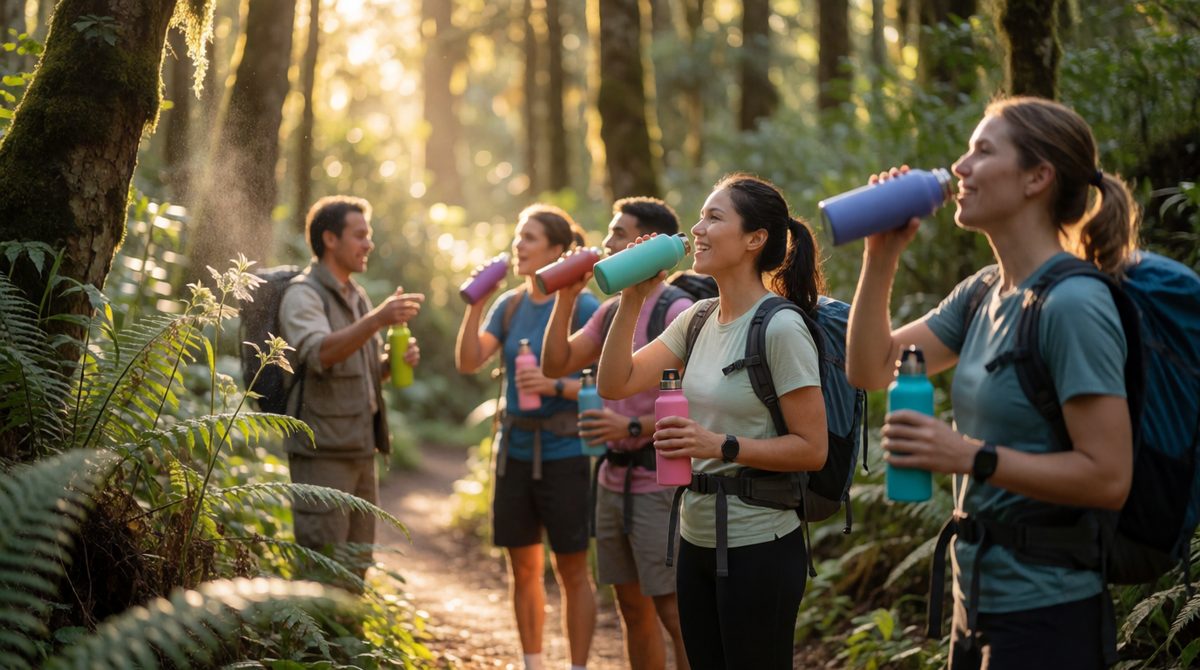
Responsible tourists care about their impact
A responsible tourist is someone who thinks carefully about the impact of their travel on the environment, on local communities and on the cultures they visit. They don't just want a good holiday; they want to make sure their trip doesn't cause harm. This is sometimes called sustainable tourism or ethical tourism.
Responsible tourism has grown massively in recent years. Surveys show that over 70% of global travellers say they want to travel more sustainably and that means the travel and tourism industry needs staff with the right skills to meet those expectations.
Key Definitions:
- Responsible tourist: A traveller who actively tries to reduce the negative impact of their visit on the environment, local economy and culture.
- Sustainable tourism: Tourism that meets the needs of present tourists without compromising the ability of future generations to enjoy the same destinations.
- Ecotourism: A form of responsible tourism focused on natural environments, often supporting conservation and local communities.
- Carbon footprint: The total greenhouse gas emissions caused by a person's activities, including travel.
- Greenwashing: When a company falsely claims to be environmentally friendly to attract responsible tourists without actually making genuine changes.
💡 Did You Know?
According to Booking.com's 2023 Sustainable Travel Report, 76% of travellers say they want to travel more sustainably, but many feel they don't know how. This is where skilled tourism staff can make a real difference by guiding and informing tourists at every step of their journey.
🔍 What Do Responsible Tourists Actually Want?
To address the needs of responsible tourists, staff first need to understand what those needs are. Responsible tourists aren't all the same some are focused on the environment, others on supporting local communities and some on cultural respect. But there are common themes.
🌿 Environmental Concerns
Responsible tourists want to minimise their environmental impact. They look for accommodation with green credentials, prefer low-carbon transport options, avoid single-use plastics and want to visit destinations that protect natural habitats. Staff need to be able to advise on eco-friendly options and explain what a business is doing to reduce its environmental footprint.
🏠 Supporting Local Communities
These tourists prefer to spend money locally eating at family-run restaurants, buying crafts from local artisans and staying in locally owned guesthouses rather than international chains. Staff who can direct tourists towards authentic local experiences are hugely valued. This keeps money within the destination economy rather than flowing back to multinational corporations.
🏭 Cultural Sensitivity
Responsible tourists want to respect the cultures they visit. They want to know about local customs, dress codes, religious practices and social norms before they arrive or as they explore. Staff who can share this knowledge tactfully and helpfully play a vital role in preventing misunderstandings and showing respect to host communities.
📈 Transparency and Honesty
Responsible tourists are often well-researched and sceptical of greenwashing. They want honest, accurate information about a company's sustainability credentials. Staff must be able to communicate these facts clearly and truthfully exaggerating or making false claims will quickly damage trust and reputation.
👤 The Skills Staff Need to Address These Needs
Meeting the expectations of responsible tourists requires a specific set of skills. These go beyond basic customer service staff need knowledge, empathy, communication ability and a genuine commitment to sustainable values.
📚 Knowledge and Product Awareness
Staff must have detailed, up-to-date knowledge of the products and destinations they are selling or managing. A responsible tourist might ask: "Does this hotel have a rainwater recycling system?" or "Is this wildlife tour certified by a recognised conservation body?" If staff can't answer these questions confidently, the tourist will lose trust.
This knowledge needs to cover:
- Environmental certifications (e.g. Green Globe, Rainforest Alliance, EarthCheck)
- Local wildlife protection rules and ethical wildlife tourism guidelines
- Carbon offset schemes offered by airlines or tour operators
- Local community projects supported by the business
- Sustainable transport options at the destination
📋 Case Study: G Adventures Training Staff in Responsible Tourism
G Adventures is a Canadian tour operator specialising in small-group adventure travel. They operate a programme called Planeterra, which channels tourism spending directly into community projects worldwide. Their staff called CEOs (Chief Experience Officers) rather than tour guides are trained extensively in responsible tourism principles. They can explain to travellers exactly how their trip fee supports local communities, which local restaurants and suppliers are used and what conservation projects are active in each destination. This transparency is central to G Adventures' brand and is a key reason responsible tourists choose them over competitors. Staff knowledge and communication skills are not optional extras they are the core product.
✍ Communication Skills Tailored to Responsible Tourists
Responsible tourists often ask more questions than the average traveller. They want detail, honesty and reassurance. Staff need strong communication skills to:
- Listen actively understanding exactly what the tourist is concerned about, whether it's plastic waste, animal welfare, or fair wages for local workers
- Explain clearly breaking down complex sustainability concepts into plain, understandable language without being condescending
- Be honest if a product isn't as green as the tourist hopes, saying so rather than overselling it
- Signpost alternatives if one option doesn't meet the tourist's values, being able to suggest one that does
🌎 Cultural Competence
Staff working with responsible tourists need strong cultural awareness. Responsible tourists often travel to developing countries or culturally rich destinations specifically to experience different ways of life. Staff who can brief tourists on local customs, explain the significance of cultural sites and help tourists avoid causing offence are invaluable.
For example, a tour guide in Cambodia leading visitors to Angkor Wat must be able to explain appropriate dress codes, the religious significance of the temples and why certain behaviours (such as climbing on structures or posing disrespectfully) are harmful. This requires both cultural knowledge and the confidence to communicate it clearly even when tourists might initially be reluctant to hear it.
📋 Case Study: Intrepid Travel Responsible Tourism in Practice
Intrepid Travel, an Australian tour operator, became the world's largest certified B Corporation travel company in 2018. Their guides are trained to act as cultural ambassadors. In destinations such as Morocco, India and Peru, guides are specifically trained to explain local customs to travellers before they visit sensitive sites or communities. They also actively discourage tourists from visiting elephant riding camps or orphanages practices that may seem appealing but are widely considered harmful. Intrepid's staff training includes modules on animal welfare, child protection in tourism and community-based tourism principles. This level of staff expertise directly addresses the needs of responsible tourists who want to be sure their trip is doing good, not harm.
♻ Promoting Sustainable Choices
One of the most important skills for staff is the ability to actively promote sustainable choices without being preachy or making tourists feel judged. This is a delicate balance. Staff need to be enthusiastic advocates for responsible options while still respecting tourist autonomy.
🚌 Transport Advice
Suggesting trains over short-haul flights, recommending local bus networks, or pointing tourists towards electric vehicle hire options. Staff should know the carbon savings involved so they can share real figures with interested tourists.
🍽 Food and Dining
Recommending locally sourced restaurants, explaining farm-to-table concepts and advising on which dining choices support local farmers and reduce food miles. Some tourists will also ask about vegan or vegetarian options in relation to sustainability.
🎁 Shopping and Souvenirs
Guiding tourists away from mass-produced souvenirs towards authentic, locally made crafts. Staff should also know which products are illegal to take home (e.g. coral, certain animal products) and explain this sensitively but clearly.
🛠 Problem-Solving When Things Don't Match Expectations
Sometimes a responsible tourist arrives and finds that the reality doesn't match what was promised perhaps the hotel's "eco-friendly" practices turn out to be minimal, or a wildlife experience turns out to involve animals in poor conditions. Staff need the skills to handle these situations professionally.
This requires:
- Empathy acknowledging that the tourist's concerns are valid and taking them seriously
- Problem-solving finding alternative arrangements where possible
- Honesty not defending practices that are genuinely problematic
- Follow-through ensuring complaints are passed on to management so improvements can be made
📋 Case Study: Responsible Travel (UK) Matching Tourists to the Right Product
Responsible Travel is a UK-based online travel company that only lists holidays that meet strict responsible tourism criteria. Their customer service staff are trained to have in-depth conversations with potential customers about their values and priorities before recommending a trip. If a customer is particularly concerned about carbon emissions, staff will prioritise closer destinations or longer stays to reduce the number of flights. If a customer wants to support community development, staff can identify trips where a portion of the fee goes directly to local projects. This personalised, values-led approach to customer service is a model example of addressing the needs of responsible tourists and it has made Responsible Travel one of the most trusted names in ethical travel in the UK.
🏆 The Link Between Staff Skills and Business Success
Addressing the needs of responsible tourists isn't just the right thing to do it's also good for business. Responsible tourists tend to be:
- Higher spenders they are often willing to pay more for genuinely sustainable options
- More loyal if they trust a company, they return and recommend it to others
- Vocal advocates they share positive experiences on social media and review platforms, generating free marketing
Businesses that invest in training staff to meet responsible tourist needs therefore gain a competitive advantage. The skills required product knowledge, cultural competence, honest communication and problem-solving are exactly the skills that make any tourism professional excellent at their job.
📈 Growing Market Demand
The responsible tourism market is growing rapidly. The global ecotourism market was valued at over $200 billion in 2022 and is projected to keep growing. Businesses that develop staff skills in this area are positioning themselves for long-term success in a changing market.
🌿 Certification and Standards
Many responsible tourists look for recognised certifications before booking. Staff who understand schemes like the Green Globe standard, the GSTC (Global Sustainable Tourism Council) criteria, or the Travelife award can use these as powerful selling points and reassure tourists that claims are independently verified.
🔎 Quick Recap
- ✅ A responsible tourist cares about the environmental, social and cultural impact of their travel
- ✅ Their needs include honest information, eco-friendly options, cultural guidance and support for local communities
- ✅ Staff must have strong product knowledge, including sustainability certifications and local community projects
- ✅ Communication skills especially active listening and honest, clear explanation are essential
- ✅ Cultural competence helps staff guide tourists in respecting local customs and avoiding harm
- ✅ Problem-solving and empathy are needed when reality doesn't match expectations
- ✅ Businesses that invest in these skills gain loyal, high-spending customers and a strong reputation
- ✅ Real examples include G Adventures, Intrepid Travel and Responsible Travel (UK)
✍ Exam Tips: What the Examiner Wants to See
- Use the right terminology words like "responsible tourist," "sustainable tourism," "ecotourism," and "greenwashing" show the examiner you know the subject.
- Be specific don't just say "staff need good communication skills." Say what kind of communication and why it matters for responsible tourists specifically.
- Use examples real companies like G Adventures, Intrepid Travel, or Responsible Travel will impress the examiner and support your points.
- Link skills to outcomes explain how a particular skill (e.g. product knowledge) leads to a positive result (e.g. tourist trust, repeat business).
- Balance your answer consider both what tourists need and how staff can deliver it. Avoid one-sided answers.