👥 Flexibility and Teamwork in Travel & Tourism
Travel and tourism is one of the most unpredictable industries in the world. Flights get delayed. Guests arrive early. Tour groups change size. Weather ruins plans. Staff call in sick. In this kind of environment, two interpersonal skills become absolutely essential: flexibility and teamwork.
These aren't just "nice to have" qualities they are core professional skills that employers look for, train staff in and assess during performance reviews. The iGCSE Travel & Tourism syllabus specifically identifies them as key interpersonal skills because they directly affect the quality of customer service and the smooth running of tourism businesses.
Key Definitions:
- Flexibility: The ability to adapt to changing situations, take on different tasks, adjust working hours and respond calmly when plans change without losing quality of service.
- Teamwork: Working cooperatively with colleagues towards a shared goal, supporting each other, communicating clearly and putting the team's success above personal preferences.
- Interpersonal skills: The skills used when interacting with other people both customers and colleagues in a professional setting.
💡 Did You Know?
A 2023 survey by the World Travel & Tourism Council (WTTC) found that flexibility and adaptability were ranked as the top two most desired qualities in new tourism employees above qualifications and technical knowledge. Employers want people who can cope when things go wrong.
🔄 Flexibility: Adapting When Plans Change
Flexibility in the workplace means more than just being willing to work a late shift. It covers a wide range of situations where a tourism worker must adjust their behaviour, their role, or their approach to meet the needs of the moment.
⚡ Types of Flexibility in Tourism
There are several different ways that flexibility shows up in a tourism workplace. Understanding each type will help you give better exam answers.
📅 Scheduling Flexibility
Being willing to change shifts, work overtime, cover for absent colleagues, or work unsociable hours (weekends, bank holidays, early mornings). Tourism operates 24/7, so this is very common.
🛠 Task Flexibility
Taking on duties outside your normal job description when needed. For example, a hotel receptionist helping to carry luggage during a busy check-in period, or a tour guide helping to arrange transport when the driver is late.
💬 Communication Flexibility
Adjusting how you speak and behave depending on the customer or situation. Talking differently to an anxious elderly traveller versus a group of excited teenagers on a school trip.
✅ What Flexibility Looks Like in Practice
- A cabin crew member steps in to help with meal service in a different cabin section because a colleague feels unwell mid-flight
- A hotel receptionist stays an extra hour to help manage a large group check-in that ran over schedule
- A resort representative changes their planned excursion talk because heavy rain has cancelled the outdoor activity and guests need alternative suggestions immediately
- A travel agent rebooks an entire itinerary at short notice because a client's passport was delayed
- A theme park employee moves from ticket sales to crowd management because queues have built up unexpectedly
❌ When Inflexibility Causes Problems
When staff refuse to adapt or stick rigidly to "that's not my job" thinking, it can cause serious problems for both customers and the business.
- Customers feel ignored or let down when no one takes responsibility
- Small problems escalate into complaints or refund requests
- Other team members are put under unfair pressure
- The business gains a reputation for poor service
- Staff morale drops when some people won't pull their weight
📋 Case Study: Thomas Cook (Before Collapse) Flexibility Under Pressure
Before Thomas Cook ceased trading in 2019, its resort representatives were well known for having to be highly flexible. During peak summer season in destinations like Majorca and Tenerife, reps would often start their day running airport transfers at 5am, then host welcome meetings, deal with customer complaints, arrange excursions and finish with late-night check-ins all in one shift. Staff who thrived in these roles were those who embraced flexibility as part of the job, not as an inconvenience. Former employees frequently cited flexibility as the single most important skill they developed during their time with the company.
👥 Teamwork: Stronger Together
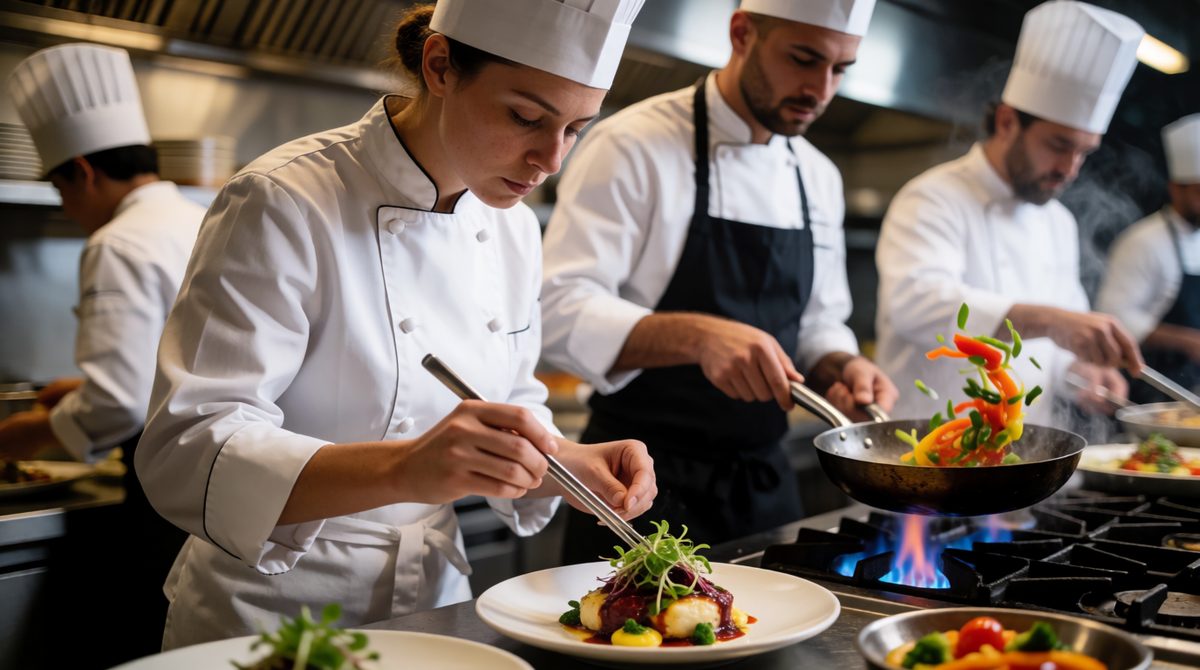
Teamwork keeps tourism businesses running smoothly
Tourism is never a solo activity. Even a self-employed tour guide relies on transport companies, accommodation providers and local restaurants to deliver a good experience. In larger organisations like airlines, hotels and cruise ships, teamwork is the backbone of every single operation.
Good teamwork means that everyone understands their role, communicates clearly, supports each other and works towards the same goal which in tourism is almost always an excellent customer experience.
🌟 The Key Elements of Effective Teamwork
💬 Clear Communication
Team members must share information quickly and accurately. In a hotel, the housekeeping team needs to know which rooms are priority check-ins. In an airline, ground crew must communicate with cabin crew about boarding status. Poor communication between team members leads directly to poor customer service.
🤝 Mutual Support
Good team members notice when a colleague is struggling and step in to help without being asked. This might mean taking over a difficult customer conversation, helping to carry equipment, or simply reassuring a nervous new colleague. In high-pressure tourism environments, this support can make the difference between a good shift and a disastrous one.
🎯 Shared Goals
Every member of the team needs to understand what they are working towards. In a hotel, the goal might be a 95% guest satisfaction score. In a tour company, it might be zero complaints per trip. When everyone knows the target, they are more likely to work together to reach it.
⚖ Respecting Roles
Good teamwork means understanding what each person's job is and respecting their expertise. A hotel chef shouldn't ignore feedback from front-of-house staff about guest dietary needs. A tour guide should listen to the driver about road conditions. Respecting each other's knowledge makes the whole team stronger.
📋 Case Study: Emirates Airline Teamwork at 35,000 Feet
Emirates is consistently rated one of the world's best airlines and a key reason is its cabin crew teamwork. Crew members come from over 130 different nationalities, yet they operate as a seamless unit on every flight. Emirates' training programme at its Dubai academy dedicates significant time to team exercises, role-play scenarios and group problem-solving. Crew are trained to anticipate each other's needs for example, if one crew member is dealing with a medical situation, others automatically redistribute duties without being told. Emirates describes this as "silent teamwork" knowing your colleagues well enough that you don't always need to ask. This level of coordination directly results in the high passenger satisfaction scores the airline is famous for.
📈 How Flexibility and Teamwork Connect
Flexibility and teamwork are closely linked in fact, you can't really have one without the other in a tourism setting. Being flexible often means helping your team. Being a good team player often requires being flexible about your own role or schedule.
🔎 A Scenario: The Overbooked Hotel
Imagine a large city hotel on a Friday evening. A conference has overrun, 40 guests are arriving two hours early, three housekeeping staff have called in sick and the restaurant is fully booked with a private function. Here's how flexibility and teamwork solve the crisis:
- ✅ The front desk manager flexibly reassigns two admin staff to help with check-ins
- ✅ The concierge teamworks with the restaurant manager to arrange a temporary drinks reception for early arrivals
- ✅ Housekeeping supervisor flexibly prioritises the most important rooms and asks maintenance staff to help with linen
- ✅ All departments communicate as a team via radio to keep each other updated in real time
- ✅ The duty manager flexibly stays beyond their shift end to oversee the situation
The result? Guests experience a smooth, welcoming check-in completely unaware of the chaos behind the scenes. That is what flexibility and teamwork achieve together.
📋 Case Study: Center Parcs UK Cross-Departmental Teamwork
Center Parcs operates five UK holiday villages, each employing hundreds of staff across accommodation, catering, leisure, retail and maintenance. What makes Center Parcs stand out is its culture of cross-departmental teamwork. Staff are trained to see themselves as part of one team "the village team" rather than separate departments. During peak periods (school holidays), leisure instructors may help with guest information, retail staff assist with activity bookings and restaurant teams support outdoor events. This flexible, team-first culture is built into induction training from day one. Center Parcs consistently scores above 90% in guest satisfaction surveys, which managers directly attribute to this joined-up approach.
🏆 Flexibility and Teamwork Across Different Tourism Sectors
These skills look slightly different depending on which part of the industry you work in. Here's how they apply across key sectors:
✈ Airlines and Aviation
Cabin crew must be flexible about which routes they fly, which positions they work (galley, aisle, door) and how long their shifts are. Delays and diversions are common. Teamwork is critical during safety procedures, meal service and managing passenger needs simultaneously. Crew briefings before every flight are a formal teamwork tool ensuring everyone knows the plan.
🏢 Hotels and Accommodation
Hotel staff often cover multiple roles, especially in smaller properties. A bed and breakfast owner might be the receptionist, chef, housekeeper and tour guide all in one. In larger hotels, flexibility means being willing to move between departments. Teamwork between front-of-house, housekeeping, food & beverage and maintenance is essential for smooth operations.
🌍 Tour Operators and Guides
Tour guides face constant unpredictability cancelled venues, sudden weather changes, group members with unexpected needs. Flexibility is built into the role. Teamwork with local suppliers, drivers and accommodation providers is what makes a tour run smoothly. A good guide maintains strong working relationships with their local network so that when things go wrong, help is available quickly.
📞 Travel Agents
Travel agents must be flexible when clients change their minds, when prices change, or when a booking falls through. Teamwork within the agency means sharing knowledge about destinations, covering each other's client portfolios during absence and collaborating on complex group bookings. In larger agencies, teamwork with airline and hotel sales reps is also important.
📋 Case Study: Carnival Cruise Lines Teamwork on a Floating City
A Carnival cruise ship can carry over 6,000 passengers and employ more than 2,000 crew members from dozens of countries. Running such a vessel requires extraordinary teamwork. Every department navigation, engineering, catering, entertainment, housekeeping, medical and guest services must work in perfect coordination. Carnival uses a system called "departmental liaisons" designated staff members whose job is specifically to communicate between departments and ensure that information flows smoothly. Flexibility is equally important: crew members sign contracts that require them to work wherever they are needed and it is common for staff to take on additional duties during port days or special events. Carnival's crew satisfaction surveys consistently show that staff who embrace both flexibility and teamwork report higher job satisfaction and longer careers with the company.
📚 Why These Skills Matter for the iGCSE Exam
The Cambridge iGCSE Travel & Tourism syllabus (0471/0538) specifically lists flexibility and teamwork as interpersonal skills that students must understand. Exam questions may ask you to:
- Define flexibility or teamwork in a tourism context
- Explain why these skills are important for a specific tourism role
- Give examples of situations where these skills would be needed
- Evaluate how well a business or employee demonstrated these skills in a given scenario
- Suggest how a tourism business could improve teamwork or encourage flexibility
✅ Strong Exam Answers Include...
- A clear definition of the skill
- A specific example linked to a tourism context
- An explanation of the impact on customers or the business
- Use of tourism-specific vocabulary
- Reference to a named business or real scenario if possible
❌ Weak Exam Answers...
- Give a vague definition with no example
- Use general language not linked to tourism
- Confuse flexibility with just "working hard"
- Describe teamwork without explaining why it matters
- Repeat the question without adding new information
📋 Exam Scenario Practice
Read this scenario and think about how you would answer the question below it:
"Sunburst Holidays operates a chain of all-inclusive resorts in the Caribbean. During a recent hurricane warning, all outdoor activities were cancelled and 800 guests were confined to the main building for 18 hours. Staff from all departments were required to work together to keep guests safe, entertained and well-fed throughout the night."
Question: Explain how flexibility and teamwork would have helped Sunburst Holidays staff manage this situation effectively. [6 marks]
Model answer approach: Define both skills (2 marks), give specific examples from the scenario of each skill in action (2 marks), explain the positive impact on guests and the business (2 marks). For example: "Flexibility would be shown by staff from the spa and watersports departments taking on food service duties, as their normal roles were not possible. Teamwork would be shown by all departments communicating and coordinating to ensure guests were kept informed and comfortable. This would result in guests feeling safe and cared for, reducing complaints and protecting the resort's reputation."
🔎 Quick Recap
- 🔄 Flexibility means adapting to change in tasks, hours, roles and communication style
- 🤝 Teamwork means cooperating with colleagues, communicating clearly and supporting each other
- 📈 Both skills are essential because tourism is unpredictable and customer-facing
- 🏆 They work best together flexible team players are the most valuable tourism employees
- ✈ These skills apply across all tourism sectors: airlines, hotels, tour operators, travel agents and attractions
- 📚 For the exam, always link these skills to specific tourism contexts and explain their impact
✍ Exam Tips: What the Examiner Wants to See
- Use the words "flexibility" and "teamwork" explicitly don't just describe them without naming them
- Always say why the skill matters, not just what it is
- Link your answer to the specific business or role mentioned in the question
- For higher marks, discuss the impact on the customer experience or business reputation
- If asked to evaluate, consider both the benefits and the challenges of developing these skills