🏠 What is Customer Service?
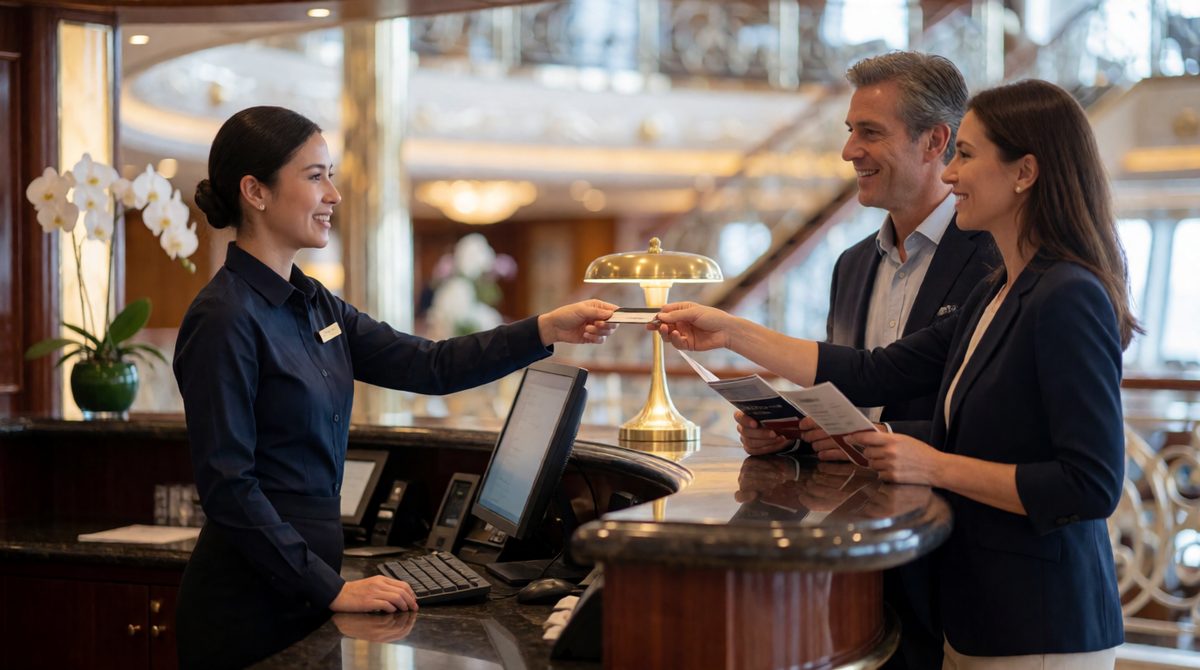
Customer service is about meeting customer needs
Customer service is everything a business does to look after its customers before, during and after they use a product or service. In travel and tourism, this is absolutely massive. Think about it: people are spending their hard-earned money on holidays, flights and experiences. If something goes wrong or staff are rude, it can ruin the whole trip!
Good customer service means customers feel valued, safe and happy. It can turn a one-time visitor into a loyal customer who comes back again and again and tells their friends too.
Key Definitions:
- Customer service: The assistance and support provided to customers before, during and after purchasing a product or service.
- Internal customers: Staff and colleagues within the same organisation (e.g. a hotel receptionist helping a hotel chef).
- External customers: People outside the organisation who use its services (e.g. a tourist booking a hotel room).
- Customer satisfaction: How happy a customer feels about the service or product they received.
- Customer loyalty: When customers keep coming back to the same business because they trust and enjoy it.
👤 Internal Customers
These are people within the business. For example, a tour guide at a theme park relies on the ticketing team to give correct information. If internal customer service breaks down, it affects the whole visitor experience. Staff need to communicate well with each other!
✈ External Customers
These are the tourists, travellers and visitors. They might be families on holiday, business travellers, school groups, or solo backpackers. Each type of customer has different needs and good customer service means understanding and meeting those needs.
🌟 Why is Customer Service So Important?
In travel and tourism, businesses live or die by their reputation. With review sites like TripAdvisor and Google Reviews, one bad experience can be seen by thousands of people. But brilliant customer service creates loyal fans who spread the word for free!
📈 The Business Benefits of Great Customer Service
There are loads of reasons why tourism businesses invest heavily in customer service training and quality. Here are the main ones:
💰 More Revenue
Happy customers spend more money. They buy extras, upgrade their rooms and return for future trips. Repeat business is cheaper to win than finding new customers.
⭐ Better Reputation
Positive reviews online and word-of-mouth recommendations attract new customers. A 5-star rating on TripAdvisor can fill a hotel for months.
🏆 Competitive Advantage
When two hotels offer similar prices and facilities, the one with better customer service wins. It's a key way to stand out in a crowded market.
💡 Did You Know?
Research shows it costs five times more to attract a new customer than to keep an existing one. That's why customer service isn't just nice to have it's a smart business strategy!
👥 Types of Customers and Their Needs
Not all customers are the same! A key skill in travel and tourism is being able to identify what different types of customers need and adapting your service to match. This is called meeting diverse customer needs.
📋 Common Customer Types in Tourism
👪 Families with Children
Need: child-friendly menus, baby-changing facilities, safe play areas and patient staff. A family arriving at a resort wants to feel welcome and know their kids are catered for.
💼 Business Travellers
Need: fast check-in, reliable Wi-Fi, quiet workspaces and efficient service. They're often pressed for time and expect professionalism above all else.
♿ Customers with Disabilities
Need: wheelchair access, hearing loops, large-print menus and staff trained in disability awareness. Under the Equality Act 2010, businesses must make reasonable adjustments.
🌎 Non-English Speakers
International tourists may not speak English fluently. Good customer service includes multilingual signage, translation apps and staff who speak other languages. A tourist from Japan visiting London should still feel welcomed and understood.
👴 Elderly Customers
May need more time, clearer communication and physical assistance. Staff should be patient and never make elderly customers feel rushed or embarrassed. Comfort and safety are top priorities for this group.
🔧 How Customer Service is Delivered
Customer service isn't just about being friendly it's about a whole system of actions, policies and training that ensures every customer has a great experience. Let's look at the main ways it's delivered in tourism.
💬 Face-to-Face Service
This is the most common form in tourism. It includes hotel receptionists, tour guides, airline cabin crew and theme park staff. The key skills needed are:
- Communication: Speaking clearly, listening actively and using positive body language.
- Product knowledge: Knowing your hotel, destination, or attraction inside out so you can answer questions confidently.
- Problem-solving: Handling complaints calmly and finding solutions quickly.
- Appearance: Wearing a uniform correctly and maintaining a professional appearance builds trust.
📚 Case Study: Disneyland Paris
Disneyland Paris is famous for its exceptional customer service. All staff (called "Cast Members") undergo extensive training in guest experience. They are taught to never say "I don't know" instead, they find the answer. Characters stay in role at all times and staff are trained to spot guests who look lost or upset and proactively help them. This approach has made Disney one of the most trusted brands in global tourism.
📞 Remote and Digital Customer Service
Modern tourism businesses also deliver customer service through digital channels. This is increasingly important as more bookings happen online.
- Phone and email: Handling enquiries, complaints and bookings professionally.
- Live chat: Instant support on websites great for quick questions before booking.
- Social media: Responding to comments and reviews on platforms like Instagram and X (Twitter).
- Self-service kiosks: Used in airports and hotels to speed up check-in without needing staff.
📋 Before the Visit
Customer service starts before the customer even arrives. This includes easy-to-navigate websites, clear booking processes, confirmation emails and helpful FAQs. A smooth booking experience sets the tone for the whole trip.
😃 After the Visit
Following up with customers after their stay is great service. This includes thank-you emails, satisfaction surveys, loyalty reward schemes and handling any post-visit complaints quickly and fairly.
🚫 The Consequences of Poor Customer Service
What happens when customer service goes wrong? The effects can be serious and in the age of social media, they can spread fast.
😱 What Poor Customer Service Looks Like
- Rude or unhelpful staff
- Long waiting times with no explanation
- Dirty or poorly maintained facilities
- Incorrect information given to customers
- Complaints ignored or handled badly
- Staff with poor product knowledge
😕 Negative Reviews
One angry customer can post a 1-star review seen by thousands. TripAdvisor, Google and Booking.com reviews directly affect how many future customers choose a business.
📈 Loss of Revenue
Unhappy customers don't return and don't recommend the business. This leads directly to fewer bookings and lower income a serious threat to survival.
😔 Damaged Reputation
A bad reputation is very hard to recover from. It can take years of effort and investment to rebuild trust after a high-profile customer service failure.
📚 Case Study: Thomas Cook Collapse (2019)
While Thomas Cook's collapse was mainly financial, poor customer service played a role in its declining reputation. Customers reported long complaint resolution times, poor communication during disruptions and a lack of empathy from staff. Thousands of holidaymakers were stranded abroad when the company folded. This case shows how customer trust, once lost, is almost impossible to regain and how poor service can contribute to a business's downfall.
📚 Handling Complaints Effectively
Even the best businesses get complaints. What matters is how you handle them. A well-handled complaint can actually turn an unhappy customer into a loyal one!
🔎 The LEARN Model for Handling Complaints
- L Listen: Let the customer explain without interrupting. Show you are paying attention.
- E Empathise: Acknowledge their feelings. Say "I understand how frustrating that must be."
- A Apologise: Say sorry, even if it wasn't your fault personally. This defuses anger.
- R Resolve: Offer a practical solution a refund, a replacement, an upgrade.
- N Notify: Follow up to make sure the customer is satisfied with the outcome.
✅ Exam Tip!
In the exam, if you're asked about handling complaints, always mention listening, apologising and offering a solution. Examiners love to see that you understand the full process not just saying "be nice"! Use examples from real tourism businesses to support your answers.
🎓 Theme 4 Exam Practice Key Points to Remember
You're nearly there! Here's a quick-fire summary of everything you need to nail for the exam on customer service in travel and tourism.
📄 Top Revision Points
✅ Must-Know Facts
- Customer service applies before, during, AND after a visit
- Both internal and external customers matter
- Different customers have different needs adapt your service
- Good service = repeat business + positive reviews
- Poor service = lost revenue + damaged reputation
- Complaints should be handled with LEARN (Listen, Empathise, Apologise, Resolve, Notify)
📝 Exam Command Words
- Describe: Give details about what something is or looks like
- Explain: Give reasons use "because" and "therefore"
- Assess / Evaluate: Weigh up the positives and negatives
- Suggest: Give a possible idea or recommendation
- Justify: Give reasons to support your answer
📚 Case Study: Emirates Airline
Emirates is consistently rated one of the world's best airlines for customer service. They invest heavily in staff training, offer multilingual cabin crew, provide exceptional in-flight entertainment and have a dedicated customer relations team. Their approach proves that investing in customer service directly leads to business success Emirates has grown from a small regional airline to one of the world's largest carriers, largely on the back of its reputation for quality service.
🎯 Quick Recap
Customer service is at the heart of travel and tourism. Whether it's a friendly smile at check-in, a quick response to a complaint online, or a thoughtfully designed accessible toilet in a visitor attraction every detail counts. Businesses that get this right build loyal customers, strong reputations and long-term success. Those that get it wrong risk losing everything. Now go smash that exam! 💪