🌐 Introduction to Marketing in Travel & Tourism
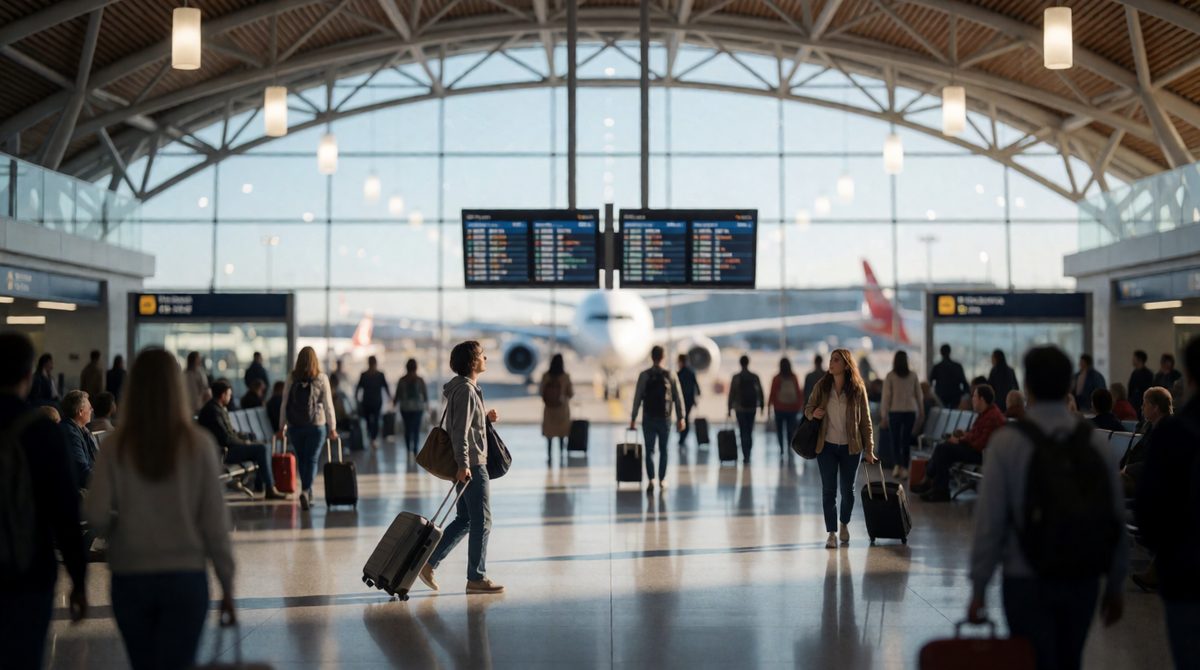
Marketing helps tourism businesses grow
Every time you see an advert for a holiday, a deal from a budget airline, or a post from a hotel on Instagram that's marketing in action. Marketing is one of the most important tools that travel and tourism organisations use to survive and grow. Without it, even the best holiday resort in the world would struggle to fill its rooms!
In the iGCSE Travel & Tourism course, you need to understand why marketing matters and how it directly leads to more sales, more customers, higher profits and a bigger slice of the market.
Key Definitions:
- Marketing: All the activities a business uses to identify customer needs and promote its products or services to meet those needs profitably.
- Sales: The number of products or services sold for example, the number of holidays booked.
- Usage: How often customers use a service for example, how many times a year someone flies with the same airline.
- Profitability: The ability of a business to make more money than it spends i.e. making a profit.
- Market Share: The percentage of total sales in a market that one business controls. If there are 100 holidays sold and one company sells 30 of them, their market share is 30%.
💡 Why Does This Matter for iGCSE?
The Cambridge iGCSE syllabus asks you to understand that marketing is not just about advertising it's a strategic process that helps travel and tourism businesses grow in four key ways: increased sales, increased usage, increased profitability and increased market share. These four outcomes are closely linked and each one feeds into the others.
📈 The Four Key Outcomes of Effective Marketing
Think of these four outcomes as a chain reaction. Good marketing attracts customers (sales), keeps them coming back (usage), reduces wasted spending (profitability) and beats the competition (market share). Let's look at each one in detail.
📈 🎫 Increased Sales
When a travel company markets itself well, more people buy its products. A well-placed TV advert, a social media campaign, or a special offer email can all push customers to book a holiday, flight, or hotel room they might not have otherwise chosen.
Example: TUI (formerly Thomson) runs seasonal TV campaigns before summer and Christmas. These campaigns directly lead to a spike in holiday bookings that's increased sales in action.
🔄 🔄 Increased Usage
It's not just about getting new customers it's about getting existing ones to use the service more often. Loyalty schemes, special member deals and targeted emails all encourage repeat visits.
Example: British Airways' Executive Club rewards frequent flyers with Avios points. The more you fly, the more points you earn encouraging customers to keep choosing BA over competitors.
💰 💰 Increased Profitability
Smart marketing doesn't just bring in more customers it brings in the right customers at the right price. By targeting people who are willing to pay more, or by filling empty seats and rooms that would otherwise go to waste, businesses increase their profit margins.
Example: Hotels use dynamic pricing charging more during peak season and offering last-minute deals to fill empty rooms. This is a marketing strategy that maximises revenue and profitability.
🏆 🏆 Increased Market Share
When a company's marketing is more effective than its rivals', it wins customers away from them. Over time, this means the company controls a larger share of the total market.
Example: Ryanair's aggressive low-price marketing strategy helped it grow from a small Irish airline into Europe's largest airline by passenger numbers taking market share from traditional carriers like Aer Lingus and British Airways.
✈️ Case Study: Ryanair Marketing for Growth
How Ryanair Used Marketing to Dominate European Aviation
Ryanair is one of the best examples of how powerful marketing can transform a business. In the 1990s, Ryanair was a small, struggling airline. By adopting a bold marketing strategy focused on one simple message "lowest fares in Europe" everything changed.
💲 Price Marketing
Ryanair constantly advertised rock-bottom fares sometimes as low as £9.99. This attracted price-sensitive customers who had never flown before, massively increasing sales and usage.
📱 Digital Marketing
Ryanair was an early adopter of online booking and digital advertising. Their website became one of Europe's most visited travel sites, reducing costs and increasing direct sales.
📊 Market Share Result
By 2023, Ryanair carried over 168 million passengers more than any other European airline. Their marketing strategy directly led to this dominant market share position.
🔎 Key Takeaway from Ryanair
Ryanair's success shows how a clear, consistent marketing message (cheap flights) can simultaneously increase sales (more bookings), usage (repeat flyers), profitability (high volume, low cost) and market share (beating competitors). All four outcomes were achieved through one focused marketing strategy.
🏠 Case Study: Marriott Hotels Loyalty and Profitability
Marriott Bonvoy: Turning Guests into Loyal Customers
Marriott International operates over 8,000 hotels worldwide. One of their most successful marketing tools is the Marriott Bonvoy loyalty programme. This is a brilliant example of marketing increasing both usage and profitability at the same time.
Members earn points every time they stay at a Marriott property. These points can be redeemed for free nights, upgrades and experiences. The result? Customers choose Marriott over rival hotels again and again.
- ✅ Over 196 million members in the Bonvoy programme (2023)
- ✅ Members spend more per stay than non-members
- ✅ Higher repeat bookings = lower marketing costs per customer
- ✅ Premium tier members (Platinum, Titanium) generate the highest profits
By marketing the loyalty scheme effectively, Marriott increases usage (guests stay more often), profitability (loyal guests spend more) and market share (guests choose Marriott over Hilton or Hyatt).
🔍 How Marketing Increases Sales In More Detail
Let's dig deeper into how specific marketing activities lead to increased sales in travel and tourism.
Promotional Campaigns and Special Offers
One of the most direct ways marketing increases sales is through promotions. These create a sense of urgency "Book now before prices go up!" and attract customers who might be sitting on the fence.
📅 Early Bird Deals
Tour operators like Jet2 offer discounts for booking holidays months in advance. This fills capacity early and guarantees sales revenue.
⏳ Last-Minute Deals
Sites like lastminute.com sell unsold hotel rooms and flights at reduced prices. This converts empty capacity into sales that would otherwise be lost.
🎁 Seasonal Campaigns
Christmas and summer holiday campaigns by companies like TUI and Thomas Cook historically generated huge spikes in bookings during key selling periods.
📚 Syllabus Link: The Marketing Mix
Remember that marketing isn't just advertising. The marketing mix (the 4 Ps) Product, Price, Place and Promotion all work together to increase sales, usage, profitability and market share. For example, pricing a holiday competitively (Price) and selling it through a popular website (Place) are both marketing decisions that affect sales.
💵 How Marketing Increases Profitability
Profitability isn't just about selling more it's about selling smarter. Here are the key ways marketing improves profit margins in travel and tourism:
- Targeting the right customers: Marketing to high-spending customers (e.g. luxury travellers) means higher revenue per sale. A cruise company advertising in a premium magazine reaches wealthier customers willing to pay more.
- Reducing empty capacity: Airlines, hotels and tour operators all have fixed costs. If a plane flies half-empty, it still costs the same to operate. Marketing that fills those empty seats turns a loss into a profit.
- Upselling and cross-selling: Marketing encourages customers to spend more. Airlines market seat upgrades, extra baggage and priority boarding. Hotels promote spa treatments and restaurant bookings. Each extra sale improves profitability.
- Brand loyalty reduces costs: It costs far less to keep an existing customer than to find a new one. Marketing that builds loyalty (like reward schemes) is more cost-effective and improves long-term profitability.
🌎 How Marketing Increases Market Share
Market share is essentially about winning the competition. In a busy market like package holidays or budget airlines there are many companies fighting for the same customers. Effective marketing is what separates the winners from the losers.
Strategies That Grow Market Share
🔥 Competitive Pricing
Offering lower prices than rivals attracts price-conscious customers. Budget airlines like easyJet and Ryanair grew their market share by undercutting traditional carriers on price backed by heavy marketing of those low fares.
⭐ Brand Differentiation
Marketing a unique selling point (USP) helps a business stand out. Virgin Atlantic markets its premium in-flight experience and fun brand personality attracting customers who want something different from British Airways.
📋 Exam Tip: Linking the Four Outcomes
In your exam, you may be asked to explain how marketing leads to one or more of these outcomes. Always try to link them together. For example: "Effective marketing increases sales, which raises revenue. If costs are controlled, this leads to higher profitability. As the business grows, it gains a larger market share, which attracts even more customers." Showing this chain of cause and effect will earn you higher marks.
🕐 Quick Summary: The Big Picture
Marketing is the engine that drives growth in travel and tourism. Whether it's a small bed and breakfast using Instagram to attract guests, or a global airline running a multi-million pound TV campaign, the principles are the same. Good marketing:
- 🔹 Increases sales by attracting new customers and encouraging bookings
- 🔹 Increases usage by keeping existing customers coming back
- 🔹 Increases profitability by filling capacity, targeting the right customers and encouraging extra spending
- 🔹 Increases market share by winning customers away from competitors
These four outcomes are the reason why travel and tourism organisations invest so heavily in marketing and why understanding them is essential for your iGCSE exam.