🔎 Pulling It All Together Applying the Factors
You have already studied the individual factors that affect marketing in travel and tourism things like reputation, brand image, costs, target markets and timing. Now it is time to do the harder (and more interesting) bit: applying them to real situations.
In your iGCSE exam, you will not just be asked to name a factor. You will be asked to explain how it affects a business and sometimes to use a case study to back up your point. This session is all about practising that skill.
Key Definitions:
- Marketing factor: Something that influences how a business promotes its products or services.
- Case study application: Using a real example to explain or support a point you are making.
- External factor: Something outside the business that affects its marketing, such as the economy or competition.
- Internal factor: Something inside the business that affects its marketing, such as its budget or brand values.
📊 Competition Fighting for the Same Customers
Competition is one of the biggest forces shaping how travel companies market themselves. When there are lots of businesses offering similar products, each one has to work harder to stand out. This directly affects the marketing mix what they charge, how they advertise and what they offer.
⚔️ How Competition Changes Marketing Decisions
When competition is fierce, businesses often respond in one of two ways: they either cut prices to attract budget-conscious customers, or they invest more in their brand and quality to justify charging more. Both are valid strategies, but they lead to very different marketing approaches.
💰 Price Competition
Businesses lower prices to attract customers away from rivals. Common in budget airlines and online booking platforms. Risk: a price war where everyone loses profit.
⭐ Quality Competition
Businesses invest in better service, facilities, or experiences. They market these improvements to justify higher prices. Common in luxury hotels and premium airlines.
🌟 Niche Competition
Businesses target a very specific group that rivals ignore. For example, eco-tourism operators or adventure travel specialists. Less direct competition means more pricing power.
🔍 Case Study: easyJet vs Ryanair Budget Airline Competition
easyJet and Ryanair are the two biggest budget airlines in Europe and they compete fiercely for the same passengers. Both use low-price marketing as their main strategy, but their approaches differ. Ryanair is famous for its aggressive, often humorous advertising that mocks rivals and emphasises rock-bottom fares. easyJet focuses more on reliability, route variety and a slightly more comfortable experience. Because of this competition, both airlines constantly monitor each other's prices and promotions. When one launches a seat sale, the other often follows within hours. This shows how competition forces businesses to react quickly and keep their marketing sharp. Both airlines also invest heavily in digital marketing targeted emails, app notifications and social media to reach customers before their rivals do.
🌐 Economic Conditions When the Economy Sneezes, Tourism Catches a Cold
The state of the economy has a massive impact on tourism and on how businesses market their products. When people have less money, they cut back on holidays. When they feel confident and wealthy, they spend more. Travel businesses must constantly adjust their marketing to match the economic mood.
📈 Economic Boom Good Times
When the economy is doing well, people have more disposable income. They are more likely to book long-haul holidays, upgrade to business class, or stay in premium hotels. Marketing during a boom can focus on aspiration and luxury. Businesses promote upgrades, add-ons and premium experiences because customers are willing to spend.
💷 Economic Recession Tough Times
During a recession, people become cautious. They may still want a holiday, but they look for value. Marketing shifts to emphasise deals, flexibility and affordability. Phrases like "more for your money" and "best value" appear everywhere. Some businesses also promote domestic tourism as a cheaper alternative to going abroad.
🔍 Case Study: UK Tourism During the 2008 Financial Crisis
When the 2008 global financial crisis hit, household incomes fell and confidence collapsed. VisitBritain, the national tourism agency, responded with a major campaign encouraging British people to holiday at home a trend known as the "staycation." Marketing messages focused on the value and variety of UK destinations. Coastal resorts like Whitby, Tenby and St Ives saw increased visitor numbers. Budget hotel chains like Premier Inn and Travelodge also benefited, marketing themselves as affordable alternatives to expensive hotels. This is a clear example of how economic conditions directly changed the marketing strategy of tourism organisations shifting the focus from international travel to domestic value.
📱 Technology The Factor That Changed Everything
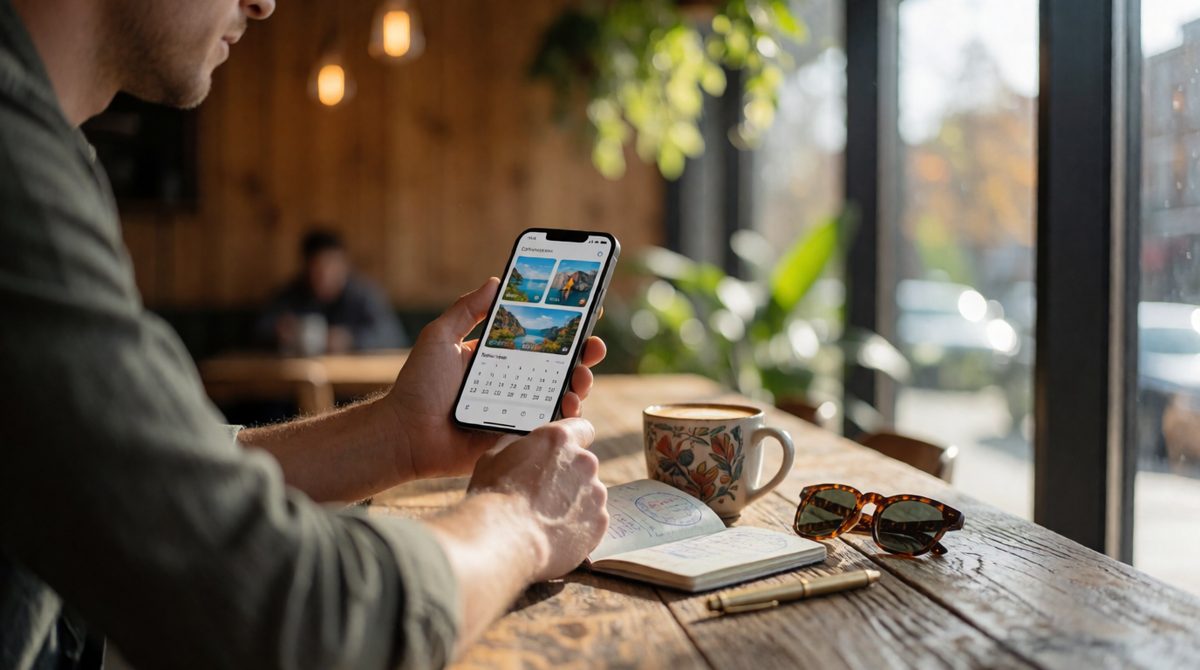
Technology has changed tourism marketing
Technology is one of the most powerful factors affecting marketing in travel and tourism today. It has completely changed how businesses reach customers, how customers research and book holidays and how businesses collect data to improve their marketing.
🔗 The Digital Revolution in Tourism Marketing
Before the internet, travel marketing meant brochures, TV adverts and high street travel agents. Today, most marketing happens online. Social media, search engines, email campaigns and travel apps have transformed the industry. Businesses that fail to adapt to technology risk losing customers to more digitally savvy rivals.
📷 Social Media Marketing
Platforms like Instagram, TikTok and Facebook allow businesses to reach millions of potential customers. Visual content photos and videos of destinations is highly effective. Influencer partnerships are now a major marketing tool.
📋 Data and Personalisation
Technology allows businesses to collect data on customer behaviour. They can then send personalised offers for example, emailing a customer about holidays to Spain if they have searched for Spanish destinations before.
🛒 Online Booking Platforms
Sites like Booking.com, Expedia and Airbnb have changed how customers buy travel. Businesses must now market themselves on these platforms as well as through their own websites, increasing competition and visibility.
🔍 Case Study: Airbnb and the Power of User-Generated Content
Airbnb is a brilliant example of a travel business that built its entire marketing strategy around technology. Rather than spending millions on traditional advertising, Airbnb encouraged its hosts and guests to share photos, reviews and stories online. This user-generated content real photos from real stays proved far more convincing to potential customers than polished adverts. Airbnb also used data technology to personalise its marketing, showing users properties that matched their previous searches and travel history. By 2023, Airbnb had over 7 million listings in more than 220 countries, largely built on a technology-driven marketing model. This case study shows how technology can be used as a low-cost but highly effective marketing factor.
🌎 Applying Multiple Factors Together
In real life and in your exam marketing factors rarely work alone. A business might be dealing with tough competition and a difficult economy at the same time. The skill is being able to explain how these factors interact and how a business responds to more than one at once.
🔍 Case Study: TUI During COVID-19 Multiple Factors at Once
The COVID-19 pandemic (2020–2021) is the ultimate example of multiple marketing factors hitting a travel business simultaneously. TUI, one of the world's largest travel companies, faced a near-total collapse of demand. Economically, millions of people lost income and could not afford holidays. Legally, governments banned international travel. Technologically, TUI had to rapidly shift all customer communication online cancellations, refunds and rebooking were handled digitally. In terms of brand image, TUI had to work hard to reassure customers that their money was safe and that holidays would return. When restrictions lifted, TUI launched bold "We're Back" marketing campaigns targeting pent-up demand people who had been unable to travel for over a year and were desperate for a holiday. TUI offered flexible booking policies as a key marketing message, directly addressing customer concerns about uncertainty. This case study shows how a business must consider economic conditions, technology, competition and brand image all at once.
📝 How to Write a Strong Exam Answer Using Case Studies
When you are asked to apply marketing factors to a case study in your exam, follow this simple structure to pick up maximum marks:
1️⃣ Identify the Factor
Name the marketing factor clearly. For example: "One factor affecting marketing is competition."
2️⃣ Explain the Impact
Say how that factor affects the business's marketing decisions. For example: "This means the business must lower prices or improve its product to attract customers away from rivals."
3️⃣ Use the Case Study
Link your point to a specific example. For example: "For instance, easyJet monitors Ryanair's prices and responds quickly with matching deals to avoid losing customers."
🎯 Putting the Factors Side by Side
Here is a quick summary of how the key factors you have studied this topic affect marketing decisions in travel and tourism. Use this as a revision tool.
⚖️ Competition
Forces businesses to differentiate. Leads to price wars or quality improvements. Drives innovation in marketing channels and messages. Example: budget airlines constantly monitoring and matching each other's fares.
🌐 Economic Conditions
Affects how much customers can spend. During recessions, marketing shifts to value and affordability. During booms, luxury and aspiration are promoted. Example: staycation campaigns during the 2008 financial crisis.
📱 Technology
Changes how businesses reach and engage customers. Enables personalisation and data-driven marketing. Creates new platforms and channels. Example: Airbnb's user-generated content strategy.
🌟 All Factors Together
In real situations, businesses face multiple factors at once. Strong marketing means responding to all of them. Example: TUI during COVID-19 had to address economic collapse, travel bans and brand trust simultaneously.
📚 Exam Tips & Key Points to Remember
- ✅ Always name the factor, then explain its impact, then use a real example this three-step approach earns the most marks.
- ✅ Competition does not just mean price it also includes quality, niche targeting and marketing channel choices.
- ✅ Economic conditions affect both the amount customers spend and the type of holiday they choose mention both for higher marks.
- ✅ Technology is not just social media include data, personalisation and online booking platforms in your answers.
- ✅ The best exam answers show that multiple factors interact for example, a recession combined with strong competition forces a business to cut prices AND improve its marketing efficiency.
- ✅ Use specific business names and real campaigns wherever possible vague answers score fewer marks.
- ✅ Remember: factors can be external (economy, competition, technology trends) or internal (budget, brand values, staff skills).