🎯 What Is a Marketing Campaign?
A marketing campaign is a planned series of activities designed to promote a product, service, or destination to a target audience. In travel and tourism, campaigns are used by destinations, tour operators, airlines and hotels to attract visitors and increase bookings.
Campaigns don't just happen randomly they are carefully planned with a clear goal, a target audience, a budget and a way of measuring success. Think of a campaign like a mission: you need to know where you're going, who you're talking to and how you'll know if it worked.
Key Definitions:
- Marketing Campaign: A coordinated set of promotional activities with a specific goal, aimed at a defined audience over a set period of time.
- Target Audience: The specific group of people a campaign is aimed at e.g. families, young backpackers, luxury travellers.
- Campaign Objective: The goal of the campaign e.g. increase visitor numbers, raise awareness, change perceptions.
- National Tourism Organisation (NTO): A government-backed body responsible for promoting a country as a tourist destination e.g. VisitBritain, Tourism New Zealand.
🎯 Campaign Goals
Tourism campaigns usually aim to do one of three things: attract new visitors who haven't been before, encourage repeat visits from people who've already been, or change perceptions for example, convincing people that a destination is safe, exciting, or good value. Some campaigns focus on a specific season, like encouraging winter tourism to a beach destination.
📈 Measuring Success
How do you know if a campaign worked? Tourism organisations look at data like visitor numbers, tourism spending, website traffic, social media engagement and hotel occupancy rates. A campaign that goes viral on social media might reach millions of people but if it doesn't lead to actual bookings, it hasn't fully succeeded.
🏭 Planning a Marketing Campaign
Successful campaigns don't just involve making a cool advert. There's a whole process behind them. Tourism marketers use a structured approach to make sure their campaign hits the right people with the right message at the right time.
📋 The Campaign Planning Process
Most marketing campaigns in tourism follow a logical sequence of steps. Each step builds on the last, making sure the campaign is focused and effective.
1️⃣ Research
Who are we trying to reach? What do they want? What do competitors offer? This stage involves market research surveys, data analysis and studying trends.
2️⃣ Set Objectives
What does the campaign need to achieve? Objectives should be SMART: Specific, Measurable, Achievable, Realistic and Time-bound. Example: "Increase visitor numbers by 10% in 12 months."
3️⃣ Choose Channels
Where will the campaign run? TV, social media, travel magazines, billboards, influencer partnerships? The channel depends on the target audience and budget available.
4️⃣ Create Content
This is the creative part writing slogans, filming adverts, designing posters, building websites. The content must reflect the brand and appeal to the target audience.
5️⃣ Launch
The campaign goes live. Timing matters a summer campaign should launch in spring when people are planning holidays. A campaign targeting Christmas breaks should launch in autumn.
6️⃣ Evaluate
Did it work? Marketers review visitor data, booking figures and social media stats to see if objectives were met. Lessons are learned for future campaigns.
🌎 What Is Destination Branding?
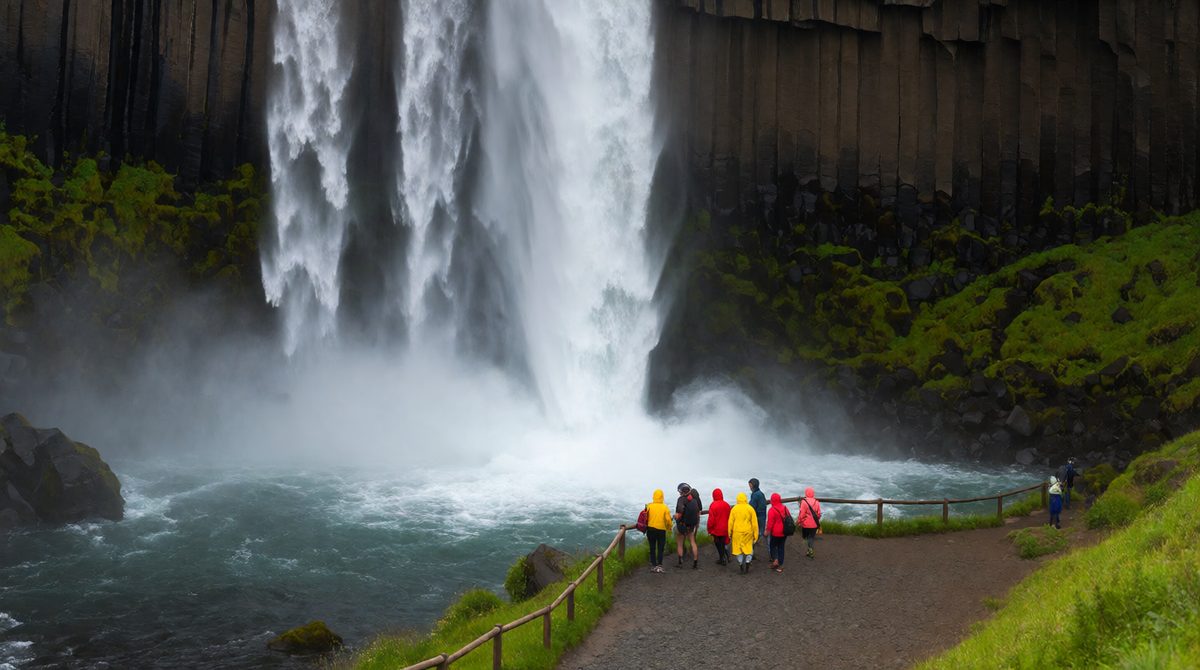
Destination branding creates a strong identity
You've heard of brands like Nike or Apple but did you know that countries, cities and regions can be brands too? Destination branding is the process of creating a unique identity for a place so that it stands out from competitors and appeals to the right visitors.
A strong destination brand makes people feel something excitement, relaxation, adventure, culture. It's not just a logo or a tagline; it's the overall image and reputation of a place in the minds of potential visitors.
Key Definitions:
- Destination Brand: The overall image, identity and reputation of a place as a tourist destination.
- Brand Identity: The visual and emotional elements that represent a destination including logos, colours, slogans and tone of voice.
- Brand Perception: How a destination is actually seen by tourists which may be different from how the destination wants to be seen.
- Unique Selling Point (USP): The thing that makes a destination different and better than its competitors e.g. natural beauty, culture, adventure, food.
💡 Why Branding Matters
There are hundreds of destinations competing for tourists' attention and money. Branding helps a destination cut through the noise. When someone thinks "safari holiday," they probably think Kenya or South Africa. When someone thinks "city break with amazing food," they might think Barcelona or Tokyo. That's the power of a strong destination brand it creates an instant association in the traveller's mind.
🌟 The Elements of a Destination Brand
A destination brand is made up of several connected parts. Together, they create a consistent image that tourists recognise and remember.
🖼 Logos, Slogans and Visual Identity
The most visible part of a destination brand is its visual identity the logo, colour scheme, fonts and imagery used in all promotional materials. A good logo is simple, memorable and reflects the character of the place.
📄 Famous Tourism Slogans
- "100% Pure New Zealand" focuses on natural beauty and authenticity
- "Incredible India" highlights the country's diversity and richness
- "I Amsterdam" creates a personal connection with the city
- "Smile, You're in Spain" warm, welcoming and positive
- "Scotland – Feel the Spirit" emotional and atmospheric
🎨 What Makes a Good Slogan?
A great tourism slogan should be short and memorable, reflect the destination's personality, appeal to the target audience and be different from competitors. It should make people feel something curiosity, excitement, or a desire to visit. Slogans that are too generic (like "Come and Visit!") don't work because they could apply to anywhere.
🇳🇿 Case Study: "100% Pure New Zealand"
Launched in 1999 by Tourism New Zealand, the "100% Pure New Zealand" campaign is one of the most successful destination branding campaigns ever. It positioned New Zealand as a pristine, natural and unspoilt destination perfect for adventure tourism and eco-tourism. The campaign used stunning imagery of mountains, fjords and Maori culture. It was reinforced by the Lord of the Rings films (2001–2003), which were filmed in New Zealand and attracted millions of film tourists. The brand has remained consistent for over 25 years, which is unusual in marketing. Tourism New Zealand reports that the country earns over NZ$40 billion per year from tourism, partly thanks to this iconic brand.
🌍 National Tourism Organisations and Campaigns
National Tourism Organisations (NTOs) are the main bodies responsible for marketing a country to international visitors. They are usually funded by the government and work closely with airlines, hotels and tour operators to promote the destination.
NTOs run large-scale campaigns targeting specific countries or types of traveller. They also attend international travel trade fairs (like World Travel Market in London) to promote their destination to tour operators and travel agents.
🇬🇧 Case Study: VisitScotland – "Scotland is Now"
VisitScotland launched the "Scotland is Now" campaign in 2018 to attract younger, international visitors and counter negative perceptions of Scotland as rainy and remote. The campaign used a bold, modern visual identity and focused on Scotland's innovation, culture, food and natural beauty not just tartan and bagpipes.
The campaign ran across social media, YouTube and digital advertising in key markets including the USA, Germany and Australia. It used real Scottish people sharing their stories, making it feel authentic rather than corporate. The campaign reached over 600 million people in its first year and helped drive a significant increase in international visitor numbers.
Key lesson: Successful campaigns update a destination's image while keeping its core identity. Scotland didn't abandon its heritage it added modern layers to it.
📷 Digital Marketing and Social Media Campaigns
The rise of the internet and social media has completely transformed how destinations are marketed. Traditional methods like TV adverts and printed brochures are still used, but digital marketing is now central to most tourism campaigns.
Key Digital Marketing Tools in Tourism:
- Social Media (Instagram, TikTok, Facebook): Destinations share stunning photos and videos to inspire potential visitors. Hashtags like #VisitIceland or #LoveGreatBritain help spread content organically.
- Influencer Marketing: Tourism boards pay travel bloggers and social media influencers to visit and post about a destination. This feels more authentic than traditional advertising.
- Search Engine Optimisation (SEO): Making sure a destination's website appears at the top of Google when people search for holidays.
- Email Marketing: Sending targeted offers and inspiration to people who have already shown interest in a destination.
- User-Generated Content (UGC): Encouraging tourists to share their own photos and reviews, which acts as free, authentic promotion.
📱 The Power of Instagram
Instagram has created entirely new tourist destinations places that became famous simply because they look amazing in photos. The Faroe Islands used Instagram brilliantly, creating a campaign called "Closed for Maintenance, Open for Voluntourism" where tourists could help maintain the islands while being photographed. It went viral and generated millions in free publicity. Iceland's tourism boom in the 2010s was also largely driven by Instagram-worthy landscapes shared by travellers.
🎶 Influencer Campaigns
Many NTOs now work with travel influencers people with large social media followings who travel and share content. Tourism Australia famously ran a campaign called "Best Jobs in the World", offering people the chance to be paid to travel Australia and blog about it. The campaign generated massive media coverage and social media buzz, reaching far more people than a traditional advert would have.
🔍 Targeting Different Market Segments
Not all tourists want the same thing. A destination might appeal to families, backpackers, luxury travellers, adventure seekers and cultural tourists all at the same time. Smart marketing campaigns target specific segments with tailored messages.
🏁 Segmenting the Tourism Market
Tourism marketers divide their potential visitors into groups based on shared characteristics. Different segments need different messages, different channels and sometimes different products.
👪 Families
Campaigns targeting families focus on safety, child-friendly activities, value for money and convenience. Channels include family magazines, Facebook and parenting websites. Theme parks and beach resorts often target this segment.
🏃 Adventure Tourists
These visitors want thrills hiking, surfing, skiing, bungee jumping. Campaigns use action-packed imagery and are promoted on YouTube, Instagram and adventure travel websites. New Zealand and Costa Rica target this segment heavily.
👑 Luxury Travellers
High-spending tourists respond to campaigns emphasising exclusivity, quality and unique experiences. Channels include luxury lifestyle magazines, premium travel agencies and targeted online advertising. The Maldives and Dubai target this segment.
🇪🇸 Case Study: Spain – Rebranding After a Crisis
Spain is one of the world's top tourist destinations, but its image was once seen as purely a "sun, sea and sand" destination cheap package holidays with little cultural depth. Spain's tourism authority, Turespaña, launched a long-term rebranding campaign to change this perception. They promoted Spain's world-class food scene, art (Picasso, Gaudí), flamenco and diverse landscapes from the Pyrenees to Andalusia. The campaign targeted higher-spending cultural tourists and city-break visitors, not just beach holiday makers. Spain now regularly attracts over 80 million international visitors per year, making it one of the top three most visited countries in the world. The rebranding helped increase tourist spending per visit, not just visitor numbers.
⚖ Evaluating Marketing Campaigns
For your iGCSE exam, you need to be able to evaluate how effective a marketing campaign has been not just describe it. This means looking at both the positives and the limitations.
Questions to Ask When Evaluating a Campaign:
- Did visitor numbers increase after the campaign?
- Did tourist spending increase, or just visitor numbers?
- Did the campaign reach the intended target audience?
- Was the campaign cost-effective? Did the benefits outweigh the costs?
- Did the campaign change perceptions of the destination?
- Were there any negative side effects e.g. overtourism?
✅ Strengths of Digital Campaigns
- Can reach a global audience quickly and cheaply
- Easy to target specific groups with personalised content
- Results can be measured in real time (clicks, views, bookings)
- User-generated content provides authentic, free promotion
- Can go viral and reach far beyond the original budget
❌ Limitations of Digital Campaigns
- Not all target audiences use social media (e.g. older travellers)
- Negative reviews and bad press can spread just as fast as good news
- Viral success doesn't always translate into actual bookings
- Over-promotion can lead to overtourism and damage the destination
- Influencer content can feel fake or misleading to audiences
🏴 The Link Between Branding and the Overall Tourism Product
Remember from earlier in this topic that the tourism product includes everything a visitor experiences transport, accommodation, attractions, food and service. The brand is the promise made to the visitor before they arrive. If the actual experience doesn't match the brand promise, tourists will be disappointed and leave negative reviews.
This is why destination branding must be honest and realistic. A campaign that promises "paradise" but delivers overcrowded beaches and poor service will damage the brand long-term. The best campaigns are built on genuine strengths of the destination.
💡 Exam Tip: Linking Concepts Together
In your exam, you might be asked to explain how marketing campaigns and destination branding are connected to the wider marketing mix. Remember: Promotion (campaigns and branding) must work alongside the Product (what the destination actually offers). A beautiful campaign for a poor product won't work in the long run. The best tourism marketing is honest, targeted and consistent and it reflects the real strengths of the destination. If a question asks you to "evaluate," always include both positives AND negatives and try to reach a conclusion.
📚 Summary: Key Points to Remember
- A marketing campaign is a planned, targeted set of promotional activities with a clear goal and measurable outcomes.
- Destination branding creates a unique identity for a place including logos, slogans and a consistent image.
- Strong brands like "100% Pure New Zealand" are consistent, honest and emotionally appealing.
- NTOs (National Tourism Organisations) are the main bodies responsible for marketing countries to international visitors.
- Digital marketing including social media, influencers and user-generated content has transformed tourism promotion.
- Campaigns must be targeted at specific market segments with tailored messages and appropriate channels.
- Successful campaigns increase visitor numbers and spending and create a positive, lasting image of the destination.
- When evaluating campaigns, consider both strengths and limitations including the risk of overtourism from too-successful promotion.