🌐 Web-Based Promotion in Travel & Tourism
The internet has completely changed how tourism is marketed. Not long ago, if you wanted to book a holiday, you'd walk into a travel agent, flick through a brochure and trust what the agent told you. Today, most people research, compare and book everything online often without speaking to a single person.
Web-based promotion covers any marketing activity that takes place online. This includes official tourism websites, social media platforms, travel blogs, podcasts, email campaigns and online advertising. For tourism businesses from small guesthouses to national tourism organisations having a strong online presence is no longer optional. It's essential.
Key Definitions:
- Web-based promotion: Any form of marketing carried out through the internet, including websites, social media, email and online advertising.
- User-generated content (UGC): Photos, reviews, videos and posts created by customers rather than businesses for example, a tourist uploading holiday photos to Instagram.
- Digital marketing: The use of digital channels (internet, apps, social media) to promote products and services.
- Viral marketing: When online content spreads rapidly and widely because people share it often unexpectedly boosting a destination's profile.
📈 Why Online Promotion Has Grown So Fast
Smartphone ownership, faster internet and the rise of platforms like Instagram and TikTok mean billions of people are online every day. Tourism businesses can now reach potential customers anywhere in the world, at any time, often at a fraction of the cost of traditional advertising. A single viral post can generate more interest in a destination than a million-pound TV campaign.
🚫 The Shift Away from Traditional Methods
Traditional methods like printed brochures, newspaper adverts and TV commercials still exist, but their influence is shrinking. Young travellers especially rely on social media, review sites and travel blogs to make decisions. Businesses that ignore digital promotion risk being invisible to a huge portion of their target market.
🌎 Tourism Websites – The Digital Shopfront
A tourism business's website is often the first point of contact with a potential customer. Think of it as a digital shopfront if it looks good, loads quickly and is easy to use, visitors are more likely to stay and book. If it's slow, confusing or outdated, they'll leave within seconds.
💻 What Makes a Good Tourism Website?
Effective tourism websites share several features. They're visually appealing, with high-quality photos and videos that inspire people to visit. They're easy to navigate, with clear booking options. They're also optimised for mobile phones, since most people browse on their smartphones. Search Engine Optimisation (SEO) helps websites appear near the top of Google search results crucial for attracting visitors who are searching for holidays.
✅ Advantages
Available 24/7 worldwide. Can include booking systems, virtual tours, maps and reviews. Cost-effective compared to print. Easy to update with new offers or information.
❌ Disadvantages
Requires regular maintenance and updates. Can be expensive to build professionally. Needs good SEO to be found. Poor design can damage brand reputation.
🔍 Example
VisitBritain.com promotes the UK to international tourists with destination guides, itineraries and booking links all in multiple languages to reach global audiences.
📷 Case Study: TripAdvisor – The Power of Reviews
TripAdvisor is one of the world's largest travel websites, with over 1 billion reviews and opinions. It allows travellers to read honest reviews from other tourists before booking hotels, restaurants and attractions. For tourism businesses, a high TripAdvisor rating can significantly boost bookings while a string of bad reviews can be devastating. This shows how web-based promotion isn't just about what businesses say about themselves; it's also about what customers say online. TripAdvisor is a prime example of user-generated content shaping tourism decisions on a massive scale.
📱 Social Media – Reaching Millions Instantly
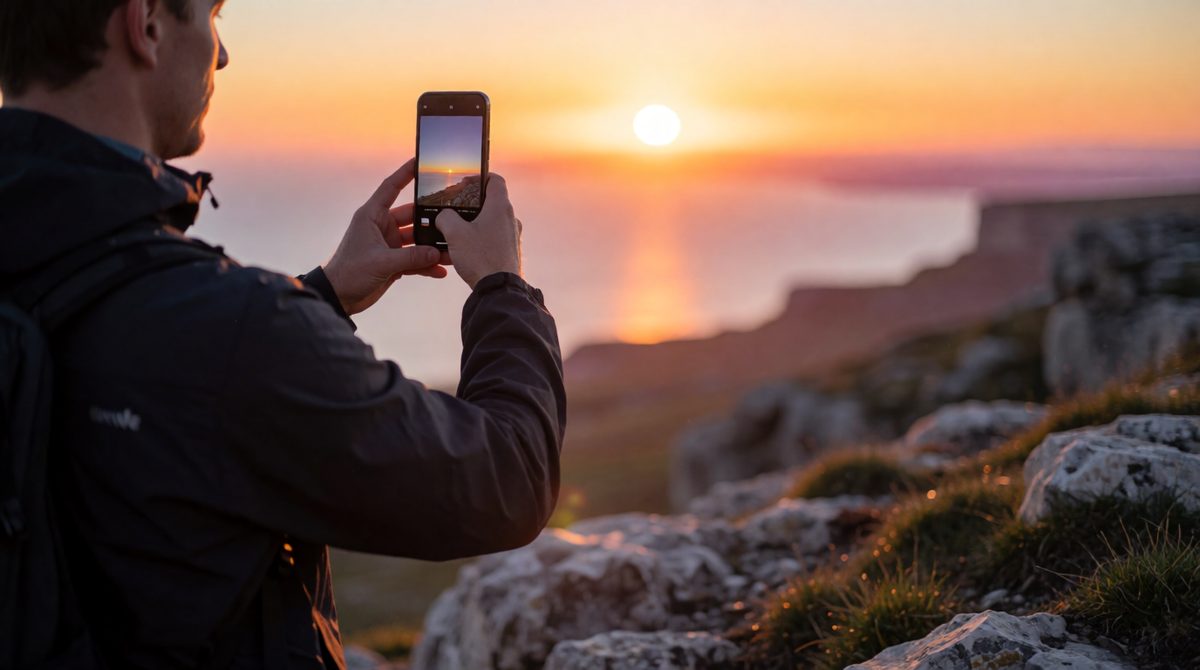
Social media reaches millions of travellers
Social media platforms like Instagram, Facebook, TikTok, YouTube and X (formerly Twitter) are among the most powerful promotional tools available to tourism businesses today. They allow direct, two-way communication with customers businesses can post content and customers can like, comment, share and respond in real time.
Each platform works differently and attracts different audiences, so smart tourism marketers choose their platforms carefully based on who they're trying to reach.
🌐 Key Social Media Platforms in Tourism
📷 Instagram
Image and video-led platform. Perfect for showcasing beautiful destinations, hotels and experiences. Popular with 18–35 year olds. Features like Stories, Reels and hashtags help content reach new audiences. Many tourism boards run dedicated Instagram accounts.
🎥 TikTok
Short video platform with massive reach among under-25s. Travel content can go viral quickly. Destinations like Iceland and Japan have seen huge spikes in tourist interest after TikTok videos went viral. Low production costs a smartphone is all you need.
📺 YouTube
Long-form video platform. Ideal for destination guides, hotel tours and travel vlogs. Content stays searchable for years. Tourism boards and travel companies use YouTube to publish in-depth promotional videos that inform as well as inspire.
🇮🇸 Case Study: Iceland – Going Viral on Social Media
Iceland is a brilliant example of a destination that has used social media brilliantly. The Icelandic Tourist Board actively encourages tourists to share photos using hashtags like #Iceland and #VisitIceland. User-generated content tourists posting stunning photos of the Northern Lights, geysers and waterfalls has done much of the marketing for them. Tourist numbers to Iceland grew from around 490,000 in 2010 to over 2 million by 2018, with social media credited as a major driver. The challenge became managing overtourism a reminder that successful promotion can bring its own problems.
✍ Travel Blogs – Authentic Voices That Travellers Trust
A travel blog is a website or online journal where someone writes about their travel experiences. Blogs can be run by professional travel writers, independent travellers, or even tourism businesses themselves. What makes blogs so effective is that they feel personal and authentic readers trust the opinions of a real person more than a polished advert.
Key Definitions:
- Blog: A regularly updated website or web page, written in an informal style, often by an individual sharing personal experiences or opinions.
- Travel blogger: Someone who writes about their travel experiences online, often including photos, tips, itineraries and honest reviews.
- Influencer: A person with a large, engaged online following who can influence the purchasing decisions of their audience.
📋 How Tourism Businesses Use Blogs
Tourism businesses use blogs in two main ways. First, they may run their own blog on their website publishing destination guides, travel tips and behind-the-scenes content to attract visitors via search engines. Second, they may invite popular travel bloggers or influencers to visit and write about their destination or product, hoping to reach the blogger's existing audience.
For example, a boutique hotel in the Cotswolds might invite a well-known lifestyle blogger for a free stay in exchange for a detailed review post. If that blogger has 200,000 followers, the hotel has just reached a huge potential audience often more effectively than a paid advert would.
✅ Advantages of Travel Blogs
Blogs feel honest and personal, so readers trust them. They can reach very specific niche audiences for example, solo female travellers, budget backpackers, or luxury honeymoon seekers. Blog posts remain online and searchable for years, providing long-term promotion. They often rank well in Google searches, driving organic traffic to destinations and businesses.
❌ Disadvantages of Travel Blogs
Businesses have limited control over what a blogger writes a negative review can spread widely. The quality of blogs varies enormously. It can be hard to measure the direct impact on bookings. Some audiences are becoming sceptical of bloggers who are paid to promote destinations, questioning their honesty.
📋 Case Study: Tourism Australia and Travel Bloggers
Tourism Australia has run several campaigns involving travel bloggers and social media influencers. In one notable campaign, they invited a group of international travel bloggers on a curated tour of Australia, asking them to document their experiences in real time across their social media channels and blogs. The combined reach of these bloggers ran into the millions, generating authentic content that felt far more credible to readers than traditional advertising. The campaign produced hundreds of blog posts, thousands of social media posts and significant increases in web traffic to Tourism Australia's official site.
🎧 Podcasts – Tourism in Your Ears
Podcasts are audio programmes that people can download or stream on demand. They've grown enormously in popularity millions of people listen to podcasts while commuting, exercising or relaxing. For tourism promotion, podcasts offer a unique way to reach an engaged audience who are actively choosing to listen.
Key Definition:
- Podcast: A digital audio file, or series of files, available for download or streaming online, typically covering a specific topic or theme.
🎤 How Are Podcasts Used in Tourism Promotion?
Tourism organisations, travel companies and independent travel enthusiasts all produce podcasts. They might feature destination guides, interviews with locals, travel tips, or stories about specific places. Some tourism boards sponsor popular travel podcasts to reach their audience. Others produce their own branded podcasts as part of their content marketing strategy.
For example, VisitDenmark has produced podcast content as part of its digital marketing strategy, offering audio guides and travel inspiration to potential visitors. Meanwhile, independent travel podcasts like "Zero To Travel" and "The Travel Diaries" attract hundreds of thousands of listeners who are actively planning trips a highly valuable audience for tourism advertisers.
✅ Advantages of Podcasts
Reach an engaged, self-selected audience who are interested in travel. Can build a loyal following over time. Relatively cheap to produce just a microphone and editing software. Audio content is consumed during activities like commuting, meaning listeners give it their full attention. Podcasts can position a destination or brand as an authority.
❌ Disadvantages of Podcasts
Harder to measure impact than social media or web analytics. Building an audience takes time a new podcast may struggle to get listeners. Audio-only format means you can't show beautiful visuals, which are so important in tourism. Not all target markets listen to podcasts older travellers may prefer other media.
🔁 User-Generated Content – Tourists as Marketers
One of the most significant shifts in modern tourism marketing is the rise of user-generated content (UGC). When tourists post photos, videos and reviews online, they are effectively promoting destinations and businesses for free. Research consistently shows that people trust recommendations from other travellers far more than they trust official advertising.
📸 Why UGC Matters So Much
Think about how you'd choose a restaurant in an unfamiliar city. You'd probably check Google reviews or look at photos on Instagram not read the restaurant's own website. The same principle applies to tourism. A stunning photo posted by a real tourist is more convincing than a professionally staged advert. Tourism businesses actively encourage UGC by creating "Instagrammable" spots, running photo competitions and asking customers to use branded hashtags.
🏭 Case Study: Airbnb and UGC
Airbnb's entire business model relies heavily on user-generated content. Every property listing features photos taken by hosts and the platform is built around reviews left by guests. Airbnb encourages hosts to take high-quality photos and guests to leave detailed reviews. This creates a self-sustaining cycle of UGC that promotes individual properties and entire destinations. Airbnb's social media channels also regularly repost photos shared by guests, turning customers into brand ambassadors at no extra cost.
📋 Comparing Web-Based Promotional Methods
It's important to understand that different digital methods suit different purposes and different target markets. A luxury safari company targeting wealthy over-50s might focus on a high-quality website and email marketing. A budget hostel targeting backpackers aged 18–25 would prioritise TikTok and Instagram. Good marketing means choosing the right channel for the right audience.
📊 Summary Comparison Table
🌐 Websites & SEO
Best for: Providing detailed information and enabling bookings.
Audience: All ages.
Cost: Medium to high initial cost, low ongoing.
Control: High business controls all content.
📱 Social Media
Best for: Visual inspiration, brand awareness, engagement.
Audience: Primarily under-40s.
Cost: Low to medium.
Control: Medium comments and shares can go in unexpected directions.
🎧 Blogs & Podcasts
Best for: Building trust, reaching niche audiences, long-term SEO.
Audience: Varies by topic.
Cost: Low.
Control: Low when using independent bloggers they may write what they like.
💡 Exam Tip: Evaluation Questions
In the exam, you may be asked to evaluate web-based promotion methods. Always consider both sides advantages AND disadvantages. Think about: cost, reach, target market, level of control and measurability. A strong answer will also consider which method is most appropriate for a specific type of tourism business or destination and justify your choice with reasons.
⚠ Challenges and Risks of Web-Based Promotion
Web-based promotion isn't without its risks. Negative reviews on TripAdvisor or Google can spread rapidly and damage a business's reputation. A poorly judged social media post can cause a PR crisis. Destinations that become too popular through viral social media exposure can suffer from overtourism too many visitors damaging the very environment that attracted them in the first place.
🚫 Managing Online Reputation
Smart tourism businesses actively monitor their online presence. They respond professionally to negative reviews, thank customers for positive feedback and address complaints quickly. This shows potential customers that the business cares about quality and service. Ignoring negative reviews is one of the worst things a business can do it suggests they don't care and can make the situation far worse.
🌍 Case Study: Overtourism and the "Instagram Effect"
The Faroe Islands, a remote archipelago between Norway and Iceland, experienced a dramatic surge in tourist interest after photos of its dramatic cliffs and waterfalls went viral on Instagram. Visitor numbers rose sharply, putting pressure on fragile ecosystems and local infrastructure. In response, the Faroese government introduced "Closed for Maintenance, Open for Voluntourism" weekends closing the islands to tourists while inviting volunteers to help maintain hiking trails. This clever campaign itself went viral, generating even more positive media coverage. It shows that web-based promotion can create challenges as well as opportunities and that destinations need strategies to manage the consequences of their own success.
📚 Summary: Key Points to Remember
- 🌐 Web-based promotion includes websites, social media, blogs, podcasts and online advertising all essential tools in modern tourism marketing.
- 💻 A good tourism website acts as a digital shopfront it must be visually appealing, easy to use, mobile-friendly and well-optimised for search engines.
- 📱 Social media platforms like Instagram, TikTok and YouTube allow tourism businesses to reach millions of potential customers with visual, engaging content.
- ✍ Travel blogs build trust through personal, authentic voices readers often trust bloggers more than official adverts.
- 🎧 Podcasts reach an engaged, self-selected audience and are growing in importance as a tourism marketing tool.
- 📸 User-generated content (UGC) photos, reviews and posts by real tourists is one of the most powerful and cost-effective forms of promotion.
- ⚠ Web-based promotion carries risks including negative reviews, loss of control over content and the potential for overtourism caused by viral exposure.
- 📋 Different digital methods suit different audiences and purposes effective marketers choose the right channel for the right target market.