📈 Why Offer Discounts?
Tourism products are perishable – an empty hotel room on Tuesday night can never be sold again. Discounts help businesses sell what would otherwise be wasted capacity. A half-price room is always better than an empty one.
Sign up to access the complete lesson and track your progress!
Unlock This CourseImagine you're booking a holiday and you spot a deal: "Book before 31st January and save 20%!" That's discount pricing in action. Tourism businesses use discounts all the time – not because they're being generous, but because it's a smart business move. Discounts help fill seats, beds and tour buses that would otherwise sit empty.
Discount pricing means deliberately lowering the price of a product or service below the standard rate to attract more customers or achieve a specific business goal.
Key Definitions:
Tourism products are perishable – an empty hotel room on Tuesday night can never be sold again. Discounts help businesses sell what would otherwise be wasted capacity. A half-price room is always better than an empty one.
Discounts can be offered to early bookers, last-minute buyers, groups, loyal customers, children, students, or people travelling in the off-peak season. Each type targets a different customer group.
There isn't just one kind of discount – tourism businesses use several different approaches depending on what they're trying to achieve. Let's look at each one.
Early bird discounts reward customers who book well in advance. Tour operators like TUI and airlines like British Airways offer lower prices months before departure. This helps businesses secure cash flow early and predict demand. The customer gets a cheaper deal; the business gets certainty.
TUI regularly offers "Early Bird" discounts of up to 30% off summer holidays when booked before a set date in winter. This fills planes and hotels months in advance, giving TUI the money and confidence to plan ahead. Customers who book early take on more risk (plans might change) but save significantly.
At the opposite end, last-minute discounts are offered very close to the departure or check-in date. If a hotel has 20 empty rooms the night before, it may slash prices on booking sites like Booking.com or Hotels.com to fill them. It's better to earn something than nothing.
Last-minute deals are popular with flexible travellers – often younger people or those without children who can travel at short notice. Websites like lastminute.com were built entirely around this idea.
Tour operators, attractions and transport providers often offer reduced rates for groups. A group booking of 20+ people at a theme park, for example, might get 25% off. This is attractive because one booking fills lots of seats or spaces at once, reducing the cost of marketing and administration per customer.
Schools, sports clubs and coach tour companies frequently benefit from group discounts. Alton Towers, Thorpe Park and The London Eye all have published group rate structures.
Loyalty discounts reward repeat customers. Airlines use frequent flyer programmes (like British Airways' Executive Club or Ryanair's Choice Plus) to give loyal customers points, upgrades, or cheaper fares. Hotels use loyalty cards – Marriott Bonvoy and Hilton Honors are two of the biggest schemes globally.
The idea is simple: it costs less to keep an existing customer than to find a new one. Loyalty discounts make customers feel valued and less likely to switch to a competitor.
Marriott International runs one of the world's largest hotel loyalty schemes – Marriott Bonvoy – with over 196 million members worldwide. Members earn points for every stay, which can be redeemed for free nights, room upgrades and exclusive experiences. Elite members get discounted rates, late check-out and priority service. This keeps customers returning to Marriott properties rather than booking elsewhere, even if a competitor is slightly cheaper on the night.
Tourism is highly seasonal. Demand for beach holidays peaks in summer; ski resorts are busiest in winter. In the off-peak season, businesses use seasonal discounts to attract customers when demand naturally falls. A Spanish beach hotel might offer 40% off in November compared to August prices.
Seasonal discounts help spread demand more evenly across the year, keeping staff employed and facilities in use year-round.
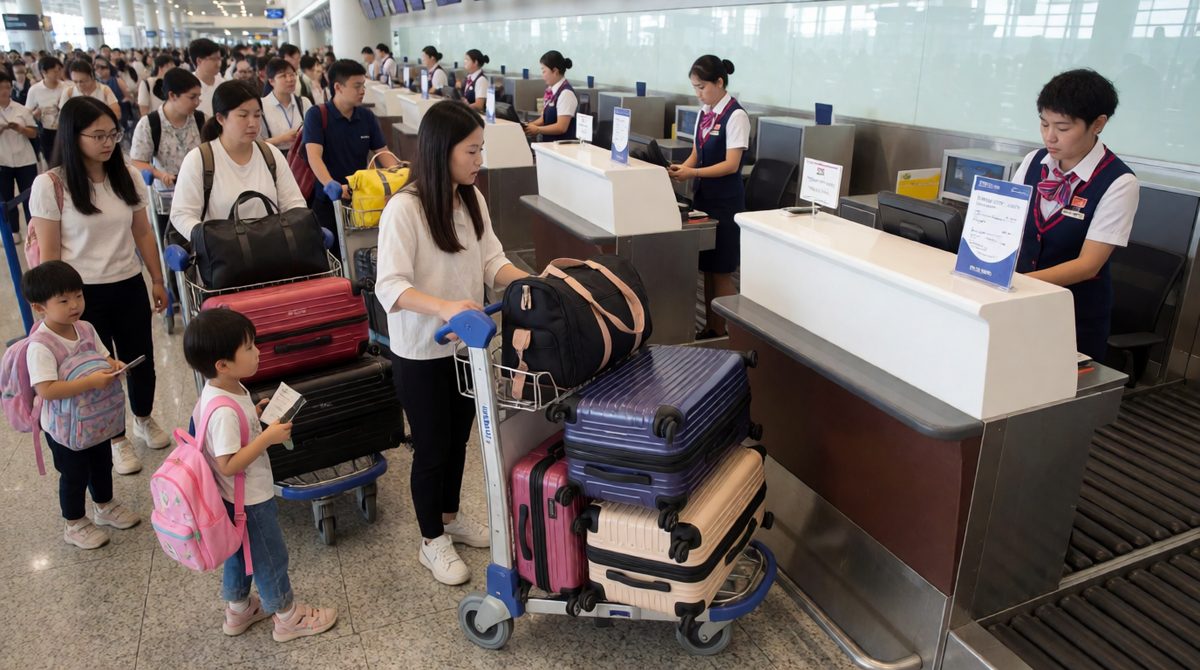
Prices change with demand and the season
Variable pricing takes a different approach. Instead of simply cutting prices, businesses change their prices constantly based on demand, timing and availability. You might check a flight price in the morning and find it's gone up by the afternoon. That's variable pricing at work.
Key Definitions:
Airlines are the masters of dynamic pricing. A seat on a Ryanair flight from London Stansted to Barcelona might cost £29 six months before departure, £89 three months before and £180 the week before – all for exactly the same seat. The price changes based on how many seats are left and how close the flight is.
This system is managed by sophisticated computer software that analyses booking patterns and adjusts prices automatically – sometimes hundreds of times a day. The goal is to maximise revenue from every single flight.
Ryanair uses a revenue management system that divides each flight into multiple price "buckets." The cheapest seats sell first; as they fill up, the system automatically moves to the next price level. Ryanair aims to fill every seat at the highest price the market will bear. This is why prices rise steeply as the departure date approaches and seats become scarce. In 2023, Ryanair reported record profits of €1.43 billion – dynamic pricing is central to that success.
Hotels use variable pricing through a system called revenue management. Room rates change based on the day of the week, local events, season and how many rooms are still available. A hotel near a stadium might charge three times its normal rate on a concert night.
Online booking platforms like Booking.com and Expedia make this visible – you can watch prices change as you search. Hotels set rules in their systems: if occupancy reaches 80%, raise prices by 15%; if it drops below 50% with two days to go, trigger a discount.
A room at a Tenerife resort hotel might cost £180 per night in August (peak) but only £75 per night in February (off-peak). The room is identical – only the price and demand change. This encourages budget travellers to visit in quieter months.
Theme parks like Disneyland Paris now use variable pricing for entry tickets. A ticket on a busy Saturday in July costs significantly more than a Tuesday in October. This spreads visitor numbers and reduces overcrowding on peak days.
Train operators in the UK use variable pricing extensively. Advance tickets booked weeks ahead are cheap; Anytime tickets bought on the day are expensive. Eurostar charges different prices for the same Paris journey depending on when you book and what time you travel. Peak morning commuter trains cost more than off-peak afternoon services.
Students often confuse these two strategies. Here's a clear comparison:
A reduction from the standard price. The normal price exists and the discount is applied on top. Examples: early bird deals, group rates, loyalty rewards.
Prices change constantly based on demand and timing. There is no single "normal" price – the price is whatever the market will pay at that moment.
Maximise revenue, fill capacity, attract different customer segments and respond to the perishable nature of tourism products.
Variable pricing is growing rapidly in tourism. Disneyland Paris, Universal Studios and Warner Bros. World Abu Dhabi have all introduced dynamic ticket pricing in recent years. Even some restaurants in tourist hotspots now charge more at peak dining times. As artificial intelligence improves, pricing systems will become even more sophisticated – adjusting prices based on your browsing history, location and even the weather.
In your iGCSE exam, you might be asked to explain, analyse, or evaluate discount or variable pricing strategies. Here's how to approach it:
Question: "Explain two reasons why a tour operator might use discount pricing." (4 marks)
Question: "Evaluate the use of variable pricing by a budget airline." (8 marks)
Structure your answer: Define variable pricing → Explain how it works for airlines → Give advantages (maximises revenue, fills all seats) → Give disadvantages (customer frustration, complex systems) → Reach a judgement: overall, variable pricing is highly effective for budget airlines because their business model depends on filling every seat at the best possible price, even if some customers find it confusing.