💰 Loss Leader Pricing – Selling at a Loss on Purpose
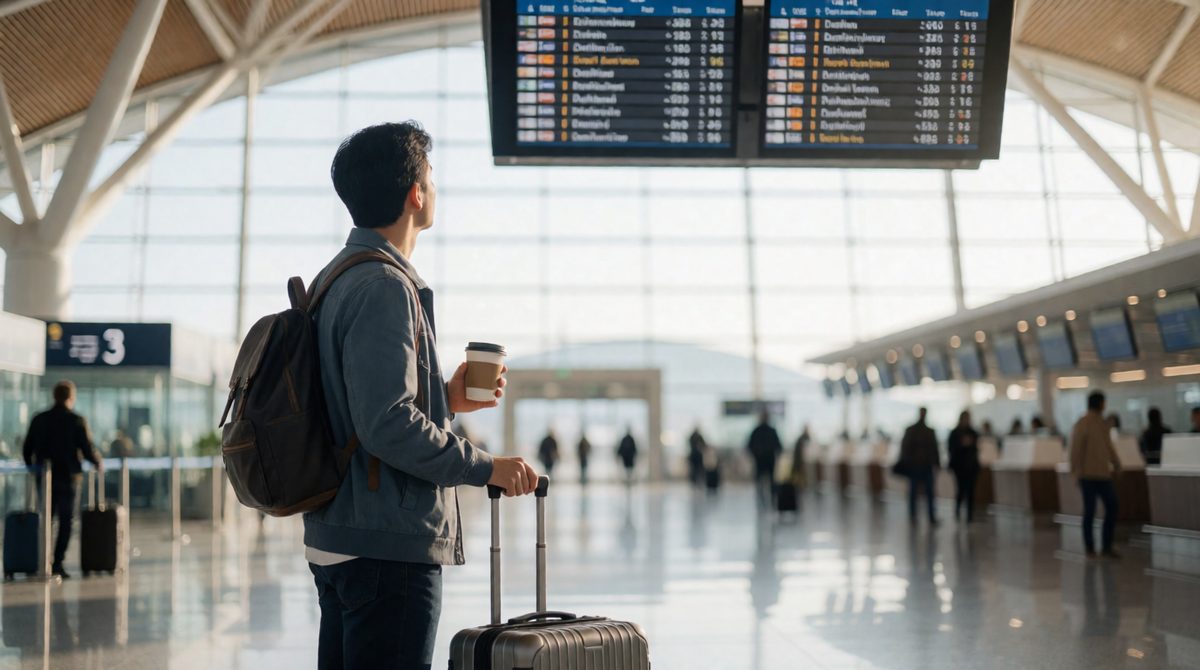
A loss leader: an airline sells a very cheap seat at a loss, hoping you will spend on baggage, meals and extras
Imagine walking into a supermarket and seeing milk sold at half price. The shop isn't doing this to be kind – they're doing it to get you through the door, hoping you'll buy loads of other things at full price. That's a loss leader. The same trick is used all the time in travel and tourism.
Key Definitions:
- Loss Leader Pricing: Setting the price of a product or service below cost – meaning the business actually loses money on it – in order to attract customers who will then spend money on other, more profitable products.
- Cross-selling: Encouraging customers who came for the cheap deal to buy additional products or upgrades.
- Ancillary Revenue: Extra income earned from add-ons beyond the original purchase – for example, baggage fees, seat upgrades, or hotel spa treatments.
🔍 Real Example: Ryanair's £9.99 Flights
Ryanair famously advertises flights for as little as £9.99 – sometimes even £0.99. These headline prices are often sold at a loss or at zero profit. But once you add priority boarding (£6), a checked bag (£25–£40), a seat selection fee (£4–£10) and a snack on board, the average passenger spends far more than the ticket price. In 2023, Ryanair earned over €3.3 billion in ancillary revenue alone. The cheap flight is the loss leader – everything else is where the profit is made.
✈️ How Loss Leader Pricing Works in Tourism
In travel and tourism, loss leaders are used across many different sectors. The goal is always the same: attract the customer with something cheap, then earn profit from everything else they buy.
✈️ Airlines
Budget airlines like Ryanair and easyJet advertise rock-bottom fares. The base ticket may barely cover fuel costs. Profit comes from baggage fees, food, car hire partnerships, travel insurance and hotel bookings made through their website.
🏢 Hotels
A hotel might offer a very cheap room rate to fill beds during quiet periods. Once guests are in the hotel, they spend money at the restaurant, bar, spa and on room service – all of which carry high profit margins.
🏝 Theme Parks
Some attractions offer discounted or even free entry. Once inside, visitors spend heavily on food, merchandise, photos and premium experiences. The entry price is the loss leader; the spending inside is the real revenue.
🚘 Car Hire
Car hire companies advertise very low daily rates. The profit comes from insurance add-ons, fuel policies, GPS rental, child seat fees and excess damage waivers. The base rate is designed to get you to click "book."
🔍 Case Study: Center Parcs – The Accommodation Loss Leader
Center Parcs, the UK and European short-break holiday company, uses a version of loss leader pricing. During off-peak weeks (particularly in term time), lodge prices are reduced significantly to fill the resort. The accommodation itself may be priced at a low margin. However, guests are then encouraged to book activities – from swimming lessons and spa treatments to cycling hire and adventure activities – all at premium prices. A family staying in a lodge for £400 might easily spend another £300–£500 on activities and dining during their stay. The lodge price brings them in; the extras generate the real profit.
📝 Why Do Businesses Use Loss Leaders? – The Logic
It might seem strange to sell something at a loss. But there's a clear business logic behind it:
- Fill capacity: An empty plane seat or hotel room earns nothing. A seat sold cheaply at least brings in a passenger who might buy food, drinks, or upgrades.
- Beat the competition: A dramatically low price grabs attention and pulls customers away from rivals.
- Build customer relationships: Once a customer has experienced your product, they may return and pay full price next time.
- Generate word of mouth: People talk about amazing deals. Free or very cheap offers spread on social media quickly.
👍 Advantages of Loss Leader Pricing
- Attracts large numbers of new customers quickly
- Fills capacity that would otherwise be wasted
- Encourages cross-selling and upselling
- Creates a strong, memorable impression of value
- Can beat competitors and gain market share
👎 Disadvantages of Loss Leader Pricing
- The business loses money on the loss leader product itself
- Customers may only buy the cheap item and nothing else
- Can damage brand image – may seem "cheap" or low quality
- Competitors may copy the strategy, starting a price war
- Not sustainable long-term without strong ancillary revenue
🎉 Promotional Pricing – Short-Term Deals to Boost Sales

Promotional prices offer short-term deals
Promotional pricing is different from loss leader pricing. Instead of permanently pricing something low to earn money elsewhere, promotional pricing is a temporary reduction in price used to boost sales for a limited time. Think of it as a special offer with an end date.
Key Definitions:
- Promotional Pricing: A temporary reduction in price used to stimulate demand, clear stock, celebrate an event, or attract new customers during a specific period.
- Call to Action: A message that encourages the customer to act now – for example, "Book before midnight Sunday" or "Only 10 seats left at this price."
- Flash Sale: An extremely short promotional offer, sometimes lasting only a few hours, designed to create urgency.
🔍 Real Example: British Airways' January Sale
Every January, British Airways runs a major promotional pricing campaign. After the expensive Christmas period, demand for flights drops sharply. BA responds by offering heavily discounted fares to popular destinations – sometimes 30–40% off standard prices. The sale runs for a limited time (usually 2–3 weeks) and is heavily advertised. The goal is to stimulate bookings during a naturally quiet period and fill seats on flights months in advance. This is classic promotional pricing – temporary, targeted and time-limited.
🎁 Types of Promotional Pricing in Travel and Tourism
1. ⏰ Flash Sales
A flash sale lasts a very short time – sometimes just 24 or 48 hours. Travel companies use these to create urgency and excitement. Customers feel they must act immediately or miss out. This psychological pressure drives fast bookings.
🔍 Example: lastminute.com Flash Sales
lastminute.com regularly runs "24-hour flash sales" on hotel rooms and holiday packages. These are promoted heavily via email newsletters and social media. The short window creates a fear of missing out (FOMO), pushing customers to book quickly without shopping around.
2. 🎁 Bundle Promotions
A bundle promotion offers several products together at a combined price that appears cheaper than buying each item separately. In tourism, this might mean a flight + hotel + car hire package offered at a "special promotional price." The customer feels they're getting a bargain; the business sells more products in one transaction.
3. 📅 Seasonal and Event-Based Promotions
Travel businesses often run promotional pricing tied to specific events or seasons. These include:
- Black Friday deals – massive one-day discounts on cruises, flights and holidays
- Valentine's Day offers – romantic breaks promoted at special prices
- Summer sale – tour operators discounting late summer availability
- Anniversary promotions – a hotel celebrating 10 years with 10% off all bookings
🔍 Case Study: Carnival Cruise Line – Black Friday
Carnival Cruise Line, one of the world's largest cruise operators, runs one of the travel industry's biggest Black Friday promotional pricing events. In 2023, they offered cabin discounts of up to 35%, free drinks packages and onboard credit of up to $200 per booking. The promotion ran for just 4 days. The result was a massive spike in bookings – exactly what promotional pricing is designed to achieve. The time limit and the added extras (free drinks, credit) made the deal feel exceptional and urgent.
4. 📷 "Book Direct" Promotional Pricing
Many hotels and airlines now offer promotional prices exclusively to customers who book directly through their own website, rather than through third-party booking platforms like Booking.com or Expedia. This saves the business the commission fee (often 15–20%) charged by those platforms and they pass some of that saving on to the customer as a promotional price incentive.
For example, Hilton Hotels' "Stop Clicking Around" campaign offered exclusive lower rates to customers who booked via Hilton.com rather than comparison sites. This is both a promotional pricing tactic and a way to build a direct relationship with the customer.
📈 Loss Leader vs Promotional Pricing – What's the Difference?
Students often confuse these two. Here's a clear comparison:
💰 Loss Leader
Duration: Can be ongoing
Purpose: Attract customers who will spend on other things
Price: Below cost or very low margin
Example: Ryanair's £0.99 flights
🎉 Promotional Pricing
Duration: Temporary and time-limited
Purpose: Boost sales during a specific period
Price: Reduced from normal, but not necessarily below cost
Example: BA January Sale
⚖️ What They Share
Both use lower prices to attract customers. Both are part of the Price element of the Marketing Mix. Both aim to increase bookings and revenue overall, even if one product is sold cheaply.
💡 The Psychology Behind These Pricing Strategies
Both loss leader and promotional pricing work partly because of consumer psychology – the way people think and feel about prices. Understanding this helps explain why these strategies are so effective in tourism.
- Anchoring: When customers see a price crossed out (e.g.
£299 NOW £149), the original price acts as an "anchor." The new price feels like a bargain by comparison.
- Scarcity: Messages like "Only 3 rooms left at this price!" make customers feel they must act fast or lose out.
- Perceived value: A customer who feels they got a great deal is more likely to be satisfied with their holiday, even if the experience was ordinary.
- Commitment: Once a customer has booked a cheap flight, they're committed to the trip and will spend on hotels, car hire and activities – often without comparing prices as carefully.
💡 Did You Know?
Research in consumer behaviour shows that people feel the pain of losing a deal more strongly than the pleasure of gaining one. This is why "limited time offer" messaging is so powerful – the fear of missing out (FOMO) is a stronger motivator than the simple desire to save money. Travel companies know this and design their promotional pricing campaigns around it.
📄 Applying This to Exam Questions
In your iGCSE exam, you may be asked to explain, analyse, or evaluate loss leader or promotional pricing in a tourism context. Here's how to approach it:
📄 Sample Exam Question & Answer Plan
Question: "Explain how a budget airline might use loss leader pricing. Discuss the advantages and disadvantages of this approach." (8 marks)
📝 What to Include
- Define loss leader pricing clearly
- Give a specific tourism example (e.g. Ryanair)
- Explain how ancillary revenue compensates for low fares
- Give at least 2 advantages with explanation
- Give at least 2 disadvantages with explanation
- Reach a conclusion – is it a good strategy overall?
💡 Top Exam Tips
- Always use a real named example – examiners reward this
- Don't just list points – explain each one
- Use the word "because" to force yourself to explain
- For "discuss" or "evaluate" questions, always give both sides
- End with a justified conclusion – which strategy works best and why?
🎉 Quick Recap – The Big Ideas
- 💰 Loss leader pricing means selling one product below cost to attract customers who will spend on other, more profitable things.
- ✈️ Budget airlines like Ryanair use loss leader fares and earn their real profit from ancillary revenue (bags, food, extras).
- 🎉 Promotional pricing is a temporary price reduction used to boost sales during quiet periods or special events.
- 📅 Examples include BA's January Sale, Carnival's Black Friday deals and hotel "book direct" promotions.
- 💡 Both strategies use psychology – anchoring, scarcity and FOMO – to drive customer behaviour.
- ⚖️ The key difference: loss leaders are ongoing and rely on cross-selling; promotional pricing is short-term and time-limited.
- 📝 In the exam, always define your terms, use real examples and give both sides of any argument.