👑 Premium Pricing – Charging More on Purpose
Most people assume businesses always try to offer the lowest price. But some of the most successful travel companies do the exact opposite they charge more than their rivals and customers happily pay it. This is called premium pricing.
Premium pricing is a deliberate strategy. The business sets a high price to signal that its product is exclusive, high quality, or luxurious. The price itself becomes part of the brand image. If something is expensive, people assume it must be better and that assumption is exactly what premium brands rely on.
Key Definitions:
- Premium Pricing: Setting a price higher than competitors to create an image of superior quality, exclusivity, or luxury.
- Brand Image: The perception customers have of a business and its products.
- Perceived Value: How much a customer believes a product is worth which may be higher than its actual cost to produce.
- Luxury Tourism: High-end travel experiences aimed at wealthy customers who expect the very best service, comfort and exclusivity.
📈 Why Charge a Premium Price?
Premium pricing works because of psychology. A higher price makes customers feel they are getting something special. It also filters out budget travellers and attracts customers who value quality over cost. Businesses earn higher profit margins per sale, even if they sell fewer units overall.
Think about it: would you trust a £50-per-night hotel or a £500-per-night hotel to give you a better experience? Most people assume the expensive one is better even before they've seen it.
✅ What Makes Premium Pricing Work?
Premium pricing only works if the product genuinely feels worth it. Businesses must back up their high prices with:
- Exceptional customer service
- Superior facilities or experiences
- Strong, trusted brand reputation
- Exclusive locations or limited availability
- Consistent quality every single time
If the product doesn't match the price, customers feel cheated and the brand collapses quickly.
🔍 Real Example: The Ritz London
The Ritz London is one of the most famous hotels in the world. A standard room costs upwards of £500 per night and suites can exceed £10,000 per night. Yet the hotel is consistently fully booked.
The Ritz doesn't compete on price. It competes on heritage, exclusivity and prestige. Guests pay not just for a bed, but for the experience of staying at an iconic British institution. Afternoon tea at The Ritz costs around £70 per person far more than any café yet people book months in advance.
This is premium pricing in action. The high price is the point. It tells the world: "This is not for everyone and that's exactly why people want it."
💡 The Ritz Effect
The Ritz has been operating since 1906 and has maintained premium pricing throughout. Its brand is so powerful that the word "ritzy" entered the English language as a synonym for glamorous and luxurious. That kind of brand recognition is priceless and it justifies every penny of the premium price.
✈️ Premium Pricing Across the Travel Industry
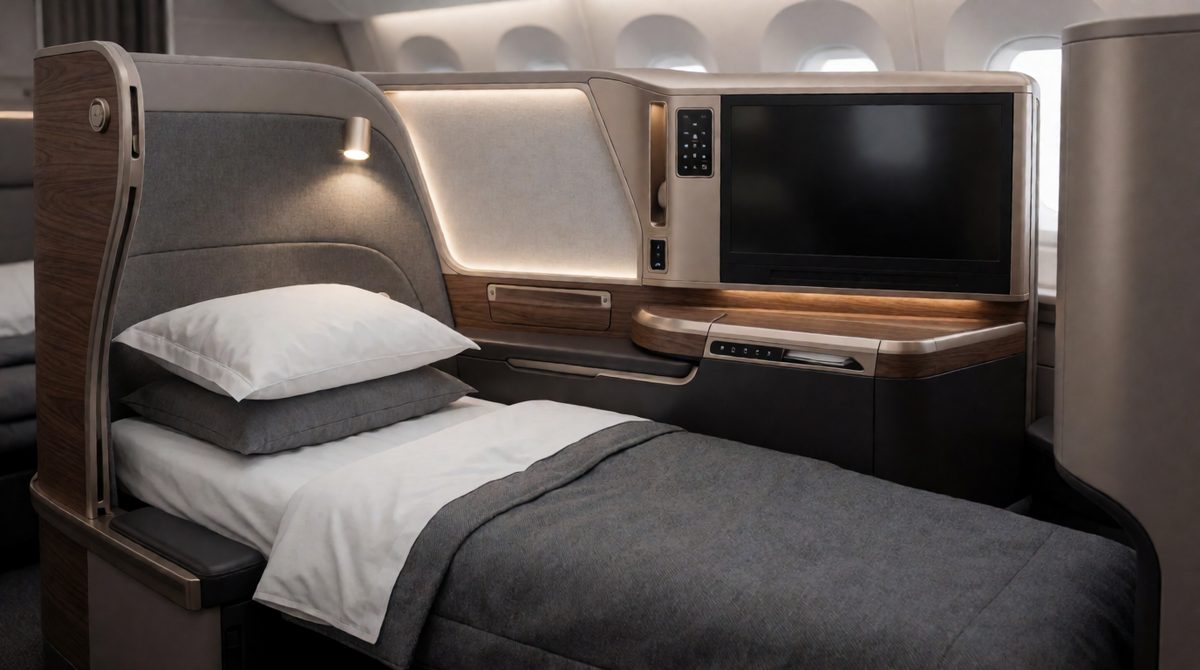
Premium pricing suits luxury travel
Premium pricing isn't just for hotels. It appears across every sector of travel and tourism. Here are the key examples you need to know:
✈️ Airlines – First Class and Business Class
Airlines are masters of premium pricing. On a long-haul flight from London to New York, an economy seat might cost £400. A business class seat on the same plane could cost £3,000–£5,000. A first class suite might be £8,000 or more.
What do you get for that extra money? Lie-flat beds, gourmet meals, dedicated check-in, lounge access and personal service. Airlines like British Airways, Emirates and Singapore Airlines have built their entire brand around premium travel experiences.
Emirates even offers private suites with closing doors in first class on its A380 aircraft a product so exclusive it commands prices that most travellers would never consider. Yet those seats are regularly sold out.
🔍 Case Study: Emirates First Class
Emirates' first class product on the A380 includes a private suite with a sliding door, a fully flat bed, an in-suite minibar, pyjamas and a shower spa at 40,000 feet. The price for a return London–Dubai first class ticket can exceed £7,000. Emirates uses this product not just to earn revenue, but to market the entire brand even economy passengers feel they're flying with a premium airline. This is the halo effect of premium pricing: it elevates the whole brand.
🏢 Hotels – Five-Star and Boutique Luxury
The hotel industry is built on tiers of pricing. At the top sit five-star hotels, boutique luxury properties and ultra-exclusive resorts. Brands like Four Seasons, Aman Resorts and Mandarin Oriental use premium pricing as their core strategy.
Aman Resorts, for example, typically charges between £1,000 and £5,000 per night. Their resorts are deliberately small often fewer than 30 rooms creating genuine scarcity. Limited availability + exceptional quality = premium price justified.
🏝 Tour Operators – Luxury and Tailor-Made Holidays
Tour operators like Kuoni, Scott Dunn and Abercrombie & Kent specialise in premium-priced holidays. Rather than selling package deals to mass-market destinations, they offer tailor-made itineraries, private guides and hand-picked accommodation. A two-week safari with Abercrombie & Kent might cost £10,000–£20,000 per person.
These operators compete on personalisation, expertise and exclusivity not price. Their customers are not looking for the cheapest option; they are looking for the best.
💰 Price Bundling – More for Your Money
Now let's look at a completely different pricing strategy: price bundling. While premium pricing is about charging more, bundling is about combining products together to offer perceived value.
Key Definitions:
- Price Bundling: Combining two or more products or services together and selling them as a single package, usually at a price that appears cheaper than buying each item separately.
- Pure Bundling: Products are only available as a bundle you cannot buy them separately.
- Mixed Bundling: Products are available both individually and as a bundle, but the bundle offers better value.
- Package Holiday: A classic example of bundling flights, accommodation and transfers sold together as one product.
🎁 Why Does Bundling Appeal to Customers?
Bundling makes customers feel they are getting a deal. Instead of calculating the cost of each item separately, they see one price that feels manageable. It also reduces the effort of planning everything is sorted in one purchase. For many travellers, this convenience is worth paying for.
Psychologically, bundles feel like value for money even when the total price is similar to buying separately. The perception of saving is powerful.
📈 Why Do Businesses Love Bundling?
Bundling helps businesses in several ways:
- It increases total spend per customer
- It moves slower-selling products by pairing them with popular ones
- It makes price comparison harder customers can't easily compare a bundle to a rival's individual prices
- It builds customer loyalty by becoming a one-stop shop
🔍 Real Example: TUI Package Holidays
TUI (formerly Thomson) is one of the world's largest tour operators and a perfect example of price bundling in action. TUI sells package holidays that combine flights, accommodation, transfers and sometimes meals into a single price.
A family booking a TUI holiday to Majorca might pay £2,400 for the whole package. If they tried to book each element separately flights on one airline, a hotel on Booking.com, airport transfers through a local company they might spend more and face far more hassle. TUI's bundle feels like the easier and better-value option.
TUI also uses all-inclusive bundling where food, drinks and entertainment are all included in the room price. This is hugely popular with families who want to know exactly what they'll spend before they travel.
📈 TUI by the Numbers
TUI Group serves around 21 million customers per year across 180 destinations. Its bundled package holidays account for the vast majority of its revenue. The all-inclusive model the ultimate bundle has grown significantly, with TUI reporting that over 40% of customers now choose all-inclusive options. Bundling isn't just a pricing trick; it's TUI's entire business model.
🏠 Types of Price Bundling in Travel and Tourism
1. ✈️ The Classic Package Holiday
This is the original travel bundle. Pioneered by Thomas Cook in the 1840s (yes, really he bundled train travel and accommodation for a temperance rally!), the package holiday became the backbone of mass tourism. Today, operators bundle flights + hotel + transfers as standard.
2. 🏢 Hotel Add-On Bundles
Hotels frequently bundle extras onto room rates. Common examples include:
- Bed and Breakfast (B&B): Room + morning meal
- Half Board: Room + breakfast + dinner
- Full Board: Room + all meals
- All-Inclusive: Room + all meals + drinks + entertainment
- Spa Packages: Room + spa treatments + use of facilities
- Romance Packages: Room + champagne + dinner + late checkout
Each of these is a bundle. The hotel earns more per guest and the guest feels they're getting a curated experience rather than paying for each item individually.
3. ✈️ Airline Ancillary Bundles
Budget airlines like easyJet and Ryanair have become experts at bundling. They sell a cheap base fare and then offer bundle upgrades:
- easyJet's "FLEXI" bundle: Includes hold luggage, speedy boarding and flexible changes in one price
- Ryanair's "Plus" bundle: Includes priority boarding, a 10kg cabin bag and reserved seating
These bundles are clever because they make customers feel they're choosing a deal, while actually spending significantly more than the advertised base fare.
4. 🏝 Attraction and Experience Bundles
Theme parks and attraction operators bundle entry with extras to increase spend. Merlin Entertainments which owns Alton Towers, Thorpe Park, LEGOLAND and many others sells annual passes that bundle access to multiple attractions. A Merlin Annual Pass gives entry to all Merlin attractions across the UK, which feels far better value than buying individual tickets.
🔍 Case Study: Center Parcs Bundles
Center Parcs is a brilliant example of bundling in UK tourism. A Center Parcs break includes accommodation in a forest lodge plus free use of the subtropical swimming paradise, cycle hire and outdoor activities. Guests can then add on activity bundles packages of pre-booked activities like archery, spa treatments and adventure sports at a combined price lower than booking each separately.
The result? Guests spend more overall, but feel they've saved money. Center Parcs reports that guests who purchase activity bundles spend on average 30% more per stay than those who don't. Bundling drives revenue while improving the customer experience a win-win.
⚖️ Premium Pricing vs Price Bundling – What's the Difference?
It's important not to confuse these two strategies. They can even be used together a luxury hotel might bundle a spa treatment and champagne with a room, while still charging a premium price overall.
👑 Premium Pricing
- Sets a high price to signal quality
- Targets wealthy or aspirational customers
- Relies on brand image and exclusivity
- Earns high profit per sale
- Sells fewer units at a higher margin
- Example: Emirates First Class, The Ritz
🎁 Price Bundling
- Combines products to increase perceived value
- Targets customers who want convenience and value
- Relies on simplicity and savings
- Increases total spend per customer
- Sells more products per transaction
- Example: TUI package holidays, Merlin Annual Pass
👍 Advantages and 👎 Disadvantages
👑 Premium Pricing – Pros and Cons
👍 Advantages
- High profit margins per sale
- Builds a strong, prestigious brand image
- Attracts loyal, high-spending customers
- Less pressure to compete on price
- Creates an aspirational appeal
👎 Disadvantages
- Limits the size of the target market
- Requires consistently exceptional quality
- Vulnerable during economic downturns
- High expectations any failure damages brand badly
- Hard to enter a market already dominated by established luxury brands
💡 Key Exam Point
Premium pricing only works if the product genuinely matches the price. A business that charges premium prices but delivers average quality will quickly lose customers and reputation. Always link premium pricing to brand image and perceived value in your answers.
🎁 Price Bundling – Pros and Cons
👍 Advantages
- Increases average spend per customer
- Makes price comparison with rivals harder
- Moves slow-selling products alongside popular ones
- Improves customer convenience and satisfaction
- Encourages customers to try new products or services
👎 Disadvantages
- Some customers may not want all items in the bundle
- Can reduce revenue if customers would have paid more separately
- Bundles can feel poor value if one component is weak
- Complex to manage and price correctly
- May reduce flexibility for the customer
💡 Key Exam Point
In exam answers, always explain why a business uses bundling it's not just about saving customers money. It's about increasing total revenue and making the business a one-stop shop. Link bundling to customer convenience and the difficulty of price comparison.
📄 Applying This to Exam Questions
Premium pricing and price bundling come up regularly in iGCSE Travel and Tourism exams. You need to be able to define each strategy, give examples from the industry and evaluate whether they are suitable for a given business context.
📄 Sample Exam Question & Answer Plan
Question: "Explain why a luxury hotel might use premium pricing rather than competitive pricing. Use an example to support your answer." [6 marks]
Answer Plan:
- Define premium pricing setting a price above competitors to signal quality and exclusivity
- Explain that luxury hotels compete on quality, not price their customers are not price-sensitive
- Link to brand image a high price reinforces the perception of luxury and exclusivity
- Example The Ritz London charges £500+ per night; this price signals prestige and attracts wealthy guests who expect the best
- Evaluate premium pricing earns higher profit margins and builds brand loyalty, but requires consistently exceptional quality to justify the price
📄 Sample Exam Question & Answer Plan
Question: "Assess the benefits of price bundling for a tour operator such as TUI." [8 marks]
Answer Plan:
- Define price bundling combining products (flights, hotel, transfers) into one package price
- Benefit 1: Increases revenue per customer guests spend more in one transaction
- Benefit 2: Makes price comparison harder customers can't easily compare TUI's bundle to booking separately
- Benefit 3: Improves customer experience one booking, one price, less hassle
- Benefit 4: Moves less popular products a less popular hotel can be bundled with a popular flight route
- Counter-argument: Some customers may not want all elements of the bundle and may feel they're paying for things they don't need
- Conclusion: Overall, bundling is highly effective for TUI because it suits the needs of family and leisure travellers who value convenience
💡 Top Exam Tips
- ✅ Always define the strategy before explaining it examiners reward clear definitions
- ✅ Use real named examples The Ritz, Emirates, TUI, Center Parcs score better than vague references to "a hotel"
- ✅ For evaluation questions, always include both advantages and disadvantages before reaching a conclusion
- ✅ Remember: premium pricing is about image and exclusivity; bundling is about value and convenience
- ✅ Link pricing strategies to the target market who is the business trying to attract and does the pricing strategy suit them?
🎉 Quick Recap – The Big Ideas
- 👑 Premium pricing = charging more to signal quality, exclusivity and prestige
- 🎁 Price bundling = combining products into one package to increase perceived value and total spend
- ✈️ Airlines use premium pricing for first and business class; budget airlines use bundling for add-ons
- 🏢 Hotels use premium pricing for luxury brands and bundling for meal plans and spa packages
- 🏝 Tour operators like TUI use bundling as their core business model the package holiday
- 📈 Both strategies can be used together a luxury resort might bundle a spa and dinner at a premium price
- 📄 In exams: define, explain, give examples, evaluate and always link to the target market