🌎 What Is Marketing in Travel & Tourism?

Marketing helps tourism businesses reach customers
Marketing is basically how a business gets people to notice it, want what it offers and actually buy it. In travel and tourism, marketing is everything from a holiday company's TV advert to a hotel's Instagram page to a theme park's special offer. Without marketing, even the best tourist attraction in the world would struggle to get visitors through the door.
The iGCSE syllabus defines marketing as: the process of identifying, anticipating and satisfying customer needs profitably. Let's break that down it means finding out what tourists want before they even ask for it, then making sure your product delivers it, all while making money.
Key Definitions:
- Marketing: Identifying, anticipating and satisfying customer needs profitably.
- Market research: Gathering information about customers and competitors to make better decisions.
- Target market: The specific group of customers a business aims its marketing at.
- Marketing mix (4Ps): Product, Price, Place and Promotion the four tools a business uses to market itself.
- USP (Unique Selling Point): The one thing that makes a product or destination stand out from competitors.
- Branding: Creating a recognisable identity (name, logo, slogan) for a product or destination.
🎯 Why Is Marketing So Important in Tourism?
Tourism is one of the most competitive industries on the planet. Think about it when someone wants a beach holiday, they could choose Spain, Thailand, the Maldives, Mexico or hundreds of other places. Marketing is what makes them choose your destination or business over all the others. Here are the main reasons marketing matters so much:
📈 Increases Visitor Numbers
Effective marketing campaigns attract more tourists. A well-targeted advert showing stunning scenery, great food and exciting activities can persuade someone to book a trip they'd never considered before. Visit Britain spends millions each year doing exactly this and it works.
💰 Boosts Revenue
More visitors means more money spent on accommodation, food, transport and attractions. Marketing doesn't just bring people in it also encourages them to spend more once they arrive, through upselling and promotions like "upgrade your room for just £20 more."
🌟 Builds Brand Awareness
Strong marketing creates a recognisable brand. Think of the "I Love New York" logo or the "Incredible India" campaign these instantly make you think of a destination. A strong brand builds trust and loyalty, so tourists come back again and again.
✅ Manages Reputation
Marketing also helps manage how a destination is seen. After a natural disaster or political trouble, destinations use marketing campaigns to reassure tourists that it's safe and welcoming again. Thailand did this brilliantly after the 2004 tsunami.
🏭 The Marketing Mix The 4Ps in Tourism
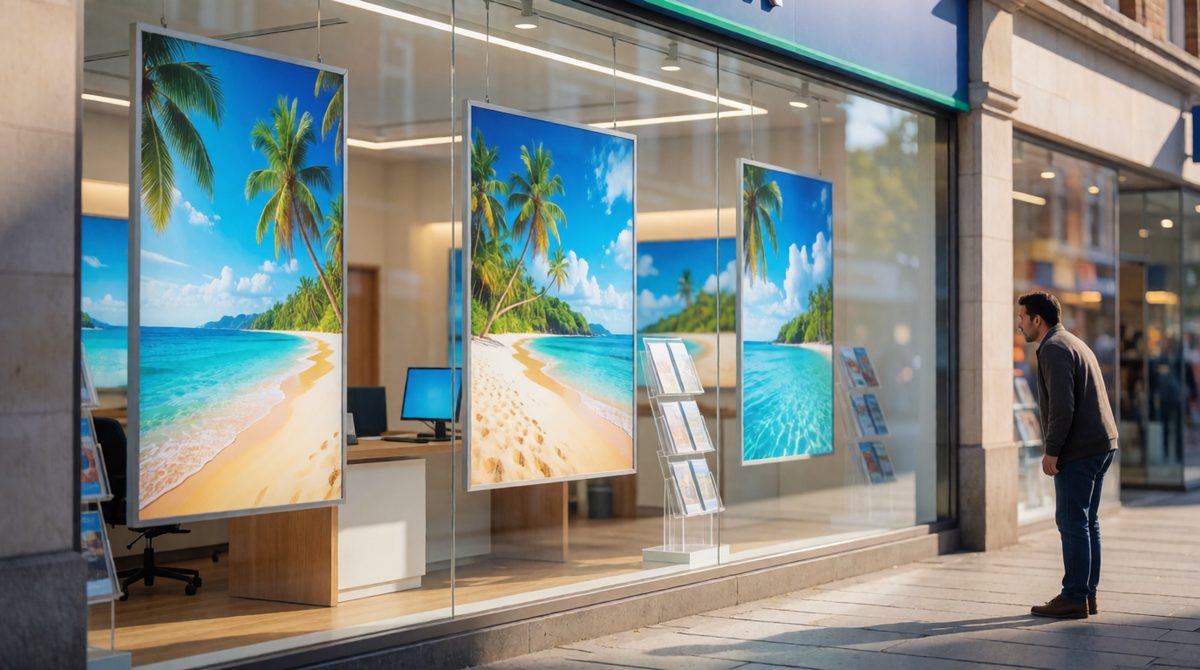
The marketing mix in action: a tempting product, shown in the right place at the right price
The marketing mix is the toolkit every tourism business uses. Each "P" is a decision the business makes about how to attract and keep customers. Get all four right and you're onto a winner.
📦 Product
In tourism, the "product" is the experience being sold a hotel stay, a package holiday, a theme park visit, a guided tour. The product needs to match what the target market wants. A luxury resort and a budget hostel are both "products" but they target very different customers.
- Products must have a clear USP to stand out
- Products go through a product life cycle (introduction → growth → maturity → decline)
- Businesses must update or refresh products to keep them relevant
🔍 Case Study: Alton Towers, UK
Alton Towers constantly adds new rides and themed experiences to keep its product fresh and exciting. The opening of "Wicker Man" in 2018 the UK's first new wooden rollercoaster in over 20 years was a massive marketing event that brought in huge visitor numbers. This is a perfect example of product development to extend the product life cycle.
💲 Price
Pricing strategy is crucial in tourism. Charge too much and tourists go elsewhere. Charge too little and you don't make a profit or worse, you attract the wrong type of tourist. Common pricing strategies include:
💵 Competitive Pricing
Setting prices similar to rivals. Budget airlines like easyJet and Ryanair constantly watch each other's prices and match or undercut them.
⭐ Premium Pricing
Charging more to suggest luxury and exclusivity. The Burj Al Arab in Dubai charges premium prices to maintain its image as the world's most luxurious hotel.
📅 Seasonal Pricing
Prices go up in peak season (school holidays) and drop in off-peak times. This is very common in UK seaside resorts and ski destinations.
📍 Place
"Place" means how and where the product is sold the distribution channel. In tourism this has changed massively thanks to the internet. Tourists used to have to visit a travel agent; now they book everything online in minutes.
- Direct selling: Booking straight through a hotel or airline website (e.g. ba.com)
- Travel agents: High street shops like TUI that sell holidays on behalf of tour operators
- Online Travel Agents (OTAs): Sites like Booking.com, Expedia and Airbnb
- Tour operators: Companies like Thomas Cook (now online only) that package holidays together
📣 Promotion
Promotion is the part most people think of when they hear "marketing." It's how you tell people about your product and persuade them to buy it. In tourism, promotion includes:
- TV and radio adverts
- Social media (Instagram, TikTok, YouTube)
- Brochures and leaflets
- Travel fairs and exhibitions (e.g. World Travel Market in London)
- PR and press trips (inviting travel journalists to experience a destination)
- Special offers and discounts (e.g. early bird deals)
🌎 Case Study: "Incredible India" Campaign
India's national tourism organisation launched the "Incredible India" campaign in 2002. It used stunning photography, celebrity endorsements and targeted advertising in key markets like the UK and USA. The campaign repositioned India from a "budget backpacker" destination to a diverse, culturally rich experience for all types of travellers. International tourist arrivals to India grew from 2.4 million in 2002 to over 10 million by 2017 a massive success driven almost entirely by clever marketing.
⚙️ Factors Affecting Marketing in Tourism
Marketing decisions don't happen in a vacuum. Lots of different forces some inside the business, some completely outside its control affect how a tourism business markets itself. These are split into internal factors and external factors.
🏠 Internal Factors
These are factors within the business that affect its marketing decisions:
💵 Budget / Finance
A small bed and breakfast in Cornwall has a tiny marketing budget compared to a multinational hotel chain. Budget determines which marketing channels you can use a TV advert costs far more than a Facebook post. Small businesses often rely on free social media marketing because it's affordable.
👥 Target Market
Who you're trying to reach completely changes your marketing approach. A luxury cruise company targets wealthy older adults so it advertises in upmarket magazines and on TV. A youth hostel targets young backpackers so it focuses on Instagram and TikTok.
🌟 Brand Image
A business's existing reputation shapes its marketing. A five-star hotel must maintain a premium image in all its marketing it can't suddenly start offering cheap deals without damaging its brand. Consistency in brand image is essential.
📊 Business Objectives
What the business is trying to achieve affects its marketing. If the goal is to increase off-peak bookings, the marketing will focus on special winter deals. If the goal is to attract a new type of customer, the marketing will target that new audience specifically.
🌍 External Factors
These are factors outside the business's control that still affect its marketing:
📈 Economic Conditions
In a recession, tourists have less money to spend. Businesses respond by marketing budget options, value deals and payment plans. In boom times, luxury products are easier to sell.
⚙️ Technology
The rise of smartphones, social media and review sites like TripAdvisor has completely changed tourism marketing. Businesses must now manage their online reputation and use digital marketing effectively.
🌟 Competition
When a competitor launches a new product or drops its prices, businesses must respond. Low-cost airlines like Ryanair forced traditional carriers like British Airways to rethink their pricing and marketing strategies completely.
🌞 Environmental Factors
Natural disasters, extreme weather and climate change affect tourism marketing. After Hurricane Irma hit the Caribbean in 2017, destinations like Barbados and St Lucia had to run reassurance campaigns to bring tourists back.
📄 Legal & Political Factors
Government regulations, visa rules and political instability all affect marketing. After Brexit, UK tourism businesses had to rethink their marketing to European visitors due to new travel rules and currency changes.
👥 Changing Consumer Trends
Tourist tastes change over time. The rise of eco-tourism, "staycations" and experience-based travel has forced businesses to adapt their marketing to reflect what modern tourists actually want.
🔍 Case Study: COVID-19 and Tourism Marketing
The COVID-19 pandemic was the ultimate external factor it shut down global tourism almost overnight in 2020. Tourism businesses had to completely rethink their marketing. Many shifted to "dream now, travel later" campaigns to keep their brand in people's minds. VisitBritain launched a "domestic tourism" campaign encouraging Brits to explore their own country. Airlines offered flexible booking policies and marketed these heavily to reassure nervous travellers. This shows how external factors can force businesses to completely reinvent their marketing strategy.
📝 Exam Tips How to Answer Marketing Questions
Marketing questions come up regularly in the iGCSE Travel & Tourism exam. Here's how to nail them:
- ✅ Always define key terms at the start of longer answers (e.g. "Marketing is the process of identifying, anticipating and satisfying customer needs profitably...")
- ✅ Use real examples name actual destinations, businesses or campaigns. Examiners love this.
- ✅ For "discuss" or "evaluate" questions, always give both sides advantages AND disadvantages, or internal AND external factors.
- ✅ Link factors back to the marketing mix where possible show you understand how it all connects.
- ✅ Use PEEL paragraphs: Point → Evidence → Explanation → Link back to the question.
- 🚨 Don't just list factors explain why each one affects marketing decisions.
✍️ Quick Revision Summary
Marketing = identifying, anticipating and satisfying customer needs profitably. It's vital in tourism because the industry is hugely competitive. The 4Ps (Product, Price, Place, Promotion) are the tools businesses use. Marketing is affected by internal factors (budget, target market, brand, objectives) and external factors (economy, technology, competition, environment, politics, consumer trends). Always use real examples in your exam answers!