📣 What is Destination Marketing?
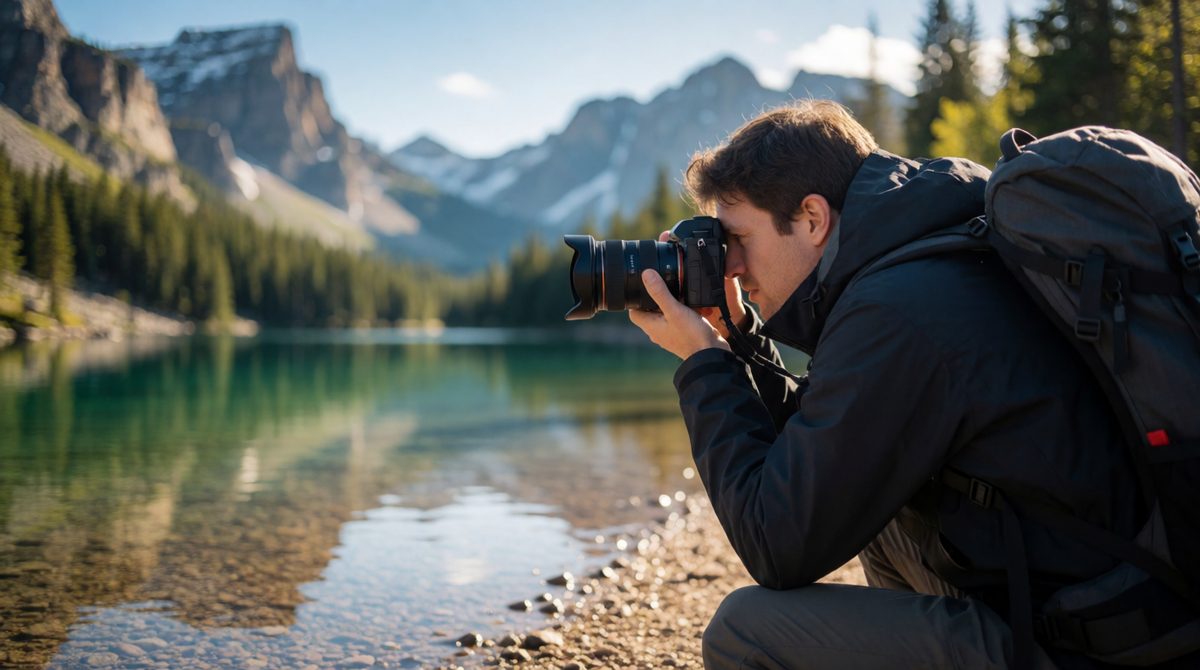
Destinations market themselves to attract visitors
Destination marketing is all about persuading people to visit a particular place. It's done by governments, tourism boards, airlines, hotels and travel agencies. The goal is simple: get more tourists through the door. But it's not just about making a place look pretty in an advert it involves careful planning, targeting the right people and choosing the right message.
In Paper 2, you might be given a scenario where a destination is struggling with falling visitor numbers, a bad reputation, or too much competition. Your job is to suggest and evaluate marketing strategies that could help.
Key Definitions:
- Destination Marketing: The process of promoting a place to attract tourists and increase visitor numbers.
- Target Market: The specific group of people a destination is trying to attract (e.g. families, backpackers, luxury travellers).
- Brand Image: The overall impression or identity that a destination projects to the world.
- Destination Management Organisation (DMO): A body (often government-backed) responsible for promoting and managing a tourist destination.
- Unique Selling Point (USP): The one thing that makes a destination stand out from its competitors.
📌 Why Marketing Matters for Paper 2
Scenario questions often involve a destination that needs to attract more visitors, change its image, or target a new type of tourist. You need to know which strategies work, why they work and who benefits. Vague answers like "they should advertise more" will not score well. Specific, evaluated answers will.
🎯 The Marketing Mix The 4Ps in Tourism
The marketing mix is a classic business framework that applies really well to tourism. It breaks marketing down into four areas: Product, Price, Place and Promotion. Examiners love it when students use this structure because it shows organised thinking.
🏭 Product
The "product" is the destination itself its attractions, accommodation, activities and overall experience. A destination might improve its product by building new facilities, protecting natural landscapes, or creating new events and festivals to attract visitors.
Example: Dubai built the Burj Khalifa and Palm Jumeirah to create a world-class product that didn't exist before.
💰 Price
Pricing strategy affects who visits. Budget pricing attracts backpackers and mass tourists. Premium pricing attracts high-spending visitors. Some destinations deliberately keep prices high to protect the environment and attract fewer, wealthier tourists.
Example: Bhutan charges a daily tourist fee of $200 to limit numbers and maintain exclusivity.
📍 Place
In tourism, "place" refers to how tourists access and book the destination through travel agents, online platforms, apps, or direct booking. Making a destination easy to find and book is essential.
Example: Iceland partnered with budget airlines like Ryanair and easyJet to make the country more accessible and affordable for European tourists.
📣 Promotion
This is the most visible part adverts, social media, travel shows, influencer campaigns and tourism websites. Promotion shapes the image of a destination and targets specific audiences.
Example: New Zealand's "100% Pure New Zealand" campaign is one of the most recognised tourism campaigns in the world.
📈 Types of Marketing Strategy
There are several different approaches a destination can take when marketing itself. The right strategy depends on the destination's goals, budget and target market. Let's look at the main ones.
📷 Digital and Social Media Marketing
This is now one of the most powerful tools in tourism marketing. Destinations use Instagram, YouTube, TikTok and travel blogs to reach millions of potential visitors at relatively low cost. Influencer marketing where popular social media personalities visit and post about a destination has become especially important.
✅ Strengths
Reaches a global audience quickly. Cost-effective compared to TV adverts. Targets specific demographics. User-generated content feels authentic and trustworthy.
❌ Weaknesses
Can create unrealistic expectations. Negative reviews spread just as fast. Hard to control the message. May attract the wrong type of tourist (e.g. mass crowds to fragile sites).
🌍 Example
Iceland's tourism board used social media heavily after the 2008 financial crash to reposition the country as a must-visit destination. Visitor numbers tripled between 2010 and 2018.
🌟 Branding and Image Campaigns
A strong brand makes a destination instantly recognisable. Branding involves choosing a slogan, logo, colour scheme and overall identity that communicates what the destination stands for. This is especially important when a destination wants to change its image for example, moving from "cheap and cheerful" to "luxury and exclusive."
Key Point: Rebranding is difficult and expensive. It takes years for a new image to stick in people's minds. Examiners want you to acknowledge this challenge.
🌍 Case Study: Dubai Marketing a Desert into a Global Hub
Dubai is one of the most impressive examples of destination marketing in the world. In the 1980s, it was a small trading port with little tourism. Today it receives over 16 million international visitors per year.
- Product: Massive investment in iconic attractions Burj Khalifa, Palm Jumeirah, Dubai Mall, indoor ski slope.
- Promotion: Hosted major global events Expo 2020, Dubai World Cup, Formula 1 to gain international media coverage.
- Target Market: Shifted from budget tourists to luxury travellers, business tourists and MICE tourism (Meetings, Incentives, Conferences, Exhibitions).
- USP: Positioned itself as a glamorous, tax-free, safe and modern destination in the Middle East.
- Challenge: Heavily dependent on oil wealth to fund marketing. Questions about sustainability and human rights have damaged its image in some markets.
👥 Targeting Different Market Segments
Not all tourists are the same. Smart marketing targets specific groups called market segments with tailored messages. A destination might run completely different campaigns for different audiences at the same time.
👪 Mass Market Tourism
Targets large numbers of tourists, often families or package holiday travellers. Marketing focuses on value for money, convenience and popular attractions. Destinations like Spain's Costa del Sol and Thailand's Phuket use this approach.
Risk: Can lead to overtourism, environmental damage and a low-quality visitor experience.
👑 Niche Market Tourism
Targets smaller, specific groups with particular interests eco-tourists, adventure travellers, cultural tourists, or wellness tourists. Marketing is more personalised and often commands higher prices.
Benefit: Higher spending per visitor, less environmental pressure, more authentic experiences.
📄 Applying Marketing to a Scenario Step by Step
In the exam, you'll be given a scenario about a real or fictional destination. Here's how to approach a marketing question systematically so you pick up every available mark.
🔎 Step 1 Read the Scenario Carefully
Identify: What is the destination? What problem does it face? Who are the current visitors? What does the stimulus material (graph, photo, article) tell you? Underline key facts and figures you must refer to them in your answer.
🔎 Step 2 Identify the Marketing Problem
Common marketing problems in scenarios include: falling visitor numbers, a negative reputation, over-reliance on one type of tourist, seasonality (too busy in summer, dead in winter), or competition from nearby destinations.
🔎 Step 3 Suggest Specific Strategies
Don't just say "advertise more." Say what to advertise, where, to whom and why. Link your suggestions to the specific problem in the scenario.
🔎 Step 4 Evaluate Your Suggestions
For higher marks, you must weigh up the pros and cons. Who benefits? Who might lose out? Is it affordable? How long will it take to work? This is what separates a Level 3 answer from a Level 2.
🌍 Case Study: Iceland Turning Crisis into Opportunity
After Iceland's banking crisis in 2008, the government used tourism marketing as an economic recovery strategy. The weak Icelandic krona made the country affordable for foreign visitors and the tourism board capitalised on this.
- Strategy: "Inspired by Iceland" campaign launched in 2010, using social media and video content to showcase the Northern Lights, geysers and dramatic landscapes.
- Target Market: Young, adventurous travellers from the USA and Europe.
- Result: Tourist arrivals grew from 500,000 in 2010 to over 2.3 million by 2018 in a country of just 360,000 people.
- Problem Created: Rapid growth caused overtourism at sites like the Blue Lagoon and Geysir. Infrastructure was overwhelmed. The government had to introduce visitor management strategies to protect fragile environments.
- Lesson: Successful marketing can create new problems. Destinations must plan for growth, not just attract it.
✍ Practice Scenario Let's Work Through It
📋 Practice Scenario: Valletta, Malta
Valletta is the capital city of Malta, a small island nation in the Mediterranean. It was named European Capital of Culture in 2018. Despite its rich history, Baroque architecture and UNESCO World Heritage status, visitor numbers have been declining since 2020. Most tourists who do visit are day-trippers from cruise ships, who spend little money in local shops and restaurants. The Maltese government wants to attract longer-staying, higher-spending cultural tourists, particularly from the UK and Germany.
Figure 1 shows that 68% of visitors to Valletta stay for less than one day. Average tourist spending is €45 per person per day, compared to the Mediterranean average of €120.
✍ Question 1 (2 marks): "Describe one marketing problem shown in Figure 1."
✅ Strong Answer
Figure 1 shows that 68% of visitors to Valletta stay for less than one day. This means most tourists are day-trippers who spend very little money only €45 per day compared to the Mediterranean average of €120. This is a significant marketing problem because the destination is failing to attract high-spending, longer-staying tourists.
❌ Weak Answer
The graph shows that not many tourists stay for a long time. This is a problem for Malta because they don't spend much money.
Why it's weak: No specific data used. No explanation of why it's a marketing problem. Too vague to score full marks.
✍ Question 2 (4 marks): "Explain two marketing strategies the Maltese government could use to attract longer-staying cultural tourists."
Model Answer:
Strategy 1 Targeted Digital Campaign: The government could launch a social media campaign on platforms like Instagram and YouTube, specifically targeting cultural tourists aged 30–55 in the UK and Germany. The campaign could highlight Valletta's UNESCO status, Baroque architecture and local food scene. By targeting this demographic, Malta could shift its image away from cruise-ship day-trippers and attract visitors who are more likely to book multi-night stays in local hotels, increasing spending per visitor.
Strategy 2 Event-Based Marketing: Malta could create or expand cultural festivals and events such as art exhibitions, food festivals, or historical re-enactments and market these internationally. Events give tourists a reason to stay longer and visit at specific times of year, which also helps reduce seasonality. For example, Edinburgh's Fringe Festival attracts visitors who stay for several days specifically for the event.
✍ Question 3 (8 marks): "Assess the effectiveness of marketing strategies in attracting tourists to a destination you have studied."
How to structure this: Use a case study (Dubai or Iceland work well here). Describe the strategies used, explain why they were effective, then evaluate what were the limits or downsides? End with a judgement.
Model Paragraph (Level 3 standard):
Iceland's "Inspired by Iceland" campaign, launched in 2010, was highly effective in the short term. By using social media and video content to showcase dramatic natural landscapes, the campaign targeted young adventure tourists in the USA and Europe. Visitor numbers grew from 500,000 to over 2.3 million by 2018, demonstrating the power of digital marketing in transforming a destination's image. However, this success created serious problems. Iceland's infrastructure roads, accommodation and natural sites was overwhelmed by the rapid influx of tourists. The Blue Lagoon geothermal spa had to introduce a booking system to manage crowds and fragile lava fields were damaged by off-road vehicles. This suggests that while marketing strategies can be very effective at increasing visitor numbers, they must be accompanied by careful destination management to prevent overtourism. A marketing strategy that simply maximises visitor numbers without considering carrying capacity is ultimately unsustainable.
📚 Key Marketing Terms Know These Cold
📣 Marketing Terms
- USP Unique Selling Point
- DMO Destination Management Organisation
- Target Market Who you're selling to
- Brand Image How a place is perceived
- Rebranding Changing a destination's image
📈 The 4Ps
- Product The destination's attractions
- Price Cost to visit
- Place How tourists access it
- Promotion Advertising and campaigns
🌟 Evaluation Terms
- Effective Does it achieve its goal?
- Sustainable Can it last long-term?
- Appropriate Is it right for this destination?
- Limitation What are the downsides?
- Stakeholder Who is affected?
🌟 Your Session Summary
- ✅ Destination marketing uses the 4Ps: Product, Price, Place, Promotion
- ✅ Different strategies suit different destinations and target markets
- ✅ Digital and social media marketing is powerful but can cause overtourism
- ✅ Dubai shows how investment in product and promotion can transform a destination
- ✅ Iceland shows that marketing success must be managed carefully
- ✅ In scenario questions: use data, name strategies specifically and always evaluate
- ✅ Strong answers consider stakeholders and long-term sustainability