🌎 Theme 3: Tourism and the Physical Environment
Theme 3 is all about the natural world and how it pulls tourists in. Think mountains, beaches, rainforests, coral reefs these are all physical features that people travel thousands of miles to see. But tourism puts pressure on these environments, so managing them carefully is essential.
Key Definitions:
- Physical environment: The natural world landforms, climate, ecosystems, wildlife and water features.
- Ecotourism: Responsible travel to natural areas that conserves the environment and improves the wellbeing of local people.
- Carrying capacity: The maximum number of tourists a destination can handle before damage occurs to the environment or visitor experience.
- Biodiversity: The variety of plant and animal life in a particular habitat a major draw for nature tourists.
🏔 Climate as a Tourist Attraction
Climate is one of the biggest reasons people choose a destination. Warm, sunny weather drives mass tourism to the Mediterranean, Caribbean and South-East Asia. Cold climates attract skiers to the Alps and Scandinavia. Extreme climates like Arctic tundra attract adventure tourists. Climate change is now shifting tourist seasons and threatening some destinations entirely.
🌊 Coastal and Marine Tourism
Coastlines are the world's most visited tourist environments. Beaches, coral reefs and marine wildlife attract hundreds of millions of visitors each year. The Great Barrier Reef in Australia is one of the most famous marine tourist destinations on Earth. However, sunscreen chemicals, boat anchors and tourist footfall damage fragile coral ecosystems. Zoning and visitor limits help protect these areas.
🏔 Mountain and Wilderness Tourism
Mountains offer dramatic scenery, skiing, trekking and wildlife watching. The Himalayas, Alps and Andes all attract millions of tourists. Wilderness areas like national parks in the USA, Canada and Africa draw visitors seeking unspoilt nature. These environments are fragile footpath erosion, litter and disturbance to wildlife are serious problems.
⛷ Skiing Tourism
Alpine resorts like Chamonix (France) and Zermatt (Switzerland) depend on snow. Climate change is reducing snowfall, threatening the ski industry and forcing resorts to use artificial snow which uses huge amounts of water and energy.
🏃 Trekking Tourism
Nepal's Everest Base Camp trek attracts over 40,000 trekkers per year. The trail suffers from litter, human waste and overcrowding. The Nepalese government introduced a permit system and clean-up campaigns to manage the impact.
🐇 Wildlife Tourism
Safari tourism in Africa, whale watching in Iceland and gorilla trekking in Rwanda all rely on wildlife being healthy and undisturbed. Responsible operators keep distances from animals and limit group sizes to reduce stress on wildlife.
🌍 Case Study: The Maldives – Paradise Under Pressure
The Maldives is a chain of low-lying coral islands in the Indian Ocean. It is one of the world's top luxury tourist destinations, famous for crystal-clear water, coral reefs and overwater bungalows. Tourism accounts for around 28% of GDP and employs a large proportion of the population.
Threats from tourism: Coral bleaching from rising sea temperatures, reef damage from snorkellers and divers, plastic waste and freshwater shortages caused by tourist demand.
Management strategies: Marine protected areas, bans on single-use plastics, coral restoration projects and strict building regulations to protect the coastline. The government also promotes high-value, low-volume tourism attracting wealthy visitors who spend more but cause less damage.
Bigger threat: Rising sea levels due to climate change could make the Maldives uninhabitable by 2100 making it a destination that may disappear entirely.
🌿 Managing Natural Tourist Attractions
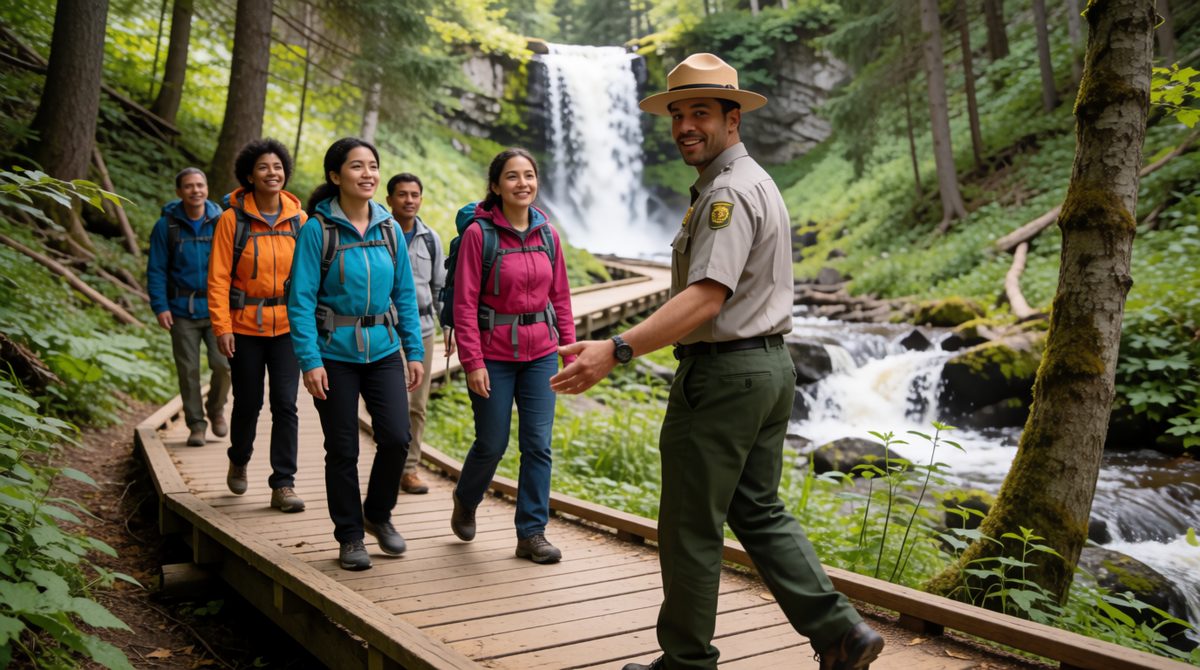
Natural attractions need careful management
Natural attractions need careful management to survive long-term. Governments, NGOs and tourism operators use a range of strategies to balance visitor access with environmental protection.
Key Management Strategies:
- Zoning: Dividing an area into zones some open to tourists, others strictly protected. Used in the Great Barrier Reef Marine Park.
- Visitor quotas: Limiting the number of tourists allowed in at one time. Used in Machu Picchu, Peru (2,500 visitors per day limit).
- Entrance fees: Charging tourists to enter helps fund conservation. Bhutan charges a daily tourist fee of over $200.
- Education and interpretation: Informing visitors about the environment so they behave responsibly.
- Habitat restoration: Actively repairing damaged ecosystems replanting mangroves, restoring coral reefs.
📌 Exam Tip: Theme 3 Command Words
In Theme 3 questions, watch out for these command words: "Explain" give reasons with detail. "Assess" weigh up positives and negatives. "Evaluate" make a judgement about how successful something is. Always use a named example or case study to support your answer examiners reward specific detail!
🏠 Theme 4: Tourism and the Human Environment
Theme 4 shifts the focus from nature to people and places. It covers cultural tourism, heritage sites, urban tourism and the role of tourism in both developed and developing countries. The human environment includes everything built or shaped by people cities, monuments, traditions and communities.
Key Definitions:
- Cultural tourism: Travel motivated by a desire to experience the arts, heritage, traditions and lifestyle of a destination.
- Heritage tourism: Visiting places of historical or cultural significance castles, ancient ruins, UNESCO World Heritage Sites.
- Urban tourism: Tourism based in cities, including sightseeing, shopping, business travel and events.
- UNESCO World Heritage Site: A place recognised by the United Nations as having outstanding universal value cultural or natural.
- Authenticity: How genuine and original a cultural experience is a major concern as tourism can commercialise local culture.
🏛 Heritage Tourism
Heritage tourism is one of the fastest-growing types of tourism globally. Visitors are drawn to ancient ruins (Rome's Colosseum), medieval cities (Prague), religious sites (Angkor Wat, Cambodia) and industrial heritage (Ironbridge, UK). UNESCO listing dramatically boosts visitor numbers but this can also cause overtourism, where too many visitors damage the very thing they came to see.
🏙 Urban Tourism
Cities like London, Paris, New York and Dubai attract tens of millions of tourists every year. Urban tourists visit museums, galleries, theatres, restaurants and iconic landmarks. Cities invest heavily in tourism infrastructure airports, hotels, transport links and visitor attractions. Events like the Olympics or World Cup can transform a city's tourism profile almost overnight.
🏭 The Role of Events in Tourism
Major events sporting, cultural or political are powerful drivers of tourism. They bring short-term visitor booms and can leave long-term legacies for a destination.
🏆 Sporting Events
The FIFA World Cup, Olympic Games and Rugby World Cup attract millions of visitors and billions of TV viewers. Brazil (2014 World Cup) and South Africa (2010 World Cup) used these events to showcase their countries and boost tourism long-term.
🎪 Cultural Events
Festivals like Edinburgh Festival Fringe (Scotland), Rio Carnival (Brazil) and Diwali celebrations in India attract huge numbers of cultural tourists. These events celebrate local identity and generate significant income for host communities.
📍 Event Legacies
A positive legacy means the destination benefits long after the event ends improved transport, new stadiums used by locals and a raised international profile. A negative legacy can mean debt, unused venues (known as "white elephants") and displaced communities.
🌍 Case Study: Barcelona – Urban Tourism Successes and Struggles
Barcelona is one of Europe's most visited cities, attracting over 12 million tourists per year. The city is famous for Gaudí's architecture (Sagrada Família, Park Güell), beaches, food and nightlife.
Positive impacts: Tourism generates billions of euros, supports thousands of jobs and has funded major regeneration projects (the 1992 Olympics transformed the waterfront).
Negative impacts: Overtourism has caused serious problems rising rents have pushed locals out of the city centre, noise and anti-social behaviour from tourists and overcrowded public transport. Locals have protested with banners reading "Tourists Go Home."
Management responses: The city has capped the number of tourist accommodation licences, introduced tourist taxes and restricted cruise ship numbers. Park Güell now operates a timed ticketing system to control visitor flow.
🌐 Tourism in Developing Countries – Theme 4 Focus
Many developing countries rely heavily on tourism as a source of income and development. However, the benefits are not always fairly shared and there are significant risks involved.
Key Issues:
- Economic leakage: Money spent by tourists "leaks" out of the local economy when profits go to foreign-owned companies, imported food is used in hotels, or staff are brought in from abroad. This reduces the real economic benefit to local people.
- Dependency: Over-reliance on tourism makes economies vulnerable a natural disaster, political unrest or global pandemic (like COVID-19) can collapse the industry overnight.
- Enclave tourism: When tourists stay in all-inclusive resorts and rarely venture into local communities, spending little money in the wider economy.
- Community-based tourism (CBT): A model where local communities own and manage tourist facilities, keeping profits local and giving visitors an authentic experience.
🌍 Case Study: Machu Picchu, Peru – Heritage Under Threat
Machu Picchu is an ancient Inca citadel high in the Andes mountains of Peru. It is one of the world's most iconic UNESCO World Heritage Sites and attracts around 1.5 million visitors per year.
Problems caused by overtourism: Footpath erosion on ancient stonework, landslides triggered by deforestation around the site, litter and the nearby town of Aguas Calientes being overwhelmed by tourist infrastructure.
Management strategies: Daily visitor limits (2,500 per day), timed entry tickets, one-way walking routes to reduce congestion, a ban on drones and restrictions on large tour groups. The Peruvian government has also proposed building a new airport nearby controversial because it could increase visitor numbers further.
Exam angle: Machu Picchu is a brilliant example of the tension between economic need (Peru needs tourist income) and conservation (the site must be protected for future generations).
✍ Top Exam Tips for Themes 3 and 4
📌 Theme 3 Exam Essentials
- Always name a specific physical environment and explain why it attracts tourists
- Know at least two management strategies and be able to evaluate their effectiveness
- Link climate change to tourism it's a hot topic (literally!)
- Use the term carrying capacity when discussing limits on visitor numbers
- Case studies: Maldives, Great Barrier Reef, Everest/Nepal, Machu Picchu
📌 Theme 4 Exam Essentials
- Know the difference between cultural, heritage and urban tourism
- Be able to explain economic leakage with an example
- Discuss both positive and negative impacts of events tourism
- Use Barcelona or another city to illustrate overtourism and management
- Understand community-based tourism as a sustainable alternative
📚 Final Revision Checklist – Themes 3 & 4
Before your exam, make sure you can confidently answer these questions:
- ✅ What is carrying capacity and why does it matter?
- ✅ How does climate influence tourist destination choice?
- ✅ What strategies are used to manage natural tourist attractions?
- ✅ What is the difference between heritage and cultural tourism?
- ✅ What is economic leakage and how does it affect developing countries?
- ✅ What are the impacts of overtourism in urban areas?
- ✅ How can events boost tourism and what are the risks?
- ✅ What is community-based tourism and why is it considered sustainable?
- ✅ Can you describe two named case studies from Themes 3 and 4 in detail?