What Is Special Interest Tourism?
Most tourists travel for general leisure a beach holiday, a city break, a family trip. But a growing number of tourists travel for a very specific reason that goes beyond simple relaxation. These are special interest tourists and they are one of the fastest-growing segments in global tourism.
Key Definitions:
- Special Interest Tourism (SIT): Travel motivated by a specific interest, hobby, passion, or activity. The destination is chosen because it serves that interest.
- Niche Tourism: A smaller, focused segment of the tourism market catering to specific groups with particular needs or interests.
- Tourists with Specific Needs: Tourists who require additional support, facilities, or adaptations due to physical, medical, social, or personal circumstances.
💡 Why Is Special Interest Tourism Growing?
As tourists become more experienced and well-travelled, they seek more meaningful, personalised experiences. The rise of the internet allows niche communities to find specialist tour operators easily. People are also more health-conscious, culturally curious and socially aware than ever before all of which drives demand for specialist travel.
Types of Special Interest Tourists: An In-Depth Look
The iGCSE syllabus requires you to understand a range of special interest tourist types. Below we explore each one in detail, going beyond the introductory overview covered in earlier lessons.
☠ Dark Tourism
Dark tourism involves visiting places associated with death, tragedy, disaster, or suffering. It is one of the most thought-provoking forms of special interest tourism and raises important ethical questions.
Dark tourists are motivated by a desire to understand history, pay respects, reflect on human suffering, or satisfy a morbid curiosity. This is not simply about being ghoulish many dark tourists are deeply respectful and seek genuine education.
📍 Auschwitz, Poland
Over 2.3 million visitors per year. Tourists visit to pay respects to Holocaust victims and learn about one of history's darkest chapters.
📍 Chernobyl, Ukraine
The site of the 1986 nuclear disaster. Tours grew massively after the 2019 HBO series. Around 100,000 visitors per year before the 2022 conflict.
📍 Ground Zero, New York
The 9/11 Memorial Museum receives over 3 million visitors annually. It blends remembrance with education about the 2001 terrorist attacks.
Case Study Focus: Pompeii, Italy
Pompeii is one of the world's most visited dark tourism sites, attracting around 3.5 million tourists per year. The ancient Roman city was buried by the eruption of Mount Vesuvius in 79 AD, preserving the remains of thousands of victims. Tourists are drawn by the extraordinary preservation of the site, the human casts and the story of sudden catastrophe. Italy has invested heavily in conservation to protect the site from over-tourism, including timed entry tickets and restricted zones. Pompeii generates enormous economic benefits for the Campania region whilst raising ongoing challenges around site preservation.
Ethical Debate: Dark tourism raises questions about whether it is respectful to visit sites of tragedy for leisure. Responsible dark tourism operators emphasise education, sensitivity and respect for victims. Inappropriate behaviour such as taking selfies in disrespectful poses is widely criticised.
⚽ Sports Tourism: A Deeper Dive
Sports tourism is one of the largest and most economically significant forms of special interest tourism. It involves travelling to participate in or watch sporting events.
🏆 Active Sports Tourism
Tourists who travel to take part in sport. Examples include skiing in the Alps, cycling in Mallorca, golf in Scotland, surfing in Portugal, or running the London Marathon. These tourists are often high spenders who stay longer and use specialist equipment hire and coaching services.
📷 Passive Sports Tourism
Tourists who travel to watch sport. Examples include attending the FIFA World Cup, Wimbledon, the Tour de France, or the Olympic Games. These events generate massive short-term economic boosts for host destinations.
Case Study Focus: The Rugby World Cup 2023 France
The 2023 Rugby World Cup held in France attracted over 600,000 international visitors and generated an estimated €600 million for the French economy. Host cities including Paris, Marseille, Lyon and Bordeaux benefited from increased hotel occupancy, restaurant spending and transport use. The tournament was broadcast to over 200 countries, providing enormous destination marketing value for France beyond the direct economic impact. Sports mega-events like this demonstrate how passive sports tourism can transform a destination's economy in a short period.
Golf Tourism A Premium Example: Scotland is considered the home of golf, with over 550 courses. Golf tourists spend on average three times more per day than standard leisure tourists. St Andrews alone attracts over 200,000 golf visitors annually, supporting thousands of local jobs in accommodation, equipment and hospitality.
🏭 Heritage and Cultural Tourism: Going Further
Heritage tourists travel specifically to experience the history, culture and traditions of a place. This goes beyond visiting a museum it includes attending festivals, learning traditional crafts, visiting UNESCO World Heritage Sites and exploring local customs.
Case Study Focus: Kyoto, Japan Heritage Tourism
Kyoto, Japan's ancient imperial capital, receives over 50 million visitors per year, many of them heritage tourists drawn by its 1,600 Buddhist temples, 400 Shinto shrines, traditional geisha districts and tea ceremony culture. The city has 17 UNESCO World Heritage Sites. Heritage tourism is so intense that Kyoto has introduced visitor management measures including restrictions on photography in the Gion geisha district and charges for entry to previously free areas. This case study illustrates both the enormous appeal of heritage tourism and the management challenges it creates.
🍳 Food Tourism (Culinary Tourism)
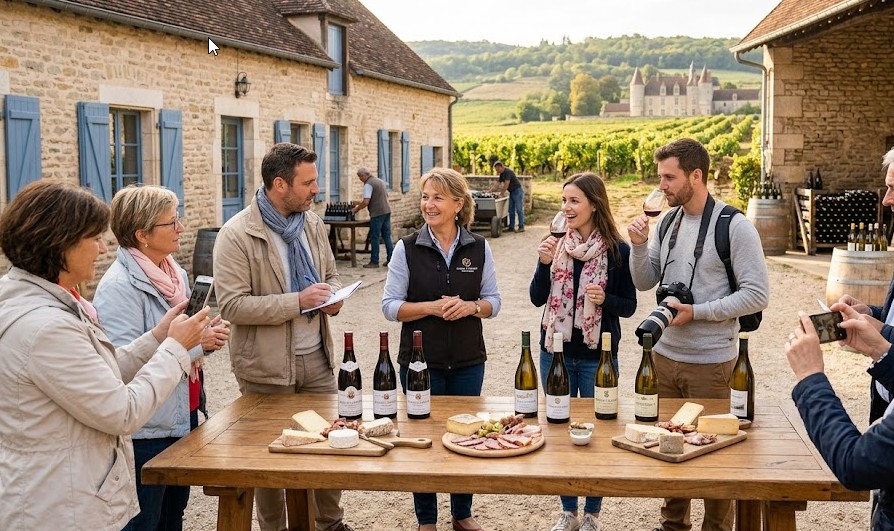
Food tourism is a rapidly growing niche where the primary motivation for travel is to experience local cuisine, food culture, cooking traditions and drink. Food tourists visit local markets, attend cooking classes, dine at Michelin-starred restaurants, or travel to wine and food regions.
- Examples: Wine tourism in Bordeaux, France; street food tours in Bangkok, Thailand; olive oil tours in Tuscany, Italy; whisky distillery tours in Scotland.
- Economic Impact: The World Food Travel Association estimates that food tourists spend up to 25% more than average tourists at their destination.
- UK Example: The Hairy Bikers and programmes like MasterChef have boosted food tourism to regions such as Cornwall, Yorkshire and the Scottish Highlands.
Tourists with Specific Needs
The iGCSE syllabus requires you to understand tourists who have particular needs that must be met for them to travel successfully. This is not just about disability it covers a wide range of circumstances.
♿ Tourists with Disabilities
Tourists with physical, sensory, or cognitive disabilities require accessible facilities. This includes wheelchair ramps, lifts, accessible toilets, hearing loops, Braille signage and trained staff. The global accessible tourism market is worth an estimated $58 billion annually.
👴 Elderly Tourists
Older tourists may need slower-paced itineraries, ground-floor accommodation, accessible transport, medical facilities nearby and clear signage. The over-60s are one of the fastest-growing tourist segments globally and tend to be high spenders with more leisure time.
💉 Tourists with Medical Conditions
Tourists with conditions such as diabetes, heart conditions, severe allergies, or mental health needs require destinations and operators to provide appropriate medical facilities, dietary options and emergency support. Medical tourism itself travelling specifically for treatment is a separate growing sector.
👷 Solo Travellers
Solo travellers, particularly solo women, have specific safety needs. They look for well-lit accommodation, secure storage, female-only dorm options in hostels and destinations with low crime rates. Solo travel has grown significantly single supplements charged by hotels and tour operators are increasingly being removed to attract this market.
🏁 LGBTQ+ Tourists
LGBTQ+ tourists seek destinations where they feel safe, welcome and legally protected. They often research destinations carefully for local laws and social attitudes. LGBTQ+ tourism is worth an estimated $218 billion globally. Cities like Amsterdam, Barcelona and Brighton are known as LGBTQ+-friendly destinations.
🅾 Religious Tourists
Religious tourists travel for pilgrimage, worship, or spiritual reasons. They require halal or kosher food options, prayer facilities, modest dress codes to be respected and access to religious sites. Mecca receives over 2 million pilgrims during Hajj annually. Lourdes in France receives 6 million visitors per year.
Case Study Focus: Accessible Tourism in the UK VisitEngland's "England: A Destination for All"
VisitEngland launched its accessible tourism programme to make England one of the world's leading accessible destinations. The programme includes the National Accessible Scheme (NAS), which rates accommodation and attractions on their accessibility for disabled visitors. Over 1,600 businesses are accredited. Key improvements include accessible beach wheelchairs at coastal resorts, audio-described tours at museums and trained accessibility champions at visitor attractions. The scheme recognises that disabled tourists in the UK spend approximately £15.3 billion annually a market that is too large to ignore.
How Destinations and Businesses Adapt
Meeting the needs of special interest and specific needs tourists requires deliberate planning, investment and training. Here is how destinations and tourism businesses respond.
🏭 Physical Adaptations
♿ Accessibility Infrastructure
Ramps, lifts, accessible toilets, lowered counters, tactile paving, hearing loops and wide doorways. Required by law in many countries under disability legislation.
🌟 Specialist Facilities
Golf courses, ski slopes, surf schools, climbing walls, yoga retreats and cooking schools all cater to specific interest tourists. Investment in these facilities attracts high-spending niche markets.
📱 Digital Accessibility
Websites with screen reader compatibility, large text options and subtitled videos. Booking systems that allow tourists to specify accessibility requirements in advance.
👥 Staff Training and Attitude
Physical adaptations are only part of the solution. Staff must be trained to assist tourists with specific needs sensitively and competently. This includes:
- Disability awareness training for front-line staff
- Language support for international tourists
- Cultural sensitivity training for religious and LGBTQ+ tourists
- First aid and medical emergency training
- Specialist guiding skills for dark tourism, heritage and nature sites
Case Study Focus: Sports Tourism Skiing in the Alps for Disabled Skiers
Resorts in Austria, France and Switzerland have developed specialist facilities for disabled skiers, including sit-skis (where the skier sits in a moulded seat attached to a single ski), outrigger poles and trained ski instructors qualified in adaptive skiing. Resorts such as Verbier (Switzerland) and Les Deux Alpes (France) actively market to disabled sports tourists. This demonstrates how a destination can adapt an existing special interest product to serve tourists with specific needs expanding the market and generating additional revenue.
The Business Case: Why This Market Matters
It might seem like special interest and specific needs tourists are a small, niche concern. In fact, they represent enormous economic opportunity.
💰 Higher Spending
Special interest tourists often spend significantly more than average tourists. Golf tourists, food tourists and sports event attendees all demonstrate premium spending patterns.
📅 Off-Peak Travel
Many special interest tourists travel outside peak season for example, birdwatchers in spring and autumn, or skiers in January. This helps destinations reduce the problem of seasonality.
📈 Loyalty and Repeat Visits
Special interest tourists who have a positive experience are highly likely to return and to recommend the destination to others in their community. Word-of-mouth within niche groups is powerful.
💡 Did You Know?
The global accessible tourism market is projected to reach $1.7 trillion by 2026. Disabled tourists and their travelling companions (who often travel specifically to support them) represent a massive and growing market that destinations cannot afford to overlook. In the UK alone, disabled people and their families take over 16 million overnight trips per year.
Challenges of Catering to Special Interest and Specific Needs Tourists
Meeting the needs of these tourist groups is not without its difficulties. Destinations and businesses face real challenges.
⚠ Key Challenges
- Cost of adaptation: Installing lifts, ramps and specialist equipment is expensive, particularly for small businesses and historic buildings where structural changes are difficult.
- Historic environments: Many heritage sites cobbled streets, ancient buildings, narrow doorways are inherently difficult to make fully accessible without damaging their character.
- Staff training costs: Specialist training takes time and money and high staff turnover in tourism means training must be ongoing.
- Small market size: Some niche interests attract very few tourists, making investment in specialist facilities financially risky.
- Ethical management: Dark tourism in particular requires careful management to ensure sites are treated with appropriate respect and dignity.
Case Study Focus: Accessible Tourism Challenges Venice, Italy
Venice is one of the world's most visited cities but also one of the most challenging for tourists with mobility impairments. The city has over 400 bridges, many with steps and its canal-based transport system (vaporetti water buses) can be difficult to board for wheelchair users. The city has worked to improve accessibility around 70% of the main tourist route is now accessible but the fundamental historic structure of the city creates permanent barriers. This case study shows that even with investment and goodwill, some destinations face inherent limitations in meeting the needs of all tourists with specific needs.
📋 Exam Technique: Special Interest and Specific Needs Tourists
Questions on this topic appear regularly in iGCSE Travel and Tourism exams. Here is how to approach them effectively.
💡 Common Question Types
✍ "Describe two types of special interest tourist"
Name the type clearly, give a specific example of what they do or where they go and explain what motivates them. Avoid vague answers be specific. For example: "Dark tourists visit sites associated with tragedy, such as Auschwitz in Poland, motivated by a desire to understand history and pay respects to victims."
✍ "Explain how a destination can meet the needs of tourists with disabilities"
Give specific, practical examples ramps, lifts, trained staff, accessible transport, hearing loops. Use a named example if possible. Avoid generic statements like "they make it easier" the examiner wants detail.
💡 Exam Tip: The PEEL Structure
Point Make your point clearly. Evidence Back it up with a fact, statistic, or named example. Explain Say why this matters or how it works. Link Connect back to the question. This structure works particularly well for 4-mark and 6-mark questions on special interest and specific needs tourism.
💡 Key Terms to Use in Answers
- Niche market / niche tourism
- Accessible tourism / accessibility
- Special interest tourism
- Specific needs
- Adaptation / adaptation of facilities
- Economic impact / spending power
- Seasonality / off-peak travel
- Sustainable management
📚 Key Takeaways
- Special interest tourism covers a huge range of motivations from dark tourism and sports tourism to food tourism and heritage tourism.
- Tourists with specific needs include disabled tourists, elderly tourists, solo travellers, LGBTQ+ tourists, religious tourists and those with medical conditions.
- These markets are economically significant often spending more than average tourists and travelling off-peak.
- Destinations and businesses must adapt physically (ramps, specialist facilities) and through staff training to serve these tourists effectively.
- Challenges include the cost of adaptation, historic environments and the ethical management of sensitive sites like dark tourism destinations.
- In the exam, use specific named examples and statistics to support your answers vague generalisations will not score highly.