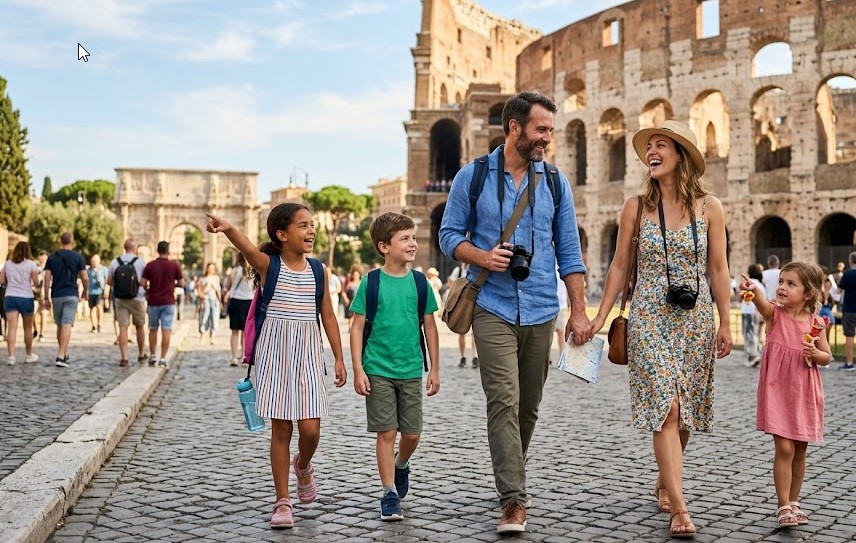
Why Matching Tourists to Destinations Matters
Not every tourist wants the same thing. A retired couple looking for a relaxing cruise holiday has very different needs from a 20-year-old backpacker or a family with young children. Smart destinations and tourism businesses understand this and they design their products, services and marketing to appeal to the right people.
This process of matching tourist types to destinations and services is central to how modern tourism works. When it goes well, tourists are satisfied, businesses make money and destinations thrive. When it goes wrong, tourists feel let down, leave bad reviews and don't come back.
Key Definitions:
- Tourist type: A category of tourist defined by their purpose, behaviour, budget, or demographic characteristics.
- Destination: A place that tourists travel to, which may be a country, city, resort, or specific attraction.
- Tourism product: The combination of attractions, accommodation, transport and services that a destination offers.
- Market segmentation: Dividing tourists into groups based on shared characteristics so that services can be tailored to each group.
- Target market: The specific group of tourists a destination or business aims to attract.
🎯 The Main Tourist Types: A Quick Recap
Before we look at matching, here is a summary of the main tourist types you need to know for iGCSE. Each type has distinct characteristics that influence where they go and what they need.
💼 Business Tourists
Travel for work purposes meetings, conferences, trade shows. Often travel alone, mid-week and have expenses paid by their employer. Demand high-quality accommodation and reliable transport.
🌞 Leisure Tourists
Travel for relaxation, fun, or personal interest. Includes beach holidays, city breaks and adventure travel. The largest category of tourist worldwide.
🌿 Ecotourists
Motivated by nature and sustainability. Choose destinations with wildlife, natural landscapes and low environmental impact. Willing to pay more for responsible experiences.
👪 Family Tourists
Travel with children. Need child-friendly facilities, safe environments and a range of activities. Often choose all-inclusive resorts or theme parks.
✈ Independent Tourists
Plan and book their own travel without using a package tour. Value flexibility and authenticity. Often younger, experienced travellers.
🏭 Special Interest Tourists
Travel for a specific purpose such as sport, heritage, food, or dark tourism. Choose destinations based on that specific interest rather than general appeal.
📍 Matching Tourist Types to Destinations
Different destinations naturally suit different tourist types. A destination's appeal depends on its geography, climate, infrastructure, culture and attractions. The key skill for iGCSE is being able to explain why a destination suits a particular type of tourist not just state that it does.
💼 Business Tourists → Cities with Strong Infrastructure
Business tourists need destinations with excellent transport links, modern conference facilities, high-quality hotels and reliable communications. They are not usually drawn by beaches or natural scenery they need function over beauty.
Case Study Focus: Dubai, UAE The Business Tourism Hub
Dubai has positioned itself as one of the world's top business tourism destinations. It hosts the Dubai World Trade Centre, one of the largest exhibition venues in the Middle East, attracting over 500 events per year. Dubai International Airport is one of the busiest in the world, with direct flights to over 240 destinations. Five-star hotels such as the Burj Al Arab and Marriott chains offer dedicated business floors, meeting rooms and express check-in. The Dubai government actively markets the city as a MICE destination (Meetings, Incentives, Conferences and Exhibitions). Business tourists to Dubai spend significantly more per day than leisure tourists making this a highly valuable market for the city.
Other strong business tourism destinations include Singapore, London, Frankfurt and New York all cities with major airports, financial centres and world-class conference infrastructure.
👪 Family Tourists → Safe, Fun, All-Inclusive Resorts and Theme Parks
Families with children need destinations that are safe, affordable (or offer good value), have plenty of activities for different ages and provide child-friendly facilities. Beach resorts in Spain, Florida theme parks and UK holiday parks are classic examples.
Case Study Focus: Orlando, Florida The Family Tourism Capital
Orlando is arguably the world's most famous family tourism destination. It is home to Walt Disney World, Universal Studios, SeaWorld and LEGOLAND all within a short drive of each other. The destination has been specifically designed around family needs: stroller rentals, baby care centres, height-appropriate rides, character dining experiences and family hotel suites are standard. In 2023, the Orlando area welcomed over 74 million visitors, the majority being families. Hotels such as Disney's All-Star Resorts offer themed rooms, shuttle buses to parks and meal plans removing the stress of planning for parents. The entire destination ecosystem is built around the family tourist type.
🌿 Ecotourists → Natural, Biodiverse and Sustainable Destinations
Ecotourists are drawn to destinations with outstanding natural environments, wildlife and a commitment to conservation. They avoid mass tourism resorts and instead seek small-scale, locally owned experiences. Destinations in Central America, East Africa and the South Pacific are particularly popular.
Key features ecotourists look for in a destination include: national parks and protected areas, locally owned eco-lodges, wildlife viewing opportunities, community-based tourism projects and clear evidence of environmental management.
✈ Independent Tourists → Destinations with Flexibility and Authenticity
Independent tourists including backpackers and free independent travellers (FITs) are drawn to destinations that offer a range of budget accommodation options, good public transport, interesting local culture and a sense of discovery. They often avoid heavily packaged, commercialised resorts.
Popular independent travel destinations include Thailand, Vietnam, Portugal, New Zealand and Colombia places with well-developed backpacker infrastructure, diverse experiences and relatively low costs.
🏭 How Services Are Matched to Tourist Types
It is not just destinations that need to match tourist types individual services such as hotels, restaurants, transport providers and tour operators must also adapt their offerings. This is called product differentiation: creating different versions of a product for different markets.
🏠 Accommodation Matching
Hotels, hostels, resorts and lodges each suit different tourist types. Budget hostels with shared dormitories suit independent backpackers. Five-star business hotels with meeting rooms suit business tourists. All-inclusive family resorts suit families. Eco-lodges with solar power and composting toilets suit ecotourists. The same destination may offer all of these each targeting a different market segment.
🚌 Transport Matching
Business tourists need fast, reliable transport direct flights, airport express trains and taxi apps. Families need space and convenience minivans, shuttle buses and car hire with child seats. Backpackers use local buses, overnight trains and budget airlines. Ecotourists may prefer low-impact transport such as cycling or walking tours. Transport providers increasingly offer products tailored to each group.
Case Study Focus: Maldives Matching Services to Luxury Couples and Honeymooners
The Maldives has built its entire tourism economy around the luxury couples market. With over 1,000 coral islands and crystal-clear lagoons, the destination naturally appeals to romantic travellers. Resorts such as Soneva Fushi and the Four Seasons Landaa Giraavaru offer overwater bungalows, private plunge pools, couples' spa treatments and candlelit beach dinners. There are virtually no budget options the Maldives deliberately positions itself as a premium destination. The average tourist spends over £300 per person per night. Marketing focuses on romance, privacy and exclusivity. This is a textbook example of a destination successfully matching its product to a very specific tourist type.
📈 How Destinations Actively Target Specific Tourist Types
Destinations do not just wait for tourists to arrive they actively market themselves to specific groups. This involves targeted advertising, developing specific infrastructure and creating tourism products that appeal to chosen markets.
🏆 Sports Tourists → Destinations Built Around Events and Facilities
Sports tourists travel to watch or participate in sporting events. Destinations that host major sporting events the Olympics, World Cup, Grand Prix attract huge numbers of sports tourists. But destinations also attract sports tourists through their natural environment: ski resorts attract skiers, coastal areas attract surfers and mountain regions attract climbers and cyclists.
Case Study Focus: Queenstown, New Zealand Adventure Sports Tourism
Queenstown has branded itself the "Adventure Capital of the World." The destination offers bungee jumping (it invented commercial bungee jumping in 1988), skydiving, white-water rafting, jet boating, skiing and mountain biking all within a small area. The entire local economy is built around adventure sports tourists. Accommodation ranges from backpacker hostels to luxury lodges, catering to different budgets within the same tourist type. Tour operators, equipment hire shops and transport providers all focus on adventure activities. Queenstown's success shows how a destination can build a global reputation by specialising in one tourist type.
🏭 Cultural and Heritage Tourists → Historic Cities and UNESCO Sites
Cultural tourists are drawn to destinations with a rich history, impressive architecture, museums and living cultural traditions. These tourists tend to be older, well-educated and higher-spending. They prefer guided tours, quality museums and authentic local experiences over beach resorts.
Destinations such as Rome, Athens, Cairo, Marrakech and Cusco have built their tourism industries around cultural and heritage appeal. UNESCO World Heritage status is a powerful marketing tool for attracting this tourist type.
👥 Matching Tourists to Services: The Role of Tour Operators
Tour operators play a crucial role in matching tourist types to destinations and services. They package together flights, accommodation, transfers and activities into a product designed for a specific market. Different tour operators specialise in different tourist types:
- TUI and Jet2holidays mass market leisure tourists, particularly families and couples seeking sun and beach holidays
- Kuoni luxury couples and honeymooners seeking premium long-haul destinations
- Intrepid Travel independent-minded travellers and ecotourists seeking small-group adventures
- G Adventures adventure tourists and responsible travellers in developing world destinations
- Saga Holidays elderly tourists (over 50s) seeking comfortable, well-organised holidays
- PGL school groups and educational tourists
Case Study Focus: Intrepid Travel Matching the Responsible Tourist to the Right Destination
Intrepid Travel is an Australian tour operator that specialises in small-group adventure travel for responsible and independent-minded tourists. Their tours visit destinations such as Morocco, Peru, Vietnam and Tanzania places with rich culture, natural beauty and local communities that benefit from tourism. Group sizes are capped at 12 people to minimise environmental impact. Local guides are always used and accommodation is in locally owned guesthouses rather than international chain hotels. Intrepid has a strong sustainability policy and publishes annual impact reports. Their target market is tourists aged 25–45 who want authentic experiences without the environmental guilt of mass tourism. This is a clear example of a business successfully matching its product to a specific tourist type.
💡 Factors That Influence the Match Between Tourist and Destination
Several factors determine whether a destination is a good match for a particular tourist type. Understanding these factors helps you write stronger exam answers.
🌎 Push and Pull Factors
Push factors are reasons tourists want to leave home stress, cold weather, desire for adventure. Pull factors are features of a destination that attract tourists warm climate, historic sites, good value. Matching works best when a destination's pull factors directly address a tourist type's push factors. For example, a business tourist pushed by the need to attend a conference is pulled to a city with excellent conference facilities.
💰 Budget and Spending Power
Tourist types vary enormously in their spending power. Business tourists typically spend the most per day (often over £200), followed by luxury leisure tourists. Budget backpackers may spend as little as £30 per day. Destinations and services must price themselves appropriately for their target market. A luxury resort that charges budget prices will lose money; a hostel that charges luxury prices will have no guests.
📋 Exam Technique: Matching Tourist Types to Destinations and Services
Questions on this topic often ask you to explain why a destination or service is suitable for a particular type of tourist, or to suggest how a destination could attract a new tourist type. Here is how to approach these questions effectively.
✍ "Explain why [destination] is suitable for [tourist type]"
Use the PEEL structure: Point make a clear statement. Evidence give a specific fact or example. Explain say why this matters for that tourist type. Link connect back to the question.
Example answer: "Dubai is a suitable destination for business tourists (Point) because it has one of the world's busiest airports with direct flights to over 240 destinations (Evidence). This means business tourists can travel quickly and conveniently from almost anywhere in the world (Explain), making Dubai an accessible and efficient choice for international meetings and conferences (Link)."
✍ "Suggest how a destination could attract more [tourist type]"
Think about what that tourist type needs and wants, then suggest specific changes or additions to the destination's infrastructure, services, or marketing. Always be specific vague answers score few marks.
Example answer: "To attract more ecotourists, the destination could develop certified eco-lodges that use solar power and employ local staff. It could also create guided wildlife tours led by local naturalists. These changes would appeal to ecotourists because they provide authentic natural experiences while supporting local communities and minimising environmental damage."
💡 Key Terms to Use in Exam Answers
Using precise terminology shows the examiner you understand the topic. Try to include these terms where relevant: market segmentation, target market, product differentiation, push and pull factors, tourism product, MICE tourism, all-inclusive, sustainable tourism, carrying capacity, economic leakage.
📚 Key Takeaways
- Different tourist types have different needs, motivations and spending habits successful destinations and services match their products to specific tourist types.
- Business tourists need cities with strong infrastructure; families need safe, fun, child-friendly environments; ecotourists need natural, sustainable destinations.
- Tour operators play a key role in matching tourists to destinations by packaging products for specific markets.
- Push and pull factors help explain why particular tourist types are drawn to particular destinations.
- In exam answers, always explain why a destination suits a tourist type use specific facts and examples, not vague generalisations.
- Destinations actively market themselves to target specific tourist types, investing in infrastructure, services and promotional campaigns aimed at chosen markets.