💲 Introduction to Economic Factors Affecting Tourism Demand
Ever wondered why some years loads of people jet off on holiday and other years everyone seems to stay home? A huge part of the answer comes down to economics basically, money. Whether people can afford to travel, how far their money goes abroad and whether they feel secure in their jobs all play a massive role in deciding if and where people go on holiday.
In iGCSE Travel & Tourism, understanding economic factors is essential because tourism is one of the world's biggest industries and it is incredibly sensitive to changes in the economy. When times are good, people spend more on travel. When times are tough, holidays are often the first thing to get cut.
Key Definitions:
- Tourism Demand: The total number of people who want to travel and are able to do so at a given time.
- Economic Factors: Things related to money, income and the wider economy that influence people's ability and willingness to travel.
- Disposable Income: The money left over after taxes and essential bills have been paid this is what people actually have to spend on things like holidays.
- Exchange Rate: How much one country's currency is worth compared to another's (e.g. how many euros you get for £1).
- Recession: A period when a country's economy shrinks, unemployment rises and people generally have less money to spend.
- Inflation: When prices rise over time, meaning your money buys less than it used to.
📈 Why Economics Matters for Tourism
Tourism is what economists call a luxury good for most people it's something you buy when you have money to spare, not something you need to survive. This means tourism demand goes up and down quite dramatically when economic conditions change. A small drop in income can lead to a big drop in holiday bookings.
🌎 Tourism is a Global Industry
In 2019, international tourist arrivals reached 1.5 billion worldwide (UNWTO). The global tourism industry was worth over $9 trillion. Economic conditions in one country can ripple around the world if a major economy like the USA or China slows down, tourist destinations everywhere feel the impact.
💵 Personal Income and Disposable Income
The most direct economic factor affecting tourism demand is simply how much money people have. But it's not just about total income it's about disposable income: the cash left after paying for essentials like rent, food and bills.
How Income Affects Travel Choices
As people's incomes rise, they tend to travel more, travel further and choose more expensive destinations and accommodation. This relationship between income and tourism is well established. Countries with higher average incomes consistently produce more international tourists.
💰 Low Disposable Income
People may take no holiday at all, or choose a cheap domestic trip perhaps a day out or a budget staycation. Long-haul travel is simply out of reach.
💲 Medium Disposable Income
Short-haul package holidays become possible think a week in Spain or Greece. Budget airlines and all-inclusive deals are popular choices.
💸 High Disposable Income
Long-haul travel, luxury resorts, cruises and multiple holidays per year become realistic. Destinations like the Maldives, Caribbean, or New Zealand attract higher-income tourists.
🔍 Case Study: China's Rising Middle Class
One of the biggest stories in global tourism over the past 20 years has been the explosion of Chinese outbound tourism. As China's economy grew rapidly and millions of people moved into the middle class, disposable incomes rose dramatically. In 2000, China generated around 10 million outbound tourist trips. By 2019, this had risen to 155 million trips, making China the world's largest source of outbound tourists. Chinese tourists spent over $255 billion abroad in 2019. This is a perfect example of rising incomes directly causing a massive increase in tourism demand.
🕳 Exchange Rates
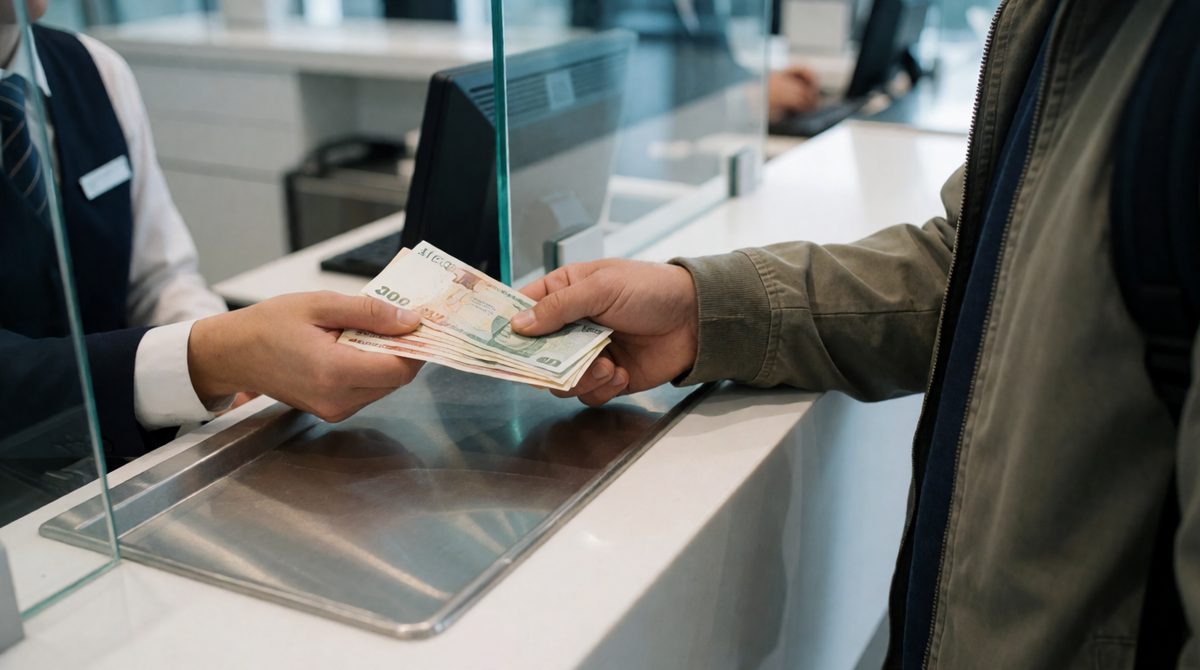
Exchange rates affect how far holiday money goes
Even if your income stays exactly the same, a change in the exchange rate can make a foreign holiday feel much cheaper or much more expensive overnight. Exchange rates are one of the most interesting and immediate economic factors affecting tourism.
How Exchange Rates Work in Tourism
When the British pound is strong against another currency, British tourists get more of that foreign currency for their pounds making the destination feel cheaper. When the pound is weak, tourists get less foreign currency, making everything abroad more expensive.
🇬🇧 Case Study: Brexit and the Pound
After the Brexit referendum in June 2016, the value of the British pound fell sharply. Before the vote, £1 bought around €1.30. After the vote, it dropped to around €1.10. This meant a British family spending €1,000 on a holiday in France suddenly needed to find an extra £154 compared to before. Many British tourists responded by choosing domestic holidays in the UK instead a trend called "staycationing". Meanwhile, the weak pound made the UK a cheaper destination for European and American visitors, boosting inbound tourism to Britain.
This shows that exchange rates have a double effect: they can reduce outbound tourism from a country while simultaneously increasing inbound tourism to that country.
📅 Strong Pound = More Outbound Tourism
When £1 buys more foreign currency, British tourists feel richer abroad. Hotels, meals and activities all feel cheaper. Demand for foreign holidays increases. Tour operators report higher bookings to popular destinations like Spain, Turkey and the USA.
📅 Weak Pound = More Inbound Tourism
When £1 buys less foreign currency, the UK becomes a bargain destination for overseas visitors. American tourists, for example, find London hotels and attractions much more affordable. Inbound tourism to the UK rises, benefiting British hotels, attractions and retailers.
💼 Employment Levels and Job Security
It's not just about how much you earn right now it's also about how secure you feel about your future income. Even if someone has plenty of disposable income, if they're worried about losing their job, they're unlikely to splash out on an expensive holiday.
Employment and Consumer Confidence
When unemployment is low and people feel secure in their jobs, consumer confidence is high. People are willing to spend on big purchases like holidays. When unemployment rises or there's economic uncertainty, people hold back they save money "just in case" rather than booking trips.
🔍 Case Study: The 2008 Global Financial Crisis
The 2008 financial crisis caused unemployment to spike in many countries. In the UK, unemployment rose from around 5% to over 8%. In the USA, it hit 10%. The impact on tourism was immediate and severe. International tourist arrivals fell by 4% globally in 2009 the first decline in decades. Airlines cancelled routes, hotels cut prices desperately to attract guests and many travel companies went bust. People simply didn't feel safe spending money on holidays when they were worried about their jobs and mortgages. Tourism didn't fully recover until 2011.
📈 Inflation and the Cost of Living
Inflation means prices rise over time. When inflation is high, everyday essentials like food, energy and housing cost more leaving less money for luxuries like holidays. High inflation effectively reduces people's real disposable income even if their wages stay the same.
Inflation's Impact on Tourism
Inflation affects tourism in two ways. First, it reduces the disposable income of potential tourists in their home country. Second, if inflation is high in a destination country, it makes that destination more expensive for visitors, reducing its attractiveness compared to cheaper alternatives.
🔍 Case Study: UK Inflation 2022–2023
In 2022–2023, the UK experienced its highest inflation in 40 years, peaking at over 11% in October 2022. Energy bills, food costs and mortgage payments all soared. Many British families found their disposable income squeezed significantly. Research by ABTA (the travel association) found that 40% of UK adults planned to cut back on holidays as a result of the cost-of-living crisis. Budget destinations like Turkey and Egypt saw increased interest as people looked for cheaper alternatives, while luxury long-haul travel declined among middle-income groups.
🌟 Economic Booms vs Recessions
The overall state of a country's economy whether it's booming or in recession has a huge effect on tourism demand. These are sometimes called macro-economic factors because they affect the whole economy, not just individual people.
🚀 Economic Boom
During a boom, employment is high, wages rise and people feel confident. Tourism demand surges. Airlines add new routes, hotels are built and destinations invest in new attractions. The late 1990s and mid-2000s were boom periods international tourism grew rapidly during both.
🔴 Recession
During a recession, unemployment rises, wages stagnate or fall and people cut spending. Tourism is hit hard. However, not all tourism suffers equally budget travel, camping and domestic holidays often hold up better than luxury or long-haul travel.
The "Lipstick Effect" in Tourism
Interestingly, during recessions, some types of tourism actually increase. Economists call this the "lipstick effect" people cut big luxuries but still treat themselves to small ones. In tourism terms, this might mean people skip their two-week Caribbean cruise but still book a cheap weekend city break in Europe. Budget airlines like Ryanair and easyJet often do well during recessions as people trade down from full-service carriers.
📋 Summary: Key Economic Factors at a Glance
💵 Income & Disposable Income
More money = more travel. Rising middle classes in countries like China and India have massively increased global tourism demand. Disposable income not total income is what really matters.
🕳 Exchange Rates
A strong home currency makes foreign travel cheaper. A weak currency boosts inbound tourism. Exchange rates can change quickly and dramatically affect tourist flows between countries.
💼 Employment & Confidence
Job security matters as much as current income. High unemployment and economic uncertainty cause people to save rather than spend on holidays, even if they currently have money.
✅ Exam Tip
In your iGCSE exam, you may be asked to explain how an economic factor affects tourism demand, or to evaluate which factor is most important. Always try to use specific examples and data to support your answer. Remember: economic factors don't work in isolation a recession causes unemployment AND reduces disposable income AND reduces consumer confidence all at the same time!
💡 Quick Revision Checklist
- ✅ I can define disposable income and explain why it matters for tourism
- ✅ I can explain how exchange rates affect both outbound and inbound tourism
- ✅ I can describe the impact of unemployment and job insecurity on tourism demand
- ✅ I can explain how inflation reduces real disposable income
- ✅ I can compare the effects of economic booms and recessions on tourism
- ✅ I can use case studies (China, Brexit, 2008 crisis, UK inflation) to support my answers