🌐 Why Factors Never Work Alone
In the previous lessons, you studied each demand factor separately economic, political, social, environmental, health and technological. But in the real world, these factors don't work in isolation. They overlap, reinforce each other and sometimes pull in opposite directions.
Think of tourism demand like a recipe. No single ingredient makes the dish it's the combination that matters. A destination might have stunning scenery (environmental), but if there's political instability, poor transport links and a weak economy, tourists still won't come.
Key Definitions:
- Demand factors: The range of influences economic, political, social, environmental, health and technological that affect how many people travel to a destination and why.
- Multi-factor analysis: Examining how several demand factors interact together to explain tourism patterns at a destination.
- Push factors: Things that encourage people to leave their home country (e.g. cold weather, high stress, desire for adventure).
- Pull factors: Things that attract tourists to a specific destination (e.g. warm climate, cultural heritage, low prices).
💡 The Big Idea
In your iGCSE exam, you will often be asked to explain why tourism has grown or declined at a destination. The strongest answers always link more than one factor together. This lesson teaches you exactly how to do that.
📈 The PESHET Framework: Putting It All Together
A useful way to remember all the demand factors is the PESHET framework. Each letter stands for a category of factor that can affect tourism demand. When you analyse a destination, work through each one and ask: how does this apply here?
💵 Political
Government policy, visa rules, travel advisories, stability, terrorism, international relations.
💲 Economic
Income levels, exchange rates, cost of living, employment, recessions, economic booms.
👥 Social
Demographics, changing attitudes, leisure time, education, social media, family structures.
🌿 Health
Disease outbreaks, pandemics, healthcare quality, wellness tourism, vaccination requirements.
🌎 Environmental
Climate, natural disasters, environmental degradation, climate change, wildlife, ecotourism.
💻 Technological
Online booking, low-cost airlines, smartphones, social media, virtual reality, review sites.
🔍 Case Study 1: Dubai A Multi-Factor Tourism Success Story
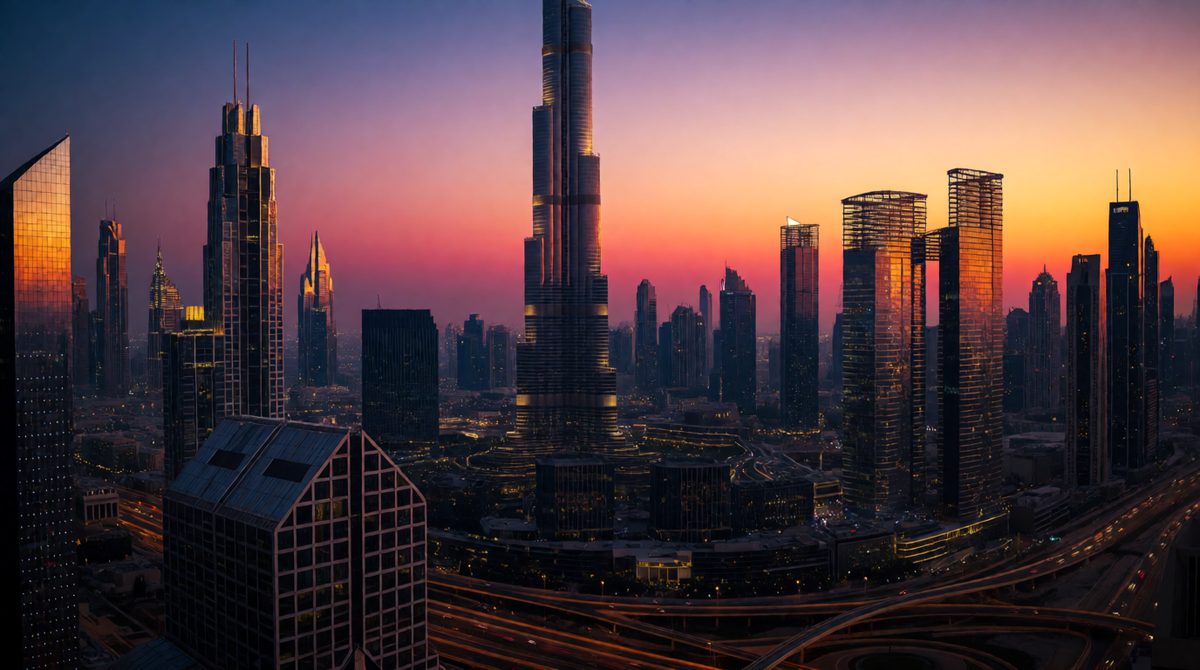
Dubai has used many factors to build tourism
Dubai is one of the world's fastest-growing tourist destinations. In 2023, it welcomed over 17 million international visitors, making it one of the top five most visited cities globally. But why? The answer involves nearly every demand factor working together.
💵 Economic Factors
Dubai has invested billions in tourism infrastructure luxury hotels, shopping malls, theme parks and the world's tallest building, the Burj Khalifa. The UAE government used oil wealth to diversify into tourism. For visitors, Dubai offers a wide price range from ultra-luxury to budget options making it accessible to tourists from many income groups. The dirham is pegged to the US dollar, giving currency stability that reassures international visitors.
🏛 Political Factors
The UAE government actively promotes tourism through its national carrier, Emirates Airlines, which connects Dubai to over 150 destinations worldwide. The country has introduced tourist visas on arrival for over 50 nationalities and a 30-day visa-free policy for many others. Political stability in the UAE compared to some neighbouring countries makes it feel safe to visit. The government has also relaxed some social rules (such as allowing alcohol in licensed venues) to attract Western tourists.
💻 Technological Factors
Dubai has embraced technology at every level. Emirates Airlines was an early adopter of online booking and in-flight entertainment. Dubai Airport is one of the world's busiest international hubs, with cutting-edge facilities. The city actively courts social media influencers and has designed many attractions like the Dubai Frame and the Museum of the Future to be highly "Instagrammable," generating free marketing through user-generated content.
👥 Social Factors
Dubai targets multiple tourist segments simultaneously: luxury travellers, families, business tourists and younger experience-seekers. It has built world-class theme parks (IMG Worlds of Adventure), beach resorts and cultural attractions (the Al Fahidi Historic District). The growth of the global middle class particularly in India, China and Russia has created a huge new market of tourists who can afford to visit Dubai for the first time.
🔍 Linking the Factors: Dubai
Dubai's success is not down to one thing. It combines political investment and stability, economic diversification, technological connectivity and social targeting of multiple markets. Remove any one of these and the tourism model weakens. This is exactly the kind of multi-factor analysis that earns top marks in the exam.
🔍 Case Study 2: New Zealand When Factors Combine to Create a Brand
New Zealand receives around 3–4 million international tourists per year (pre-COVID figures). For a small, remote nation at the bottom of the world, this is remarkable. How has it achieved this?
🌿 Environmental Factors
New Zealand's greatest asset is its natural environment dramatic fjords, volcanic landscapes, glaciers, beaches and native wildlife found nowhere else on Earth. Milford Sound, the Bay of Islands and Tongariro National Park are world-famous. This gives New Zealand a powerful environmental pull factor that no amount of marketing can replicate.
💻 Technological Factors The "Lord of the Rings" Effect
The filming of Peter Jackson's Lord of the Rings trilogy (2001–2003) and The Hobbit (2012–2014) in New Zealand created a phenomenon known as "set-jetting" tourists travelling to visit filming locations. Tourism New Zealand estimated that the films were worth over NZ$200 million in additional tourism revenue. This is a perfect example of how media and technology (film, streaming, social media) can act as a demand factor.
💵 Economic Factors
New Zealand is an expensive destination long-haul flights, high accommodation costs and a strong New Zealand dollar make it a premium choice. This means it primarily attracts higher-income tourists from Australia, the UK, USA and China. The government has invested heavily in tourism infrastructure, recognising that tourism is one of the country's top export earners.
🏛 Political Factors
New Zealand has a strong international reputation for political stability, good governance and safety. It consistently ranks highly in global peace indices. The government's "100% Pure New Zealand" campaign one of the most successful destination marketing campaigns ever was a deliberate political and economic decision to brand the country around its environmental credentials.
🛡️ Health Factors
New Zealand's strict biosecurity laws (no bringing in food, plants, or soil) protect its unique environment but they also signal to tourists that the country takes health and safety seriously. During COVID-19, New Zealand's "elimination strategy" was globally praised and while borders were closed for longer than most countries, the country's reputation for responsible management actually boosted its image as a safe destination for post-pandemic travel.
🔍 Linking the Factors: New Zealand
New Zealand shows how environmental pull factors can be amplified by technological factors (film and social media), supported by political investment in destination branding and shaped by economic factors that determine which tourists can actually afford to visit. The health factor (COVID response) added a new dimension to its reputation.
🔍 Case Study 3: Spain Managing the Tension Between Factors
Spain is consistently one of the world's top tourist destinations, welcoming over 85 million visitors in 2023 the second highest ever recorded. But Spain also illustrates how demand factors can create tensions and problems, not just success.
☀️ Environmental + Economic Tension
Spain's Mediterranean climate is its biggest pull factor warm, sunny summers attract millions to the Costa del Sol, Barcelona and the Balearic Islands. But climate change is now threatening this. Summers are getting hotter (Rhodes and parts of Spain recorded temperatures above 45°C in 2023) and wildfires are becoming more frequent. This creates a direct tension: the environmental factor that attracts tourists is being damaged by the environmental consequences of too many tourists.
👥 Social + Political Tension
In 2024, residents of Barcelona, the Canary Islands and Mallorca held large anti-tourism protests. Locals complained that mass tourism had driven up housing costs (Airbnb effect), crowded public spaces and damaged local culture. The Barcelona city government responded by announcing it would not renew any short-term rental licences after 2028 a direct political response to a social problem caused by excessive tourism demand.
💻 Technological Factor Airbnb's Role
Technology (specifically Airbnb and other short-term rental platforms) played a major role in Spain's overtourism crisis. By making it easy for property owners to rent to tourists rather than locals, these platforms contributed to housing shortages in tourist cities. This is a clear example of a technological factor interacting with a social factor to create a political problem.
🔍 Linking the Factors: Spain
Spain demonstrates that high tourism demand is not always a straightforward success. Environmental, social, technological and political factors can combine to create serious problems. The exam may ask you to evaluate both the benefits and challenges of high demand Spain is a perfect example to use.
🔍 Case Study 4: Nepal When Factors Work Against Each Other
Nepal is home to Mount Everest and eight of the world's fourteen highest peaks. It should be a tourism powerhouse. Yet visitor numbers remain relatively modest around 1 million per year because several demand factors work against each other.
📈 Factors That Boost Nepal's Tourism
- Environmental: Himalayan scenery, trekking routes and Everest Base Camp are world-famous pull factors.
- Social: Growing interest in adventure tourism and wellness/spiritual tourism (yoga, meditation, Buddhist culture).
- Economic: Nepal is a budget destination relatively cheap accommodation, food and trekking permits attract backpackers and adventure tourists.
🔴 Factors That Limit Nepal's Tourism
- Political: Nepal has experienced significant political instability, including a civil war (1996–2006) and frequent changes of government, which have deterred some tourists.
- Environmental: The 2015 earthquake (magnitude 7.8) killed nearly 9,000 people and devastated tourism infrastructure. Visitor numbers dropped by 30% in the following year.
- Technological: Limited air connectivity Kathmandu's airport has a single runway and is notoriously difficult to land at. This restricts tourist volumes.
- Health: Altitude sickness is a genuine health risk for trekkers and healthcare facilities outside Kathmandu are limited.
🔍 Linking the Factors: Nepal
Nepal shows how strong environmental pull factors can be undermined by political instability, health risks, poor infrastructure and natural disasters. This is a great case study for explaining why a destination with obvious appeal still struggles to maximise its tourism potential.
📈 How to Write a Multi-Factor Exam Answer
One of the most common exam questions in iGCSE Travel and Tourism asks you to explain why tourism has grown (or declined) at a destination, or to assess the factors affecting demand. Here's how to structure a strong answer:
✅ The PEEL Structure for Multi-Factor Answers
📝 Point
State one clear factor. "One economic factor that has boosted tourism in Dubai is..."
📄 Evidence
Use a specific fact, statistic, or named example. "Dubai welcomed over 17 million visitors in 2023..."
🔗 Link
Connect to another factor. "This was also supported by technological factors, such as Emirates Airlines connecting Dubai to 150+ destinations..."
✅ Exam Tip
Examiners award the highest marks to answers that link factors together rather than listing them separately. Use connective phrases like: "This was reinforced by...", "However, this factor was limited by...", "At the same time, the political factor of...". These phrases show the examiner you understand that factors interact.
📋 Demand Factor Interaction: Quick Reference
Here are some of the most common ways demand factors interact with each other. Learn these combinations they come up again and again in exam questions.
Common Factor Combinations
- 💵 Economic + Technological: Rising incomes + low-cost airlines = more people can afford to travel further. (e.g. Chinese middle class + budget carriers opening new routes to Europe)
- 🌿 Environmental + Social: Beautiful scenery + social media = "Instagram tourism" driving visitor numbers to previously unknown destinations. (e.g. Maya Bay, Thailand; Faroe Islands)
- 🏛 Political + Economic: Visa liberalisation + currency weakness = surge in inbound tourism. (e.g. UK post-Brexit weak pound attracting more US visitors)
- 🛡️ Health + Political: Disease outbreak + government travel advisory = sharp drop in tourism demand. (e.g. COVID-19 + border closures; Tunisia 2015 attacks + FCDO warnings)
- 💻 Technological + Social: Social media + changing attitudes = new types of tourism demand. (e.g. wellness tourism in Bali promoted through Instagram; set-jetting driven by Netflix)
- 🌿 Environmental + Political: Climate change + government policy = new tourism patterns. (e.g. ski resorts closing + governments investing in summer mountain tourism instead)
💡 Putting It All Together: A Summary Model
When you are asked about any destination in the exam, use this simple checklist to make sure you are thinking about all the relevant factors:
✅ Factors That Typically BOOST Demand
- Rising incomes and growing middle classes (Economic)
- Political stability and easy visa access (Political)
- Warm climate and natural beauty (Environmental)
- Low-cost airlines and online booking (Technological)
- Social media exposure and trending destinations (Social/Technological)
- Good healthcare and no disease outbreaks (Health)
🔴 Factors That Typically REDUCE Demand
- Recession, unemployment, or unfavourable exchange rates (Economic)
- Conflict, terrorism, or negative travel advisories (Political)
- Natural disasters, extreme heat, or environmental damage (Environmental)
- Disease outbreaks or pandemics (Health)
- Poor transport links or limited digital access (Technological)
- Overtourism backlash and negative social media coverage (Social)
💡 Quick Revision Checklist
- ✅ I can explain why demand factors rarely work alone
- ✅ I can use the PESHET framework to analyse any destination
- ✅ I can explain Dubai's tourism success using at least three linked factors
- ✅ I can explain how the Lord of the Rings boosted New Zealand tourism (technological + environmental)
- ✅ I can explain Spain's overtourism tensions using social, political and technological factors
- ✅ I can explain why Nepal's tourism is limited despite strong environmental pull factors
- ✅ I can write a multi-factor exam answer using the PEEL structure
- ✅ I know at least six common factor combinations and a real-world example for each