🌍 Introduction to Sustainable Tourism
Travel and tourism is one of the biggest industries on the planet but it comes at a cost. Planes pump out carbon emissions, coral reefs get damaged by sunscreen and careless snorkellers and popular cities like Venice and Barcelona are struggling under the weight of millions of tourists every year. So, what's the solution? That's where sustainable tourism comes in.
Sustainable tourism has grown massively over the last few decades and it's not just because governments are pushing for it customers themselves are changing the way they think about travel. This topic looks at why attitudes are shifting and how that's driving real growth in sustainable tourism worldwide.
Key Definitions:
- Sustainable Tourism: Tourism that meets the needs of present tourists and host regions while protecting and enhancing opportunities for the future. It balances economic, social and environmental impacts.
- Eco-tourism: Responsible travel to natural areas that conserves the environment and improves the well-being of local people.
- Responsible Tourism: Tourism that minimises negative social, economic and environmental impacts and generates greater economic benefits for local people.
- Green Tourism: A broad term for tourism that tries to reduce its environmental footprint often used in marketing.
- Carbon Footprint: The total amount of greenhouse gases produced by human activities, usually measured in tonnes of CO₂.
- Overtourism: When too many tourists visit a destination, causing damage to the environment, local culture and quality of life for residents.
✅ What Sustainable Tourism IS
Sustainable tourism protects natural environments, supports local economies, respects local cultures and tries to reduce negative impacts. It thinks about the long-term health of a destination not just short-term profit.
- Using local guides and businesses
- Staying in eco-friendly accommodation
- Avoiding activities that harm wildlife
- Reducing plastic waste while travelling
❌ What Sustainable Tourism is NOT
It's not just slapping a "green" label on a hotel and calling it a day. Greenwashing is when companies pretend to be eco-friendly without actually making real changes. Tourists need to look beyond the marketing!
- Calling a hotel "eco" just because it asks you to reuse towels
- Flying long-haul and buying a carbon offset as a fix-all
- Mass tourism marketed as "nature tourism"
- Wildlife experiences that exploit animals
📈 The Growth of Sustainable Tourism
Sustainable tourism has grown dramatically since the 1990s. The United Nations declared 2017 the International Year of Sustainable Tourism for Development, which shows just how seriously the world takes this issue. But what's actually driving this growth?
🔥 Key Drivers of Growth
Several big forces have come together to push sustainable tourism into the mainstream. It's not just one thing it's a combination of changing attitudes, new technology, global events and political pressure.
🌎 Climate Change Awareness
As news about climate change has become impossible to ignore, more tourists are thinking about their carbon footprint. Events like COP26 in Glasgow (2021) brought global attention to the environmental damage caused by industries including tourism.
📱 Social Media & Information
Platforms like Instagram and TikTok have shown the world both the beauty of natural destinations and the damage tourism can cause from rubbish-strewn beaches to overcrowded national parks. Information travels fast and so does outrage.
🏭 Government Policy
Many governments now have policies to promote sustainable tourism. For example, Bhutan charges tourists a daily fee to limit visitor numbers and fund conservation. The EU has introduced green travel incentives across member states.
📌 Did You Know? The Stats on Sustainable Tourism Growth
According to the World Tourism Organisation (UNWTO), sustainable tourism is one of the fastest-growing segments of the travel industry. A 2023 survey by Booking.com found that 76% of global travellers want to travel more sustainably but many say they don't know how. This "intention-action gap" is one of the biggest challenges in the industry today.
🤔 Changing Customer Attitudes
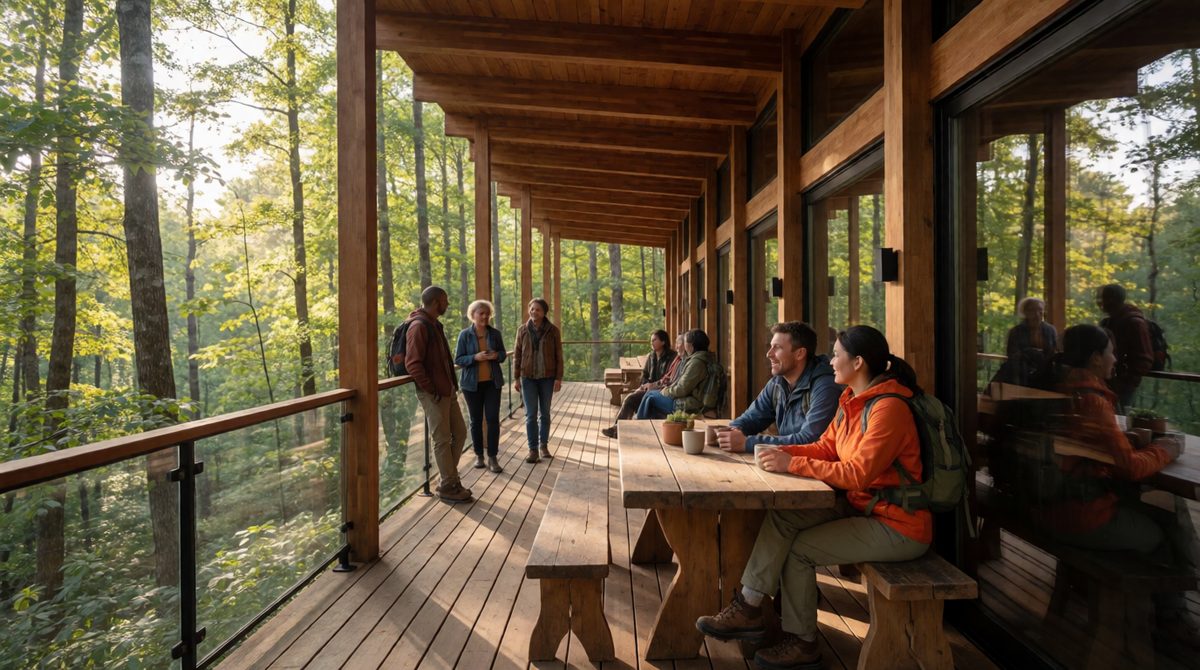
More tourists now choose eco-friendly holidays
Perhaps the most important driver of sustainable tourism growth is the shift in what customers actually want. This hasn't happened overnight it's been building for decades and it's accelerating fast.
🕐 A Timeline of Changing Attitudes
- 1970s–1980s: Mass tourism booms. Package holidays to Spain and Greece become hugely popular. Environmental impact is barely considered.
- 1987: The Brundtland Report introduces the concept of sustainable development to the world stage "meeting the needs of the present without compromising the ability of future generations to meet their own needs."
- 1992: The Rio Earth Summit puts environmental issues firmly on the global agenda. Tourism begins to be discussed in terms of sustainability.
- 2000s: The rise of the internet gives tourists access to reviews, environmental ratings and information about destinations. Eco-tourism begins to grow as a niche market.
- 2010s: Social media amplifies environmental campaigns. The Blue Planet II documentary (2017) shocks viewers with footage of plastic pollution in the oceans and directly changes consumer behaviour.
- 2020s: The COVID-19 pandemic causes tourists to reflect on travel habits. "Slow travel" and local tourism grow in popularity. Climate anxiety becomes a real factor in travel decisions.
👥 Who Are the "New Tourists"?
Modern tourists especially younger generations have very different values from the mass tourists of the 1970s. They are often called "new tourists" or "responsible tourists."
- They research destinations carefully before booking
- They prefer authentic, local experiences over all-inclusive resorts
- They are willing to pay more for eco-friendly options
- They care about the impact their visit has on local communities
- They share their experiences on social media good and bad
🛒 The "Old Tourist" vs "New Tourist"
| Old Tourist |
New Tourist |
| Passive, sun & sea |
Active, experience-seeking |
| Wants familiar food |
Wants local cuisine |
| Price is everything |
Values ethics and sustainability |
| Ignores local culture |
Respects and engages with culture |
| Buys from big chains |
Buys from local businesses |
🌿 Case Studies in Sustainable Tourism
🇨🇷 Case Study 1: Costa Rica A Global Leader
Costa Rica is often held up as the gold standard of sustainable tourism. Despite being a small country, it has protected over 25% of its land as national parks and reserves. Its Certification for Sustainable Tourism (CST) programme rates tourism businesses on a scale of 1–5 based on their environmental and social practices. Tourism generates over $3.5 billion per year for the country and much of it is eco-tourism. Tourists come to see rainforests, volcanoes and wildlife and the government makes sure they do it responsibly.
🇧🇹 Case Study 2: Bhutan High Value, Low Impact
The Himalayan kingdom of Bhutan has a unique approach: it charges every tourist a Sustainable Development Fee (SDF) of $200 per person per day (as of 2022). This deliberately limits the number of visitors and funds conservation, infrastructure and local communities. Bhutan measures success not by GDP but by Gross National Happiness a philosophy that puts well-being and sustainability at the heart of everything, including tourism. In 2022, only around 71,000 tourists visited tiny compared to mass tourism destinations, but highly profitable and low-impact.
🇬🇧 Case Study 3: The UK's Green Tourism Scheme
In the UK, the Green Tourism Business Scheme (GTBS) awards Bronze, Silver, or Gold ratings to tourism businesses that meet strict environmental standards. Over 2,500 businesses across the UK are certified, including hotels, visitor attractions and activity providers. The scheme covers energy use, waste management, water conservation and community involvement. Businesses with higher ratings often attract more bookings from eco-conscious travellers.
🌿 Types of Sustainable Tourism in Practice
🌳 Eco-Tourism
Travel to natural areas with minimal impact. Examples include wildlife safaris in Kenya's Maasai Mara run by local Maasai communities, or guided rainforest tours in the Amazon. The key is that local people benefit directly.
🏠 Community-Based Tourism
Tourists stay in local villages, eat local food and pay local families directly. This keeps money in the community rather than sending it to international hotel chains. Popular in countries like Peru, Nepal and Tanzania.
✈️ Slow Travel
Instead of rushing between destinations, slow travellers stay longer in fewer places, use trains instead of planes where possible and immerse themselves in local life. It reduces carbon emissions and benefits local economies more deeply.
🚫 The Challenges of Sustainable Growth
Sustainable tourism sounds great in theory but it's not without its challenges. Here are some of the biggest obstacles to truly sustainable growth:
- The Intention-Action Gap: Most tourists say they want to travel sustainably, but when it comes to booking, price and convenience often win. Changing behaviour is hard.
- Greenwashing: Some companies falsely market themselves as "green" or "eco-friendly" without making real changes. This misleads consumers and undermines genuine efforts.
- Accessibility: Sustainable options (like trains instead of flights, or eco-lodges) are often more expensive, making them inaccessible to lower-income travellers.
- Overtourism: Even "sustainable" destinations can become overwhelmed if too many tourists arrive. Machu Picchu in Peru now limits daily visitor numbers to protect the site.
- Measuring Impact: It's difficult to measure exactly how sustainable a tourism business or destination really is. Standards vary hugely around the world.
💡 Exam Tip: The Three Pillars of Sustainable Tourism
In your exam, remember that sustainable tourism must balance three pillars:
- 🌎 Environmental: Protecting natural habitats, reducing pollution, conserving resources
- 💵 Economic: Generating income for local communities, creating jobs, keeping money in the destination
- 👥 Social/Cultural: Respecting local customs, preserving heritage, improving quality of life for residents
If a tourism activity only ticks one or two of these boxes, it's not truly sustainable!
🔎 Summary: Why This All Matters
The growth of sustainable tourism is one of the most important trends in the travel industry today. It's being driven by a genuine shift in what customers want especially younger travellers who are more aware of environmental and social issues than any previous generation. Businesses that ignore this shift risk being left behind, while those that embrace it are finding new markets, loyal customers and a genuinely positive impact on the world.
For your iGCSE exam, make sure you can explain why customer attitudes have changed, how this has driven sustainable tourism growth and give specific examples from real destinations and businesses. Case studies like Costa Rica, Bhutan and the UK's Green Tourism Scheme are excellent to use in exam answers.