🎥 How Media Shapes the Way We Travel
Think about the last time you saw a stunning travel photo on Instagram, or watched a nature documentary that made you want to visit somewhere wild and beautiful. That's media at work. Whether it's a BBC documentary, a TikTok reel, or a travel blogger's post, the media has an enormous influence on where people go, what they do and how they think about the impact of their travels.
For sustainable tourism, this is a big deal. Media can be a powerful force for good encouraging responsible travel, raising awareness of environmental issues and promoting destinations that are doing things the right way. But it can also cause serious problems, like sending thousands of tourists flooding into fragile ecosystems that simply can't cope.
Key Definitions:
- Media: Any channel used to communicate information to a large audience including TV, newspapers, radio and online platforms.
- Social Media: Online platforms (e.g. Instagram, TikTok, YouTube, X/Twitter) where users create and share content with each other.
- Influencer: A person with a large online following who can affect the opinions and behaviour of their audience.
- Greenwashing: When a company or destination falsely claims to be environmentally friendly to attract eco-conscious tourists.
- Overtourism: When too many tourists visit a place, causing damage to the environment, local culture and quality of life.
📺 Traditional Media
TV documentaries, newspapers, travel magazines and radio have long shaped how people think about travel. Shows like the BBC's Blue Planet II (2017) shocked millions of viewers with footage of plastic pollution in the oceans. This directly led to increased public support for sustainable tourism and a massive reduction in single-use plastic use across the travel industry. Traditional media reaches huge audiences and carries a sense of authority and trust.
📷 Social Media
Platforms like Instagram, TikTok and YouTube have put the power of media into everyone's hands. Ordinary travellers can now share their experiences instantly with thousands or even millions of followers. This has created a new kind of travel culture where destinations go "viral." While this can boost eco-tourism, it can also lead to overtourism when a beautiful, remote location suddenly becomes the next Instagram hotspot.
🌎 The Positive Power of Social Media for Sustainable Tourism
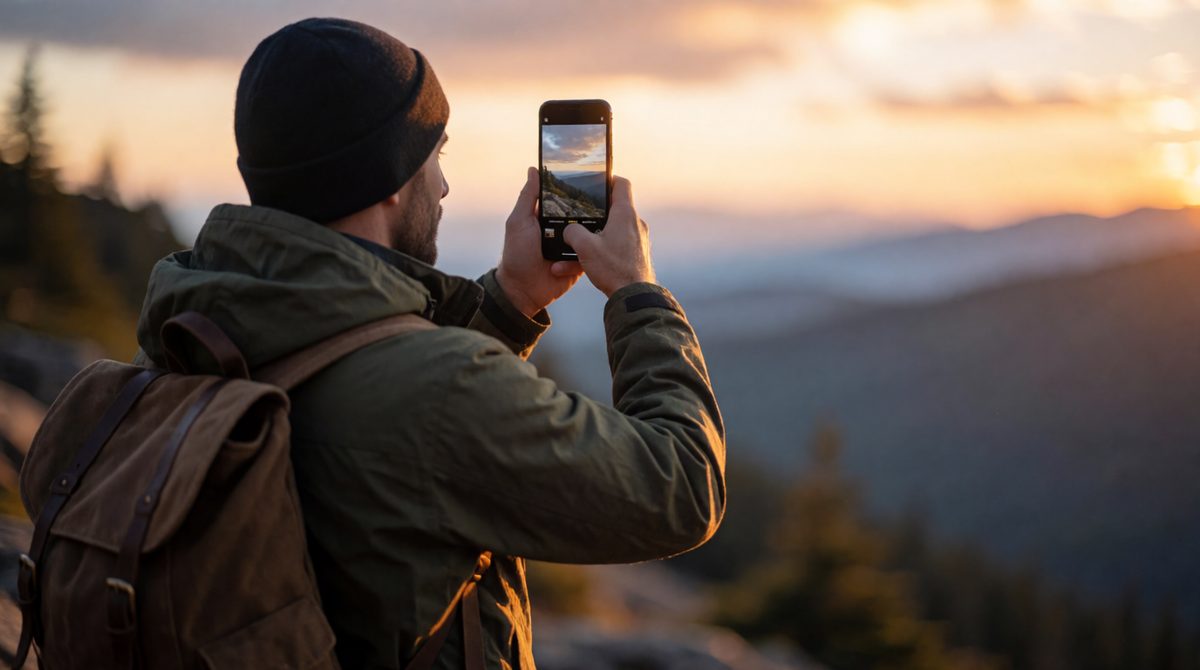
Social media can promote responsible travel
When used responsibly, social media is one of the most effective tools for promoting sustainable tourism. It allows eco-friendly destinations, conservation projects and responsible travel companies to reach a global audience often for free. Here's how it helps:
✅ Ways Social Media Promotes Sustainable Tourism
📢 Raising Awareness
Campaigns like #TravelResponsibly and #LeaveNoTrace have millions of posts encouraging tourists to protect nature, respect local cultures and reduce waste. These hashtags spread quickly and reach people who might never have considered the environmental impact of their holidays.
🌿 Promoting Eco-Destinations
Eco-lodges, wildlife sanctuaries and sustainable tour operators use Instagram and YouTube to showcase their work. A single viral video of a rescued sea turtle or a stunning rainforest lodge can bring in thousands of bookings from eco-conscious travellers.
👥 Influencer Partnerships
Many sustainable tourism organisations now partner with "eco-influencers" content creators who focus on responsible travel. These influencers share honest reviews of green hotels, carbon-offset travel tips and conservation experiences, helping their followers make better travel choices.
🌎 Case Study: The "Palau Pledge" and Social Media
Location: Palau, a small island nation in the Pacific Ocean.
What happened: In 2017, Palau introduced the world's first legal requirement for tourists to sign an eco-pledge in their passport before entering the country. Visitors promise to act in an environmentally responsible way not to damage coral reefs, not to litter and to respect local customs.
The media's role: The pledge went viral on social media and was covered by major news outlets worldwide. Travel influencers shared images of the passport stamp, making it a desirable and "cool" thing to do. This created a positive feedback loop the more people shared it, the more awareness grew about protecting Palau's fragile marine environment.
The result: Tourist numbers stayed controlled and the quality of visitors improved people came specifically because they cared about the environment. Palau's coral reefs remain among the healthiest in the world.
📹 Documentaries and News: Changing Minds at Scale

Wildlife documentaries can change attitudes and inspire people to travel more responsibly
While social media works fast, traditional media especially documentaries can create deep, lasting change in how people think about travel and the environment. A well-made documentary doesn't just inform; it makes people feel something. And feelings drive action.
🎥 The "Blue Planet Effect"
When the BBC released Blue Planet II in 2017, narrated by Sir David Attenborough, it became one of the most-watched TV programmes in British history. The final episode showed the devastating impact of plastic pollution on ocean wildlife and it changed behaviour almost overnight.
- Supermarkets reported a significant drop in sales of single-use plastic products within weeks of the broadcast.
- The UK government fast-tracked legislation to ban plastic straws, stirrers and cotton buds.
- Travel companies began advertising "plastic-free" holidays and ocean conservation experiences.
- Searches for "sustainable travel" and "eco-tourism" spiked dramatically online following the series.
This is a clear example of how traditional media can shift public opinion and directly influence the travel industry towards more sustainable practices.
🏭 Case Study: "Our Planet" on Netflix
What it is: A nature documentary series produced by Netflix and WWF (World Wide Fund for Nature), released in 2019.
Why it matters: Unlike traditional TV documentaries, Our Planet was available to over 150 million Netflix subscribers worldwide simultaneously. It was also heavily promoted on social media, with clips going viral particularly a heartbreaking scene of walruses falling from cliffs due to loss of sea ice.
Impact on tourism: The series boosted interest in wildlife tourism and conservation travel. WWF reported a significant increase in donations and volunteer sign-ups following its release. Travel companies offering conservation-focused holidays saw increased bookings. The series also sparked global conversations about climate change and responsible travel on platforms like Twitter and Instagram.
Key takeaway: Streaming platforms have given nature documentaries a global reach that was previously impossible, making them one of the most powerful tools for promoting sustainable tourism awareness.
⚠️ The Dark Side: When Social Media Harms Sustainable Tourism
It's not all good news. Social media can also cause serious damage to sustainable tourism efforts. The same platforms that can promote responsible travel can also trigger overtourism, encourage disrespectful behaviour and spread greenwashing.
📸 The "Instagram Effect" and Overtourism
When a location becomes an Instagram hotspot, the results can be devastating. The Trolltunga rock formation in Norway saw visitor numbers jump from around 800 per year in 2009 to over 80,000 by 2016 almost entirely driven by social media. The fragile mountain environment struggled to cope. Litter, erosion and safety incidents all increased sharply. Local authorities had to introduce fees and restrictions to manage the crowds. This pattern has been repeated at sites around the world, from the lavender fields of Provence to the blue caves of Zakynthos.
🚫 Greenwashing on Social Media
Some travel companies use social media to make false or exaggerated claims about their environmental credentials. They might post photos of solar panels or recycling bins while continuing harmful practices behind the scenes. This is called greenwashing and it's a growing problem. It misleads eco-conscious tourists and undermines genuine sustainable tourism efforts. The UK's Competition and Markets Authority (CMA) has begun investigating greenwashing claims in the travel industry and social media platforms are under pressure to do more to flag misleading content.
🔎 How to Spot Greenwashing
For your exam, it's useful to know the warning signs of greenwashing in travel marketing:
- Vague language: Words like "eco-friendly," "green," or "sustainable" with no specific details or evidence.
- No certification: Genuine sustainable tourism operators usually hold recognised certifications (e.g. Green Globe, Rainforest Alliance, or the UK's Green Tourism award).
- Irrelevant claims: Highlighting one small green action (e.g. offering paper straws) while ignoring much bigger environmental impacts.
- Stock imagery: Using photos of nature and wildlife that have nothing to do with the actual destination or operation.
🇮🇸 Case Study: Maya Bay, Thailand Closed by Instagram
Background: Maya Bay on Phi Phi Leh island became world-famous after featuring in the 2000 film The Beach starring Leonardo DiCaprio. But it was social media that truly overwhelmed it by 2018, up to 5,000 tourists per day were visiting the tiny bay.
The damage: The coral reefs were almost entirely destroyed by boat anchors, sunscreen chemicals and physical contact from swimmers. Marine life disappeared. The beach became littered and degraded.
The response: The Thai government took the dramatic step of closing Maya Bay entirely in June 2018 to allow the ecosystem to recover. It remained closed for over three years.
The recovery: When Maya Bay reopened in 2022, strict limits were placed on visitor numbers and boat access. Remarkably, the coral reefs had begun to recover and blacktip reef sharks which had vanished were spotted returning to the bay.
The lesson: Social media-driven overtourism can destroy a destination, but managed recovery is possible with strong government action and strict sustainable tourism policies.
📱 Social Media Campaigns That Made a Difference
Despite the risks, many social media campaigns have genuinely advanced sustainable tourism. Here are some of the most effective:
🌍 Global and National Campaigns
🇨🇷 Costa Rica: #EssentialCostaRica
Costa Rica's national tourism board used social media to position the country as the world's leading eco-tourism destination. Their campaign highlighted biodiversity, national parks and community-based tourism. The hashtag generated millions of posts and helped Costa Rica attract high-spending, low-impact tourists who genuinely cared about conservation.
🇦🇺 Australia: #RecoveryRoads
After the devastating 2019-2020 bushfires, Australia used social media to encourage tourists to return to affected regions but in a responsible way. The campaign directed visitors to rural and regional communities that needed economic support, rather than overcrowded cities. It showed how social media can be used to distribute tourism more evenly and support recovery.
🇬🇧 VisitScotland: #ResponsibleTourism
Scotland launched a major social media campaign encouraging visitors to follow the Scottish Outdoor Access Code respecting wildlife, leaving no trace and supporting local businesses. The campaign was timed to coincide with increased visitor numbers post-pandemic and helped manage pressure on popular sites like Loch Lomond and the North Coast 500 route.
💡 Exam Tips: What You Need to Know
✍️ Key Points for Your Exam
- Media influence is two-sided: Always be ready to discuss both the positive and negative effects of media on sustainable tourism. Examiners love balanced answers.
- Use named examples: Refer to specific campaigns, documentaries, or case studies (e.g. Blue Planet II, Palau Pledge, Maya Bay) to support your points.
- Link to the three pillars: Show how media influence connects to the environmental, economic and social dimensions of sustainable tourism.
- Greenwashing is a key term: Make sure you can define it and give an example of how to identify it.
- Overtourism and social media: Be able to explain the connection between viral social media content and overtourism, with a real example.
📈 The Growing Role of Influencers in Sustainable Tourism
The travel influencer industry is worth billions of pounds globally. Tourism boards, airlines and hotels regularly pay influencers to promote their destinations and services. This has created a new and powerful channel for sustainable tourism marketing but also new responsibilities.
Some influencers have built entire careers around responsible travel. They share tips on carbon offsetting, review eco-lodges honestly and refuse to work with companies that don't meet genuine sustainability standards. Others, however, prioritise aesthetics and engagement over accuracy promoting destinations as "eco-friendly" without proper research.
The key trend for the future is accountability. Audiences are becoming more savvy and there is growing pressure on influencers to be transparent about sponsored content and to only promote genuinely sustainable options. Some tourism boards now require influencers they work with to sign sustainability pledges before any partnership begins.
🔎 Summary: Media, Social Media and Sustainable Tourism
Media both traditional and social is one of the most powerful forces shaping sustainable tourism today. It can inspire millions of people to travel responsibly, protect fragile environments and support local communities. But it can also trigger overtourism, spread greenwashing and damage the very places it celebrates.
The challenge for the travel industry, governments and tourists alike is to harness the positive power of media while managing its risks. As a future traveller and as a geography student understanding this balance is essential.
- ✅ Traditional media (TV, documentaries) reaches huge audiences and builds deep awareness e.g. the Blue Planet Effect.
- ✅ Social media campaigns can promote eco-destinations and responsible behaviour globally and quickly.
- ✅ Influencers are a growing force in sustainable tourism marketing, but accountability is key.
- ❌ Overtourism driven by viral social media content can destroy fragile destinations e.g. Maya Bay.
- ❌ Greenwashing on social media misleads tourists and undermines genuine sustainable tourism efforts.
- 💡 The future lies in responsible, transparent media that genuinely supports the three pillars of sustainable tourism.