🌎 Introduction: Why Location, Weather and Season Matter
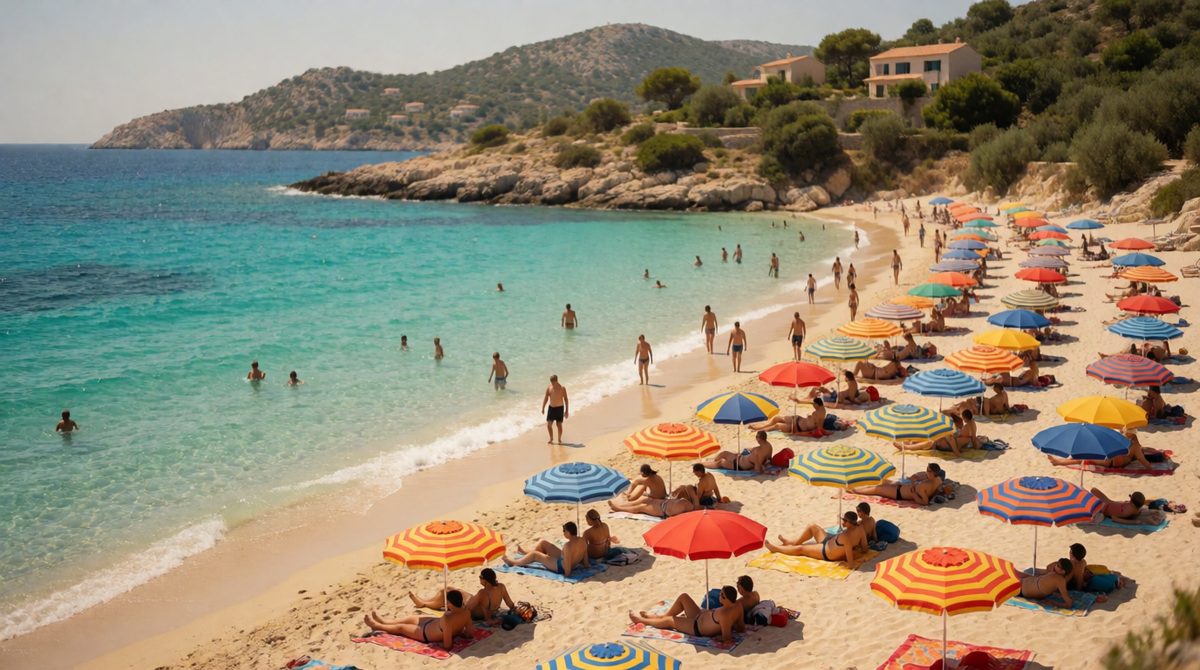
Beach destinations boom in the sunny peak season, but weather and location decide when the crowds arrive
Think about the last time you went on holiday or dreamed about one. Did you picture a sunny beach, a snowy mountain, or maybe a buzzing city? The chances are, the weather and location played a huge part in that picture. These are two of the most powerful factors that make tourists choose one destination over another.
In iGCSE Travel & Tourism, understanding why people pick certain places and when they visit is essential. Location, weather and seasonal patterns all shape the tourism industry in massive ways, from how many visitors a resort gets to how much a hotel charges per night.
Key Definitions:
- Destination: A place that tourists travel to and spend time in.
- Appeal: The features of a destination that attract visitors.
- Climate: The average weather conditions of a place over a long period (usually 30+ years).
- Weather: The day-to-day atmospheric conditions (sun, rain, wind, temperature).
- Seasonality: The way tourist numbers rise and fall at different times of year, often linked to weather or school holidays.
- Peak Season: The busiest time of year for a destination usually when weather is best or school holidays fall.
- Off-Peak Season: The quietest period, when fewer tourists visit.
- Shoulder Season: The period between peak and off-peak not too busy, not too quiet.
🌍 Location Appeal
A destination's location affects how easy it is to reach, what natural features it has and what kind of tourism it supports. Coastal locations attract beach tourists. Mountain locations attract skiers and hikers. Cities attract culture and business tourists. Being close to a major airport or motorway also makes a destination more accessible and more popular.
⛅ Weather Appeal
Weather is one of the top reasons people travel. Tourists from the UK often head to Spain or Greece in summer to escape the grey skies at home. Warm, sunny, dry weather is the most commonly sought-after condition for leisure tourists. However, some tourists actively seek cold, snowy weather think ski resorts in the Alps or winter festivals in Scandinavia.
🏠 Types of Location and Their Tourism Appeal
Different types of location attract different types of tourist. Let's look at the main ones:
🏖 Coastal Destinations
Coastal destinations are among the most popular in the world. Tourists are drawn by beaches, warm seas, water sports and sunshine. The appeal is strongly linked to weather a rainy beach resort loses much of its charm. The Mediterranean coastline (Spain, Greece, Italy, Turkey) is one of the world's most visited coastal regions, largely because of its reliable hot, dry summers.
🏭 Case Study: The Costa del Sol, Spain
The Costa del Sol in southern Spain receives over 320 days of sunshine per year. It has been one of the UK's favourite holiday destinations since the 1960s. Its location on the southern Mediterranean coast means warm summers (averaging 30°C in July) and mild winters. The region attracts over 12 million tourists annually. Its appeal is almost entirely built on its reliable sunny climate and coastal setting.
🏔 Mountain Destinations
Mountain destinations attract tourists for very different reasons depending on the season. In winter, snow-covered peaks draw skiers and snowboarders. In summer, the same mountains attract hikers, cyclists and nature lovers. This means mountain resorts can potentially operate year-round a big advantage over purely seasonal beach resorts.
🏭 Case Study: Chamonix, French Alps
Chamonix sits at the foot of Mont Blanc, the highest peak in the Alps. In winter (December–April), it's one of Europe's top ski destinations. In summer (June–September), it transforms into a hiking and mountaineering hub. This dual seasonality means the resort avoids the long dead periods that affect many beach resorts. However, it still experiences a quieter shoulder period in November and May.
🏙 Urban (City) Destinations
Cities are less dependent on weather than coastal or mountain resorts. Their appeal comes from culture, history, shopping, entertainment and business. However, weather still plays a role visiting Paris in spring or Rome in autumn is far more pleasant than going in the height of summer when temperatures soar and crowds are overwhelming. Cities tend to have longer tourist seasons because their appeal is not purely weather-dependent.
🌞 Understanding Climate Zones and Tourism
The world is divided into different climate zones and each one creates different tourism opportunities. Knowing where a destination sits in terms of climate helps explain its seasonal patterns.
☀ Mediterranean Climate
Hot, dry summers and mild, wet winters. Found in southern Europe, California and parts of Australia. Perfect for summer beach tourism. Examples: Spain, Greece, southern France.
🌴 Tropical Climate
Warm all year round, with a wet season and a dry season. Found in the Caribbean, Southeast Asia and parts of Africa. Peak tourism usually falls in the dry season. Examples: Barbados, Thailand, Kenya.
❄ Alpine/Polar Climate
Cold temperatures, heavy snowfall in winter. Found in mountain ranges and polar regions. Attracts winter sports tourists and, increasingly, summer adventure tourists. Examples: Swiss Alps, Iceland, Norway.
📅 Seasonality: Peaks, Shoulders and Off-Peak
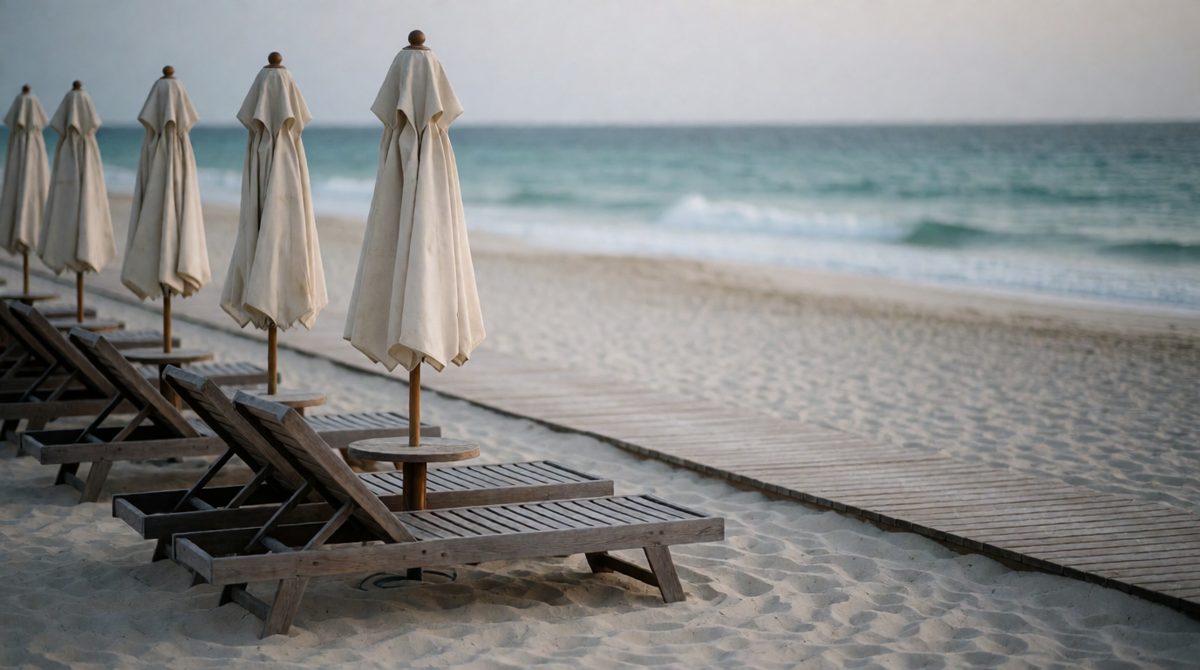
Destinations have peak, shoulder and off-peak seasons
Seasonality is one of the biggest challenges in the travel and tourism industry. When tourists all arrive at the same time, it puts pressure on infrastructure, raises prices and creates problems for the environment. When they don't come at all, businesses struggle to survive.
The Three Seasons Explained
🔥 Peak Season
Busiest time of year. Highest prices, most tourists, best weather (or school holidays). For UK beach resorts: July–August. For ski resorts: Christmas and February half-term. Hotels charge maximum rates. Booking well in advance is essential.
🌿 Shoulder Season
In-between period. Moderate visitor numbers, lower prices than peak, weather still reasonable. For Mediterranean destinations: May–June and September–October. Great value for tourists. Businesses still make decent income.
❄ Off-Peak Season
Quietest period. Fewest tourists, lowest prices, weather often poor or extreme. For Mediterranean beach resorts: November–March. Many businesses close entirely. Staff may be laid off. Local economies suffer.
🏭 Case Study: Seasonality in the Caribbean
The Caribbean is a classic example of strong seasonality driven by weather. The peak tourist season runs from December to April this is the dry season, with warm temperatures (around 27°C), low humidity and little rain. Tourists from North America and Europe flock here to escape their cold winters. The off-peak season (June–November) coincides with the Atlantic hurricane season, which brings heavy rain, storms and the risk of devastating hurricanes. Tourist numbers drop sharply, hotels slash prices and some resorts close entirely. Barbados, Jamaica and the Bahamas all follow this pattern. The challenge for Caribbean tourism authorities is to attract visitors during the quieter months they do this through lower prices, festivals and events and marketing campaigns targeting specific groups like divers and surfers who prefer calmer, less crowded conditions.
📈 The Problems Caused by Seasonality
Seasonality isn't just an inconvenience it creates real economic and environmental problems for destinations. Here's what happens when tourism is too concentrated in one season:
- 💼 Economic instability: Businesses earn most of their income in a short window. Workers face unemployment in the off-season.
- 🌿 Environmental pressure: Overcrowding in peak season damages fragile ecosystems coral reefs, sand dunes, historic sites.
- 🚗 Infrastructure strain: Roads, water supplies and waste systems are built for peak capacity but sit idle off-season.
- 💰 Price spikes: High demand in peak season pushes prices up, making holidays unaffordable for some tourists.
💡 How Destinations Try to Reduce Seasonality
Smart destinations don't just accept seasonality they fight back. Here are the main strategies used:
🎉 Events and Festivals
Hosting events in the off-season brings tourists when they wouldn't normally come. Examples: Edinburgh's Hogmanay (New Year) festival attracts visitors in January. Carnival in Rio de Janeiro (February/March) draws millions during what would otherwise be a quieter period. Malta hosts festivals and cultural events in autumn to extend its tourist season beyond summer.
💰 Price Incentives
Reducing prices in the off-season encourages budget-conscious tourists to visit. Airlines offer cheap flights, hotels cut room rates and tour operators create special deals. This is why a holiday to Tenerife in November can cost half what it does in August the destination is trying to fill beds that would otherwise be empty.
- 🏫 Targeting new markets: Retired people and students have flexible schedules and can travel off-peak. Destinations market specifically to these groups.
- 🌎 Developing new attractions: Indoor attractions (museums, spas, theme parks) work in any weather, extending the appeal beyond the sunny season.
- 🌟 Business tourism: Conferences and corporate events happen year-round and are not weather-dependent. Many beach resorts now build conference centres to attract business travellers in the off-season.
🏭 Case Study: Iceland Turning Off-Peak into Peak
Iceland is a fascinating example of a destination that has successfully reversed its seasonality. Traditionally, summer (June–August) was peak season for Iceland's dramatic landscapes and outdoor activities. Winter was considered off-peak due to darkness, cold and storms. However, Iceland brilliantly marketed its Northern Lights (Aurora Borealis) only visible in winter as a major tourist attraction. Combined with geothermal hot springs (like the famous Blue Lagoon), ice cave tours and the unique experience of near-total darkness, Iceland turned its winter into a second peak season. Tourist arrivals grew from around 500,000 in 2010 to over 2 million by 2018, with winter visits growing fastest. This shows how clever marketing and product development can overcome seasonal limitations.
📋 Summary: Key Points to Remember
- Location affects the type of tourism a destination supports coastal, mountain, urban or rural.
- Climate and weather are major factors in destination appeal, especially for leisure tourists.
- Different climate zones create different seasonal patterns Mediterranean, tropical, alpine.
- Seasonality creates economic and environmental problems for destinations.
- Peak season = busiest and most expensive; off-peak = quietest and cheapest; shoulder = in between.
- Destinations use events, price incentives, new markets and new attractions to combat seasonality.
- Case studies: Costa del Sol (Mediterranean climate), Caribbean (hurricane season), Chamonix (dual season), Iceland (reversing seasonality).