🌎 What Are Topographical Features?
Topography simply means the shape and physical features of the land. Think of it as the Earth's "landscape personality" mountains, rivers, deserts, plains, islands, lakes and coastlines all count. These natural features are a massive part of why people choose to visit certain places. A flat, featureless plain might not excite many tourists, but a dramatic volcanic island or a winding river valley absolutely can!
Key Definitions:
- Topography: The natural physical features of an area of land, including its shape, height and terrain.
- Topographical feature: A specific natural landform such as a mountain, river, lake, desert, island or plain.
- Landscape appeal: How attractive the physical environment of a destination is to visitors.
- Accessibility: How easy (or difficult) it is for tourists to reach and travel around a destination.
💡 Why Does This Matter for iGCSE?
In your exam, you need to explain HOW and WHY physical features attract tourists not just list them. Always link the feature to the type of tourist it appeals to and the activities it supports. Then consider whether the destination is actually easy to get to!
🏔 Key Topographical Features and Their Tourism Appeal
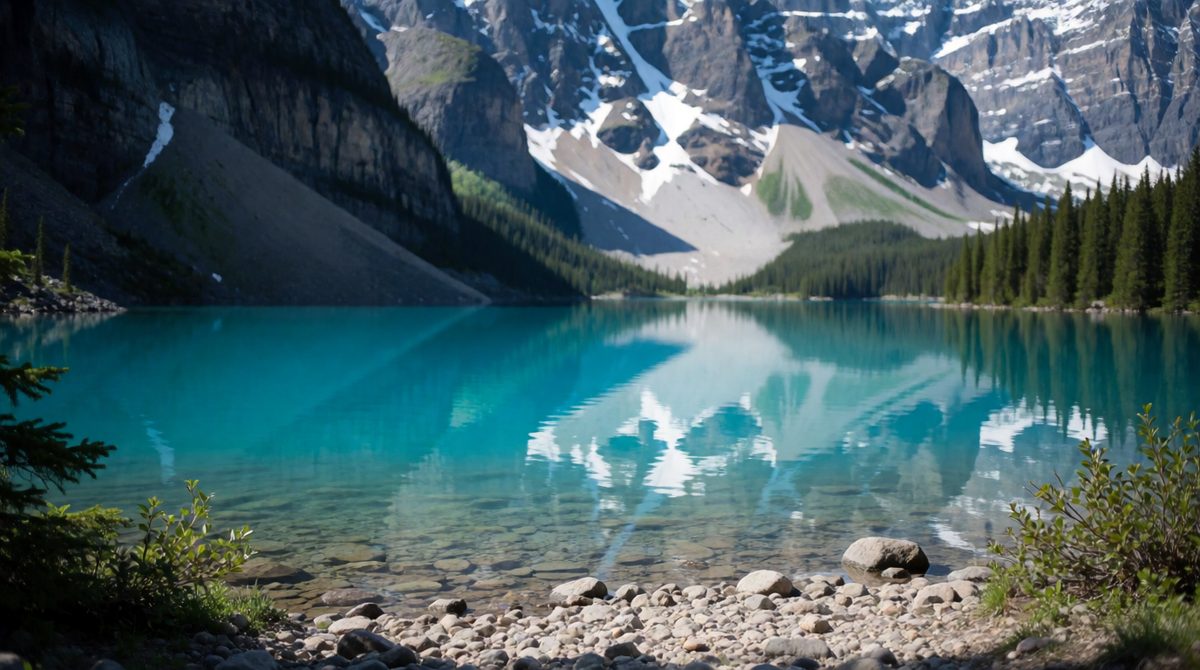
Mountains, coasts and lakes attract tourists
Different landforms attract different types of tourists. Let's look at the main ones you need to know, what they offer visitors and some real-world examples.
🏔 Mountains and Highland Areas
Mountains are one of the most powerful tourist magnets on the planet. They offer dramatic scenery, adventure activities and cooler temperatures which is especially appealing in hot countries. Tourists visit mountains for skiing, snowboarding, hiking, climbing, mountain biking and simply for the stunning views.
Mountains also attract health tourists seeking fresh air and spiritual tourists many mountains have religious significance (e.g. Mount Fuji in Japan, Mount Sinai in Egypt).
🏭 Case Study: The Swiss Alps
Switzerland's Alps are one of the most visited mountain ranges in the world. Resorts like Zermatt, Verbier and St Moritz attract millions of tourists each year. In winter, skiing and snowboarding dominate. In summer, the same mountains draw hikers, cyclists and sightseers. The dramatic Matterhorn peak is one of the most photographed mountains on Earth. Switzerland has invested heavily in cable cars, mountain railways (like the famous Jungfraubahn) and well-maintained hiking trails making the mountains highly accessible despite their challenging terrain.
🌊 Rivers and Waterways
Rivers have shaped human civilisation and they continue to shape tourism. They offer scenic beauty, wildlife, water sports, river cruises and cultural history. Many of the world's greatest cities grew up on rivers (London on the Thames, Paris on the Seine, Cairo on the Nile), so rivers often combine natural and cultural appeal.
River cruising is one of the fastest-growing sectors of the tourism industry. Tourists travel along the Rhine in Germany, the Danube in Central Europe, the Amazon in Brazil and the Mekong in Southeast Asia.
🏭 Case Study: The River Nile, Egypt
The Nile is the world's longest river and one of its most iconic tourist destinations. Tourists travel by traditional wooden sailing boats called feluccas or by luxury cruise ships between Luxor and Aswan, passing ancient temples and tombs. The river itself is the topographical feature, but it's the combination of the river landscape AND the ancient monuments along its banks that creates a truly unique appeal. Egypt receives millions of tourists annually, with the Nile Valley being the central attraction.
🏖 Lakes
Lakes offer calm, scenic water environments ideal for watersports, fishing, walking and relaxation. They are often surrounded by mountains or forests, adding to their visual appeal. Famous tourist lakes include Lake Garda (Italy), Lake Titicaca (Peru/Bolivia), the Great Lakes (USA/Canada) and Lake Baikal (Russia) the world's deepest lake.
Lakes are particularly popular with activity tourists (sailing, kayaking, windsurfing) and leisure tourists seeking peaceful, scenic retreats.
🏜 Deserts
Deserts might seem like the last place tourists would want to go but they're increasingly popular! The Sahara in North Africa, the Arabian Desert and the Namib in southern Africa all attract visitors. Tourists come for the vast, dramatic landscapes, camel trekking, dune bashing (off-road driving), stargazing (no light pollution!) and unique cultural experiences with nomadic peoples. Desert tourism is growing but requires careful management due to the fragile environment.
🏝 Plains and Savannah
Flat grasslands and savannahs might not sound dramatic, but they are home to incredible wildlife. The East African savannah particularly in Kenya and Tanzania is world-famous for safari tourism. The Serengeti and Masai Mara attract hundreds of thousands of visitors each year to witness the Great Migration of wildebeest. Plains also support agricultural tourism and wide-open landscape photography.
🏖 Islands
Islands have a unique and powerful appeal. They feel remote, exotic and special even if they're not that far away! Islands offer beaches, clear water, marine life, unique cultures and a sense of escape. They range from tiny coral atolls to large landmasses like Sri Lanka or Iceland.
🏭 Case Study: The Maldives
The Maldives is an island nation in the Indian Ocean made up of 1,192 coral islands grouped into 26 atolls. It sits just above sea level the average height is only 1.5 metres above sea level, making it one of the world's most climate-vulnerable nations. Tourists come for the crystal-clear turquoise lagoons, white sand beaches, coral reefs and luxury overwater bungalows. The Maldives is one of the world's top honeymoon and luxury tourism destinations. However, accessibility is a challenge most visitors fly into Malé International Airport and then take a seaplane or speedboat to their resort island. This adds cost and complexity to the journey, but most tourists feel it's worth it for the experience.
🚗 Accessibility: Can Tourists Actually Get There?
A destination can have the most spectacular topography in the world, but if tourists can't reach it easily, visitor numbers will suffer. Accessibility is about how easy it is to travel TO a destination and to move AROUND within it once you arrive. It's one of the most important factors in tourism development.
Key Definitions:
- Infrastructure: The basic physical systems of a country roads, railways, airports, ports and utilities.
- Transport links: The connections between places via air, road, rail or sea.
- Hub airport: A major airport that acts as a connection point for flights from many destinations (e.g. Dubai, Heathrow, Singapore).
- Visa: An official permission stamp or document allowing a foreign national to enter a country.
✈ Air Accessibility
Air travel is the most important form of long-haul transport in tourism. Destinations with international airports and good flight connections attract far more tourists. Budget airlines (like Ryanair and easyJet in Europe) have dramatically increased accessibility to previously overlooked destinations. A destination with no direct flights or very expensive ones will struggle to attract mass tourism.
🚌 Road and Rail
Within a destination, good road and rail networks are essential. Tourists need to be able to move between attractions, hotels and airports easily. Countries with poor roads or unreliable public transport put tourists off. In contrast, countries like Japan (with its famous Shinkansen bullet trains) or France (with its TGV network) make internal travel fast, comfortable and appealing.
📄 Visas, Border Controls and Political Factors
Physical geography isn't the only barrier to accessibility. Political and administrative factors matter hugely. If tourists need a complicated, expensive or hard-to-obtain visa, many will simply choose a different destination. Countries that allow visa-free entry (or easy e-visas) tend to receive more tourists.
- Visa-free access: Citizens of some countries can visit without any visa (e.g. UK citizens can visit most EU countries without a visa).
- e-Visa systems: Online visa applications (like India's e-Visa) have made access much easier for tourists.
- Political instability: Countries with conflict, civil unrest or poor safety records receive far fewer tourists, regardless of their natural beauty.
📈 How Topography Affects Accessibility
Here's where it gets really interesting the physical landscape itself can make a destination harder to reach! Mountains, dense forests, island locations and desert terrain all create natural barriers to accessibility. Tourism developers have to invest heavily in infrastructure to overcome these barriers.
🏔 Mountain Barriers
High mountains make road and rail building expensive and difficult. Switzerland solved this with tunnels (the Gotthard Base Tunnel is the world's longest railway tunnel at 57km) and mountain railways. Nepal's Himalayas are far less accessible many trekkers must walk for days to reach base camps.
🌎 Island Isolation
Islands require sea or air transport. This adds cost and limits visitor numbers. The Galápagos Islands (Ecuador) use this to their advantage limited flights help control tourist numbers and protect the unique wildlife. The Maldives uses seaplanes as a key part of the tourist experience.
🏜 Desert Remoteness
Desert destinations like Petra in Jordan or Timbuktu in Mali are hard to reach by road. Petra now has good road access and receives over 1 million visitors a year. Timbuktu, with poor roads and political instability, receives very few tourists despite its historical fame.
💡 Exam Tip: Always Link Feature → Appeal → Accessibility
In your exam, the best answers always connect three things: (1) the topographical feature, (2) the type of tourist it appeals to and why and (3) whether the destination is accessible enough to turn that appeal into actual visitor numbers. A beautiful but inaccessible destination will never reach its tourism potential!
⚖ Topography, Accessibility and Sustainable Tourism
Improving accessibility can be a double-edged sword. Better transport links bring more tourists which brings economic benefits but can also damage the very natural features that made the destination attractive in the first place. This is a key tension in sustainable tourism management.
⚖ The Overtourism Problem
When a destination becomes too accessible, it can be overwhelmed. Venice in Italy is a classic example its island location once limited visitor numbers, but cheap flights and cruise ships now bring up to 30 million visitors a year to a city with only 50,000 permanent residents. The physical landscape (canals, historic buildings) is under serious threat from the sheer volume of tourists.
In contrast, Bhutan in the Himalayas deliberately limits accessibility by charging a high daily tourist fee (currently $200 per day). This keeps numbers low, protects the environment and maintains the destination's exclusive appeal.
🌎 Comparing Two Island Destinations
Maldives vs Galápagos Islands: Both are island destinations with stunning natural topography. The Maldives actively promotes mass luxury tourism and has built hundreds of resort islands. The Galápagos strictly limits visitor numbers to protect its unique wildlife (home to species found nowhere else on Earth). Both approaches are valid but they lead to very different types of tourism and very different levels of environmental impact. This shows that accessibility is not just a physical issue it's also a policy choice.
📋 Summary: Key Points to Remember
- Topographical features mountains, rivers, lakes, deserts, plains and islands are major pull factors for tourists.
- Different features appeal to different types of tourists: mountains → adventure/ski; rivers → cruising/culture; islands → beach/luxury; deserts → adventure/wildlife; plains/savannah → safari/wildlife.
- Accessibility covers transport links (air, road, rail, sea), infrastructure quality, visa rules and political stability.
- Physical topography can itself create accessibility challenges mountains, islands and deserts all require special infrastructure investment.
- Better accessibility brings more tourists but can lead to overtourism and environmental damage.
- Some destinations deliberately limit accessibility to protect their environment and maintain exclusivity (e.g. Bhutan, Galápagos).
- The best exam answers link topographical feature → tourist appeal → accessibility → impact.