🏭 What Are Tourist Attractions?
Every destination needs something to draw tourists in. That "something" is an attraction a feature of a place that makes people want to visit. Attractions are one of the most important parts of destination appeal and for your iGCSE exam, you need to be able to identify, describe and explain them clearly.
Attractions fall into two broad categories:
- Natural attractions features created by nature, such as mountains, beaches, forests and wildlife.
- Built attractions features created by people, such as theme parks, historic monuments, museums and sports venues.
Key Definitions:
- Tourist Attraction: A place or feature that motivates people to travel and visit a destination.
- Natural Attraction: A feature of the physical environment that draws tourists, formed without human involvement.
- Built Attraction: A man-made feature or facility specifically designed or adapted to attract visitors.
- Destination Appeal: The combination of features that make a place attractive to tourists.
🌿 Natural Attractions
These exist because of geography, geology and ecology. Think waterfalls, coral reefs, rainforests, volcanoes and wildlife. They are often unique to a specific location and cannot be replicated elsewhere which makes them very powerful for destination appeal.
🏛 Built Attractions
These are created by humans, either deliberately for tourism (like Disneyland) or for another purpose that later became a tourist draw (like the Colosseum in Rome). Built attractions can be updated, expanded and marketed giving destinations more control over their appeal.
🌿 Natural Attractions in Detail
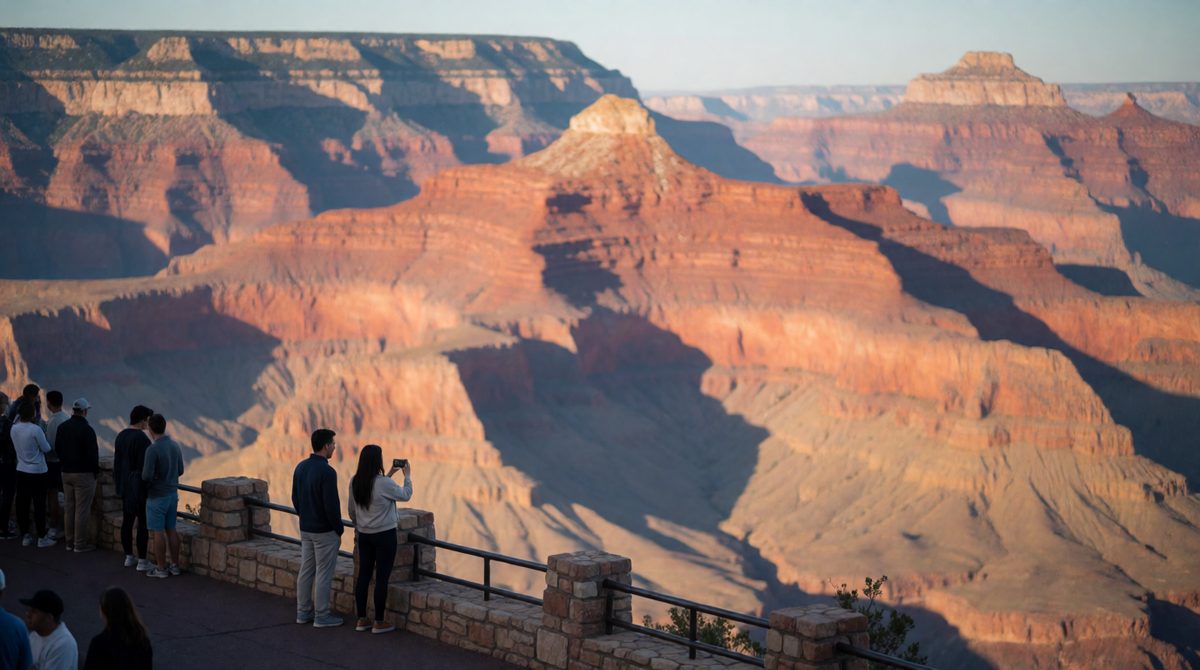
Natural attractions draw visitors from around the world
Natural attractions are often the reason a destination first gets noticed. They tend to form the core identity of a place think of Kenya and its safari wildlife, or Australia and the Great Barrier Reef. Let's explore the main types.
🌊 Coastal and Marine Attractions
Beaches, coral reefs, sea caves and coastal cliffs are among the most visited natural features in the world. The appeal is usually a mix of scenery, relaxation and water-based activities like snorkelling, surfing and diving.
🌊 Coral Reefs
The Great Barrier Reef in Australia stretches over 2,300 km and is the world's largest coral reef system. It attracts over 2 million visitors per year and supports a tourism industry worth around AUD $6.4 billion annually.
🏖 Beaches
White sand beaches in the Caribbean, Thailand and the Maldives are iconic natural attractions. Their appeal comes from warm water, sunshine and scenery all naturally occurring features that require no construction.
⛰️ Coastal Cliffs
The Cliffs of Moher in Ireland attract around 1.5 million visitors each year. Dramatic coastal scenery appeals to walkers, photographers and nature lovers a very different market from beach tourists.
🏭 Case Study: The Great Barrier Reef, Australia
The Great Barrier Reef is a UNESCO World Heritage Site and one of the world's most famous natural attractions. Located off the coast of Queensland, it is home to over 1,500 species of fish and 4,000 types of mollusc. Tourists come for diving, snorkelling, glass-bottom boat tours and scenic flights. The reef generates enormous economic benefits for Australia but it also faces serious threats from climate change, coral bleaching and tourism pressure. This is a classic iGCSE example of a natural attraction that brings both opportunities and challenges.
🏔 Mountains, Volcanoes and Dramatic Landscapes
Dramatic landforms attract tourists looking for adventure, challenge and breathtaking scenery. Mountains offer skiing, hiking and climbing. Volcanoes even active ones draw curious visitors from around the world.
Mount Fuji in Japan is both a natural and cultural icon. Around 300,000 people climb it every year during the official climbing season (July–September). Its near-perfect volcanic cone shape makes it one of the most photographed mountains on Earth. In 2024, Japanese authorities introduced a gate and a fee on the most popular trail to manage overtourism a real-world example of how natural attractions can be loved too much.
🌻 Wildlife and Ecosystems
Wildlife tourism sometimes called ecotourism is one of the fastest-growing sectors in travel. Tourists travel specifically to see animals in their natural habitat. This type of tourism is strongly linked to natural attractions.
Key examples:
- Kenya and Tanzania: The Masai Mara and Serengeti attract hundreds of thousands of visitors each year for the Great Migration the movement of over 1.5 million wildebeest across the savannah. Safari tourism is Kenya's largest source of foreign income.
- Galápagos Islands, Ecuador: Famous for unique wildlife found nowhere else on Earth, including giant tortoises and marine iguanas. Visitor numbers are strictly controlled to protect the ecosystem.
- Borneo: Rainforest tourism to see orangutans in the wild is a growing market, though deforestation threatens the attraction itself.
📈 Quick Fact: Ecotourism Growth
Ecotourism is growing at around 20–34% per year globally significantly faster than mainstream tourism. Natural attractions are at the heart of this trend. Tourists increasingly want authentic experiences in natural settings, which puts enormous pressure on fragile ecosystems.
🏛 Built Attractions in Detail
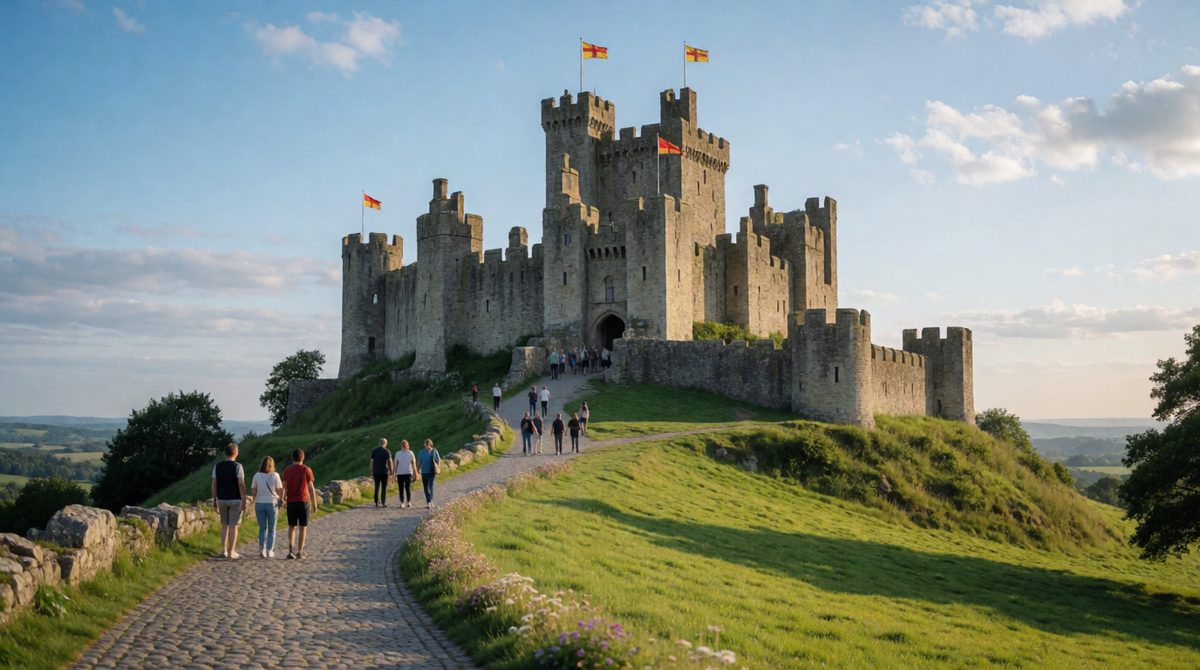
Built attractions like historic castles are made by people, unlike natural ones, but both pull in huge visitor numbers
Built attractions are man-made features that draw tourists. They range from ancient monuments thousands of years old to brand-new theme parks and sports arenas. Unlike natural attractions, built attractions can be planned, funded and developed meaning destinations have more power to shape their own appeal.
🏛 Historic and Cultural Monuments
Some of the world's most visited attractions are historic sites places where something significant happened, or where remarkable buildings still stand. These appeal to tourists interested in history, culture and heritage.
🏛 The Colosseum, Rome
Built between 70–80 AD, the Colosseum receives around 7 million visitors per year, making it one of the most visited built attractions on Earth. It is a UNESCO World Heritage Site and a symbol of Roman civilisation.
🏭 Machu Picchu, Peru
An Inca citadel built in the 15th century, set high in the Andes at 2,430 metres. It attracts around 1.5 million visitors per year. Peru limits daily visitor numbers to protect the site from damage.
🌏 Angkor Wat, Cambodia
The world's largest religious monument, built in the 12th century. Tourism here grew from 7,650 visitors in 1993 to over 2 million by 2019 a dramatic example of how a built attraction can transform a destination's economy.
🏭 Case Study: The Taj Mahal, India
The Taj Mahal in Agra, India, is arguably the world's most famous built attraction. Commissioned by Emperor Shah Jahan in 1632 as a mausoleum for his wife, it is now a UNESCO World Heritage Site visited by around 7–8 million people per year. The Indian government has introduced timed entry tickets and visitor caps to reduce crowding and protect the marble structure from pollution and wear. The Taj Mahal generates significant income for the local economy hotels, guides, transport and craft sellers all benefit. It is a perfect iGCSE example of a built attraction with both positive and negative tourism impacts.
🎪 Theme Parks and Purpose-Built Attractions
Some built attractions are created entirely for tourism. Theme parks are the clearest example they exist solely to entertain visitors and generate revenue. They can be built almost anywhere, which means destinations can create appeal from scratch.
Key examples:
- Walt Disney World, Florida, USA: The world's most visited theme park resort, welcoming around 58 million visitors per year across all its parks. It employs over 75,000 people and has transformed Orlando from a small city into a global tourism hub.
- Disneyland Paris: Europe's most visited tourist attraction, with around 9–10 million visitors per year. It was deliberately built near Paris to access the large European market and benefit from excellent transport links.
- Universal Studios Singapore: Part of the Resorts World Sentosa development, it helped Singapore diversify its tourism offering and attract a younger, family-oriented market.
🏆 Sports Venues and Events as Attractions
Major sports venues and events can act as powerful built attractions. Stadiums, racing circuits and sports museums draw fans and tourists who want to experience something connected to their passion.
The Camp Nou in Barcelona home of FC Barcelona receives around 1.5 million visitors per year on stadium tours, making it one of Spain's most visited attractions. The Wimbledon Lawn Tennis Museum in London attracts visitors year-round, not just during the famous tournament. Meanwhile, the FIFA World Cup and Olympic Games are temporary built-attraction events that can permanently upgrade a destination's infrastructure and global profile.
🏭 Case Study: Dubai Building Appeal from Scratch
Dubai is one of the best examples in the world of a destination that has deliberately created its appeal through built attractions. Fifty years ago, Dubai was a small trading port with little tourism. Today it is one of the world's top destinations, largely because of massive investment in built attractions. The Burj Khalifa (the world's tallest building at 828 metres) attracts millions of visitors to its observation decks. The Palm Jumeirah an artificial island shaped like a palm tree hosts luxury hotels including the Atlantis resort. The Dubai Mall is one of the world's largest shopping centres and contains an indoor ski slope, an aquarium and an ice rink. Dubai shows that with enough investment, a destination can build world-class appeal almost entirely through man-made features.
📈 Comparing Natural and Built Attractions
In your iGCSE exam, you may be asked to compare natural and built attractions, or to explain why one type might be more appealing than another. Here are the key points to consider:
✅ Strengths of Natural Attractions
- Unique cannot be copied elsewhere
- Often free or low cost to access
- Appeal to growing ecotourism market
- Can attract repeat visitors across seasons
- Strong emotional and spiritual appeal
✅ Strengths of Built Attractions
- Can be planned and developed strategically
- Can be updated, expanded and marketed
- Can create tourism where little existed before
- Often provide controlled visitor experiences
- Can operate year-round regardless of weather
⚠ Threats to Attractions
Both natural and built attractions face threats that can reduce their appeal or even destroy them entirely. Understanding these threats is important for the iGCSE exam.
- Natural attractions: Climate change, pollution, overtourism and habitat destruction all threaten natural features. Coral reefs are bleaching due to rising sea temperatures. Glaciers used for tourism are retreating. Wildlife habitats are shrinking.
- Built attractions: Overcrowding, vandalism, neglect and war can damage or destroy built attractions. The ancient city of Palmyra in Syria was severely damaged during the Syrian Civil War. Venice's historic buildings are threatened by rising sea levels and the weight of mass tourism.
💡 Exam Tip: Link Attractions to Appeal
In the exam, never just name an attraction always explain WHY it appeals to tourists. Think about: What type of tourist does it attract? What activities does it offer? Is it unique? Is it accessible? Does it operate year-round? A good exam answer always links the feature to its appeal and then to the wider impact on the destination.
🌎 How Attractions Shape Destination Identity
The most successful destinations usually have a strong mix of both natural and built attractions. This gives them broader appeal they can attract different types of tourists and reduce their dependence on a single feature.
New Zealand is a great example. It has stunning natural attractions fjords, geysers, mountains and beaches but also built attractions like the Hobbiton movie set (from The Lord of the Rings), which attracts film tourism. Egypt combines the natural attraction of the River Nile with iconic built attractions like the Pyramids of Giza and the temples of Luxor. Japan blends natural attractions (Mount Fuji, cherry blossom forests) with extraordinary built heritage (Kyoto's temples, Tokyo's modern architecture).
📄 The Butler Tourism Area Life Cycle and Attractions
The Butler Tourism Area Life Cycle (TALC) describes how destinations develop over time. Attractions play a key role at every stage:
- Exploration: A destination is discovered, usually because of a natural attraction a beautiful beach, a mountain, a wildlife area.
- Involvement and Development: Built attractions, hotels and facilities are added to serve growing visitor numbers.
- Consolidation and Stagnation: The destination becomes well-known but may feel overcrowded or tired. Original natural attractions may be under pressure.
- Rejuvenation: New built attractions (a theme park, a new museum, a major event) can revive a destination that has stagnated.
- Decline: If attractions deteriorate and are not replaced or refreshed, visitor numbers fall.
Understanding this cycle helps explain why destinations invest in new built attractions even when they already have strong natural ones.
🏭 Case Study: Blackpool, UK Rejuvenation Through Built Attractions
Blackpool was once Britain's most popular seaside resort, drawing millions of visitors to its natural attraction the beach and early built attractions like Blackpool Tower (1894) and the Pleasure Beach funfair. By the 1980s and 1990s, it had stagnated as cheap foreign holidays drew British tourists away. In recent years, Blackpool has invested heavily in new built attractions to rejuvenate its appeal: the Sandcastle Waterpark, a new tramway and the famous Blackpool Illuminations (which now attract 3–4 million visitors each autumn). This is a textbook example of using built attractions to revive a destination at the stagnation stage of the Butler TALC.
📋 Summary: Key Points to Remember
- Attractions are features that motivate tourists to visit a destination they are central to destination appeal.
- Natural attractions are formed by nature: beaches, mountains, wildlife, rivers and ecosystems.
- Built attractions are man-made: historic monuments, theme parks, sports venues and purpose-built facilities.
- Natural attractions are unique and cannot be replicated, but they are vulnerable to climate change and overtourism.
- Built attractions can be planned, developed and updated giving destinations more control over their appeal.
- The best destinations combine both types of attraction to appeal to a wide range of tourists.
- Attractions link directly to the Butler TALC they drive growth and new built attractions can rejuvenate declining destinations.
- In the exam, always link an attraction to its appeal, the type of tourist it attracts and its wider impact.