🏭 Culture as a Tourist Attraction
When people choose where to go on holiday, they don't just think about beaches and theme parks. Millions of tourists travel specifically to experience a different way of life the food, the festivals, the music, the art, the language. This is called cultural tourism and it's one of the fastest-growing types of tourism in the world.
Culture gives a destination its identity. It's what makes Japan feel different from Jamaica, or Morocco feel different from Mexico. For iGCSE Travel & Tourism, you need to understand how specific cultural features attract visitors and contribute to a destination's overall appeal.
Key Definitions:
- Culture: The shared beliefs, values, customs, behaviours and way of life of a group of people.
- Cultural tourism: Travel motivated by the desire to experience the culture, heritage, arts or lifestyle of a destination.
- Intangible heritage: Non-physical cultural elements such as music, dance, language and oral traditions (recognised by UNESCO).
- Tangible heritage: Physical cultural elements such as monuments, museums and artefacts.
- Cultural appeal: The attractiveness of a destination based on its cultural features and experiences.
🌎 Why Tourists Seek Culture
Many tourists are motivated by curiosity they want to understand how other people live. Cultural experiences feel authentic and memorable, which is exactly what modern travellers are looking for. Visiting a local market in Marrakech, watching a traditional Maori ceremony in New Zealand, or hearing flamenco in Seville creates experiences that no hotel pool can match.
📈 The Scale of Cultural Tourism
According to the UNWTO, cultural tourism accounts for approximately 40% of all international tourism. Cities like Paris, Rome, Kyoto and Istanbul draw tens of millions of visitors every year primarily because of their cultural offer. Cultural tourism also tends to attract higher-spending visitors who stay longer and explore more widely.
🏘 Traditions and Festivals
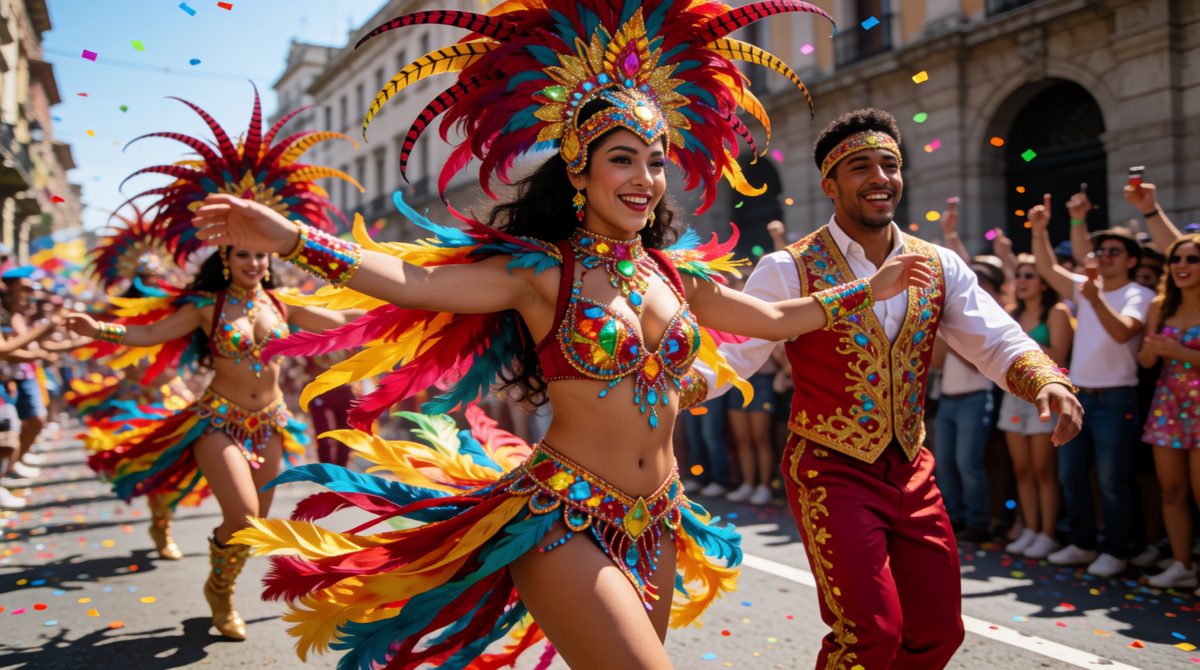
Festivals and traditions attract cultural tourists
Traditions are the customs and practices passed down through generations. When they're visible and accessible to visitors, they become powerful tourist attractions. Festivals in particular are a major draw they give tourists a reason to visit at a specific time and create a sense of excitement and participation.
🎉 Types of Cultural Festivals That Attract Tourists
Festivals can be religious, seasonal, historical or artistic. The key thing for tourism is that they create a unique, time-limited experience that tourists can't get anywhere else.
✅ Religious Festivals
Events like Diwali in India, Semana Santa (Holy Week) in Seville, Spain and Songkran (Thai New Year) in Thailand draw millions of visitors. Semana Santa alone attracts over 1 million tourists to Seville each year, generating huge economic benefits.
✅ Seasonal and Harvest Festivals
Japan's Cherry Blossom (Hanami) season is a globally recognised cultural event. Tourists plan trips months in advance to witness the blossoms. The season generates an estimated ¥600 billion (around £3.5 billion) for the Japanese economy annually.
✅ Carnival and Street Festivals
Rio Carnival in Brazil attracts around 2 million visitors per day during its peak. Notting Hill Carnival in London is Europe's largest street festival, drawing over 1 million visitors across the August bank holiday weekend and celebrating Caribbean culture.
🏭 Case Study: Diwali Tourism in India
Diwali the Hindu Festival of Lights takes place every October or November across India. Cities like Varanasi, Jaipur and Amritsar see a massive surge in both domestic and international visitors during this period. Tourists come to witness the lighting of thousands of oil lamps, spectacular firework displays and traditional sweets and music. The Indian government actively promotes Diwali tourism through its Incredible India campaign and the festival contributes significantly to the hospitality and retail sectors. It's a perfect example of how a religious tradition becomes a major tourism product.
🗣 Language as Part of Destination Appeal
Language might not seem like an obvious tourist attraction, but it plays a huge role in shaping the tourist experience both positively and negatively.
On one hand, shared language makes a destination more accessible and comfortable. This is why British tourists have historically favoured destinations like Australia, the USA and parts of the Caribbean the common language removes a barrier. On the other hand, exotic or unfamiliar languages can actually add to a destination's appeal, making it feel genuinely different and adventurous.
✅ Language as an Attraction
- The French language is closely tied to Paris's romantic image menus, street signs and café culture all feel authentically French
- Arabic script in Morocco or Egypt creates a sense of exotic difference that many tourists find exciting
- Welsh language signs, place names and speakers in Wales are marketed as part of the destination's unique Celtic identity
- Language learning tourism is growing people travel to Spain, France and Japan specifically to learn the local language
❌ Language as a Barrier
- If tourists can't communicate, they may feel anxious or frustrated, reducing enjoyment
- Destinations with limited English-speaking staff in hotels and restaurants may deter some visitors
- However, this is changing translation apps and multilingual signage are reducing language barriers globally
- Many destinations now train tourism workers in basic English and other key languages as part of their tourism development strategy
📈 Quick Fact: Language Tourism
The global language tourism market where people travel specifically to study a language is worth over $8 billion annually. The UK alone earns around £1.4 billion per year from students travelling to study English. Cities like Oxford, Cambridge, Brighton and London are major language tourism destinations, with thousands of language schools catering to international students.
🎨 Arts, Architecture and Visual Culture
Art is one of the most powerful ways a destination communicates its identity to the world. From ancient cave paintings to cutting-edge contemporary galleries, art draws tourists who want to see, feel and understand a place's creative soul.
🏛 Art Galleries and Museums as Tourist Magnets
Some of the world's most visited tourist attractions are art museums. They attract visitors who might not otherwise come to a city and they generate enormous economic activity through ticket sales, cafés, shops and nearby hotels.
🏭 The Louvre, Paris
The world's most visited art museum, welcoming around 9 million visitors per year. Home to the Mona Lisa and Venus de Milo. The Louvre is central to Paris's identity as the world's leading cultural tourism destination.
🏭 The British Museum, London
Receives around 6 million visitors annually and is free to enter. Houses the Rosetta Stone and Elgin Marbles. It's a key reason London is consistently ranked as one of the world's top city-break destinations.
🏭 The Uffizi Gallery, Florence
Florence's Uffizi Gallery attracts over 2 million visitors per year and houses works by Botticelli, Leonardo da Vinci and Michelangelo. Florence itself is a UNESCO World Heritage Site and art tourism is the backbone of its economy.
🏛 Architecture as Cultural Identity
Architecture tells the story of a place its history, its religion, its wealth and its values. Tourists are drawn to distinctive architectural styles that they can't see at home. Think of the blue-domed churches of Santorini, the wooden stave churches of Norway, the terracotta-roofed medinas of Morocco or the Art Deco hotels of Miami's South Beach. Each creates an instantly recognisable visual identity that appears on millions of social media posts and travel brochures.
Street art and urban murals have also become tourist attractions in their own right. Bristol's Stokes Croft area (associated with Banksy) and the Wynwood Walls in Miami attract visitors specifically to see outdoor art installations, showing how contemporary arts can regenerate urban areas and boost tourism.
🏭 Case Study: Kyoto, Japan Living Cultural Heritage
Kyoto was Japan's imperial capital for over 1,000 years and is widely regarded as the country's cultural heart. It contains 17 UNESCO World Heritage Sites, over 1,600 Buddhist temples and 400 Shinto shrines. But what makes Kyoto truly special as a cultural tourism destination is that its traditions are still alive. Visitors can watch geisha (geiko) in the Gion district, participate in a traditional tea ceremony (chado), see ikebana (flower arranging) demonstrations and witness ancient festivals like Gion Matsuri one of Japan's most famous festivals, held every July since the 9th century. Kyoto receives around 50 million visitors per year (domestic and international) and cultural tourism is the foundation of its entire economy. However, the city now faces serious overtourism challenges, with residents complaining about crowded streets and disrespectful tourist behaviour showing that cultural appeal must be carefully managed.
🎵 Music as a Tourism Driver
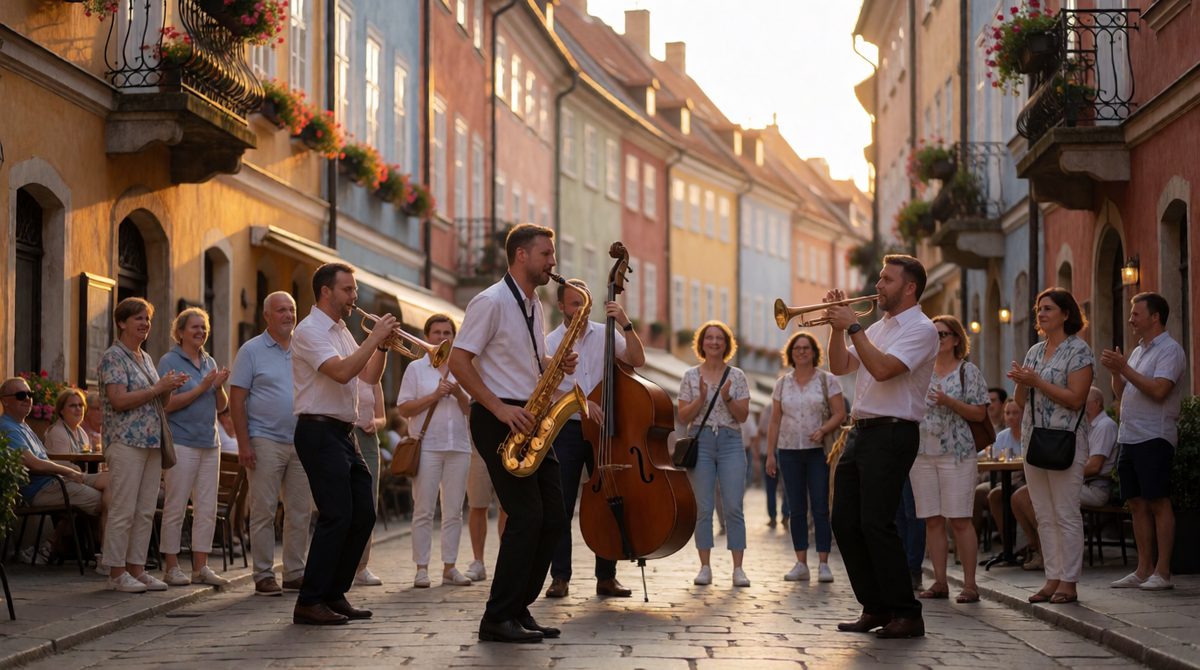
Live music is a tourism driver: people travel to hear the sounds a place is famous for
Music is one of the most emotionally powerful cultural experiences a tourist can have. Music tourism travelling to experience live music, music festivals or the birthplace of musical genres is a booming sector worth billions of pounds globally.
Key Definitions:
- Music tourism: Travel motivated by the desire to experience live music, music heritage or music-related events at a destination.
- Music pilgrimage: Visiting locations associated with famous musicians or the origins of a music genre.
🎵 Types of Music Tourism
Music tourism takes many different forms, from massive outdoor festivals to quiet visits to a musician's birthplace. Each type attracts different kinds of traveller and creates different economic benefits for the destination.
🎵 Music Festivals
Glastonbury Festival in Somerset, UK, is one of the world's most famous music festivals. It attracts around 200,000 attendees and generates over £100 million for the local economy. Similarly, Coachella in California generates over $700 million for the Coachella Valley region. Music festivals extend the tourist season, fill accommodation and support local businesses making them a key tool in destination management.
🎸 Music Heritage and Pilgrimages
Nashville, Tennessee (USA) markets itself as the "Music City" and home of country music. Its Country Music Hall of Fame attracts over 1 million visitors per year. Liverpool, UK has built an entire tourism industry around The Beatles the Cavern Club, the Beatles Story museum and Mathew Street attract over 600,000 Beatles tourists annually, contributing £82 million to the local economy. Memphis, Tennessee draws blues and rock and roll fans to Graceland (Elvis Presley's home) and Beale Street.
🏭 Case Study: Liverpool, UK Music Heritage Tourism
Liverpool is a brilliant example of how music heritage can transform a city's tourism appeal. The city was in economic decline in the 1980s, but its association with The Beatles became a cornerstone of its tourism revival. Today, Liverpool's tourism economy is worth over £5 billion per year. Key attractions include the Beatles Story museum at the Albert Dock, Mathew Street and the Cavern Club, Penny Lane and Strawberry Field and guided Beatles walking tours. Liverpool was also designated European Capital of Culture in 2008, which further boosted its arts and music profile. The city now attracts visitors from Japan, the USA, Australia and across Europe all drawn by the cultural legacy of four musicians from the 1960s. This shows how powerful music heritage can be as a long-term tourism asset.
🏭 Case Study: New Orleans, USA Where Culture IS the Destination
New Orleans is arguably the best example in the world of a city where culture, music, food, language and tradition combine to create an irresistible tourism offer. The city's unique identity comes from its blend of French, Spanish, African and Native American influences.
- Music: New Orleans is the birthplace of jazz. Bourbon Street and Frenchmen Street offer live jazz every night of the week. The New Orleans Jazz & Heritage Festival attracts over 400,000 visitors annually.
- Traditions: Mardi Gras is one of the world's most famous festivals, drawing over 1.4 million visitors and generating around $1 billion for the local economy.
- Language: The city's French Creole heritage is reflected in street names, architecture and local dialect creating a distinctly exotic feel within the USA.
- Arts: The French Quarter's distinctive wrought-iron balconies and colourful buildings are iconic. Street artists, fortune tellers and performers add to the cultural atmosphere.
- Food: Creole and Cajun cuisine (gumbo, jambalaya, beignets) are central to the cultural experience and a major draw for food tourists.
New Orleans demonstrates that when multiple cultural features combine, they create a destination with an exceptionally strong and unique appeal that is very difficult for competitors to replicate.
⚠ Challenges of Cultural Tourism
Cultural tourism isn't without its problems. As more tourists visit cultural destinations, there are risks of damage, commercialisation and cultural conflict. Understanding these challenges is important for your iGCSE exam.
⚠ Commercialisation
When culture is packaged for tourists, it can lose its authenticity. Traditional dances performed in hotel lobbies, mass-produced "local" souvenirs made in factories and staged cultural shows can feel fake. This is sometimes called the "tourist trap" problem. Destinations must balance accessibility with authenticity.
⚠ Cultural Disrespect
Tourists sometimes behave disrespectfully at cultural sites wearing inappropriate clothing at temples, taking offensive photos or ignoring local customs. This causes friction between tourists and local communities. Many destinations now post clear codes of conduct for example, Kyoto has banned photography in certain geisha districts.
⚠ Overtourism and Cultural Erosion
When too many tourists visit, local culture can be pushed out. Local shops close and are replaced by souvenir stores. Residents move away. The very culture that attracted tourists begins to disappear. Venice, Italy is a famous example residents have fallen from 175,000 in the 1950s to around 50,000 today, largely due to tourism pressure.
💡 Exam Tip: Linking Culture to Appeal
In your iGCSE exam, you'll often be asked to explain how features of a destination contribute to its appeal. When writing about culture, always make the link explicit. Don't just say "Japan has a rich culture." Instead say: "Japan's traditional culture, including tea ceremonies, geisha performances and ancient festivals such as Gion Matsuri, appeals to tourists seeking authentic and unique experiences that they cannot find in their home country." Use specific examples and explain why they appeal to tourists not just what they are.
🌎 How Cultural Features Work Together
The most appealing cultural destinations are those where multiple cultural features reinforce each other. Language, music, art, traditions and architecture all combine to create a sense of place a feeling that this destination is genuinely different and worth visiting. This is what tourism planners call a destination's cultural identity or sense of place.
When destinations market themselves, they use cultural features as key selling points. India's Incredible India campaign highlights festivals, temples, classical dance and cuisine. Spain promotes flamenco, Gaudi's architecture and local fiestas. Japan markets its blend of ancient tradition and modern innovation. In each case, culture is the product.
🏆 UNESCO and Cultural Recognition
UNESCO's World Heritage List and its Intangible Cultural Heritage List give official recognition to cultural features of outstanding value. Being listed by UNESCO is a powerful tourism marketing tool it signals to tourists that a destination has something genuinely special. Examples include Flamenco (Spain), Tango (Argentina/Uruguay), Kabuki theatre (Japan) and the Mediterranean diet all listed as intangible cultural heritage.
📄 Cultural Tourism and Economic Development
Cultural tourism can be a powerful tool for economic development, especially in less developed countries. It creates jobs in hospitality, arts, crafts and guiding. It preserves traditional skills that might otherwise be lost. And it can be more sustainable than mass tourism because it tends to attract smaller numbers of higher-spending visitors. Countries like Bhutan use a high-value, low-volume cultural tourism model to protect their culture while generating income.
📋 Summary: Key Points to Remember
- 🏭 Cultural tourism accounts for around 40% of all international tourism and is one of the fastest-growing sectors
- 🎉 Festivals and traditions create time-specific appeal and can dramatically boost visitor numbers (e.g. Diwali, Mardi Gras, Gion Matsuri)
- 🗣 Language can be both an attraction (adding to a destination's exotic feel) and a barrier (making tourists feel uncomfortable)
- 🎨 Art galleries, museums and distinctive architecture are major tourist magnets the Louvre alone attracts 9 million visitors per year
- 🎵 Music tourism including festivals and heritage pilgrimages generates billions of pounds globally (e.g. Liverpool's Beatles tourism = £82 million/year)
- ⚠ Cultural tourism brings challenges including commercialisation, cultural disrespect and overtourism
- 💡 In exam answers, always link cultural features to tourist appeal using specific examples and explaining why tourists are attracted
- 🌎 The strongest cultural destinations combine multiple cultural features to create a unique and irreplaceable sense of place